8. Development Journey
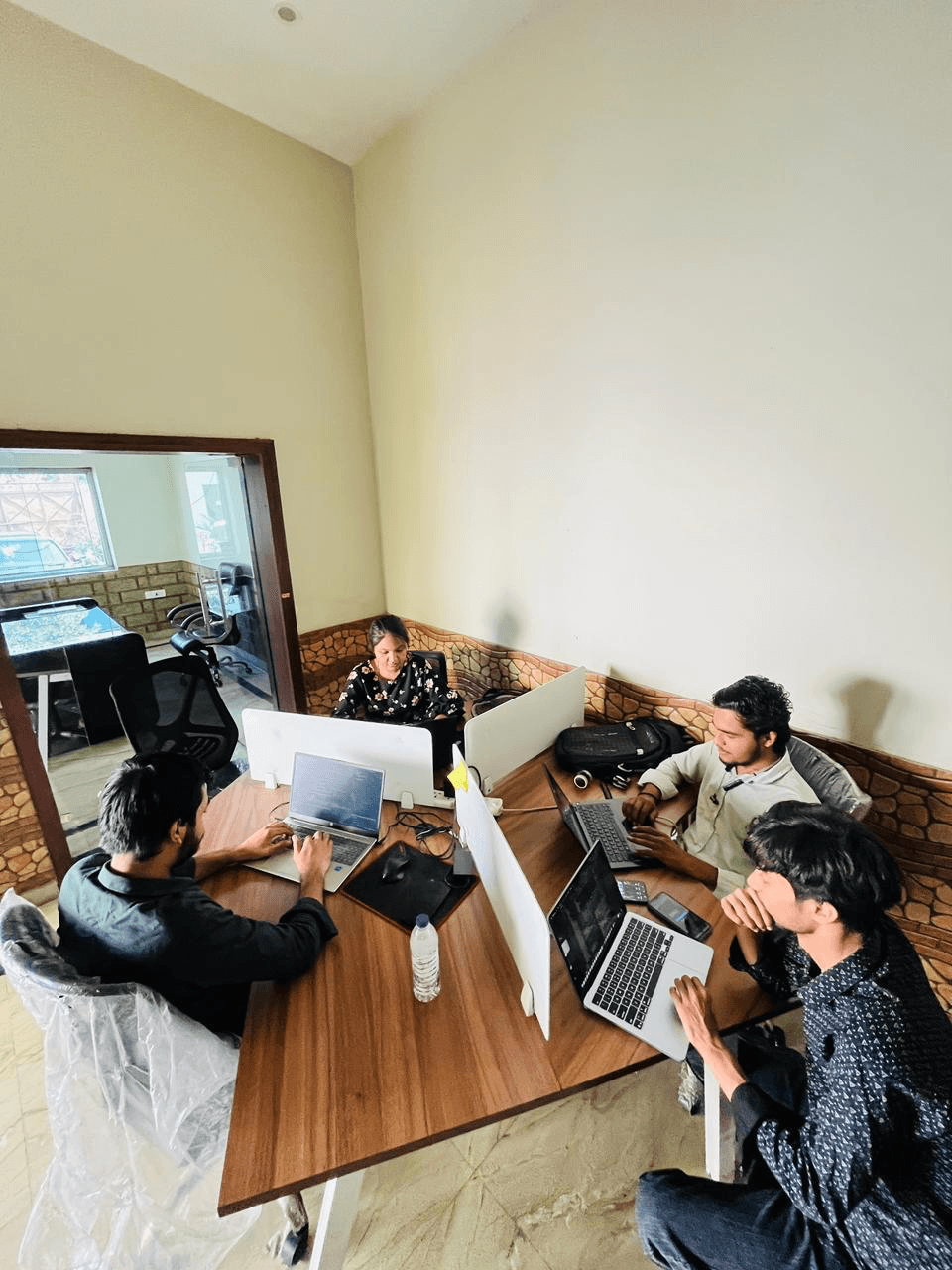
The development journey of Bhaw Bhaw was a carefully planned and execution-driven process focused on transforming a broad business vision into a scalable and user-friendly digital ecosystem for pet care and pet commerce. Since the platform combines multiple operational models — including eCommerce, service booking, vendor management, and customer engagement — the development lifecycle required strategic planning, modular execution, continuous iteration, and close collaboration between design, development, testing, and business teams.
The journey involved much more than simply writing code. It required solving real-world operational challenges within the pet care industry while ensuring that the final product delivered speed, reliability, usability, and scalability across all devices and user types.
From the earliest planning stages to deployment-ready implementation, every phase of development focused on creating a platform that was technically strong, emotionally engaging, and capable of supporting future growth.
The development process can be broadly divided into the following stages:
-
Requirement Discovery & Planning
-
Product Architecture Setup
-
UI/UX Implementation
-
Backend Development
-
Marketplace & Vendor Systems
-
Booking Engine Development
-
Payment & Transaction Integration
-
Testing & Optimization
-
Deployment & Infrastructure Setup
-
Continuous Improvement & Scalability Planning
Each stage contributed significantly to shaping the final ecosystem.
Initial Planning & Project Discovery
The development journey began with a deep understanding of the client’s long-term vision and business goals. Bhaw Bhaw was not intended to function as a simple pet products application. The client wanted a complete digital ecosystem capable of supporting:
-
Pet commerce
-
Grooming services
-
Appointment booking
-
Vendor partnerships
-
Marketplace operations
-
Future scalability
The first step involved converting this business vision into a technically feasible product structure.
Detailed planning sessions were conducted to:
The development team collaborated closely with the design and strategy teams to establish:
This discovery phase played a critical role in reducing development uncertainty later in the project.
Setting Up the Technical Foundation
Once the requirements were finalized, the next stage focused on establishing the project’s technical foundation.
The development team structured the application into multiple layers:
The technical setup was designed around modularity so that different features could be developed and scaled independently.
Version control systems, staging environments, and deployment workflows were configured early to ensure:
A scalable project folder structure and coding standards were also established to maintain consistency as the codebase expanded.
Frontend Development Journey
Frontend development focused heavily on usability, responsiveness, and user engagement. Since Bhaw Bhaw targets modern mobile-first consumers, the interface needed to feel smooth, intuitive, and visually welcoming.
The frontend journey started with translating Figma designs into reusable component systems.
Core frontend development priorities included:
-
Responsive layouts
-
Fast rendering
-
Reusable UI components
-
Accessibility
-
Smooth interactions
-
Scalable design systems
The component-based architecture simplified the implementation of:
-
Product cards
-
Service listings
-
Navigation systems
-
Filters
-
Booking interfaces
-
Checkout flows
-
Vendor dashboards
Each component was designed to be:
-
Reusable
-
Maintainable
-
Responsive
-
Performance optimized
The development team carefully preserved design consistency while ensuring that the interfaces remained lightweight and fast across devices.
Mobile-First Frontend Optimization
A significant portion of the frontend development effort focused on mobile responsiveness.
The platform was optimized for:
The development team continuously tested layouts across multiple devices and screen sizes to ensure:
Special attention was given to:
-
Product browsing
-
Appointment booking
-
Cart interactions
-
Checkout flows
because these directly impact user conversion and retention.
Backend Development Journey
While the frontend focused on user experience, the backend development journey focused on operational reliability, scalability, and secure data management.
The backend architecture was designed to support:
The backend development process was divided into modular service layers to simplify scalability and maintenance.
API Development & Service Layer Structuring
One of the earliest backend priorities was establishing the API communication system.
The API architecture needed to support:
REST APIs were structured around specific service domains such as:
-
Users
-
Products
-
Bookings
-
Orders
-
Vendors
-
Payments
-
Notifications
The modular API design improved:
-
Code maintainability
-
Route organization
-
Performance optimization
-
Error isolation
The team also implemented validation systems to ensure secure and structured data handling across all endpoints.
Database Development & Data Structuring
The platform’s data architecture required careful planning because Bhaw Bhaw manages highly dynamic and interconnected information.
The development team structured database collections for:
-
User accounts
-
Vendor profiles
-
Product inventories
-
Service categories
-
Appointment schedules
-
Transaction records
-
Notifications
-
Reviews
The database schema was intentionally designed to remain flexible so that new services and features could be integrated without major structural changes.
Data indexing and query optimization strategies were introduced early to improve:
-
Product search performance
-
Booking retrieval speed
-
Order tracking efficiency
-
Vendor dashboard responsiveness
This became especially important as the volume of dynamic content increased during development.
Building the Marketplace Ecosystem
One of the most complex aspects of the development journey was building the marketplace infrastructure.
Unlike single-vendor systems, Bhaw Bhaw needed to support:
The marketplace development process involved creating systems for:
The vendor system had to remain flexible enough to accommodate different business models while maintaining a consistent user experience for customers.
Vendor Dashboard Development
Vendor dashboard development focused on operational simplicity.
The dashboard allows vendors to:
-
Manage listings
-
Update inventory
-
Handle appointments
-
Monitor orders
-
Track bookings
The development team simplified backend workflows to ensure that even non-technical business owners could operate efficiently within the system.
Administrative moderation systems were also integrated to maintain:
-
Platform quality
-
Service reliability
-
Marketplace trust
Booking System Development
The service booking engine was one of the most technically challenging modules.
Unlike traditional eCommerce transactions, booking systems require:
The booking workflow was carefully engineered to ensure:
The development team implemented:
to prevent scheduling conflicts and ensure operational accuracy.
Authentication & User Management Development
Secure authentication systems were developed early in the project lifecycle because multiple user roles needed protected access.
The platform supports:
-
Customer accounts
-
Vendor accounts
-
Administrative accounts
Authentication systems included:
-
Secure login flows
-
Session management
-
Token validation
-
Password encryption
-
Access control layers
Role-based authorization ensured that each user category could only access relevant functionalities.
Payment Integration Journey
Integrating payment systems required careful attention to:
-
Security
-
Reliability
-
Transaction consistency
-
Error handling
The payment workflow was designed to support:
The development team focused heavily on reducing friction during transactions to improve:
-
Conversion rates
-
Payment success rates
-
Customer trust
The checkout process was optimized to remain:
-
Mobile-friendly
-
Fast
-
Intuitive
-
Secure
Real-Time Features Development
To improve user engagement and operational responsiveness, the platform integrated real-time communication systems.
Real-time development focused on:
-
Booking confirmations
-
Notification systems
-
Order updates
-
Status synchronization
These systems improved:
-
Customer confidence
-
Vendor responsiveness
-
Workflow efficiency
The implementation of event-driven communication significantly enhanced the overall user experience.
Testing & Debugging Journey
Continuous testing played a major role throughout development.
Testing processes included:
-
Functional testing
-
UI testing
-
Mobile responsiveness testing
-
API testing
-
Booking workflow validation
-
Payment flow testing
-
Cross-browser compatibility checks
The development team adopted iterative debugging cycles to quickly identify and resolve:
-
UI inconsistencies
-
API failures
-
Database conflicts
-
Performance bottlenecks
This continuous QA process improved overall platform reliability before deployment.
Performance Optimization Journey
As the application expanded, performance optimization became increasingly important.
The development team implemented:
Performance tuning focused on reducing:
-
Initial page load times
-
Mobile rendering delays
-
Unnecessary API requests
-
Heavy asset loading
Special care was taken to optimize:
-
Product-heavy pages
-
Vendor listings
-
Service galleries
because these sections contain large amounts of dynamic media content.
Infrastructure & Deployment Setup
Once the core platform stabilized, the project moved into infrastructure configuration and deployment preparation.
The deployment pipeline included:
Cloud infrastructure was configured to support:
-
Scalability
-
High availability
-
Media storage
-
Performance monitoring
Deployment workflows were designed to minimize:
-
Downtime
-
Release risks
-
Environment conflicts
This setup also simplified future feature deployments and updates.
Team Collaboration Throughout Development
The success of the development journey depended heavily on collaboration between:
-
UI/UX designers
-
Frontend developers
-
Backend engineers
-
QA testers
-
Project managers
-
Client stakeholders
Regular sprint reviews and feedback sessions helped:
This collaborative environment enabled rapid iteration and efficient decision-making throughout the project lifecycle.
Scalability & Future Expansion Planning
The development process was intentionally future-focused.
The platform architecture was designed to support future integrations such as:
This ensured that Bhaw Bhaw could continue evolving without requiring major redevelopment.
Challenges During Development
Several technical and operational challenges emerged during development, including:
-
Managing multiple business workflows
-
Synchronizing booking systems
-
Optimizing mobile responsiveness
-
Maintaining frontend performance
-
Structuring scalable APIs
-
Handling dynamic marketplace data
The team addressed these challenges through:
These solutions improved both development efficiency and final product quality.
Final Outcome of the Development Journey
The development journey successfully transformed Bhaw Bhaw from an ambitious concept into a scalable, production-ready digital ecosystem.
The final platform delivers:
-
Modern marketplace functionality
-
Seamless booking experiences
-
Responsive mobile usability
-
Secure transaction systems
-
Scalable vendor operations
-
Real-time communication features
Most importantly, the platform establishes a strong technical and operational foundation for long-term growth within the evolving pet care industry.
The development process not only solved immediate business challenges but also created a future-ready ecosystem capable of supporting continuous innovation, customer engagement, and marketplace expansion for years to come.