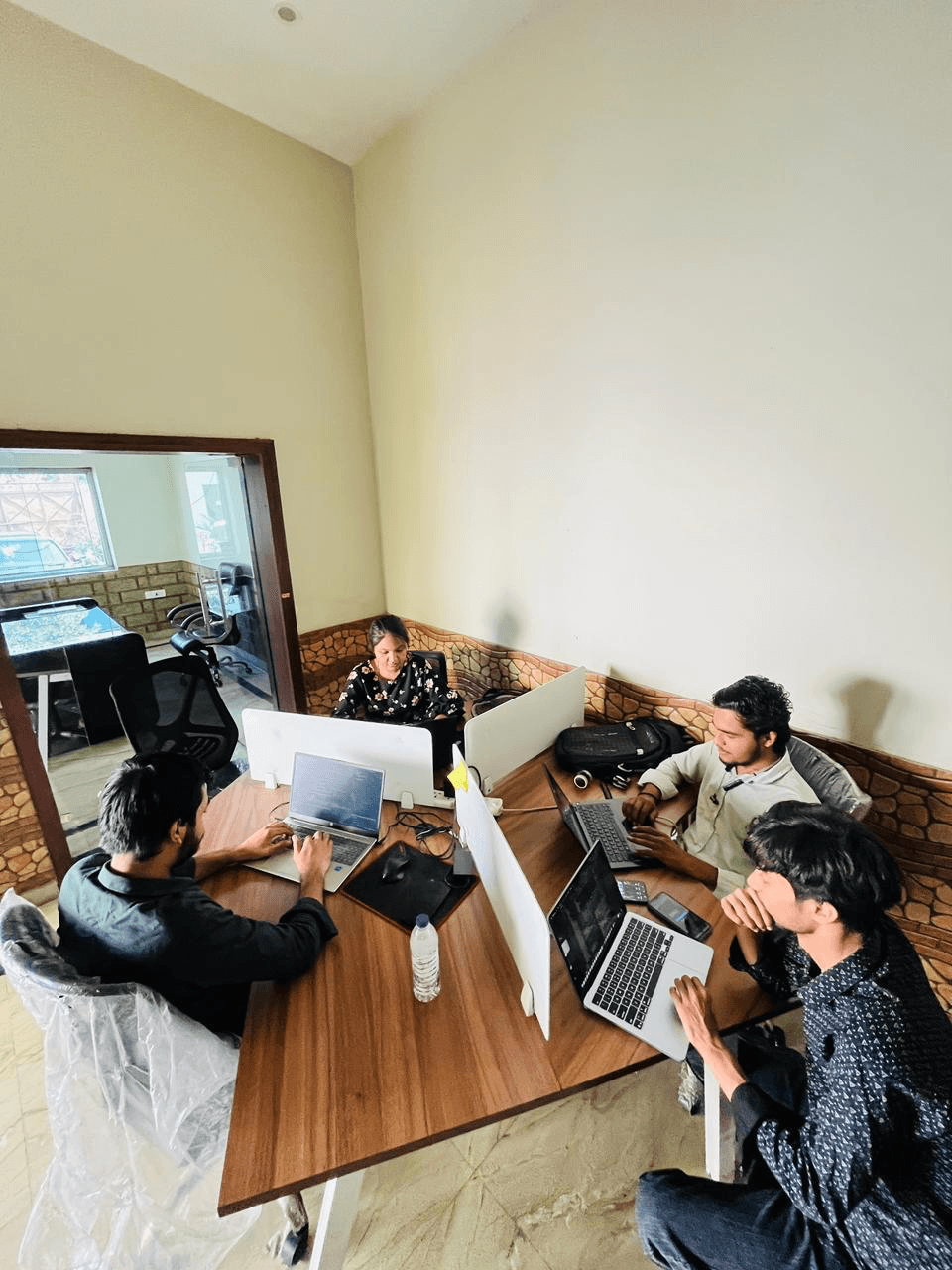
Tech Stack Deep Dive
Building MyShaadiStore required a carefully planned technology stack capable of supporting scalability, performance, responsive user experiences, vendor management workflows, and future platform expansion. Since the project was designed as a modern wedding marketplace platform rather than a static informational website, the underlying technical architecture needed to support dynamic content, high user engagement, search-driven discovery, mobile responsiveness, and scalable business operations.
The technology decisions were made strategically to ensure that the platform remains flexible, maintainable, and future-ready while delivering fast performance and a premium user experience across devices. Every layer of the stack — from frontend architecture to backend scalability — was chosen based on the platform’s long-term business vision and operational requirements.
Frontend Technology Stack
The frontend of MyShaadiStore was designed to prioritize performance, responsiveness, scalability, and modern user experience standards. Since users spend significant time exploring vendor portfolios, browsing categories, and comparing services, frontend performance and interface consistency became critical aspects of the platform.
The frontend architecture focused on:
-
Fast loading speeds
-
Responsive layouts
-
Smooth user interactions
-
Reusable UI components
-
SEO-friendly rendering
-
Scalable design systems
React.js — Component-Based Frontend Architecture
The frontend experience was built using React.js because of its flexibility, scalability, and component-driven architecture. Since the platform contains multiple reusable sections such as vendor cards, listing modules, inquiry forms, filters, galleries, and navigation systems, React’s component-based structure significantly improved development efficiency and maintainability.
Using React allowed the platform to:
-
Reuse interface components efficiently
-
Maintain design consistency
-
Improve rendering performance
-
Simplify UI scalability
-
Support future feature expansion
-
Enhance frontend maintainability
The modular architecture also made it easier to iterate rapidly during the development phase without affecting unrelated sections of the platform.
React’s ecosystem further helped streamline:
Next.js — SEO & Performance Optimization
To support SEO-driven growth and improve website performance, Next.js was used as the frontend framework layer. Since wedding-related searches generate significant organic traffic opportunities, search engine optimization became one of the most important technical priorities for the project.
Next.js provided several advantages:
-
Server-side rendering (SSR)
-
Static site generation (SSG)
-
Faster page loads
-
Better SEO indexing
-
Improved Core Web Vitals
-
Enhanced routing performance
The framework helped ensure that vendor pages, category pages, and location-based listings remain highly discoverable by search engines.
Next.js also improved:
This became especially important because the platform was expected to scale across multiple wedding categories and city-specific landing pages over time.
Tailwind CSS — Scalable UI Styling
Tailwind CSS was implemented to accelerate frontend development while maintaining design consistency across the platform.
Because MyShaadiStore required:
Tailwind became an ideal choice for building scalable interfaces efficiently.
Benefits included:
The design system created during the Figma phase translated effectively into Tailwind-based reusable UI patterns.
Tailwind also allowed rapid experimentation during UI refinement and responsiveness optimization.
Framer Motion — Interactive UI Enhancements
To improve user engagement and create premium interface interactions, Framer Motion was integrated into selected frontend experiences.
Wedding platforms rely heavily on emotional presentation and visual storytelling. Subtle animations helped improve:
Instead of excessive animation usage, motion design was applied strategically to:
-
Improve interface smoothness
-
Enhance perceived responsiveness
-
Create modern interaction patterns
-
Support premium branding
This contributed significantly to the overall polished feel of the platform.
Backend Architecture
The backend architecture of MyShaadiStore was designed with scalability, maintainability, and operational flexibility in mind. Since the platform supports dynamic vendor data, user inquiries, category management, and future expansion plans, the backend needed to remain modular and scalable from the beginning.
The backend focused on:
Node.js — Scalable Backend Runtime
Node.js was selected for backend development due to its efficiency in handling asynchronous operations and scalable APIs.
Marketplace platforms like MyShaadiStore require efficient handling of:
Node.js provided:
-
High performance
-
Fast request handling
-
Event-driven architecture
-
Scalable API infrastructure
-
Efficient asynchronous processing
Its JavaScript-based ecosystem also improved development efficiency by enabling better frontend-backend alignment.
Express.js — API & Server Management
Express.js was used as the backend framework layer to manage:
-
API routing
-
Middleware handling
-
Authentication flows
-
Request processing
-
Server-side operations
Express helped maintain:
This structure simplified future feature integration while keeping backend operations manageable and maintainable.
Database Architecture
Since MyShaadiStore handles multiple vendor categories, portfolios, inquiries, and user interactions, selecting a flexible database structure became essential.
MongoDB — Flexible Marketplace Database
MongoDB was chosen because of its document-based architecture and scalability advantages.
The platform contains highly dynamic data structures such as:
-
Vendor profiles
-
Service categories
-
Portfolio galleries
-
Inquiry records
-
Category-specific fields
-
Location-based data
MongoDB allowed greater flexibility when handling these varying content structures.
Key benefits included:
The database architecture was structured to support future growth without requiring major schema redesigns.
Authentication & Security
Security and user trust are especially important for marketplace platforms handling vendor information and customer inquiries.
The authentication system was designed to support:
JWT Authentication
JSON Web Tokens (JWT) were implemented for secure session handling and authentication workflows.
Benefits included:
JWT-based authentication also helped simplify vendor dashboard access management.
Cloud Storage & Media Management
Wedding platforms depend heavily on high-quality visual content such as:
-
Portfolio galleries
-
Vendor images
-
Banner media
-
Showcase visuals
Efficient media handling became essential for both performance and scalability.
Cloudinary — Image Optimization & Delivery
Cloudinary was integrated for:
This significantly improved:
-
Mobile performance
-
Loading speeds
-
SEO metrics
-
User experience quality
Cloudinary’s dynamic optimization capabilities allowed the platform to maintain premium visuals without compromising performance.
Search & Discovery Infrastructure
Vendor discovery represents one of the core functionalities of the platform. Therefore, the search infrastructure needed to remain fast, intuitive, and scalable.
The search system was designed to support:
-
Category searches
-
Location filtering
-
Keyword discovery
-
Dynamic listings
-
Scalable indexing
Efficient API structuring helped ensure responsive search experiences even as vendor data scales.
Responsive Infrastructure
Since the majority of users access wedding platforms through smartphones, responsiveness became a major technical priority.
The responsive infrastructure included:
Special attention was given to:
-
Mobile navigation
-
Responsive images
-
Inquiry forms
-
Vendor card scaling
-
Scroll performance
This ensured smooth experiences across:
-
Smartphones
-
Tablets
-
Laptops
-
Desktop devices
Performance Optimization Techniques
Performance optimization remained a major focus throughout the development lifecycle because wedding marketplace platforms contain media-heavy interfaces and dynamic content.
Several optimization strategies were implemented:
Lazy Loading
Images and heavy content sections were lazy-loaded to reduce initial page weight and improve loading performance.
This helped:
Code Splitting
Frontend code was split into smaller chunks to improve loading efficiency.
Benefits included:
-
Faster initial load times
-
Better caching performance
-
Improved scalability
-
Reduced unnecessary resource loading
Optimized Asset Delivery
Media assets were optimized through:
-
Compression
-
Responsive sizing
-
Efficient caching
-
CDN delivery
This significantly improved:
SEO Infrastructure
SEO played a major role in the technical planning because wedding-related searches generate highly valuable organic traffic.
The technical SEO infrastructure included:
Next.js contributed heavily to:
-
Crawlability
-
Indexing efficiency
-
Performance optimization
This created a strong foundation for long-term organic visibility.
CMS & Content Scalability
The content architecture was planned to support future scalability across:
Flexible content management workflows ensured the platform remains adaptable as business requirements evolve.
Vendor Dashboard Infrastructure
Vendor dashboards were planned to support:
-
Profile management
-
Inquiry tracking
-
Portfolio uploads
-
Service updates
-
Visibility management
The dashboard architecture focused heavily on usability because many vendors may not have advanced technical expertise.
Simplified workflows helped improve:
Admin Panel Architecture
The admin system was designed to support:
-
Vendor moderation
-
Category management
-
Inquiry oversight
-
Content updates
-
User monitoring
Administrative workflows were structured for scalability and operational efficiency.
Scalability Strategy
One of the biggest priorities of the tech stack was ensuring long-term scalability.
The platform architecture was designed to support:
-
Increased traffic
-
Vendor growth
-
Additional services
-
Future product features
-
Regional expansion
Scalability planning included:
-
Modular frontend architecture
-
API-driven backend systems
-
Flexible database structures
-
Reusable component libraries
This future-ready approach prevents major technical bottlenecks during platform growth.
Security & Reliability
Marketplace platforms must establish trust and reliability. Several technical measures were implemented to improve:
-
Data protection
-
API security
-
Access control
-
Performance reliability
Security-focused practices included:
These measures helped create a stable and trustworthy platform infrastructure.
Deployment & Hosting
The deployment architecture was optimized for:
Deployment pipelines streamlined:
-
Production updates
-
Bug fixes
-
Feature deployments
-
Performance monitoring
The hosting setup was structured to support future scaling requirements efficiently.
Development Workflow & Collaboration
The overall development workflow emphasized:
Collaborative workflows between designers and developers significantly improved:
-
Development speed
-
UI consistency
-
Bug reduction
-
Feature scalability
Final Technical Outcome
The final technology stack behind MyShaadiStore successfully combined:
The platform was engineered not only to support current operational requirements but also to evolve into a large-scale wedding-tech ecosystem over time.
By carefully selecting technologies aligned with both business goals and user experience priorities, MyShaadiStore achieved a strong technical foundation capable of delivering modern digital experiences within the highly competitive wedding marketplace industry.