



A fintech app development partner for Bangalore founders — compliance-ready by design, honest about the legal line
Bengaluru is where India's fintech gets built — from the payments and neobank teams around Koramangala and HSR Layout to the lending and wealth-tech operators in Indiranagar and out toward Whitefield and Electronic City. The founders we talk to are not shopping for a logo on a listicle; they are trying to move regulated money safely and ship before a board meeting or a fresh regulatory circular lands. The head term 'fintech app development company bangalore' is crowded with directories. Xenotix competes on the one thing those pages cannot fake: 110+ production apps, real payment and ledger flows in the field, and founder-led engineers who understand what breaks when money moves.
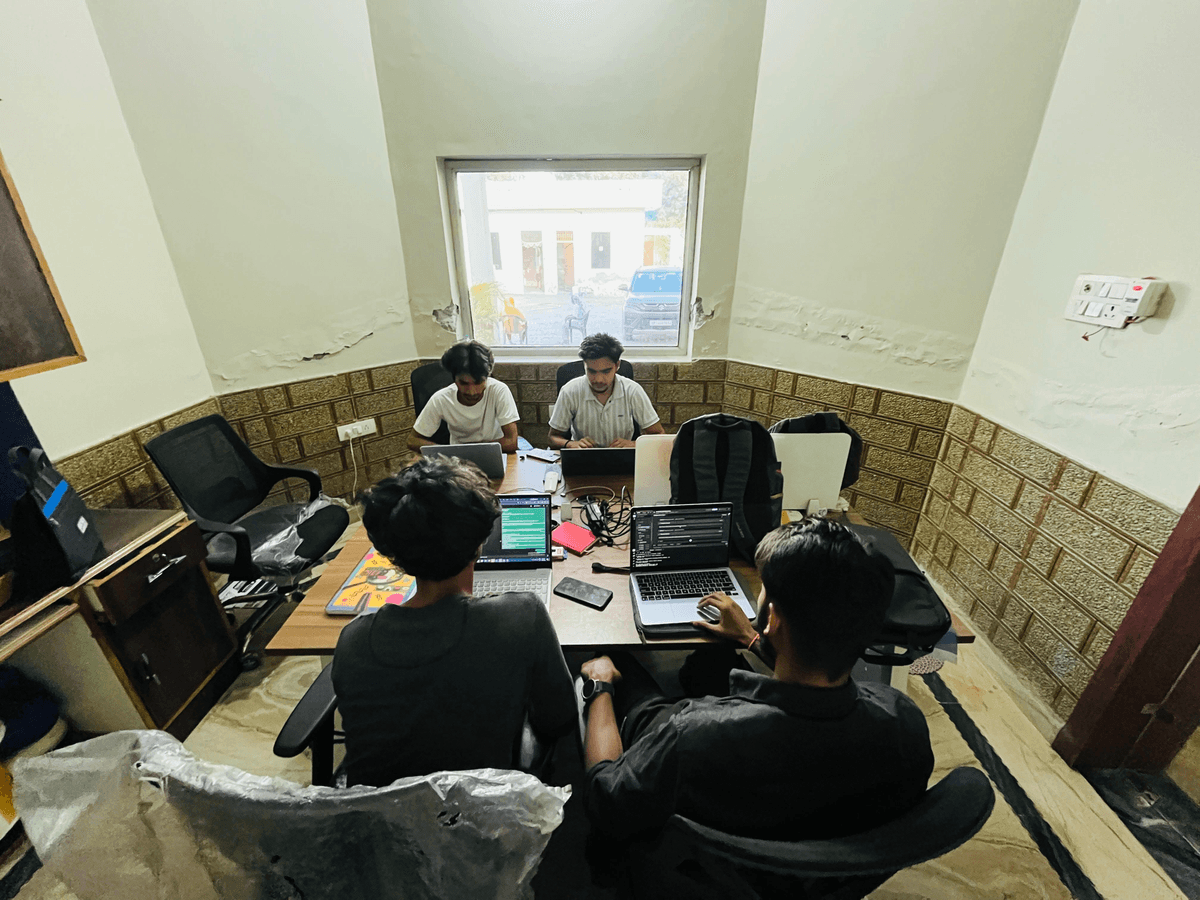
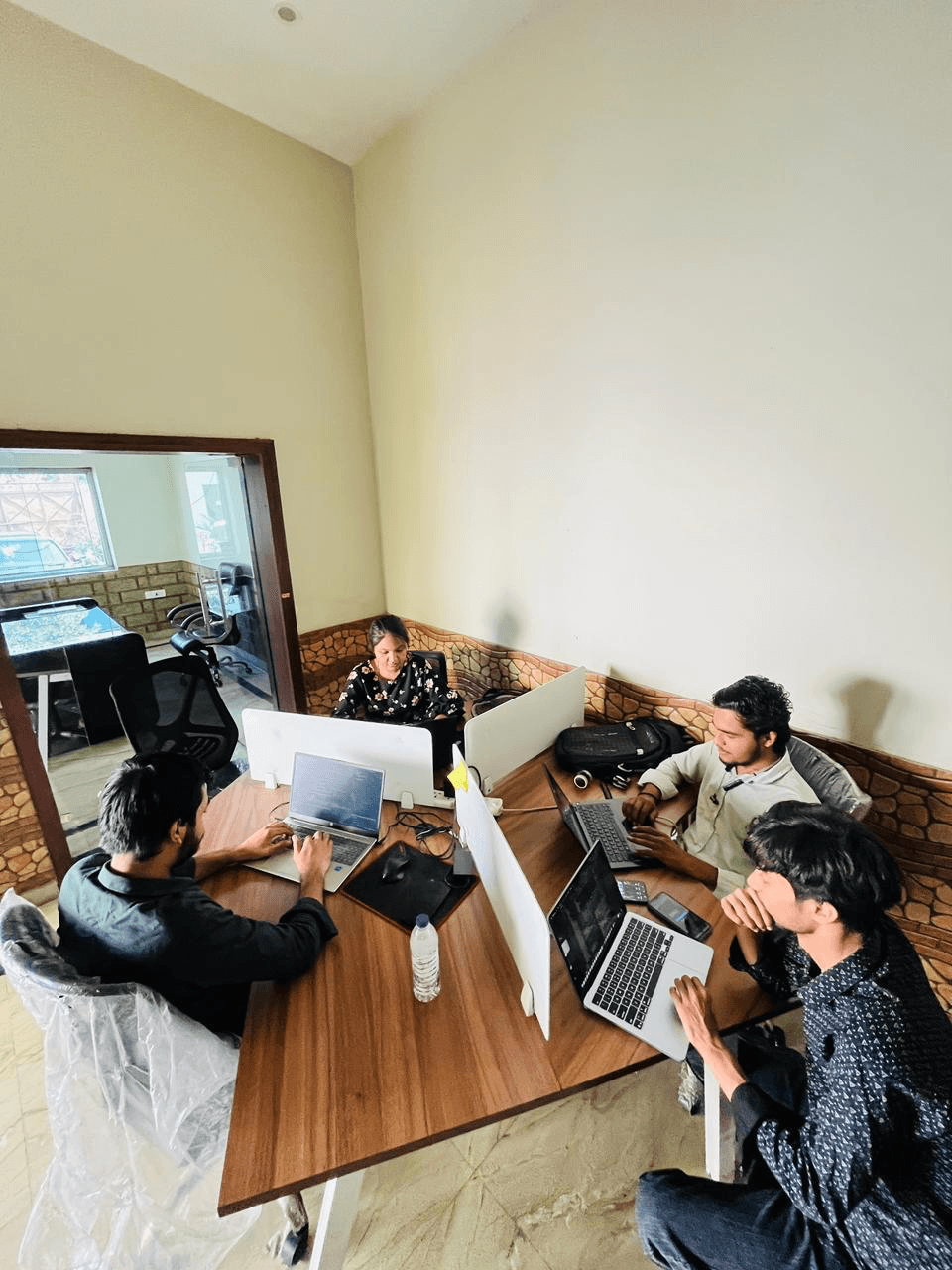
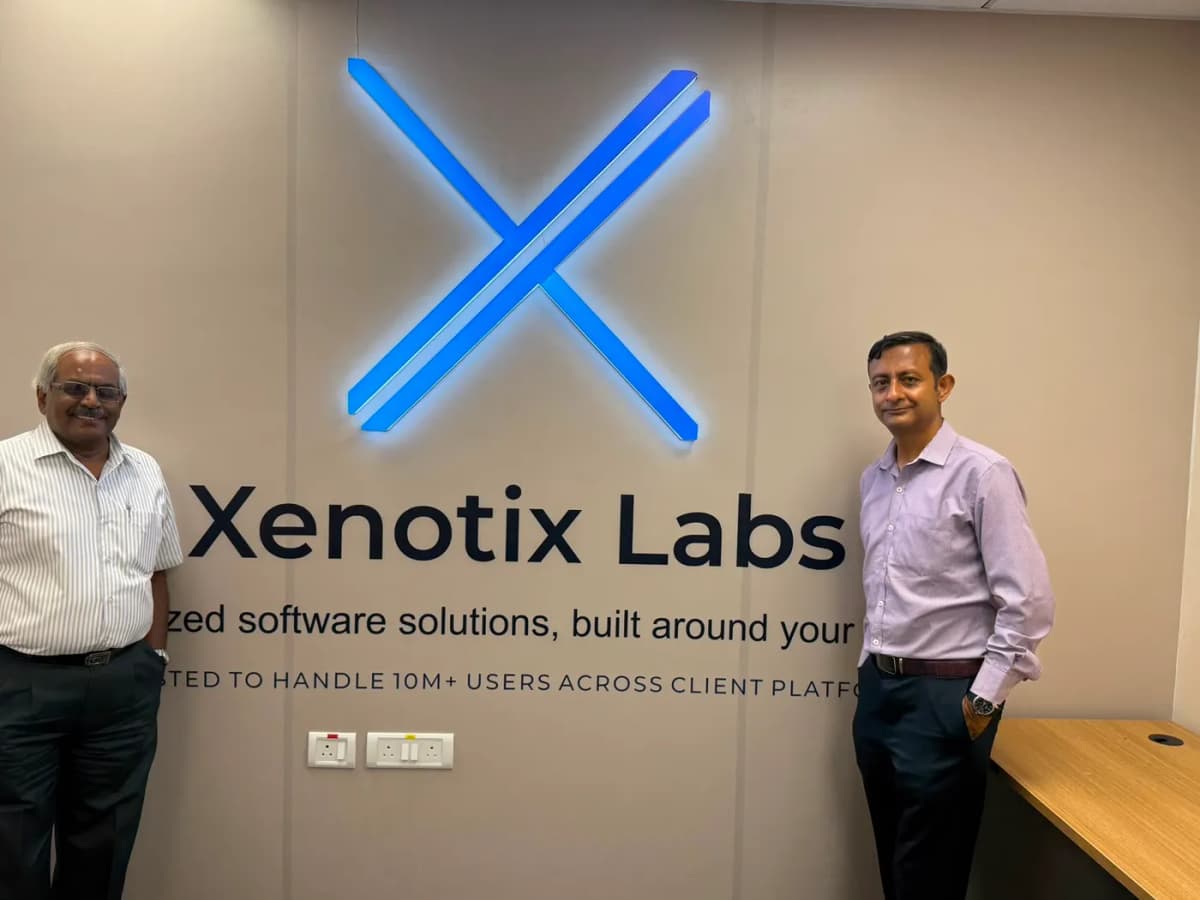
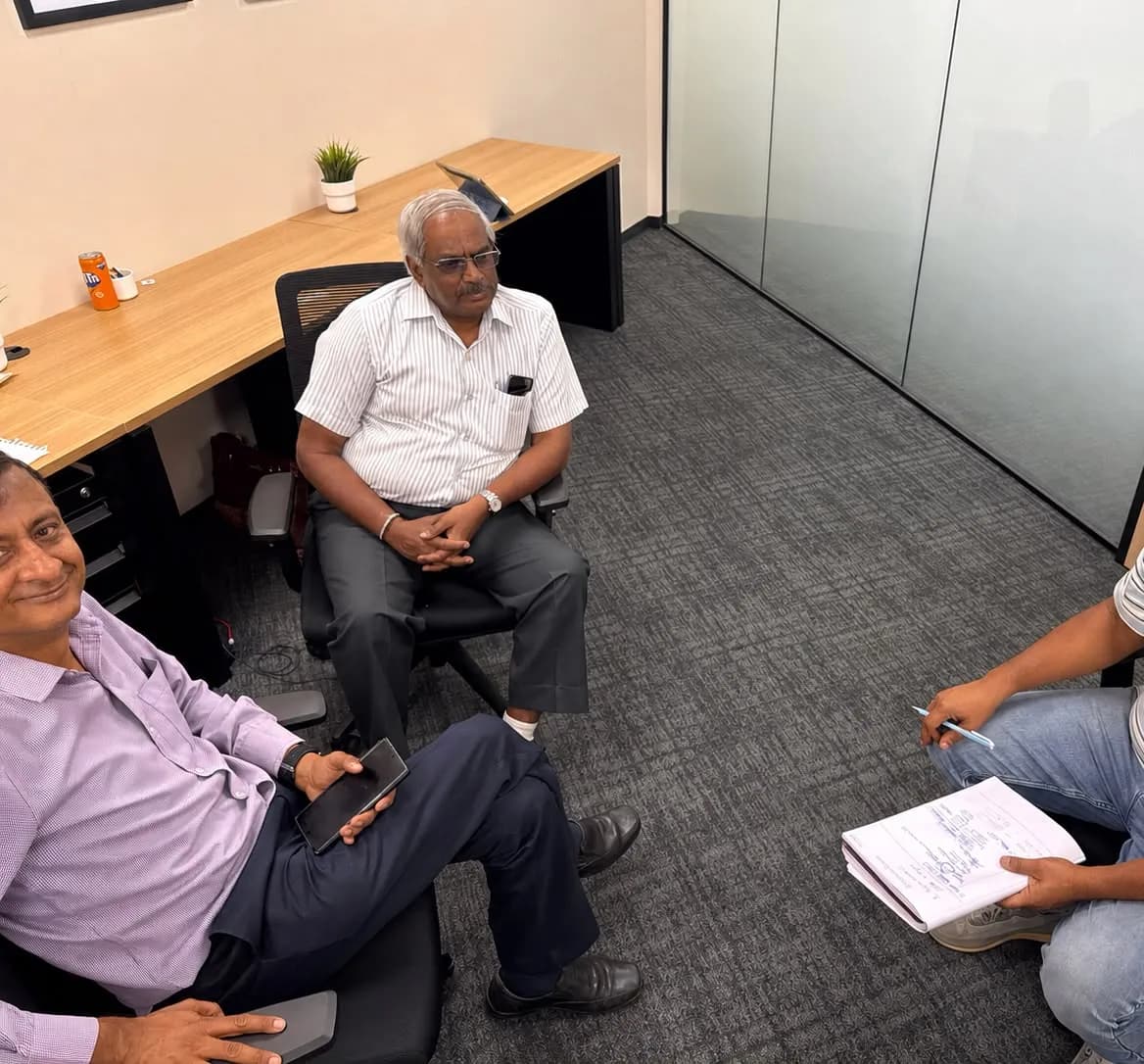
We will be straight about two things, because fintech founders can smell hand-waving. First, geography: Xenotix now has a Bengaluru office at Regus, MSR North Tower, Nagavara (North Bengaluru), where you can meet the team by appointment. Our engineering HQ is in Modinagar (Uttar Pradesh) and our sales office is in Noida, and we serve Bangalore fintech teams on the same IST working hours, with weekly demos, a shared Slack, and senior engineers on your product instead of a local account manager. Second, and more important: we build compliance-ready architecture, but we do not provide legal compliance certification. RBI registration, PCI-DSS attestation and audit sign-off come from your CA/CS and a certified auditor. We engineer so their job is a review, not a rebuild.
What 'compliance-ready' means concretely: we host on AWS in the ap-south-1 Mumbai region so payment and KYC data stays resident in India, which matters under RBI's data-localisation directive. We tokenise card data instead of storing PANs, encrypt PII at rest and in transit, keep append-only ledgers with a full audit trail, and put role-based access and logging around every money-moving endpoint. That is the PCI-DSS- and RBI-aware posture a founder needs when a partner bank, a payment aggregator or an auditor starts asking hard questions — the architecture is defensible on day one, not patched in after a failed audit.
Transparent cost is the part Bangalore fintech founders remember. A single-flow MVP — a UPI wallet, a lending front end, a KYC onboarding funnel — sits at ₹8-16L; a multi-feature neobank, BNPL or wealth product at ₹12-35L; a full marketplace-grade platform with ledgers, reconciliation and compliance tooling at ₹35-60L+. Up front you get scope itemised line by line and running software handed over every week to prove the spend. For a founder deploying investor money into a regulated product, knowing exactly what a rupee buys — and watching it work — beats a Bengaluru pin on a map.