

Building an Ola-Like Ride-Hailing App for Bengaluru
Bengaluru is India's startup capital and, unfortunately, its traffic capital too, which is exactly why a smarter ride-hailing app has room to win here. When a founder in Koramangala or HSR Layout says they want to build an app like Ola, they are not commissioning one app; they are commissioning a live two-sided marketplace of three connected products. A rider app books and tracks the cab, a driver app accepts and completes the trip, and a web admin console lets operators watch supply, resolve stuck rides and tune pricing. Matching, fares and payments all resolve in seconds. Getting that real-time coordination right across a sprawling city is the hard part, and it is precisely where a generic Ola clone script quietly falls apart.
The engineering heart of the platform is live GPS matching. When a rider on Indiranagar's 100 Feet Road requests a cab, the backend has to find nearby available drivers, rank them by ETA rather than raw distance (a driver 500 metres away across a jammed junction is farther in minutes than one a kilometre down a clear road), dispatch the request, and handle acceptance or timeout, all while streaming driver locations onto the rider's map. That needs persistent WebSocket connections, geospatial queries and an event pipeline that never drops a booking during the 6 pm Outer Ring Road crush. Layer on a fare engine handling base fare, per-kilometre and per-minute charges, waiting time in gridlock and dynamic surge, and you have genuine operational complexity no template honestly delivers.
The Bengaluru founders who win rarely try to out-Ola Ola. They pick a niche the incumbents underserve and nail its unit economics: EV-only cabs riding the city's clean-mobility push, fixed-fare Kempegowda airport transfers for the Whitefield and Electronic City corridors, corporate-fleet mobility billed monthly to tech campuses, or intercity runs to Mysuru and Coorg. Each niche changes the supply model, the fare card and the dispatch logic. We start by mapping how your specific niche makes money per ride, then build the onboarding, matching and payout flow around that reality rather than cloning a feature list pixel for pixel.
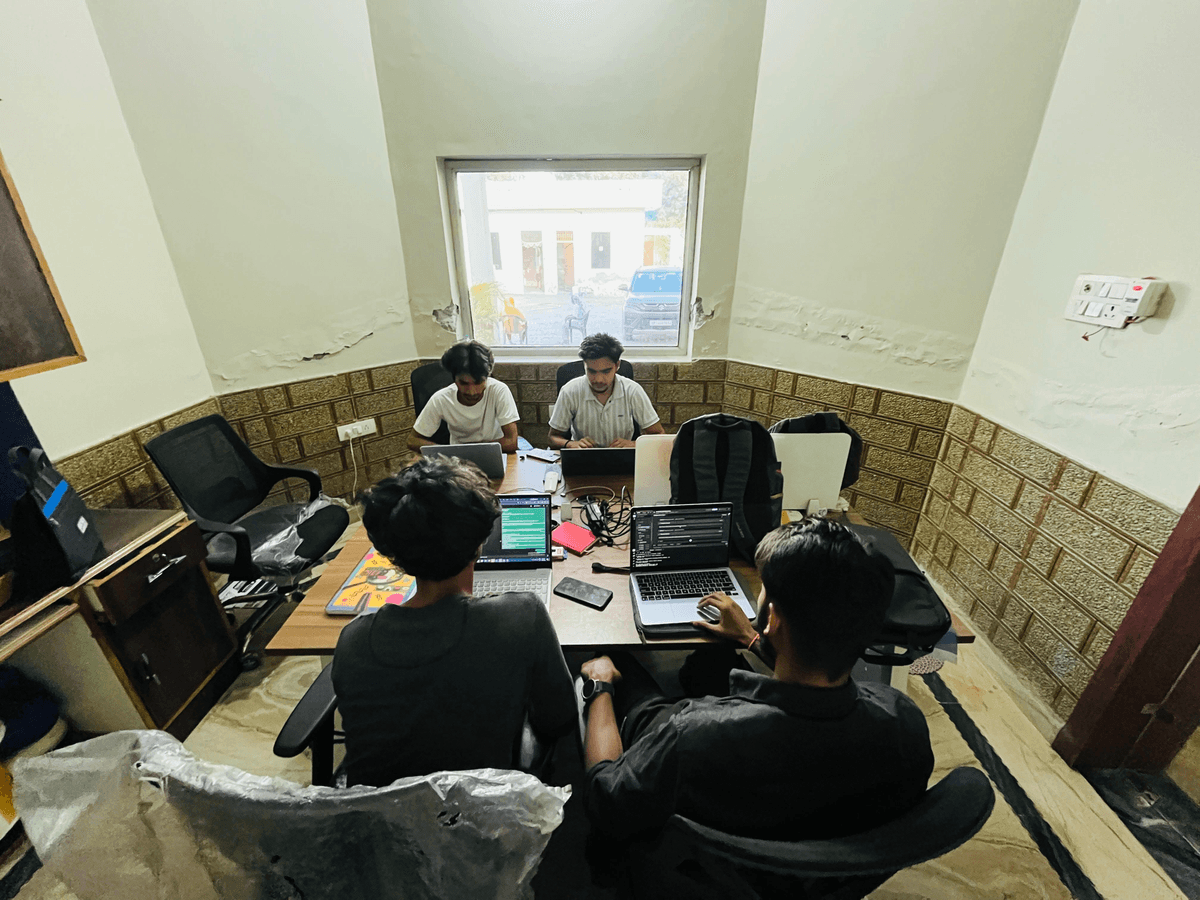
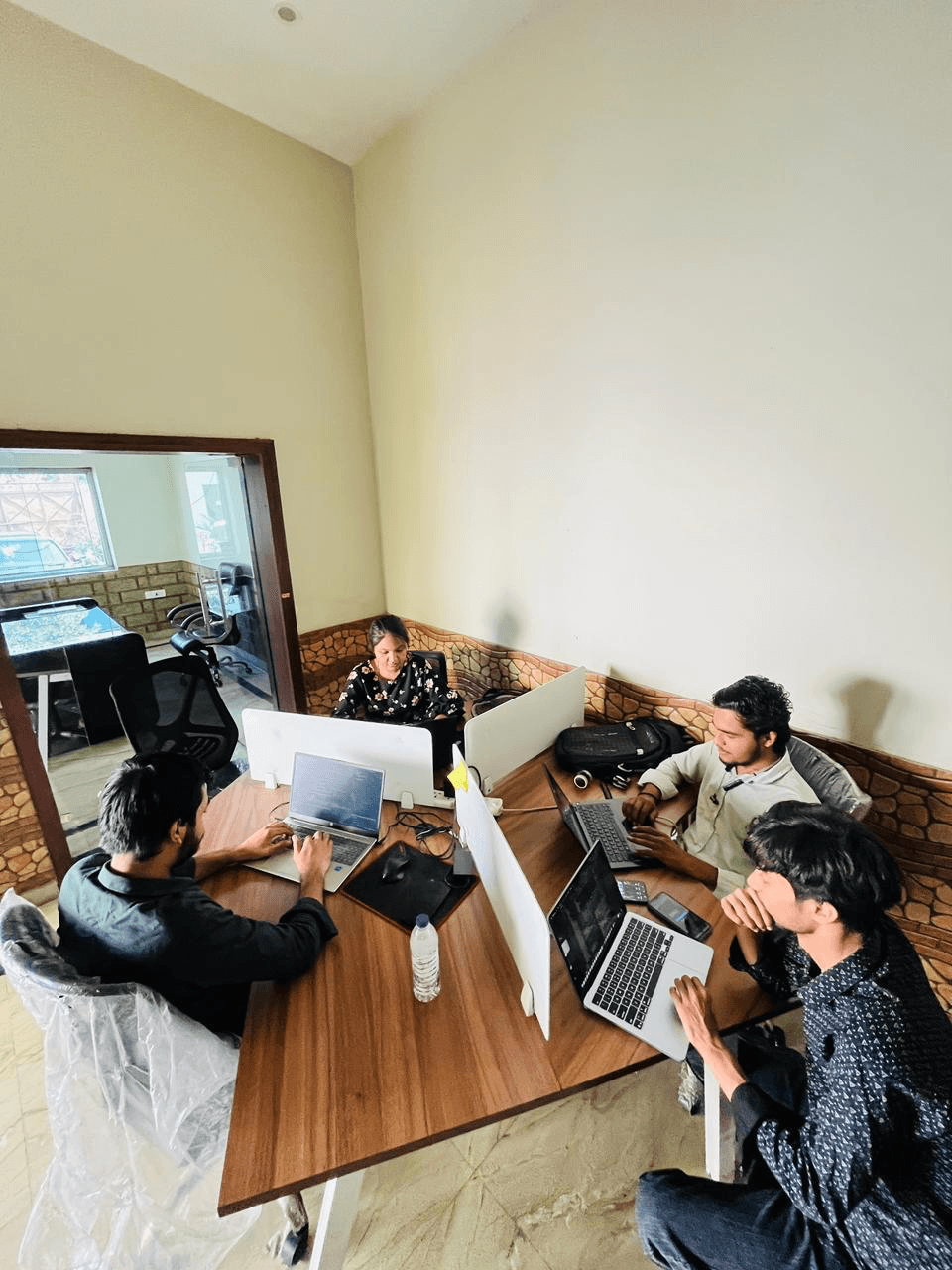
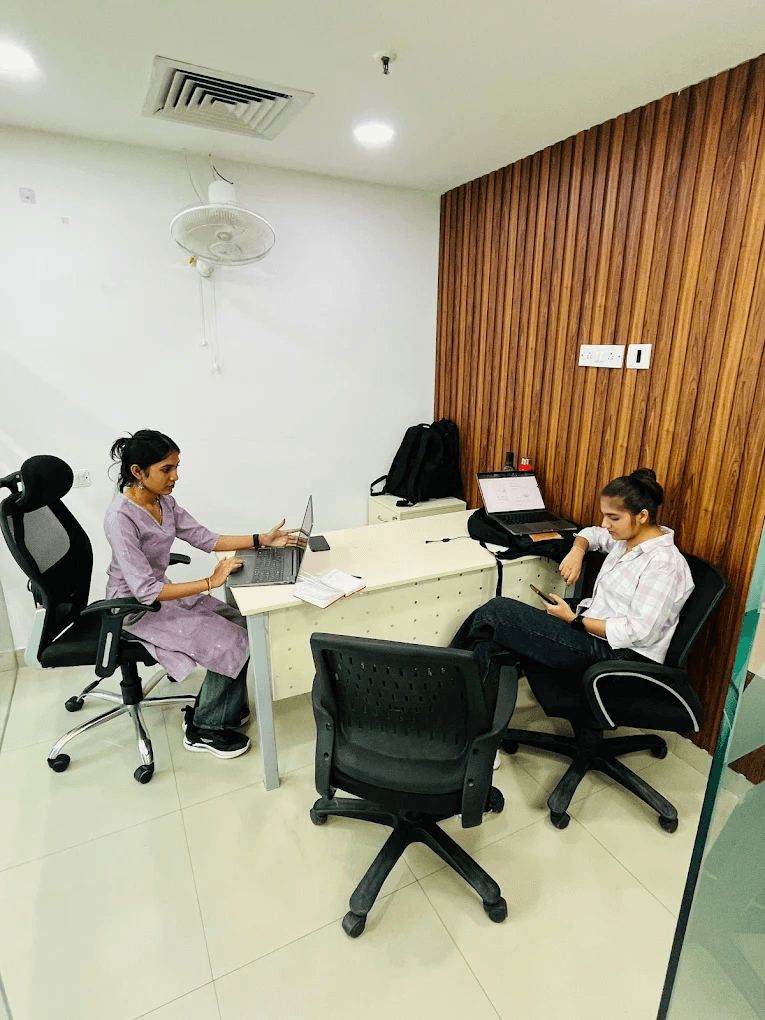
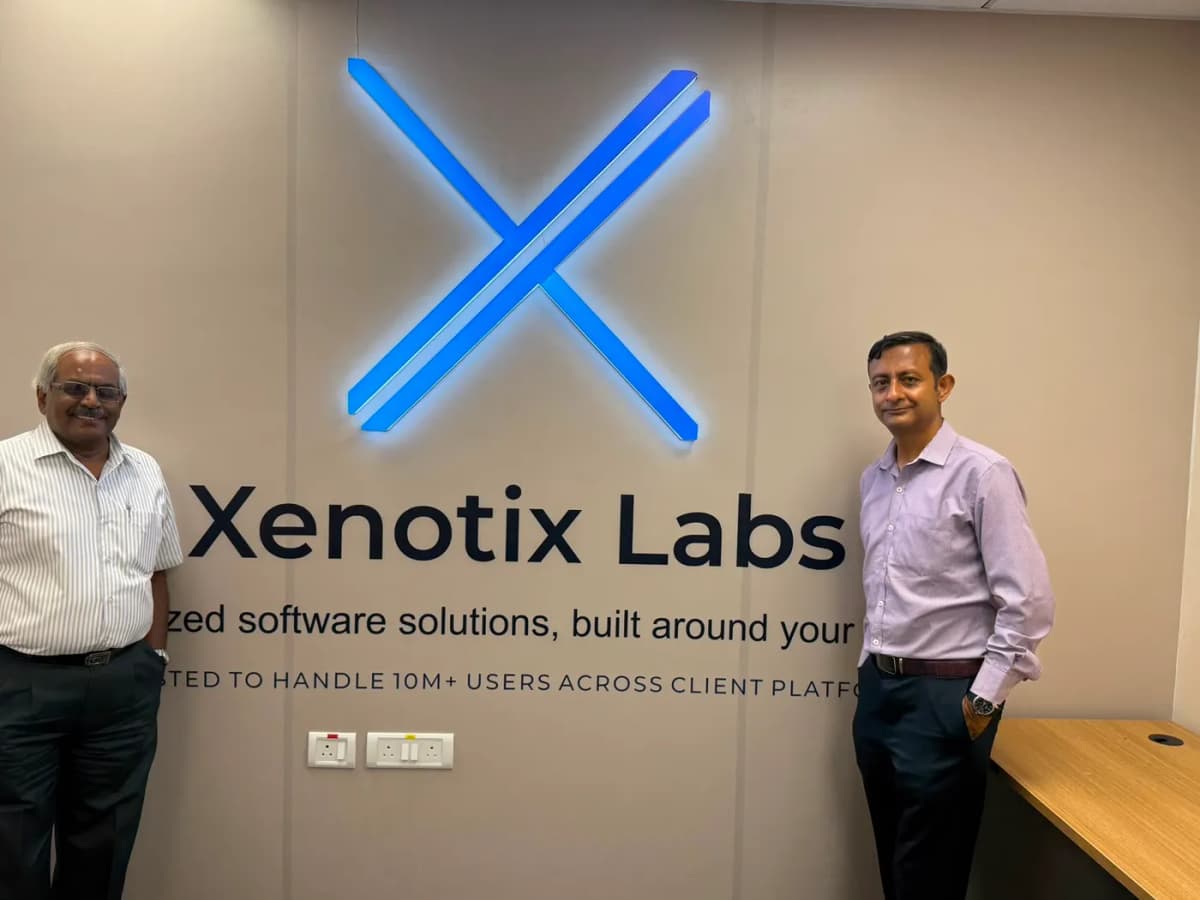
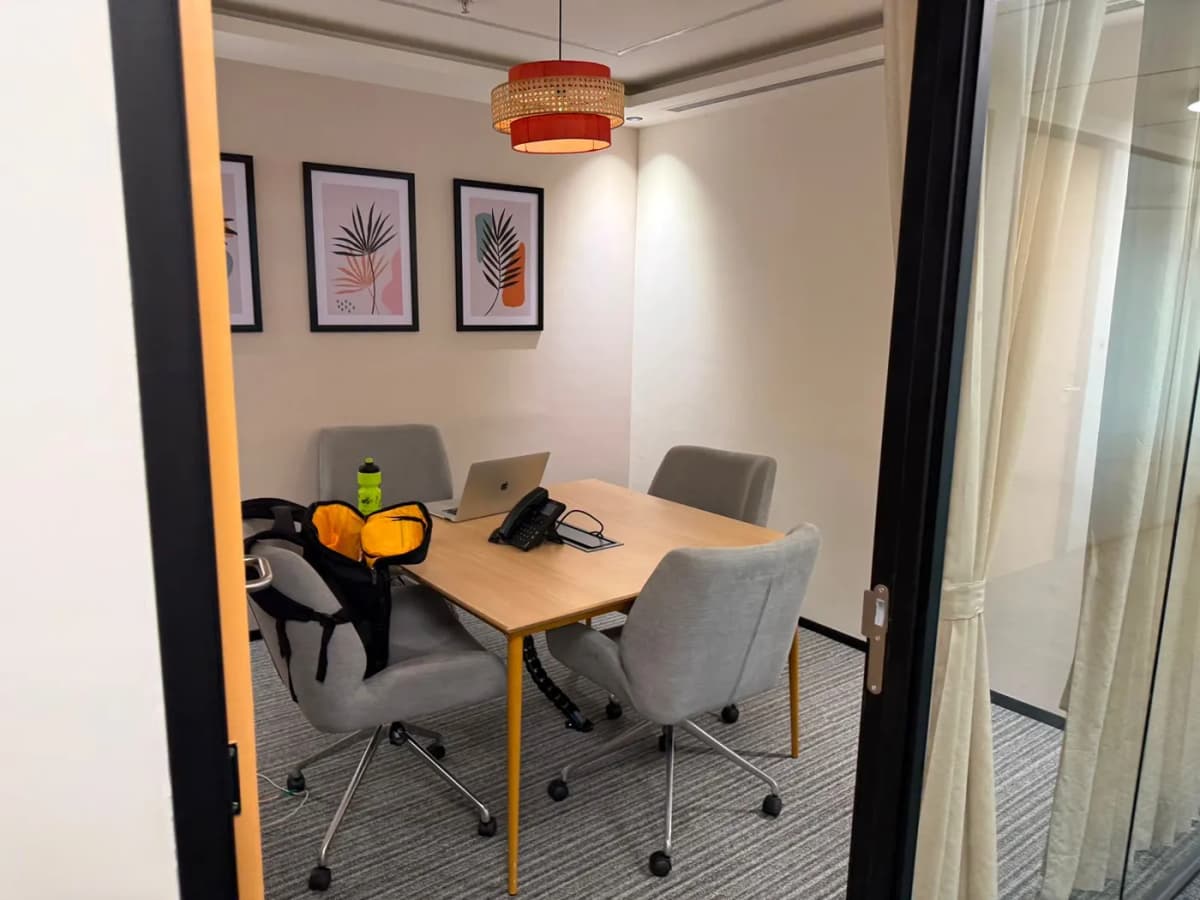
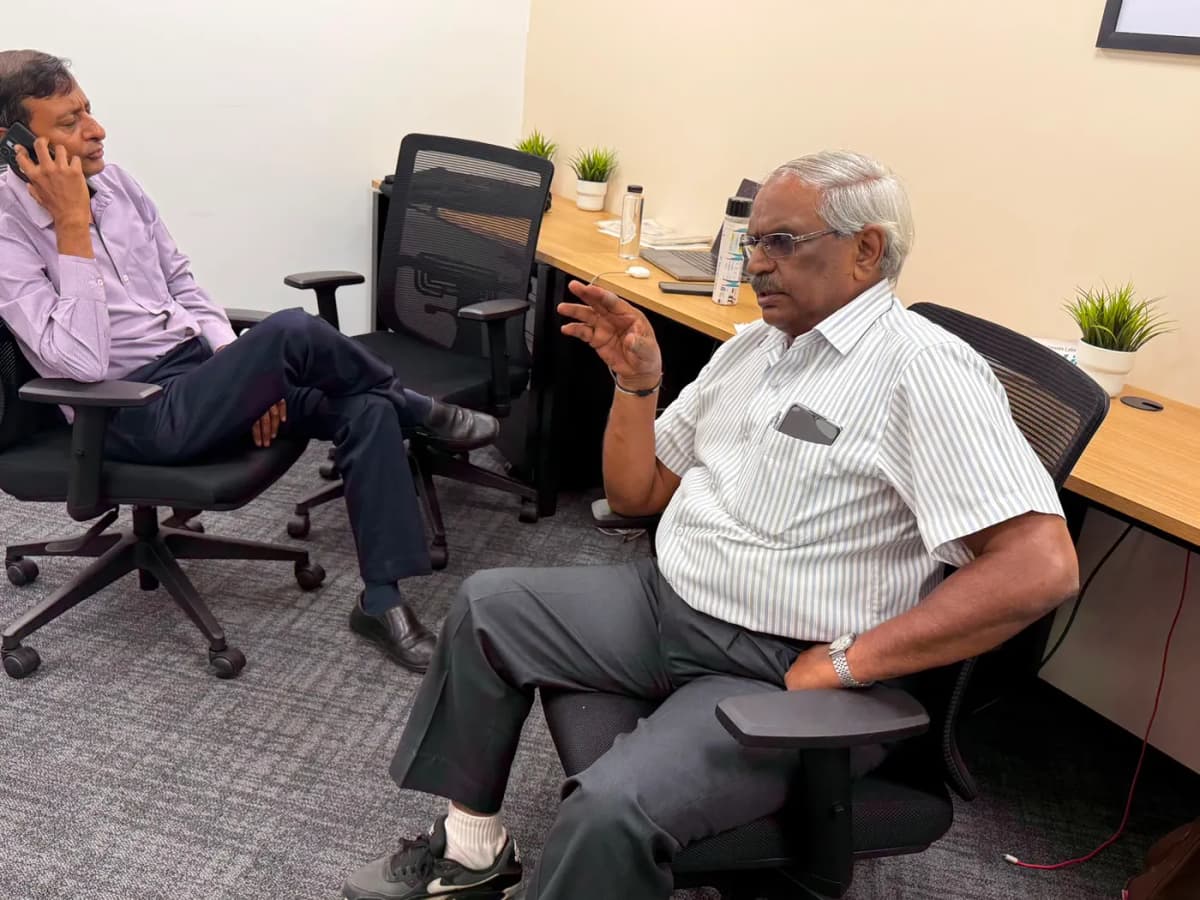
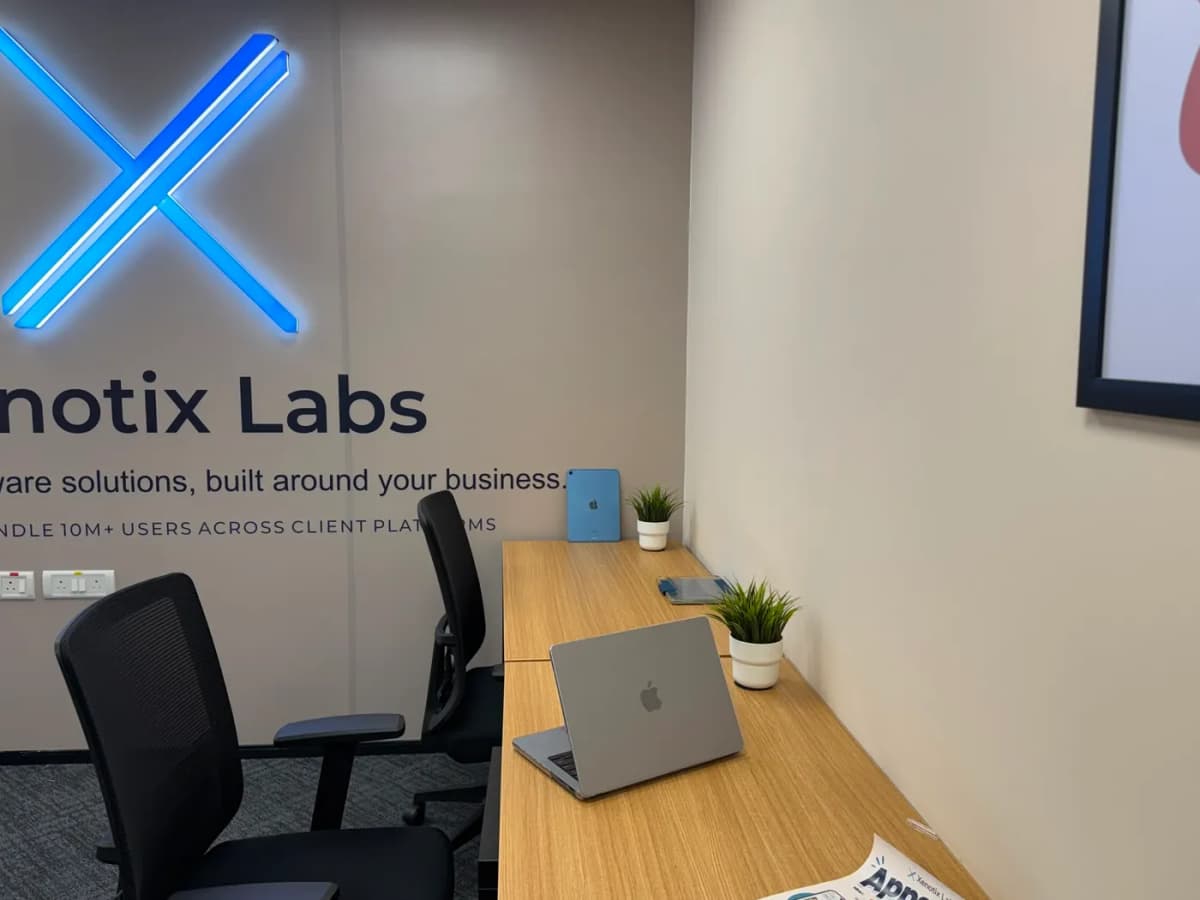
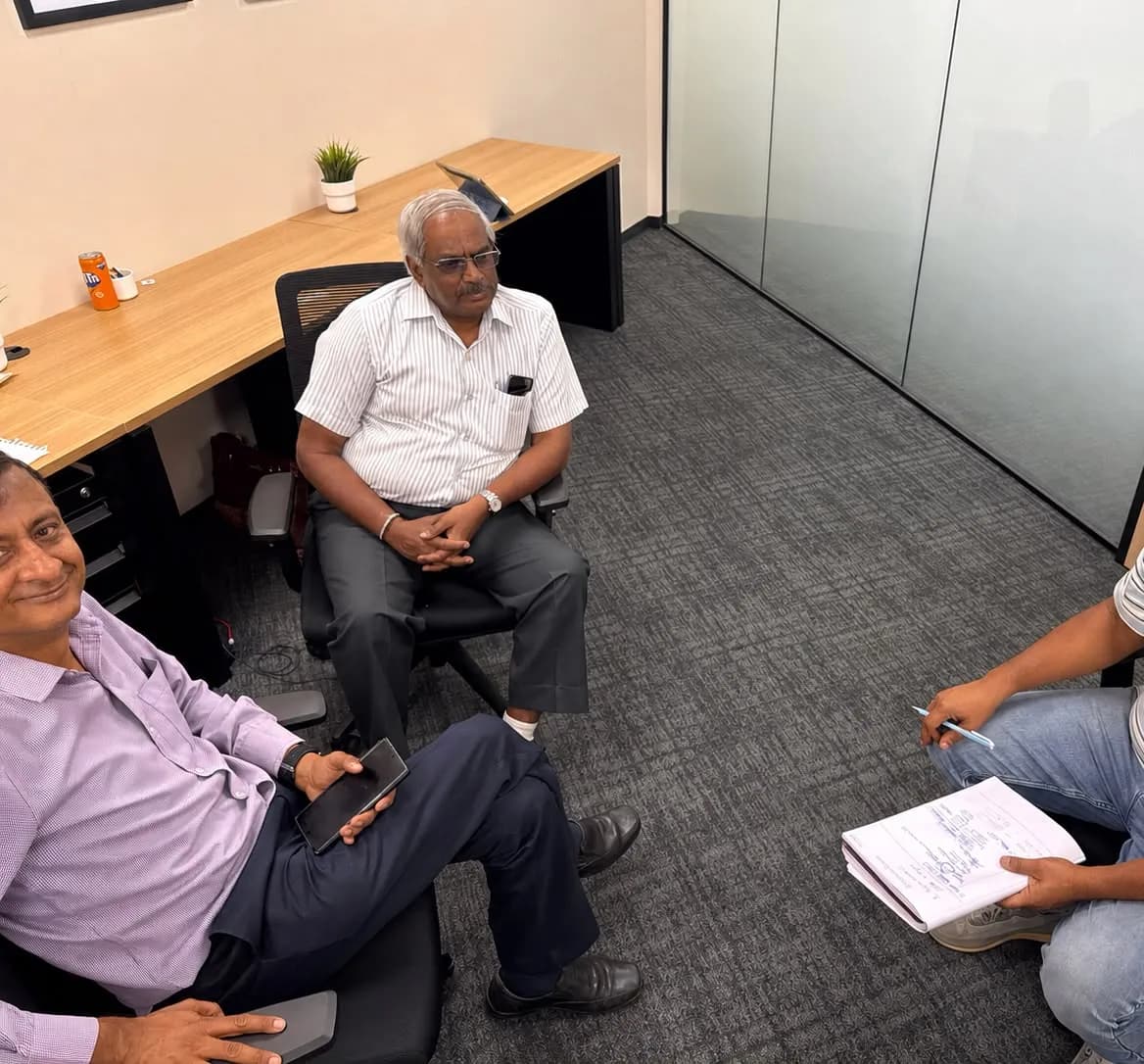
We are honest about scope and about how we work. Xenotix now has a Bengaluru office at Regus, Nagavara (North Bengaluru) — meet the team there by appointment — and we deliver from our India HQ on IST hours, with weekly demos, a shared Slack channel and in-person kickoffs in Bengaluru when they earn their keep. Your first launch should prove one service zone, one or two vehicle classes, cash plus UPI, and a working driver payout cycle. Surge, wallets, ratings, referrals, corporate accounts and multi-city expansion are all real and buildable, but stacking them into version one inflates cost and delays the launch that actually validates whether Bengaluru riders book and drivers drive.