
How food delivery apps actually get built for the Dubai market
Building a Talabat or Careem Now-class food delivery app for Dubai requires three distinct apps coordinated through one backend: a customer app (browse restaurants, order, track delivery, pay in AED), a rider/driver app (accept orders, navigate to pickup, deliver, mark complete), and a restaurant/admin panel (menu management, order acceptance, kitchen dashboard, settlements). All three share authentication, payments, location, and real-time order-state propagation. This is a Scale-tier architecture in our pricing model — AED 117,000-281,000, 5-9 month timeline.
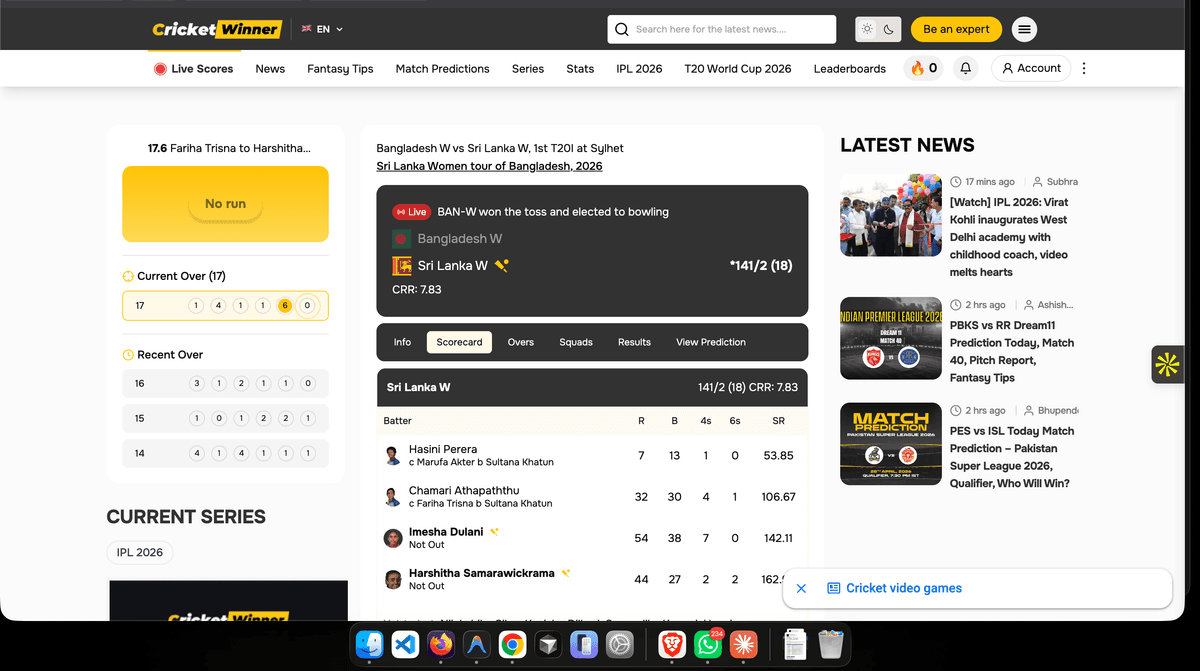
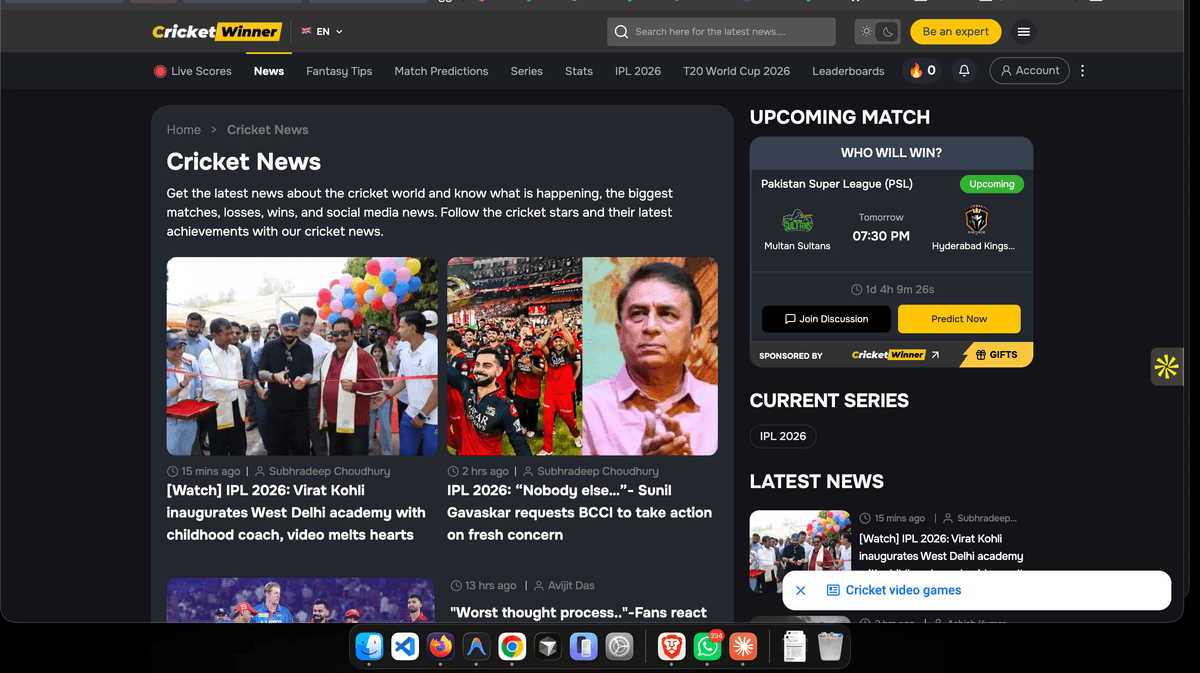
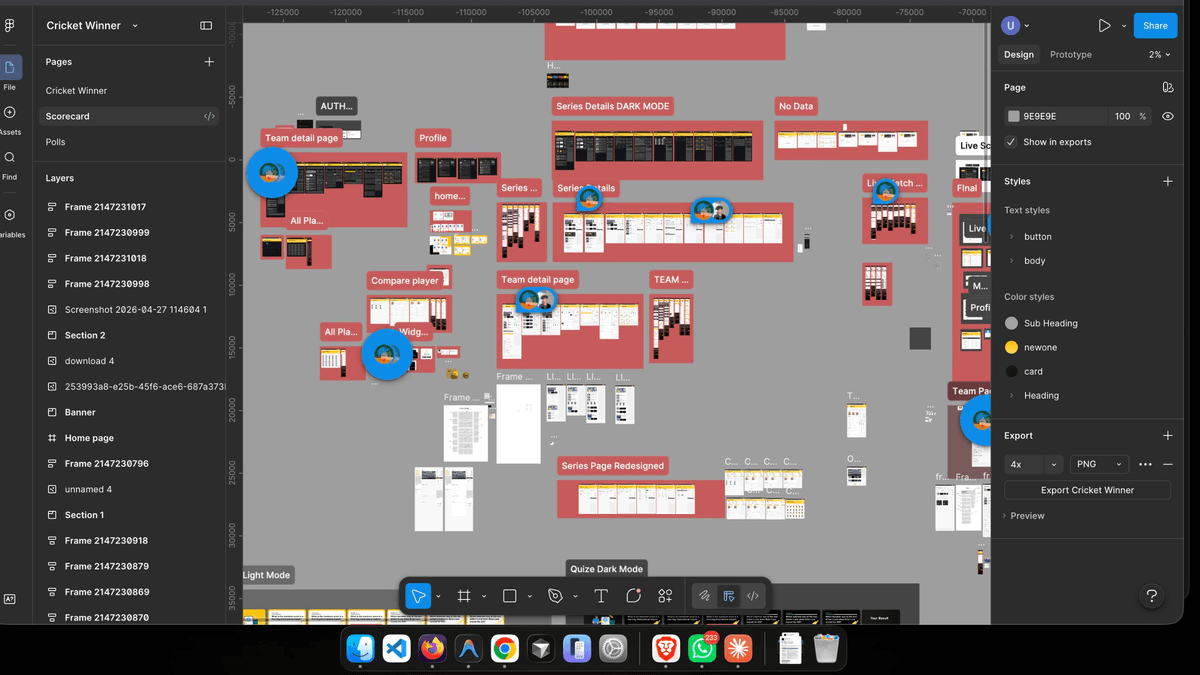
We have not yet shipped a Dubai-anchored food-delivery platform ourselves, but we have shipped the exact architectural patterns required across multiple production engagements. Cricket Winner's three-platform delivery (iOS app + Android app + Next.js web with shared backend) demonstrates the multi-app coordination pattern. Veda Milk's three-app D2C dairy suite (customer + delivery boy + admin) demonstrates the customer-rider-admin pattern with route optimization, recurring billing, and operational handoff. CrewMaster's customer-provider-admin services marketplace demonstrates the booking-flow + payment + ratings pattern.
For a Dubai food-delivery app, the architecture differences from generic markets are: Telr / PayTabs / Network International payment integration instead of Razorpay India, RTL Arabic + English bilingual content layer, integration with UAE-licensed delivery riders or DED-licensed self-employed delivery network, Dubai Municipality food-handler license validation in restaurant onboarding, AWS Middle East (Bahrain) deployment for low-latency to UAE end users, and compliance with the UAE Federal Decree-Law on Personal Data Protection.