
What it actually takes to build a Talabat clone for Dubai in 2026
Talabat is the dominant food delivery platform in the UAE — operating since 2004, acquired by Delivery Hero in 2015, and currently serving Dubai, Abu Dhabi, Sharjah, and the wider GCC. Cloning Talabat's surface-level features (browse restaurants, place order, pay, track delivery) is the easy part. Cloning Talabat's actual operational value — sub-second order-state propagation across customer-restaurant-rider, fraud-resistant payment flows, rider-matching at scale, multi-emirate logistics coordination, Arabic-first content management — is what takes 4-6 months of focused engineering work.
Below is the honest scope of a Talabat-clone build, the realistic AED cost, the technology decisions that actually matter (and the ones that do not), how the build differs from a generic food-delivery app for Indian or Western markets, and the architecture pattern Xenotix uses based on the three-app D2C systems we have shipped in production (Veda Milk, CrewMaster, Housecare Solutions).
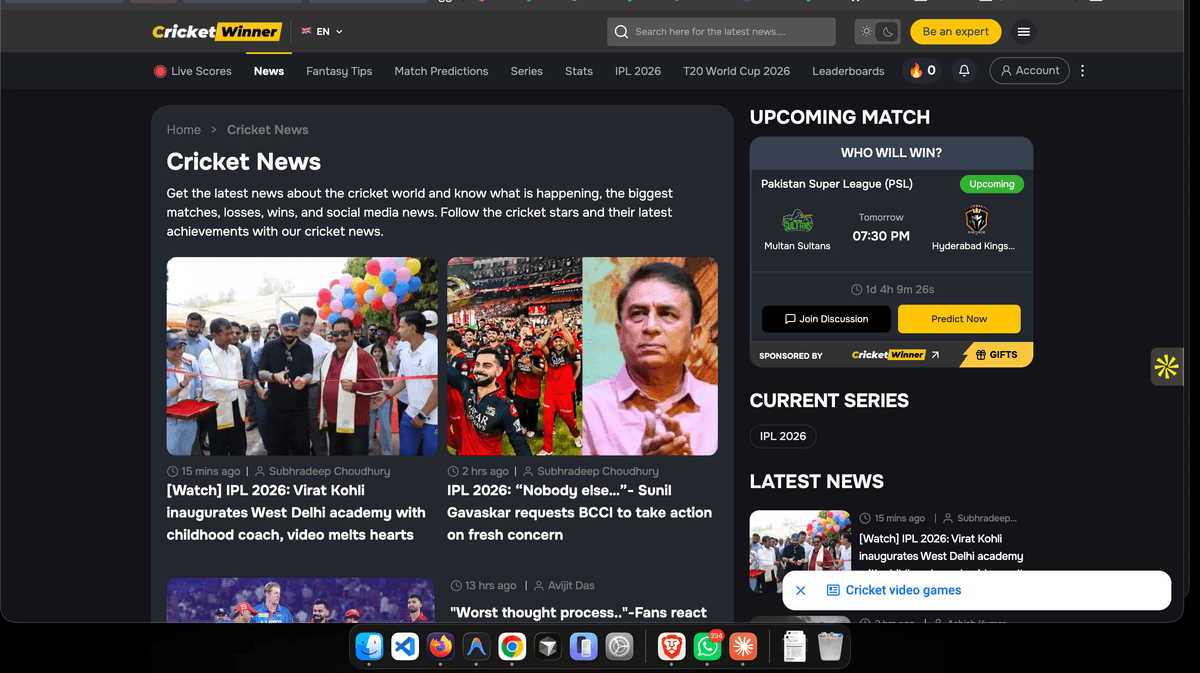
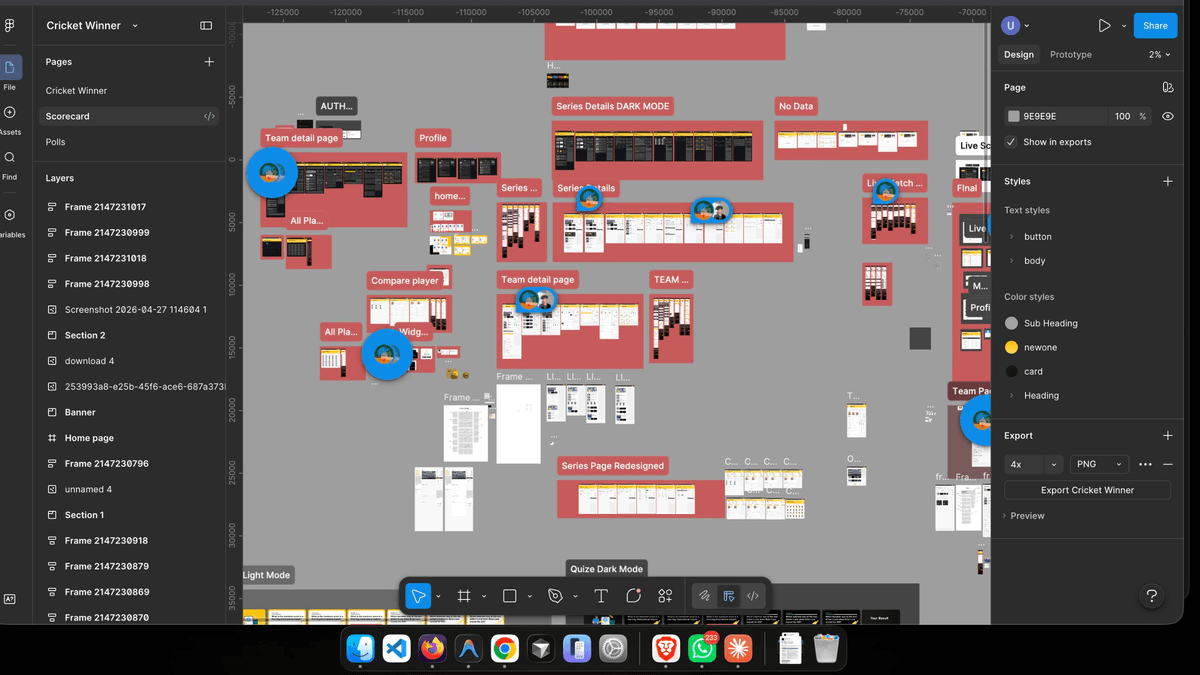
We have not yet shipped a Talabat-clone for a Dubai client specifically, but the architectural patterns we use — Flutter three-app suite, Next.js admin, Node.js + PostgreSQL backend, WebSockets for real-time, RabbitMQ for async, AWS Middle East — are exactly what Talabat-class platforms run on. Cricket Winner is our anchor proof that this stack scales to UAE-class real-time traffic.