
What it actually takes to build a Careem clone for Dubai in 2026
Careem (acquired by Uber in 2019, operating independently) is the dominant ride-hailing platform across the UAE, KSA, and the wider GCC. Cloning Careem's surface (request ride, see driver coming, pay, rate) is the easy part. Cloning Careem's actual operational value — Dubai RTA-compliant driver onboarding (driver license verification, vehicle registration, RTA-issued ID), low-latency dispatch with surge pricing during peak hours, multi-vehicle-class support (Economy, Business, SUV, Hala Taxi integration), Arabic-first content management, fraud-resistant payment flows — is what takes 4-7 months of focused engineering.
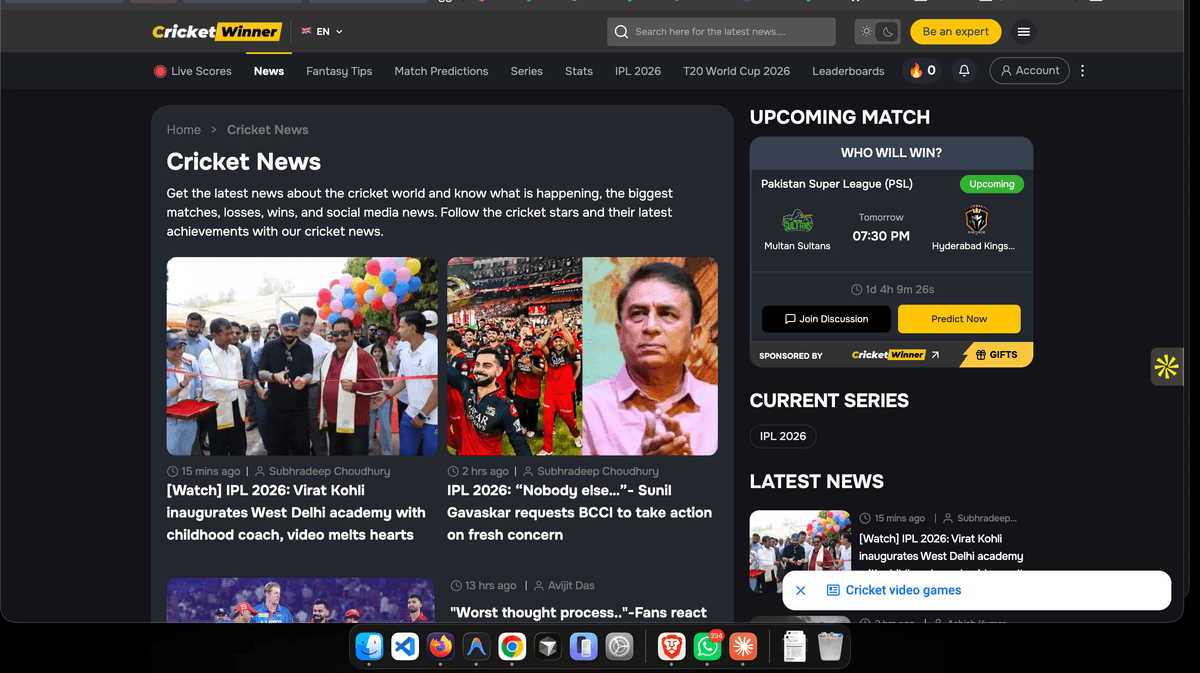
Carvia is our closest mobility engagement to a Careem-clone — a self-drive plus chauffeur car rental platform we shipped with customer app + driver app coordination, booking workflow, AED payments, vendor dispatch via RabbitMQ. The architecture transplants directly to Dubai ride-hailing with the addition of RTA-compliance work, real-time GPS tracking at sub-second latency (Cricket Winner WebSocket pattern), and Dubai-specific dispatch zones.
Below is the honest scope of a Careem-clone build, AED pricing tiers, technology decisions and reasoning, the architectural pattern based on Carvia + CrewMaster + Veda Milk three-app systems we have shipped, RTA-compliance considerations, and the FAQ Dubai mobility founders ask in scoping calls.