







Hire Next.js developers in India — senior React web engineers from a team backed by NITians and IITians, salaried, on your IST clock, at transparent INR rates
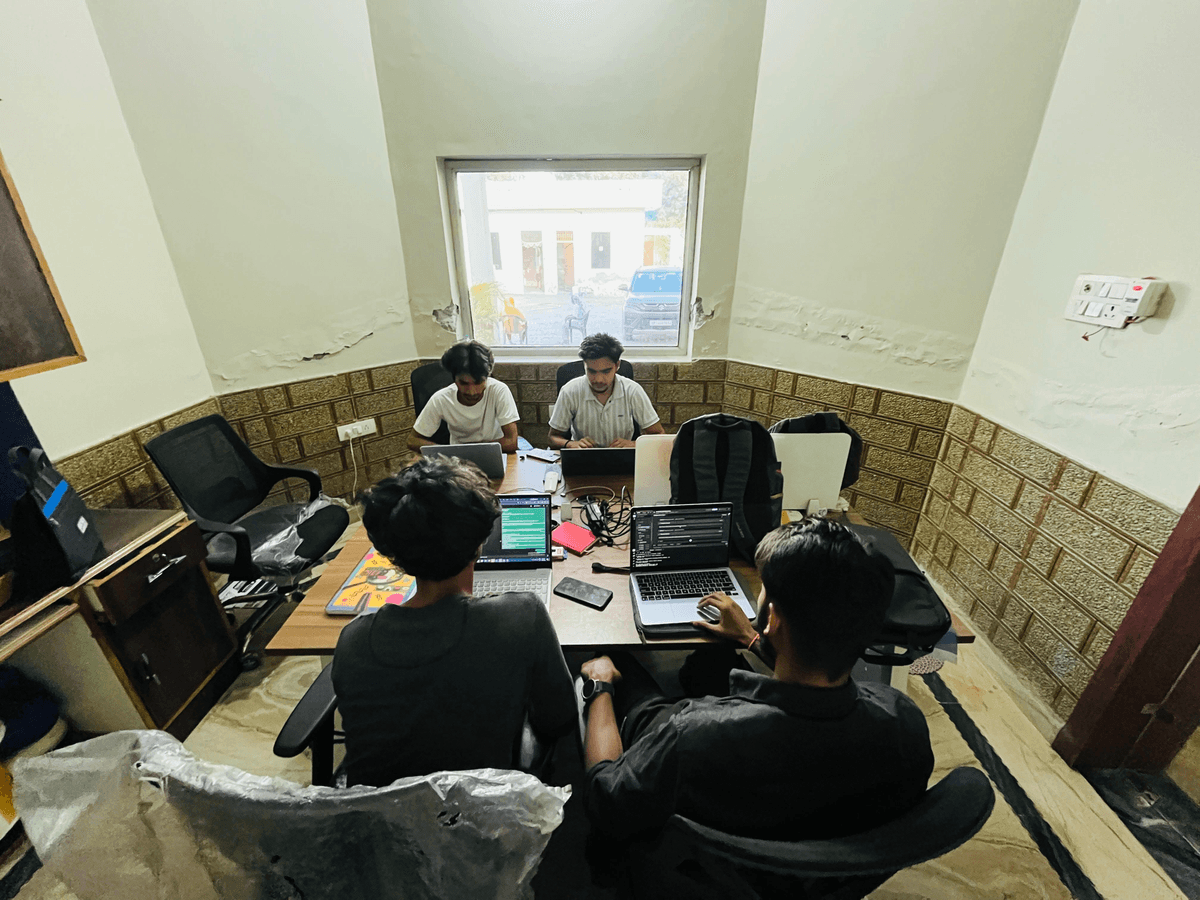
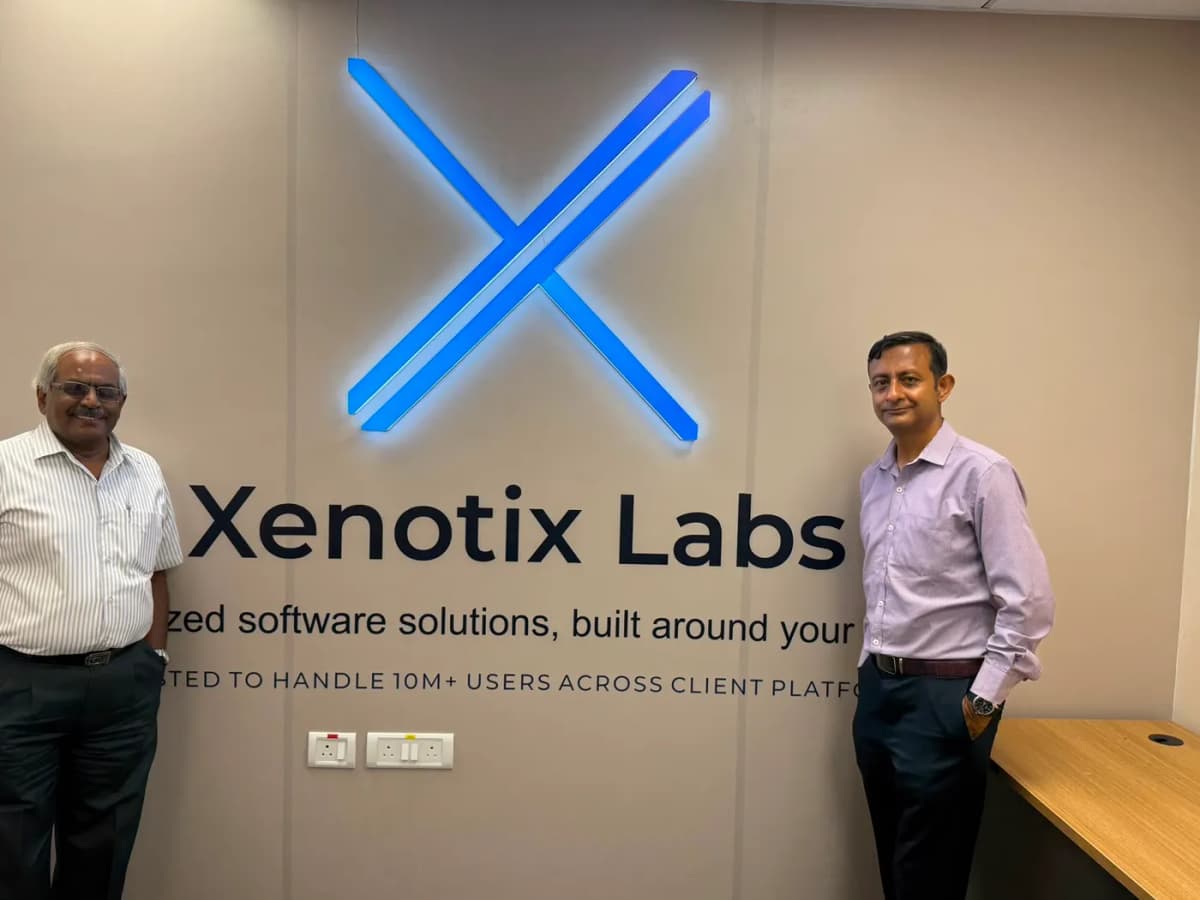
Founders search for 'hire Next.js developers' when a web product has outgrown a landing page and needs real engineering — a SaaS dashboard, a marketing site that ranks, server-rendered pages that survive traffic. The honest problem is supply: strong Next.js talent is scarce and expensive to hire full-time, and freelance marketplaces are full of profiles claiming App Router fluency you can only discover is thin after the invoice clears. Xenotix Labs closes that gap. You bring on a salaried, in-house Next.js engineer from a team that genuinely includes NIT and IIT alumni, pre-vetted and NDA-covered, and skip the hiring funnel entirely.
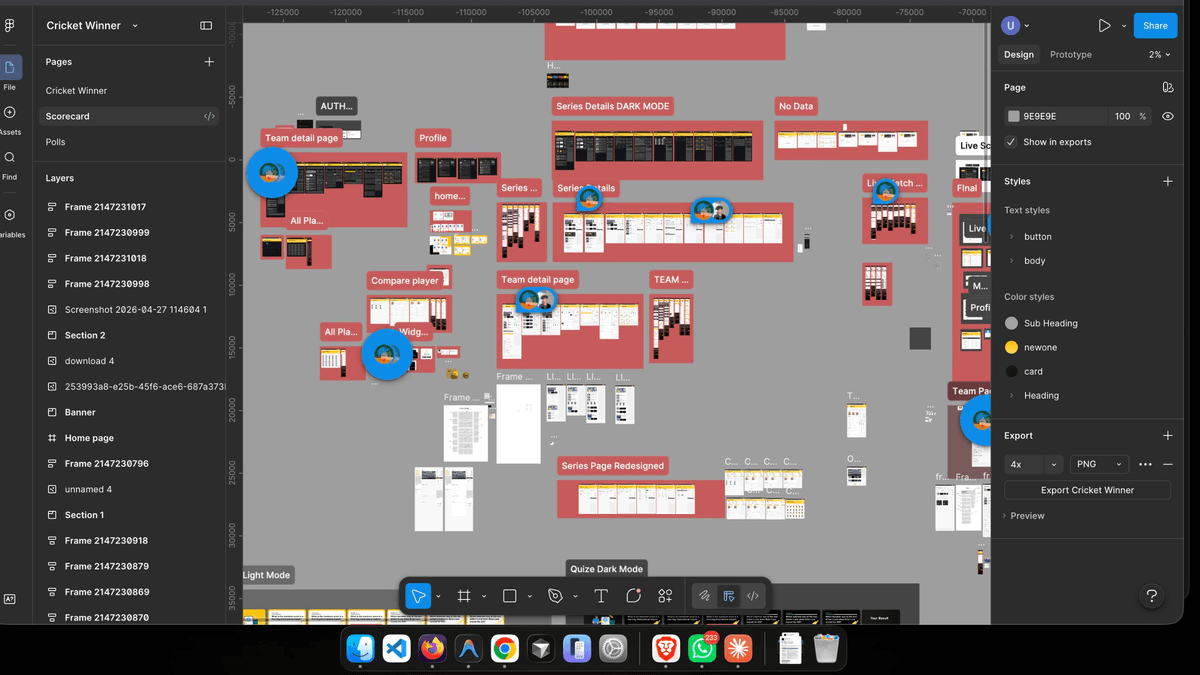
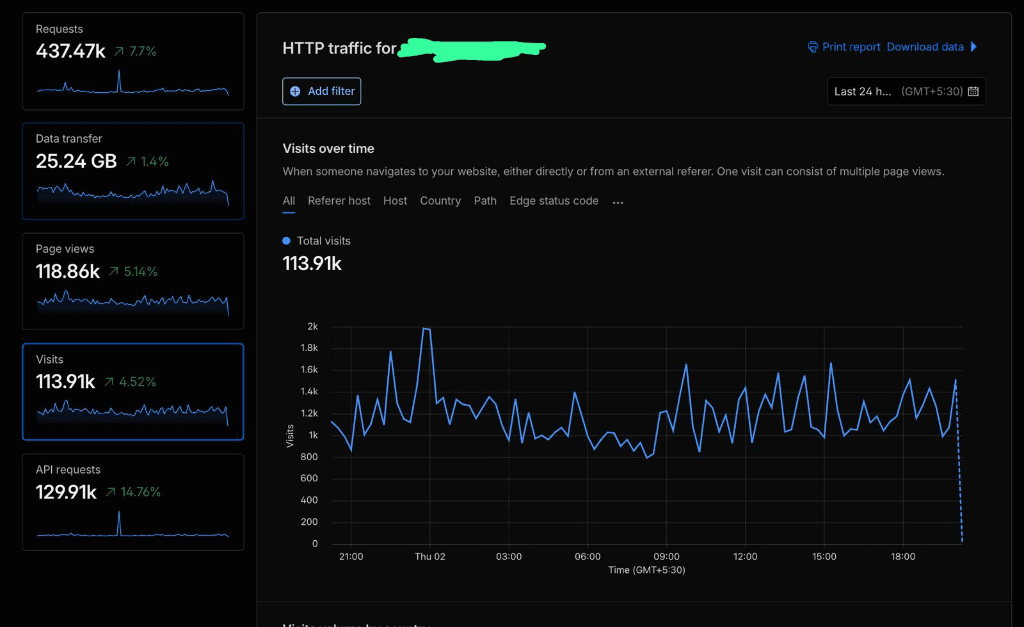
This is not a framework we picked up for your brief. Xenotix Labs' own website runs on Next.js, and our engineers reach for the App Router, Server Components, SSR, ISR and static generation every week across client work. That matters because Next.js rewards judgement more than syntax — knowing when to stream, when to cache, when to render on the server versus the client is the difference between a fast product and a slow one. The developer you hire brings those patterns already earned, not a learning curve billed to your runway, and the same engineering bar our NIT/IIT-alumni-backed team sets on code review and system design.
The App Router is where that judgement shows most. Next.js now defaults to React Server Components, where the page renders on the server and ships almost no JavaScript to the browser, and to a nested layout and streaming model that lets a slow data panel load without blocking the rest of the page. Used well, that means a dashboard that paints instantly and hydrates only the interactive islands; used carelessly, it means a wall of 'use client' directives that throws away every advantage the framework offers. Our engineers have internalised where the server boundary belongs, how server actions replace a whole tier of API glue, and how to keep a codebase your own team can still read a year later — the patterns you would otherwise pay a senior hire months to discover in production.
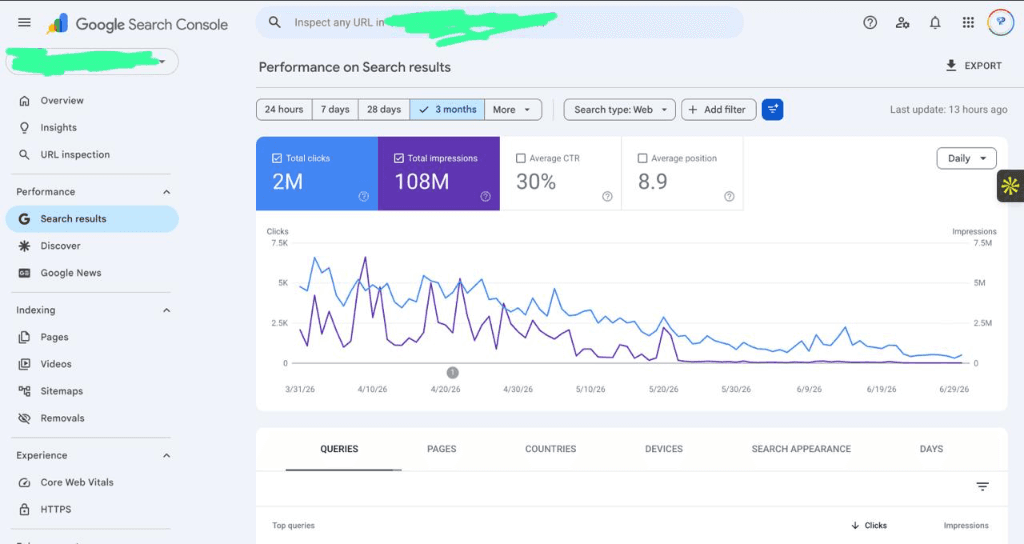
Rendering strategy is the other place seniority earns its rate. A marketing page wants static generation or ISR so it serves from the edge in milliseconds and still refreshes when content changes; a per-user dashboard wants SSR or client fetching so it is always current; a high-traffic listing wants ISR with on-demand revalidation so it stays fresh without rebuilding the whole site. Getting this mix right is what produces clean Core Web Vitals — the LCP, CLS and INP scores Google now weighs in ranking — and a product that feels fast rather than one that merely looks finished in a design mock. The Next.js developer you hire treats these as deliberate engineering decisions, not defaults left wherever the starter template put them.
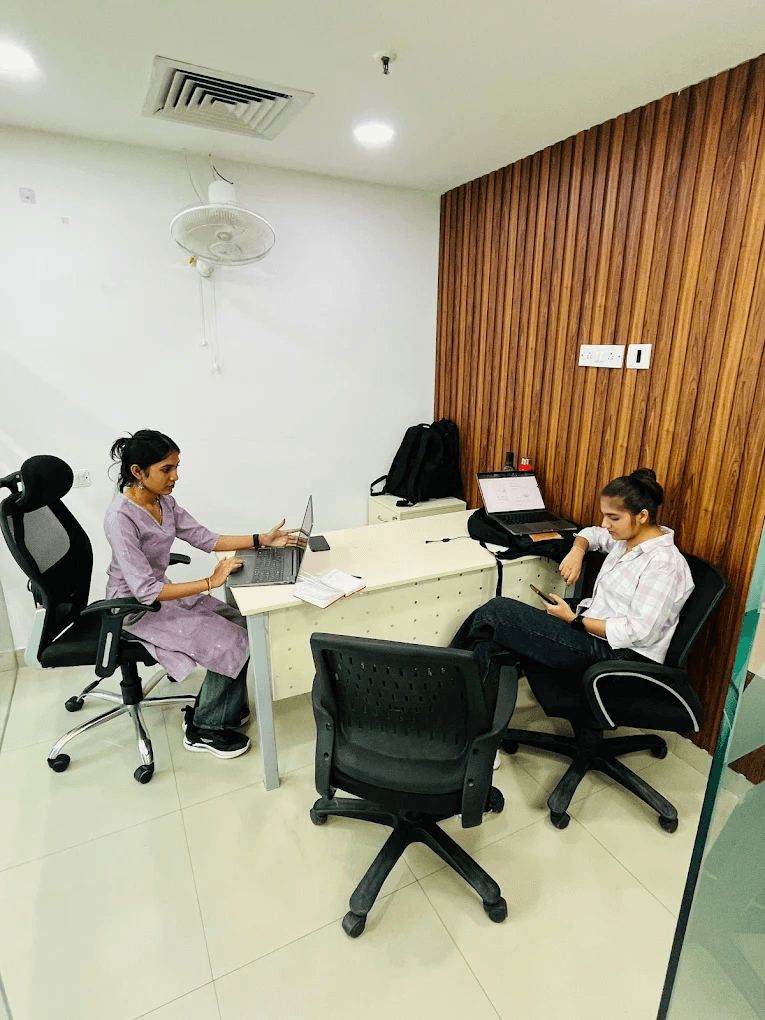
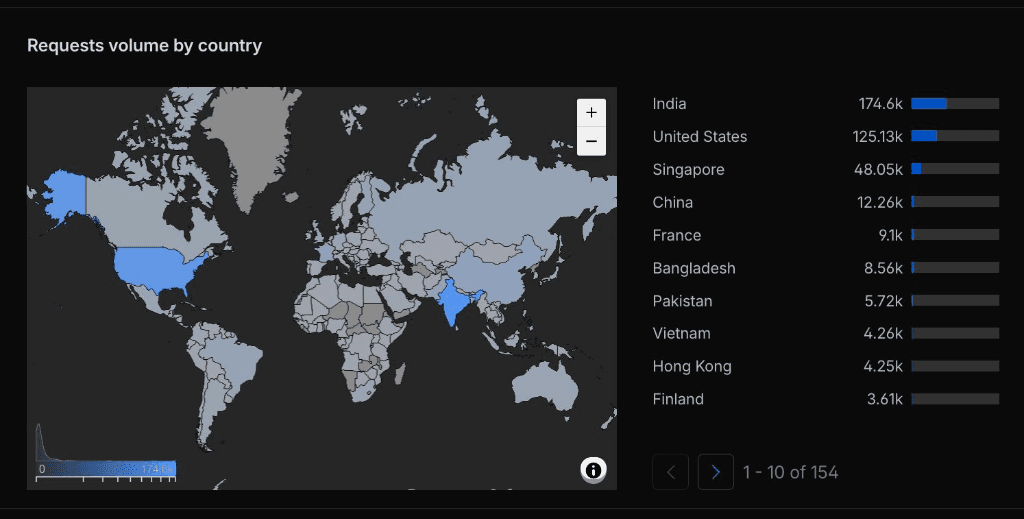
Being an India-based team on IST is a real advantage over the alternatives founders usually weigh for web work. A US contractor is asleep through much of your day; an Eastern-Europe developer overlaps for a few hours; an offshore vendor turns every design question into a 24-hour round trip. Our engineers run standups in your morning, reply in Slack while you are at your desk, and demo a working deploy on your Friday. Whether you are in Bengaluru, Delhi NCR, the US, the UK or the UAE, that overlapping rhythm is the difference between a week of shipped features and a week of waiting on a handoff.
We keep the commercials as clean as the code. Rates are published in plain INR: a dedicated senior Next.js developer runs ₹1.2L–₹2L a month (roughly $1,400–$2,400), part-time ₹60K–₹1L, and hourly ₹1,500–₹2,500 — with a one-week trial before you commit to a dedicated hire and no long-term lock-in on any model. You own all code, repositories and IP from day one under an explicit transfer clause and a mutual NDA, deployed to your own Vercel or AWS accounts. Start with one engineer for an MVP, scale to a small pod for launch, drop back to part-time after release — the model bends to your stage instead of forcing an enterprise contract.