



Hire senior .NET developers in India — C#, ASP.NET Core, Azure and enterprise-backend engineers who are salaried, IST-aligned, and priced in transparent INR
Founders and engineering leaders search for 'hire .NET developers in India' when a product outgrows a thin backend and needs a real enterprise spine — an ASP.NET Core service with proper security and an audit trail, microservices that scale independently on Azure, a Web API a mobile app and enterprise partners can depend on, an Entity Framework data layer that stays correct under load. .NET is where that weight has landed for large organisations for two decades, because it is the platform Microsoft-aligned enterprises trust for systems that must stay correct and maintainable at scale. Xenotix Labs staffs exactly that engineer: salaried, in-house, drawn from a team that includes NIT and IIT alumni and has taken 110+ products to production for 50+ brands running in production for years. You hire a .NET developer who has shipped ASP.NET Core services, EF Core schemas and large REST surfaces into products serving real, paying users.
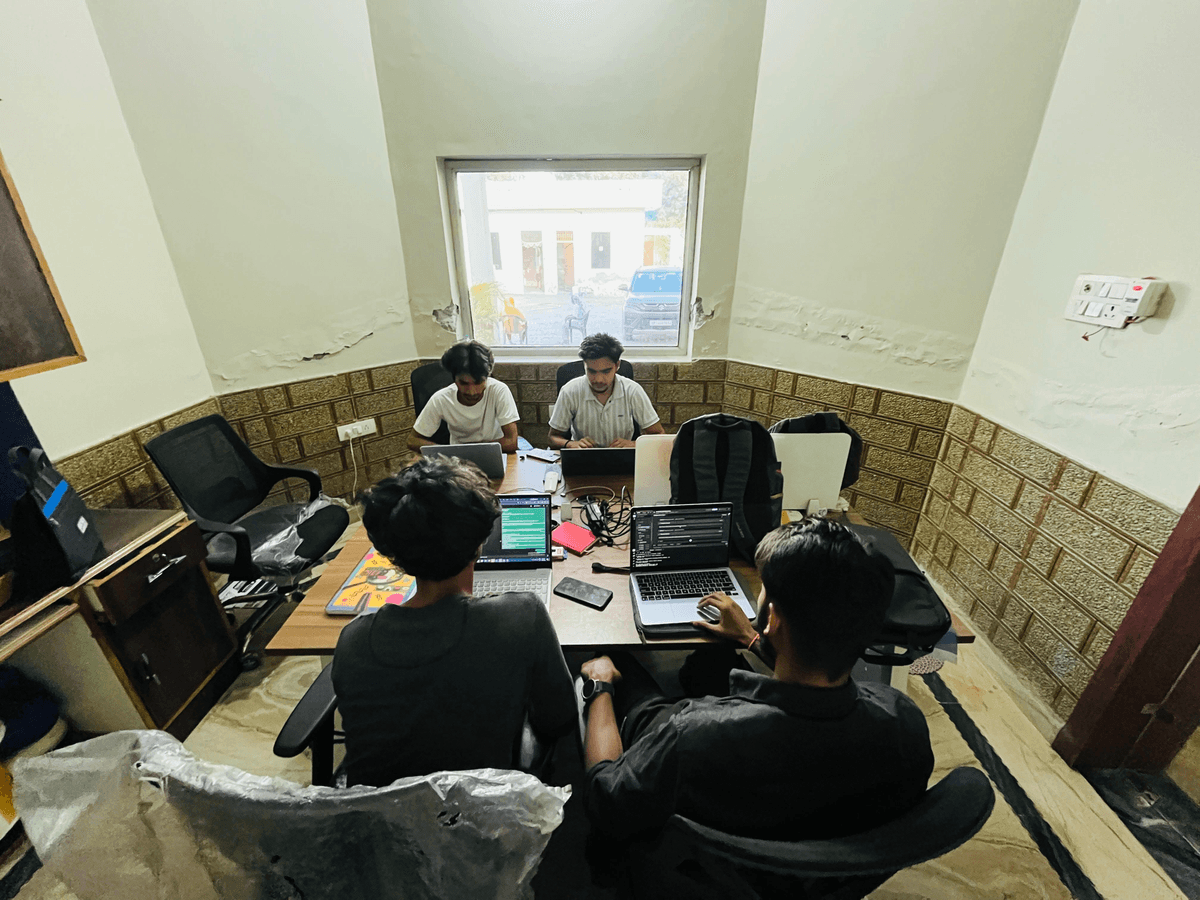
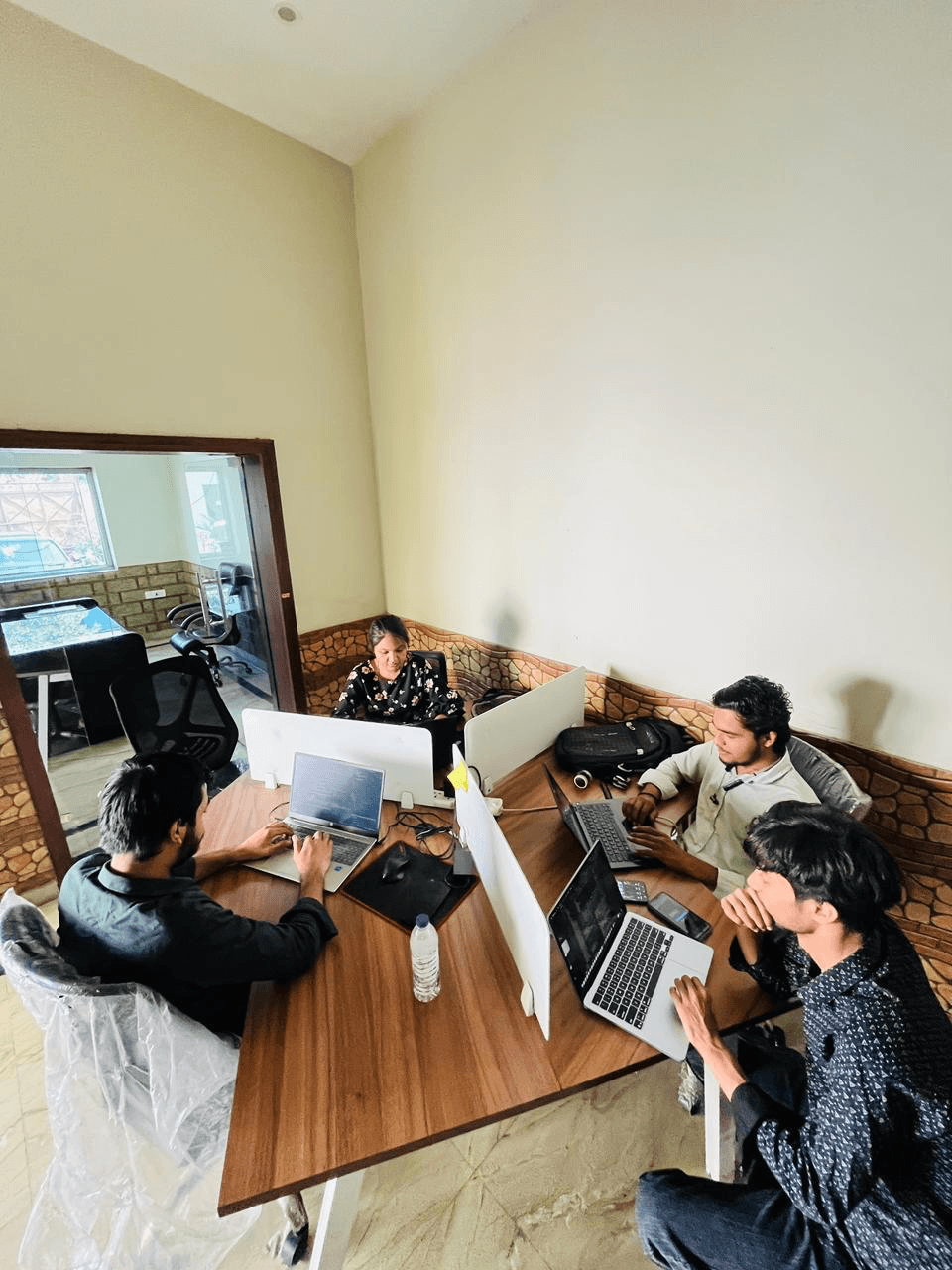
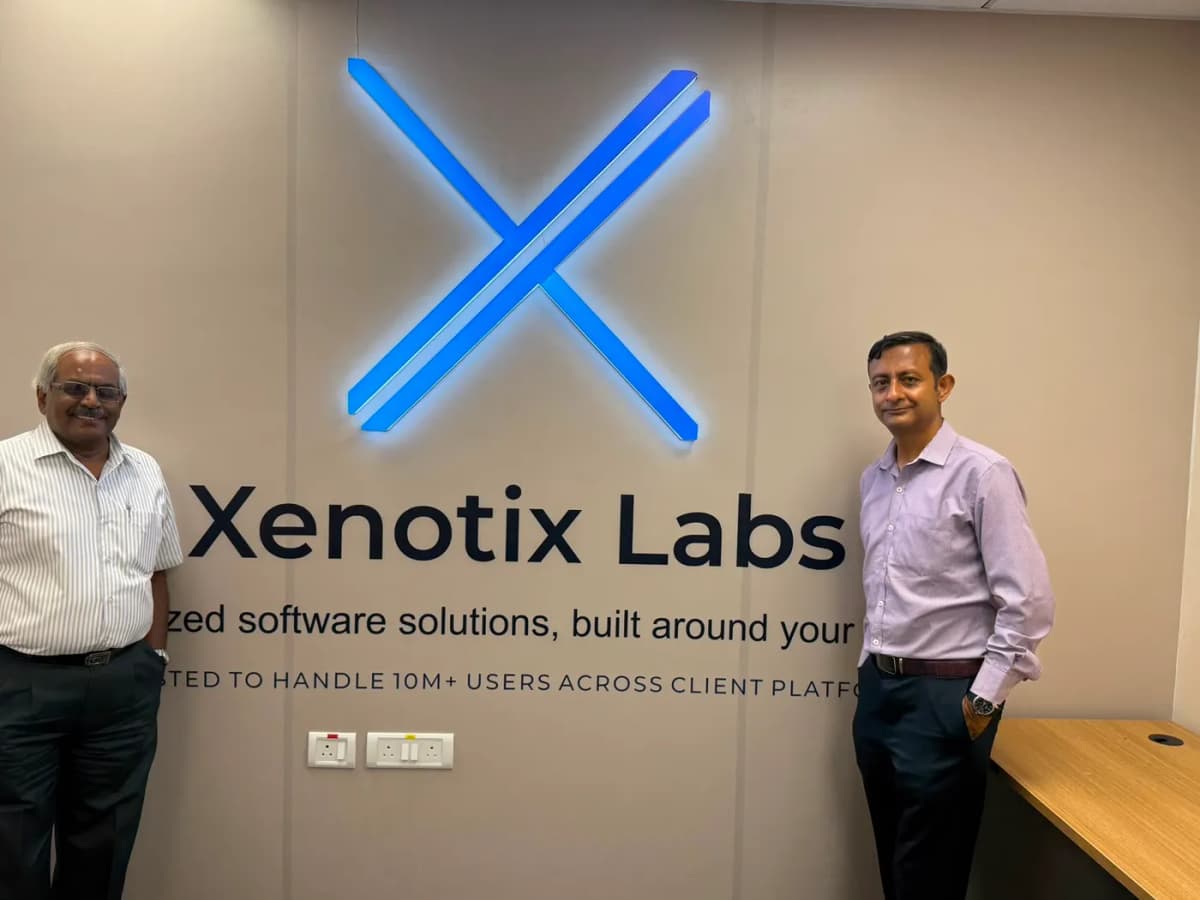
The distinction that matters most is salaried versus freelance. A marketplace C# profile is optimising for their next gig, juggling three clients, and free to vanish the week your launch slips — and you often discover their 'ASP.NET Core expertise' is thin only after the invoice clears. Our engineers are employees on a payroll, covered by NDAs, inside our code-review and branch-protection process, and backed by a bench if someone is out. You hire depth and continuity, not a rating and a risk. We are honest about the team too: it includes and is led by NIT and IIT alumni — among them NIT Kurukshetra and IIT Bombay — but we will never invent a name, a batch year or a rank to win a deal. What you get is a blended senior team where that pedigree sets the engineering bar on every commit and every review.
Our .NET engineers build the way enterprise backends should be built: layered, tested, and secure by default. They ship with ASP.NET Core and the wider .NET 8 ecosystem — ASP.NET Core Identity and Azure AD for auth and RBAC, Entity Framework Core for persistence, built-in dependency injection, middleware and model validation throughout — where a service must be maintainable for years. When a platform needs to scale, they decompose it into microservices along real business boundaries, wired with API gateways, health checks and resilience policies, and lean on Azure Service Bus and message queues to move high-throughput events so an order, a payment or a claim status flows reliably instead of blocking a request thread. Underneath sit SQL Server and PostgreSQL, mapped cleanly with EF Core and tuned for real query patterns, and because the same team writes C# across the board, an ASP.NET Core backend and a Blazor front end share engineers who speak one language end to end.
Being an India-based team on IST is a real advantage over the alternatives founders weigh for enterprise backend work. A US contractor is asleep through much of your workday; an Eastern-Europe developer overlaps a few hours; an offshore vendor two zones away turns every service-contract or schema-versus-API question into a 24-hour round trip. Our .NET engineers run standups in your morning, reply in Slack while you are at your desk, and demo a working Azure deploy on your Friday. Whether you are in Bengaluru, Delhi NCR, the US, the UK or the UAE, that overlap is the difference between a week of shipped services and a week of waiting on a handoff — and it matters especially for microservices, where a broken inter-service contract, an EF migration conflict or a Service Bus consumer lag needs one quick conversation to clear, not an overnight ticket that keeps the incident open while everyone sleeps.
Why hire .NET developers from India in 2026? The economics are decisive: a salaried senior .NET engineer here costs a fraction of a US or UK equivalent, while India's C#, ASP.NET and enterprise-backend talent pool is one of the deepest in the world, hardened on exactly the banking, insurance, ERP and commerce systems that run on the .NET platform. But the real Xenotix wedge is transparency and structure — published INR rate cards, salaried engineers with genuine accountability, 48-hour onboarding, a 1-week paid trial, mutual NDAs, and 100% IP transfer from day one, deployed to your own Microsoft Azure subscription. Rates are plain INR: a dedicated senior .NET developer runs ₹1.2L–₹2.2L a month (roughly $1,400–$2,600), part-time ₹60K–₹1.1L, and hourly ₹1,500–₹2,700 — a team with continuity, not an hour of someone's evening between three other clients.
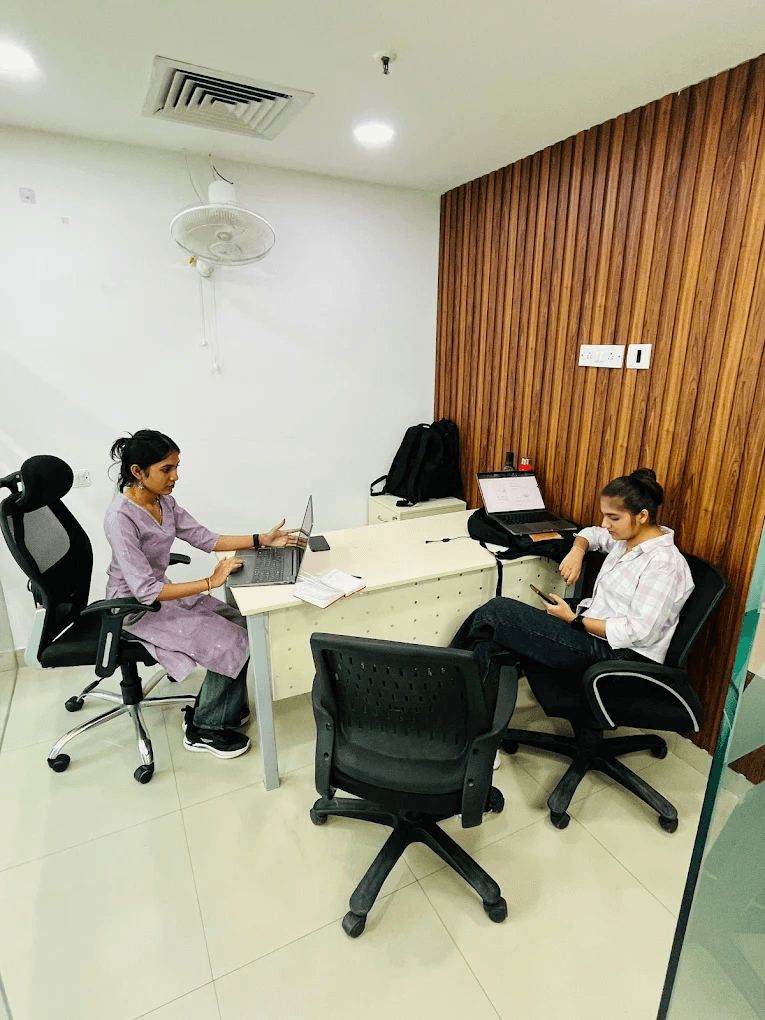
The vetting bar is deliberately high, and the engagement bends to your stage rather than forcing an enterprise contract on a seed-stage team. Every .NET engineer on our bench writes clean, idiomatic C#, has shipped at least one ASP.NET Core service to production, can reason about EF Core change tracking and an N+1 query on SQL Server, knows where to split a monolith into microservices and where not to, and can build a retry-safe queue consumer on Azure Service Bus that doesn't double-process on redelivery. Start with one engineer for a backend MVP, scale to a pod for launch, drop back to part-time after release. We are based in Modinagar/Noida, work fully on IST with overlap for your day, and serve Bengaluru from our office at Regus, Nagavara (North Bengaluru), with in-person meetings and weekly demos — backed by our 4.7★ (76+ reviews) record.