

How the Build-Operate-Transfer (BOT) model works with Xenotix Labs — and why founders choose it over a cold-start captive
Build-Operate-Transfer is the highest-commitment way to go offshore, and for the right company it is the smartest. Instead of hiring a scattered set of freelancers or renting a body-shop bench, you get Xenotix Labs to Build a real development center in India for you — recruited, staffed with salaried engineers, provisioned on AWS Mumbai, and configured with the security, delivery, and reporting processes you would eventually want to own. The center is yours in intent from day one; we simply carry the setup risk and the operational load through the early, hardest phase. When the center is mature and productive, we Transfer it to you in full. You inherit a running team, not a hiring problem.
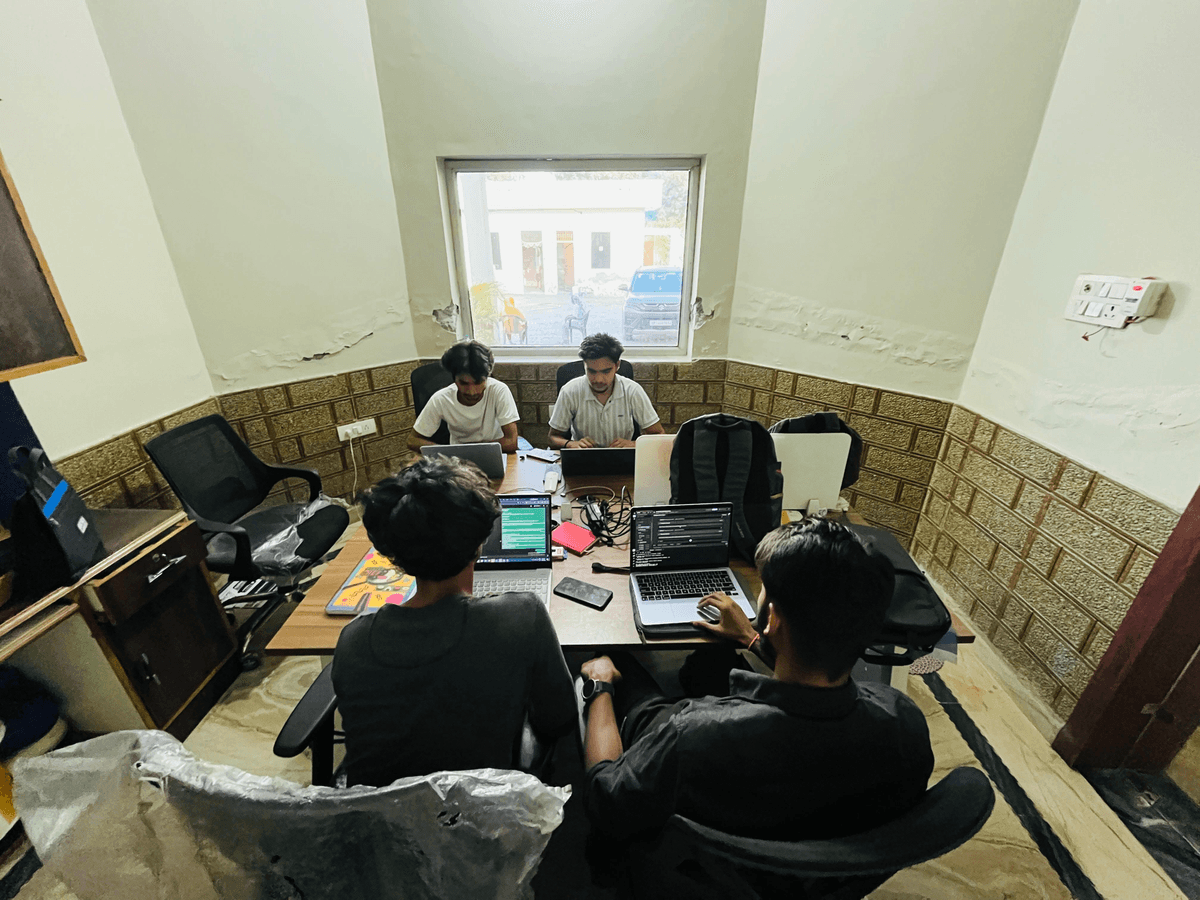
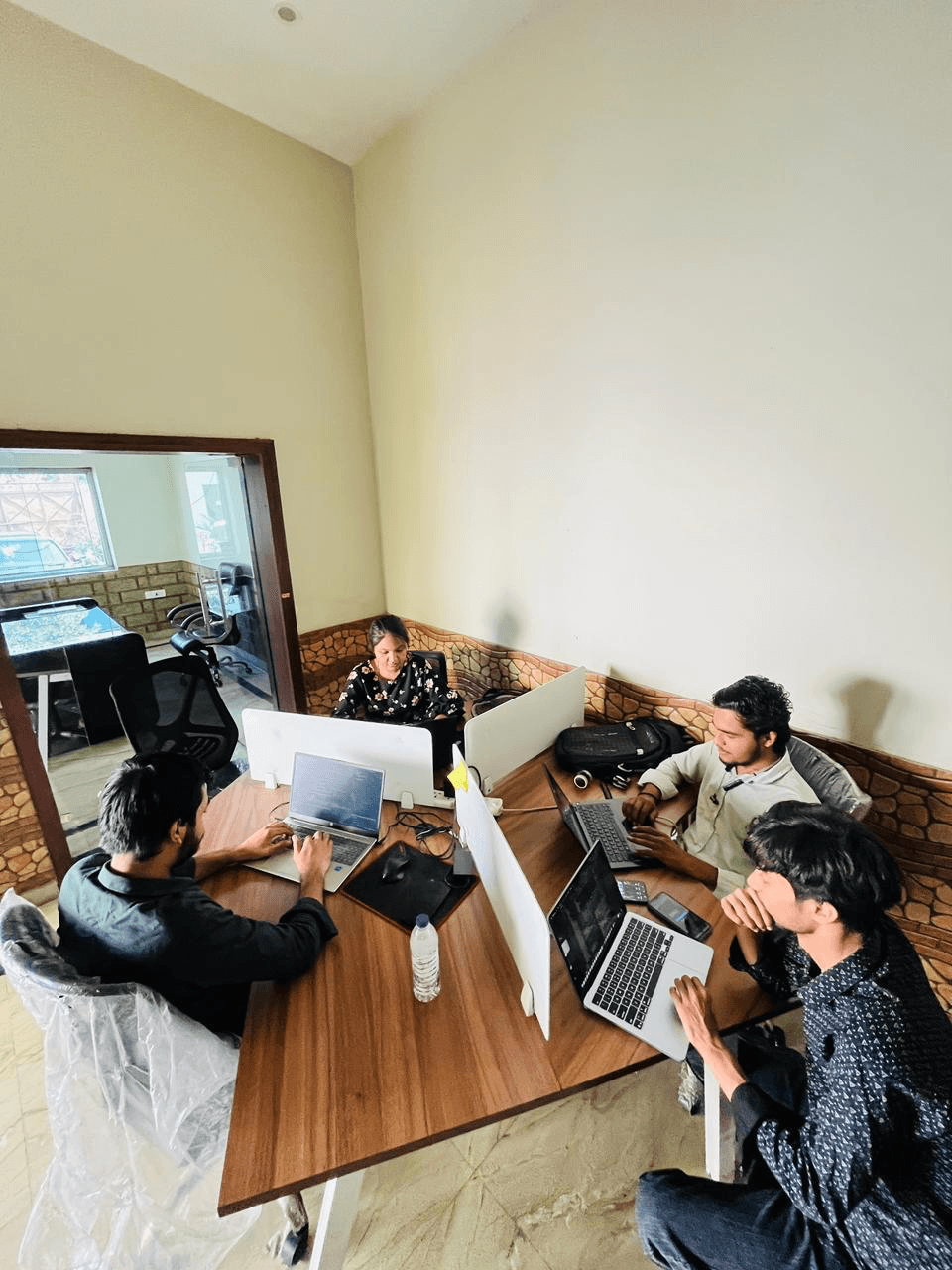
The Build phase is where most offshore captive attempts quietly fail, and it is exactly the phase we absorb. Standing up an offshore development center from scratch means building a hiring pipeline in a competitive Indian talent market, screening for real engineering depth rather than resume keywords, negotiating salaries, setting up payroll and HR, provisioning cloud infrastructure and security, and establishing a delivery culture that ships. Xenotix has done this repeatedly to build a team that has shipped 110+ apps for 50+ brands reaching over 10M users. We recruit salaried engineers — including alumni of NIT Kurukshetra and IIT Bombay — onto your center, and we can move from signed engagement to first sprint kickoff in about 48 hours because the recruiting, NDA, and onboarding machinery already exists.
The Operate phase is where you get the value of a captive center without the overhead of running one. We manage the team day to day — payroll, HR, retention, engineering leadership, sprint delivery, and reporting — while your product ships on our IST-aligned schedule with generous overlap for US, UK, UAE, and Australia stakeholders. You are billed a transparent per-FTE monthly Operate fee, and code ownership is yours throughout, not just at the end. Crucially, the engineers running your center during Operate are the same salaried people who will transfer to you later. There is no swap to a junior team, and no institutional knowledge walking out the door at handover — the people who built your product are the people you inherit.
The Transfer phase is the part competitors are strangely quiet about, so we put it in writing. Over a defined transition window, typically one to three months, we migrate the employment of the salaried engineers to your legal entity or preferred structure, hand over the complete codebase and repositories, transfer ownership of AWS and third-party accounts, and run documented knowledge-transfer sessions so your leadership can run the center unaided. You receive 100% of the IP and a self-sufficient team, with no continuing lock-in. Our BOT pricing is deliberately transparent — a one-time Build fee, a per-FTE monthly Operate fee, and a one-time Transfer fee, each published as an INR range on this page. Most mid-size agencies hide these numbers behind a sales call; we would rather you plan the total cost of ownership with real figures in front of you.
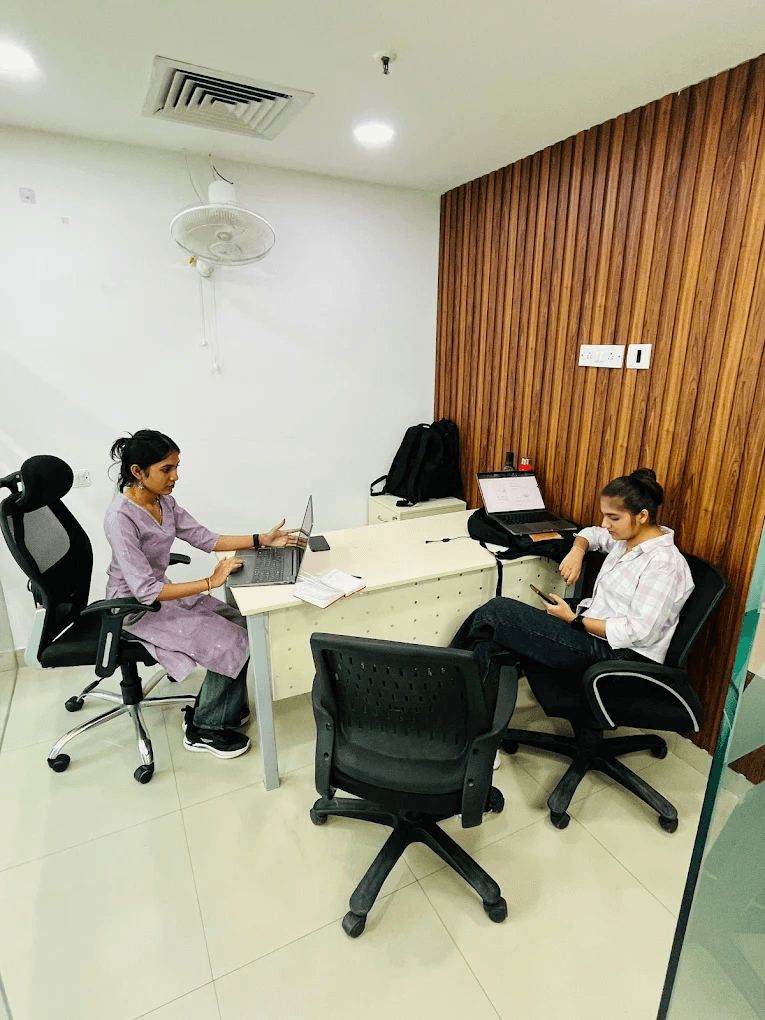
It helps to be clear about what a captive center — a Global Capability Center, or GCC — actually is, because BOT only makes sense once you understand the alternative. A GCC is an offshore engineering organisation that you own and run yourself: your entity, your payroll, your team, your IP, your delivery culture. Multinationals have run GCCs in India for decades precisely because an owned center compounds — retained knowledge, lower long-run cost per engineer, and a talent base you control rather than rent. The catch is the cold start. Building a GCC from zero means twelve to eighteen months of recruiting into a market you do not know, absorbing early attrition before your employer brand exists, and learning offshore delivery management the expensive way. BOT is the bridge across that valley: Xenotix builds and operates the GCC through the risky ramp, and you take ownership only once it is already a functioning, productive center. You get the long-run economics of a captive without personally underwriting the cold-start failure rate.
So when does BOT beat the alternatives? Staff augmentation is the right tool when you need to plug two or three engineers into your existing team for a defined stretch — it is fast, flexible, and low-commitment, but you are renting capacity and you own nothing structural at the end. A pure offshore agency is right when you want an outcome shipped and have no intention of running an India center yourself. BOT is for the company in between: you have decided that offshore is strategic and long-term, you want to eventually own the team and IP outright, but you are unwilling — sensibly — to absorb the first-year setup and hiring risk yourself. That is the core of what BOT transfers to Xenotix: the recruiting risk, the ramp risk, the retention-in-the-early-days risk, and the delivery-maturity risk. We carry those through Build and Operate, and hand you the upside — a mature, owned, transparently-priced center — at Transfer. If your horizon is short or your headcount need is small, staff augmentation or a fixed-scope build will serve you better, and we will say so.
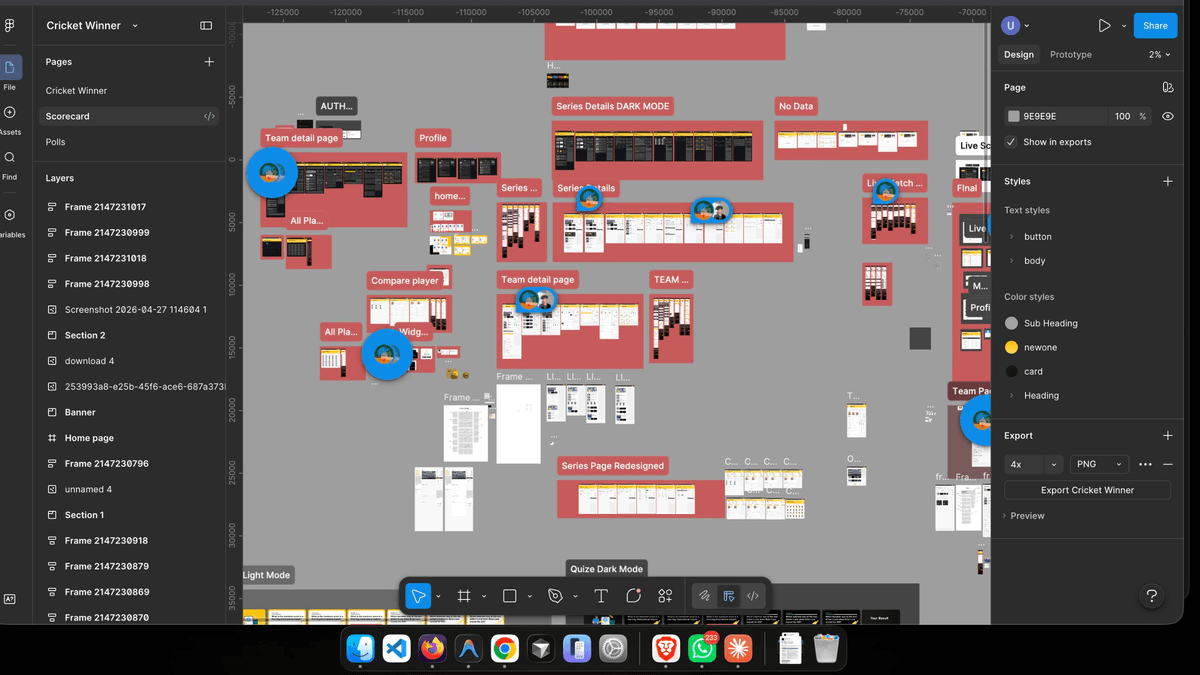
Two things make our BOT engagements different from the large-vendor version of this model. First, honesty about the team: our engineering staff includes NIT Kurukshetra and IIT Bombay alumni working alongside strong engineers from other backgrounds, and we staff your center from that same salaried pool — but we do not fabricate named individual CVs or promise a specific person by name in a proposal. What we stand behind is verifiable output: 110+ apps for 50+ brands, over 10M end users, 70+ Flutter apps in production, and a 4.7★ rating across 76+ reviews. Second, founder-led delivery: the leadership that scopes and runs your center sits close to the code, not three account-management layers away, which is why kickoff is measured in hours and why the same people are accountable from Build through Transfer. You are not buying a slide deck of a delivery model — you are buying the delivery model that already ships our portfolio.