





Hire senior DevOps engineers in India — AWS, Kubernetes, Terraform and SRE specialists who are salaried, IST-aligned, and priced in transparent INR
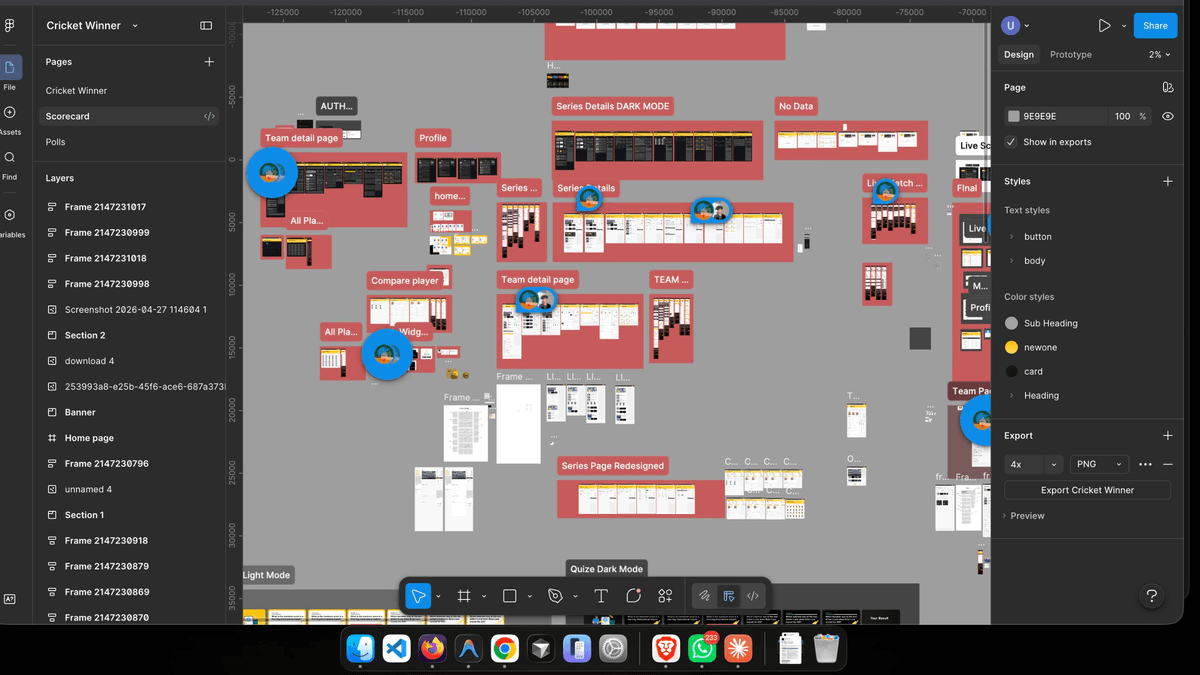
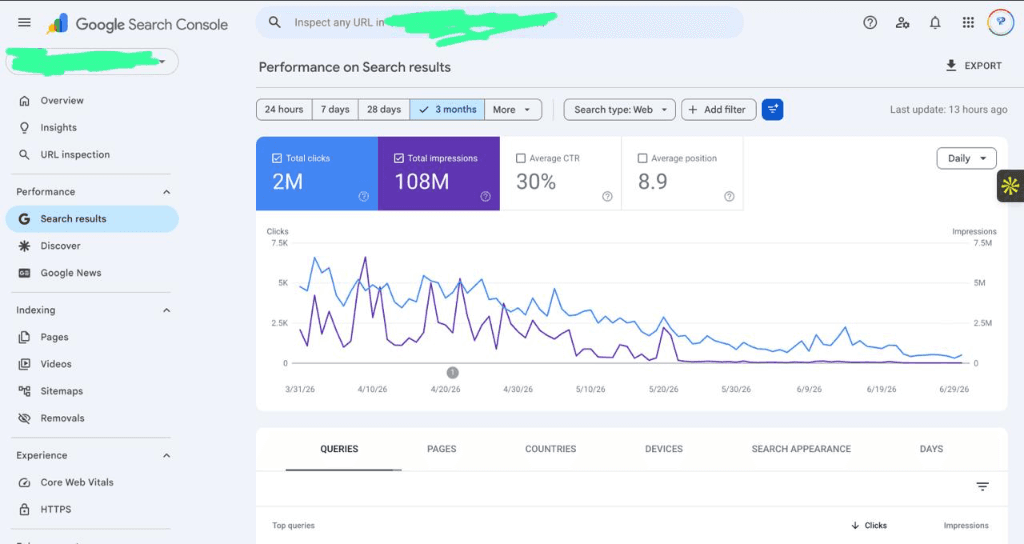
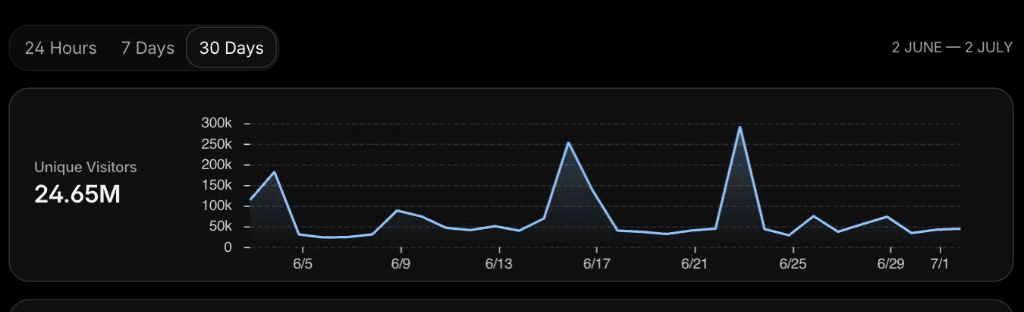
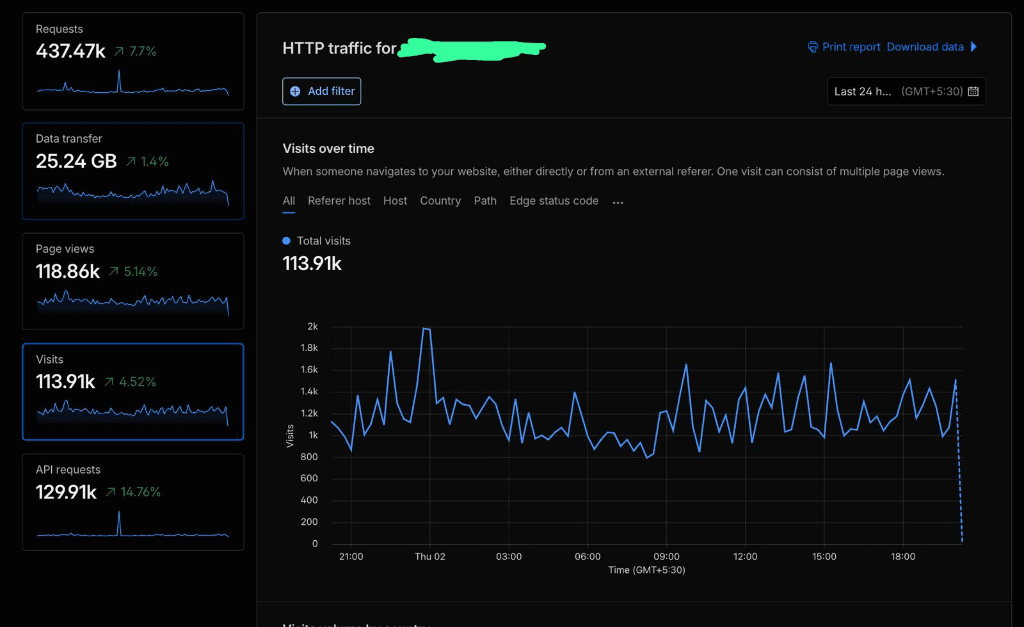
Founders search for 'hire DevOps engineers in India' at the exact moment infrastructure stops being an afterthought and starts being the thing that breaks. The product works on a laptop, but the deploy is a manual SSH session, there is one server nobody dares reboot, the AWS bill is climbing for reasons no one can explain, and the first real traffic spike takes the whole thing down. DevOps is where that pain lives — the discipline of turning working code into a system that ships continuously, scales under load and stays up at 3am. Xenotix Labs staffs exactly that engineer: salaried, in-house, and drawn from a team that includes NIT and IIT alumni and has taken 110+ products to production for 50+ brands running in production for years. You hire a DevOps engineer who has built AWS infrastructure, Kubernetes clusters, Terraform stacks and CI/CD pipelines for products serving real, paying users — including Cricket Winner, engineered to withstand IPL-scale traffic spikes.
The distinction that matters most is salaried versus freelance, and nowhere more than infrastructure. A DevOps freelancer holds the keys to your production environment — cloud credentials, deploy access, the runbook in their head — and a marketplace contractor optimising for their next gig can vanish mid-migration and leave a half-configured cluster no one else understands. Our engineers are employees on a payroll, covered by mutual NDAs, working inside our code-review, IaC and branch-protection process, and backed by a bench. You hire continuity and ownership of your infrastructure, not a rating and a single point of failure. We are honest about the team too: it includes and is led by NIT and IIT alumni — among them NIT Kurukshetra and IIT Bombay — but we will never invent a name, a batch year or a rank to win a deal. What you get is a blended senior team where that pedigree sets the reliability bar on every deploy.
Our DevOps engineers are infrastructure-as-code-first and least-privilege by default. They build on AWS in the ap-south-1 Mumbai region — VPCs, autoscaling, RDS, S3, IAM — and define every environment as version-controlled Terraform so there is no click-ops drift and nothing undocumented. They containerise services with Docker and orchestrate them on Kubernetes with self-healing deployments, rolling updates and safe rollbacks, and they wire commit-to-production CI/CD pipelines on GitHub Actions or Jenkins so releases are repeatable rather than a Friday-night gamble. Observability is not optional: Prometheus and Grafana dashboards, alerting, SLOs and on-call runbooks turn firefighting into engineering. And for the high-traffic tier, they operate the data backbone — Kafka event streaming, Redis caching and queues — the same class of infrastructure that lets Cricket Winner absorb the surge when a match starts instead of falling over.
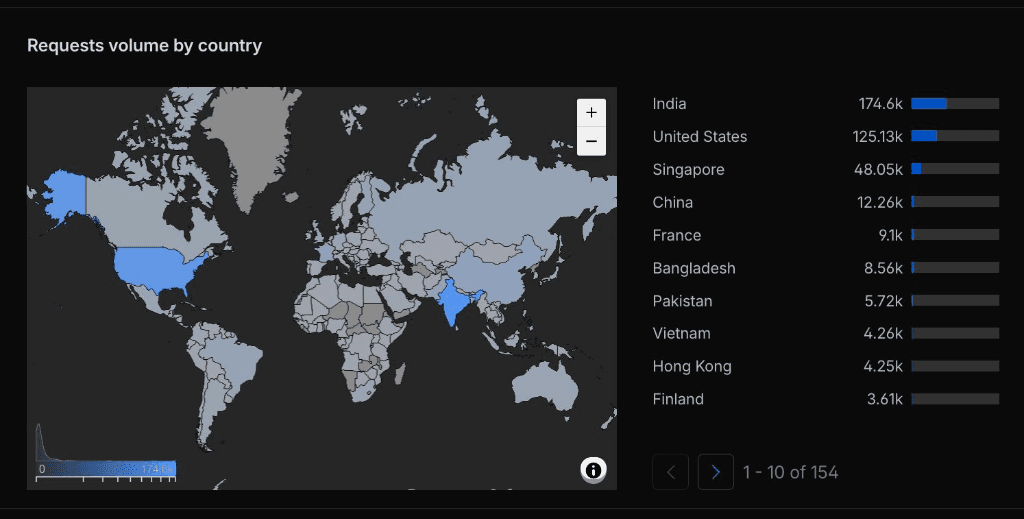
Being an India-based team on IST is a real advantage over the alternatives founders weigh for infrastructure work — and it is sharper here than for almost any other role, because infrastructure fails in real time. A US contractor is asleep when your cluster throws errors during your business day; an Eastern-Europe engineer overlaps for a few hours; an offshore vendor two zones away turns every 'why is the deploy stuck' question into a 24-hour round trip while the incident stays open. Our DevOps engineers run standups in your morning and are in the same working window when a pipeline breaks or an alert fires. Whether you are in Bengaluru, Delhi NCR, the US, the UK or the UAE, that overlap is the difference between a ten-minute rollback and an overnight outage — the whole point of SRE is fast response, and a time zone that hides your engineer for eighteen hours a day defeats it.
Why hire DevOps engineers from India in 2026? The economics are decisive: a salaried senior DevOps engineer here costs a fraction of a US or UK equivalent, while India's cloud, SRE and platform-engineering community is one of the deepest in the world. But the real Xenotix wedge is transparency and structure — published INR rate cards, salaried engineers with real accountability, 48-hour onboarding, a 1-week paid trial, mutual NDAs, and 100% IP and access transfer from day one, all built in your own AWS account in the Mumbai region rather than on infrastructure we hold hostage. Rates are in plain INR: a dedicated senior DevOps engineer runs ₹1.4L–₹2.5L a month (roughly $1,700–$3,000), part-time ₹70K–₹1.3L, and hourly ₹1,800–₹3,000. DevOps sits at the higher end of our rate card because it is a senior infrastructure specialty — but you are still hiring a team with continuity and code review, not renting an hour of someone's evening between three other clients who also have their production access.
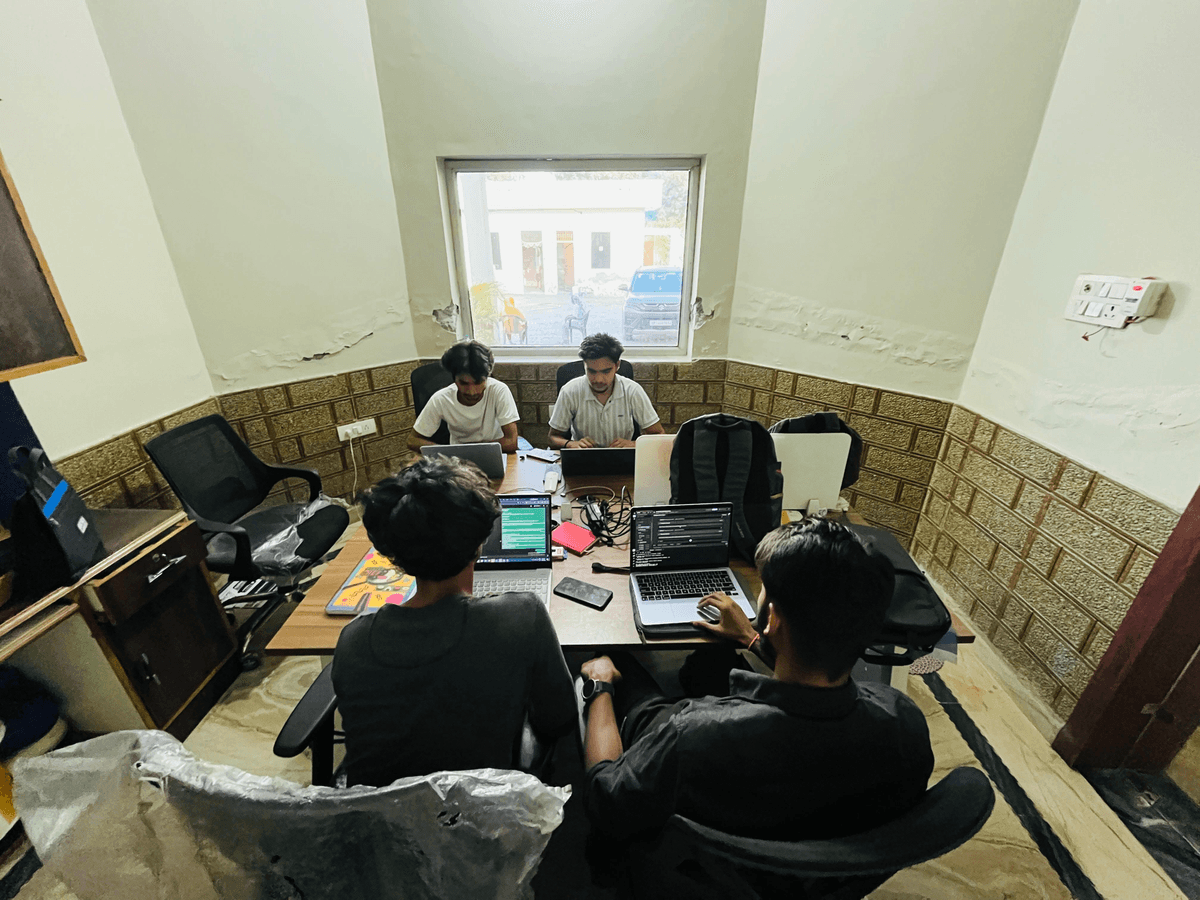
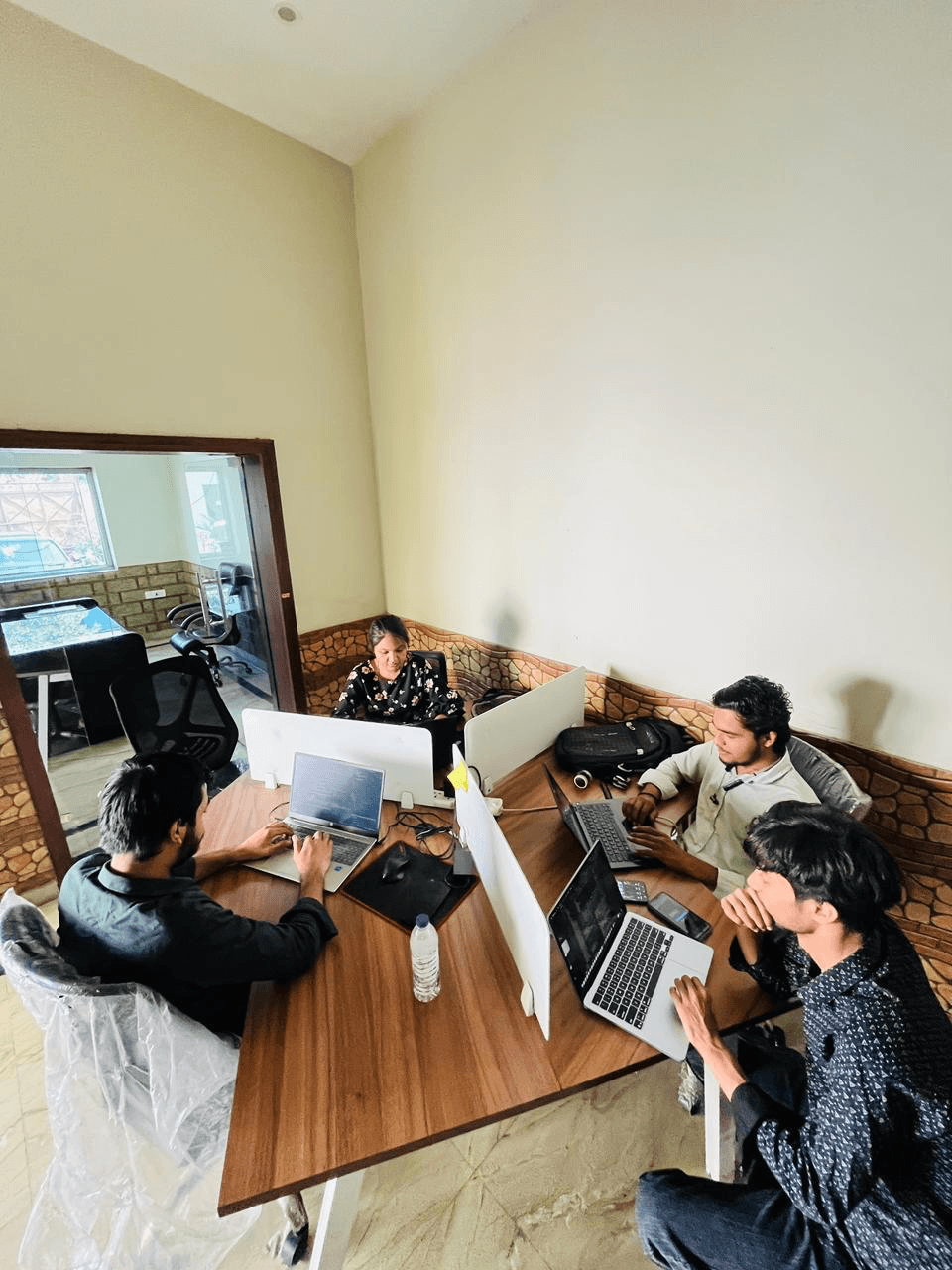
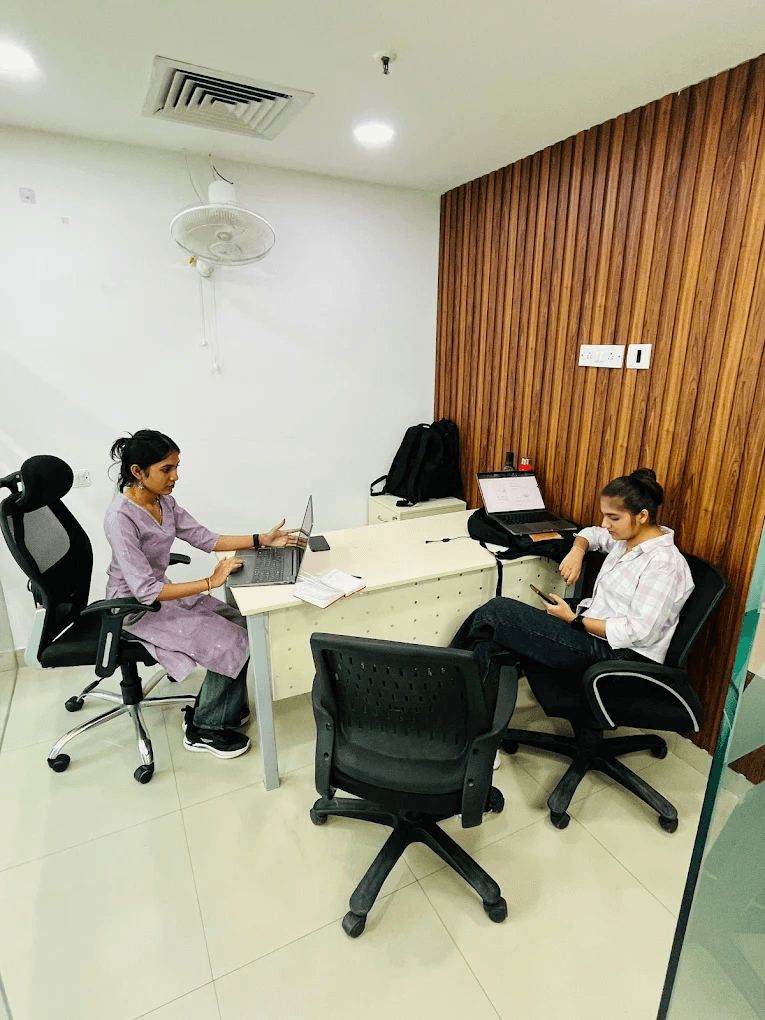
The vetting bar is deliberately high, and the model bends to your stage rather than forcing an enterprise contract. Every DevOps engineer on our bench can architect a production AWS environment to least-privilege, write clean modular Terraform, run a Kubernetes cluster with safe rollouts, build a CI/CD pipeline from commit to production, stand up Prometheus and Grafana with meaningful alerts, and reason about an incident under load — capacity, caching, the failure mode, the rollback. Start with one engineer to set up your cloud and pipelines, scale to a small platform pod for a launch, drop back to part-time or hourly for steady-state operations and cost tuning after release. We are based in Modinagar/Noida, work fully on Indian Standard Time with overlap for your day, and serve Bengaluru from our office at Regus, Nagavara (North Bengaluru), with in-person meetings and weekly demos — backed by our 4.7★ (76+ reviews) track record and infrastructure that has already cleared IPL-scale traffic in production.