



Hire full-stack developers in India — senior MERN/MEAN engineers who own frontend, backend and deploy, salaried and on your IST clock
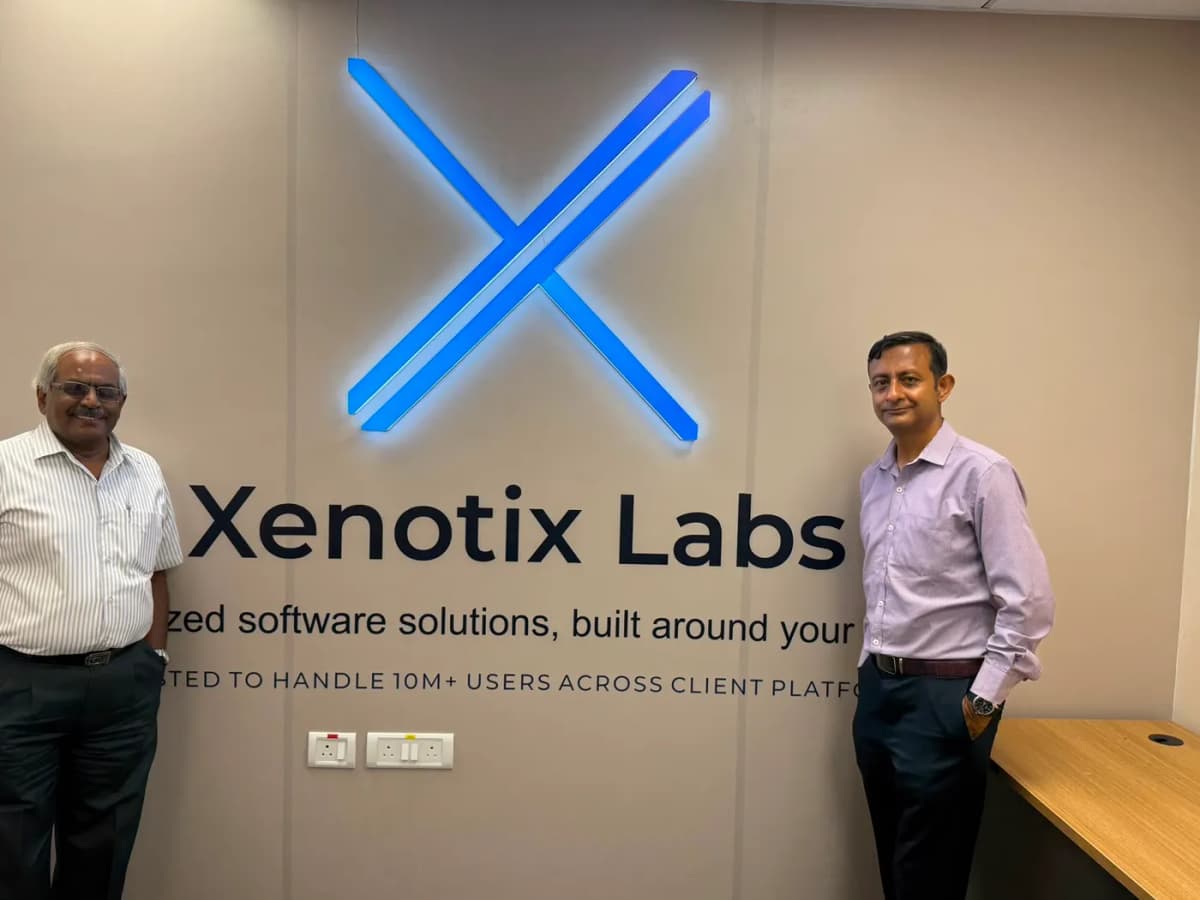
Founders search for 'hire full stack developers in India' when they're tired of the seam between frontend and backend. A React contractor waits on an API a Node contractor hasn't shipped; a bug falls into the gap and nobody owns it; every feature needs three people and two handoffs. A true full-stack engineer collapses that seam — one senior person builds the React or Next.js interface, the Node.js/TypeScript or Python/Django service behind it, the MongoDB or PostgreSQL schema underneath, and the AWS Mumbai deploy that ships it. Xenotix Labs staffs exactly that person: salaried, in-house, and drawn from a team that includes NIT and IIT alumni and has taken 110+ apps to production for 50+ brands running in production for years.
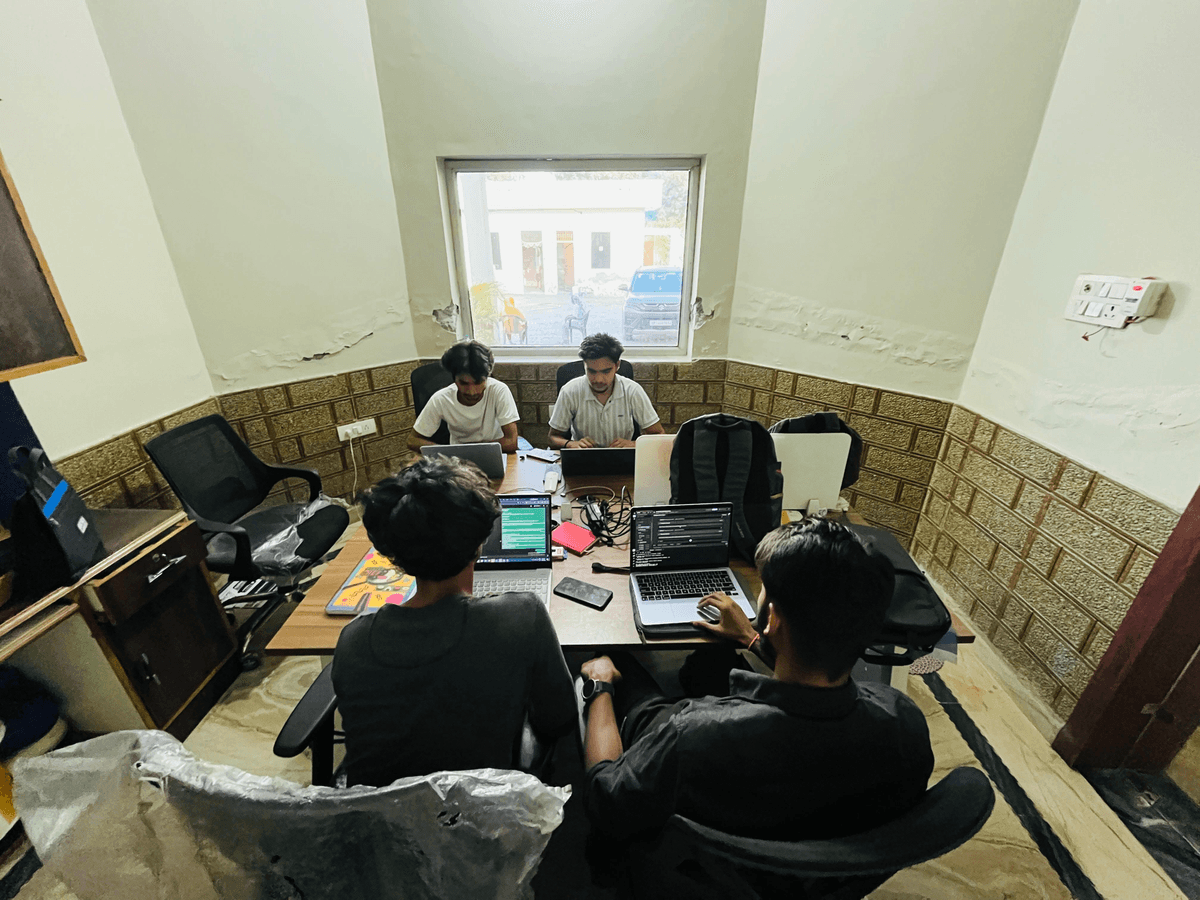
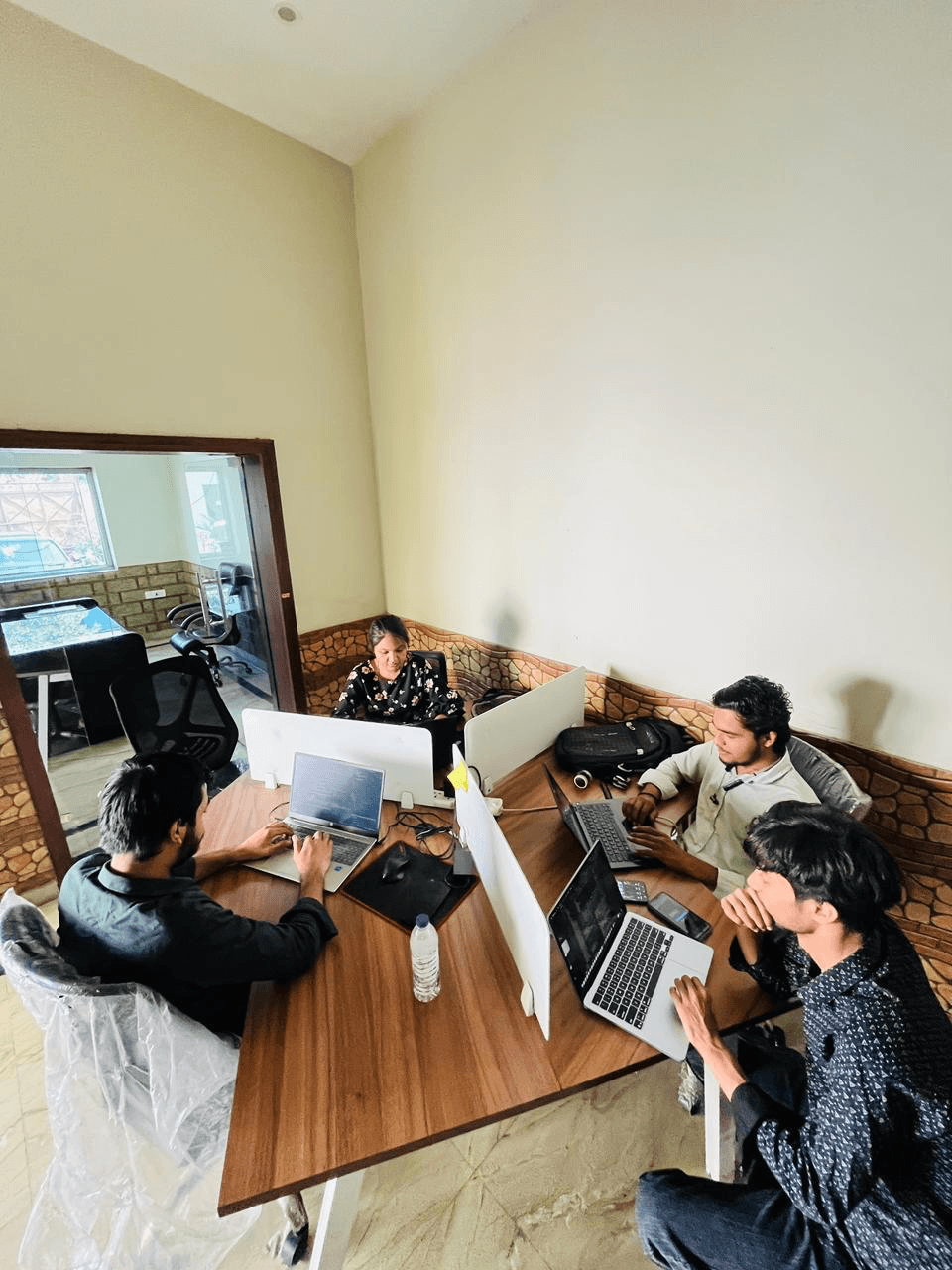
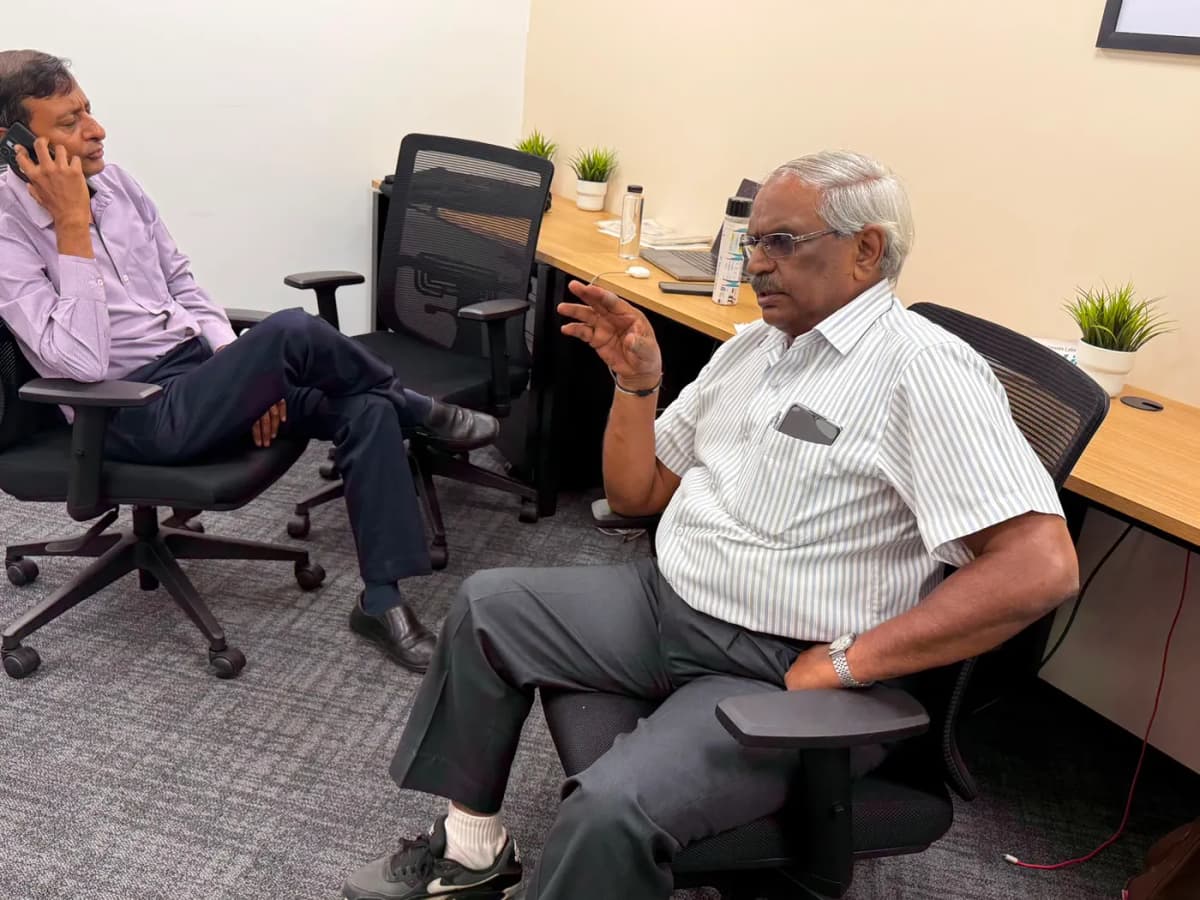
The distinction that matters most here is salaried versus freelance. A marketplace full-stack profile is optimising for their next gig, juggling three clients, and free to vanish the week your launch slips. Our engineers are employees on a payroll, covered by NDAs, working inside our code-review and branch-protection process, and backed by a bench if someone is ever out. You hire depth and continuity, not a rating and a risk. And we're honest about the team: it includes and is led by NIT and IIT alumni — among them NIT Kurukshetra and IIT Bombay — but we won't invent a name, a batch year or a rank to win a deal. What you get is a blended senior team where that pedigree sets the engineering bar.
The heart of what you're hiring is React-plus-Node fluency held in one head. When the same engineer writes the React component and the Express route it calls, the API contract is never guessed at across a handoff — the request shape, the error states, the loading and empty cases all line up because one person designed both ends. That's the practical payoff of MERN and MEAN: JavaScript and TypeScript run the length of the stack, so a developer moves from a UI bug to the query behind it to the deploy that fixes it without waiting on anyone. Our engineers ship that pattern every day, which is why a feature that would need three contractors and a week of coordination lands as one clean pull request instead.
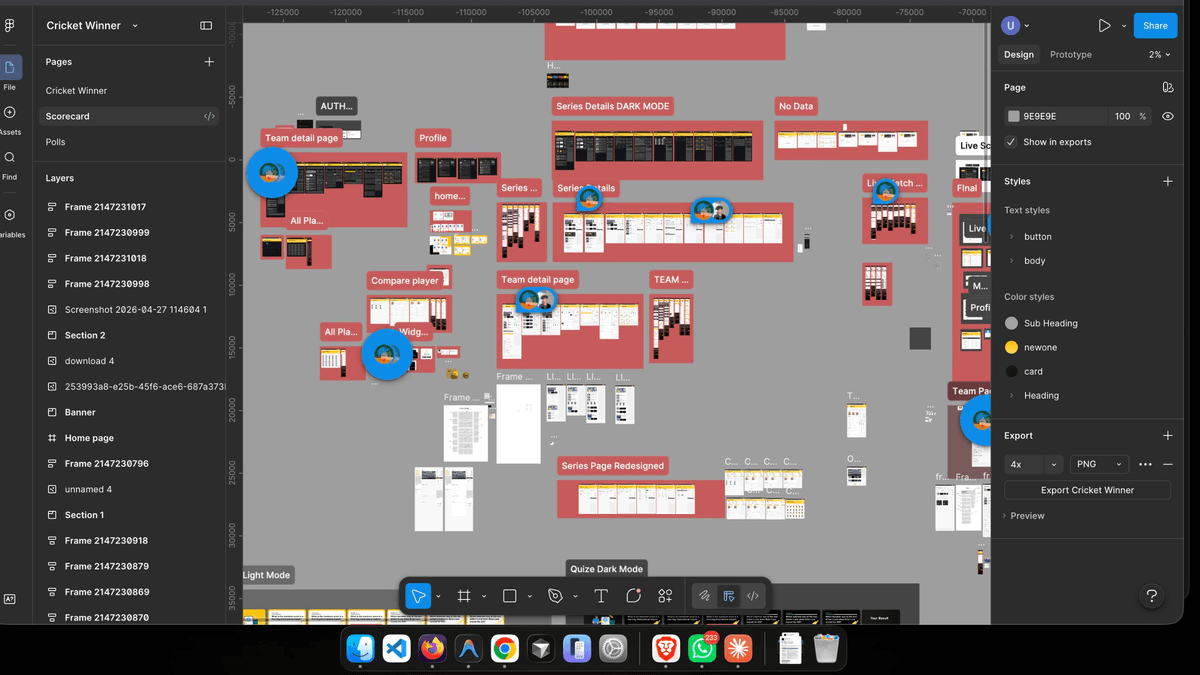
Where the front end is the product's face, they lead with Next.js — server-side rendering and static generation for marketing pages, dashboards and storefronts that have to load fast and rank in search, with the Node.js or Django API and the database wired by the same hand. And because the same people cross into React Native and Flutter, one engineer or one pod can carry a product across web and mobile on a single shared API, so the customer app, the admin console and the marketing site never drift into three incompatible codebases. End-to-end ownership is the through-line: the developer who designs the schema is the one who ships the deploy, so nothing is thrown over a wall half-finished.
Being an India-based team on IST is a real advantage over the alternatives founders usually weigh for a head-count-sensitive full-stack hire. A US contractor is asleep through much of your workday; an Eastern-Europe pod overlaps for a few hours; an offshore vendor two zones away turns every API-versus-UI question into a 24-hour round trip. Our full-stack engineers run standups in your morning, reply in Slack while you're at your desk, and demo a working end-to-end feature on your Friday. Whether you're in Bengaluru, Delhi NCR, the US, the UK or the UAE, that overlap is the difference between a week of shipped features and a week of waiting on a handoff.
We keep the commercials as clean as the collaboration. Rates are published in plain INR: a dedicated senior full-stack developer runs ₹1.3L–₹2.3L a month, part-time ₹65K–₹1.2L, and hourly ₹1,600–₹2,800 — with a one-week trial before you commit to a dedicated hire and no long-term lock-in on any model. You own all code, repos and IP from day one under an explicit transfer clause and a mutual NDA. Start with a single MERN engineer to unblock a v1, scale to a pod for a launch, drop back to part-time after release — the model bends to your stage instead of forcing you into a rigid enterprise contract.