

Salaried Engineers — Onboard in 48 Hours

Hire Blockchain Developers in in India

Get senior Solidity and smart-contract engineers who ship audited on-chain systems — DeFi protocols, ERC-20/721/1155 tokens, NFT platforms, wallet integrations and Web3 dApps on Ethereum, Polygon and Solana that survive a security audit and real on-chain value. Salaried in-house team with NIT and IIT alumni — not a freelancer marketplace. Transparent INR pricing, IST hours, 100% IP yours from day one.

110+Products
4.7★Google
70+Flutter Apps
76+Reviews
🇮🇳

Team backed by NITians & IITians · Offices in Noida & Modinagar · Pvt Ltd Company

Get a Free Callback

We'll discuss your project and share a free estimate. No spam, ever.

“we personally review every enquiry” — Xenotix Sales Team

110+

Products Shipped

50+

Brands Served

10M+

Users Reached

4.7★

Google Rating

76+

Client Reviews

Ready to build something real?

Tell us what you're working on. We'll handle the legal, tech, and marketing — you focus on the vision.

Book Free Consultation
🔊

Review

🔊

HR Software

🔊

SNSG Gyan

Team Backed by NITians & IITians

Our engineering team includes alumni from India's premier institutions — building production-grade apps with the rigor and depth these programs instill.

NIT Alumni

National Institute of Technology

IIT Alumni

Indian Institute of Technology

7+ Years

Building Production Apps

110+ Products

Shipped to App & Play Store

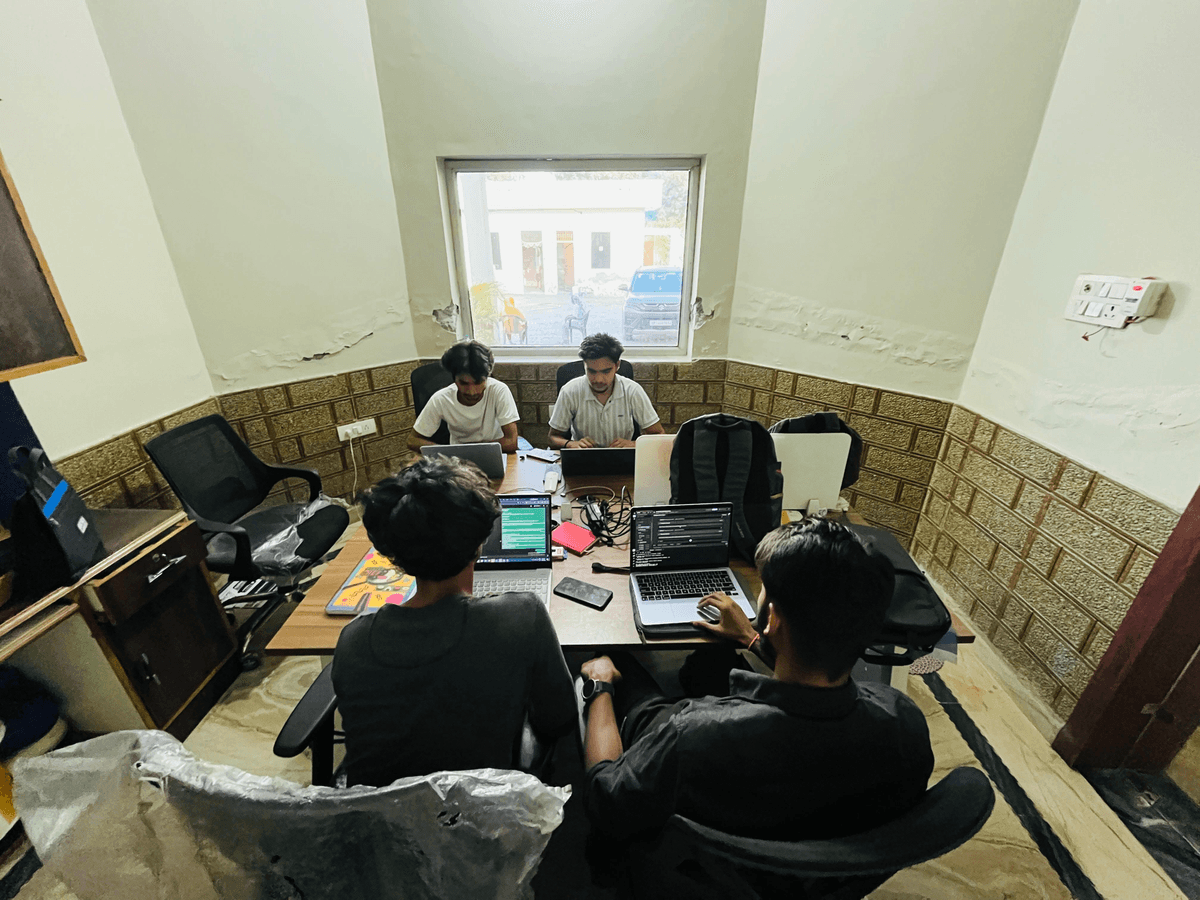
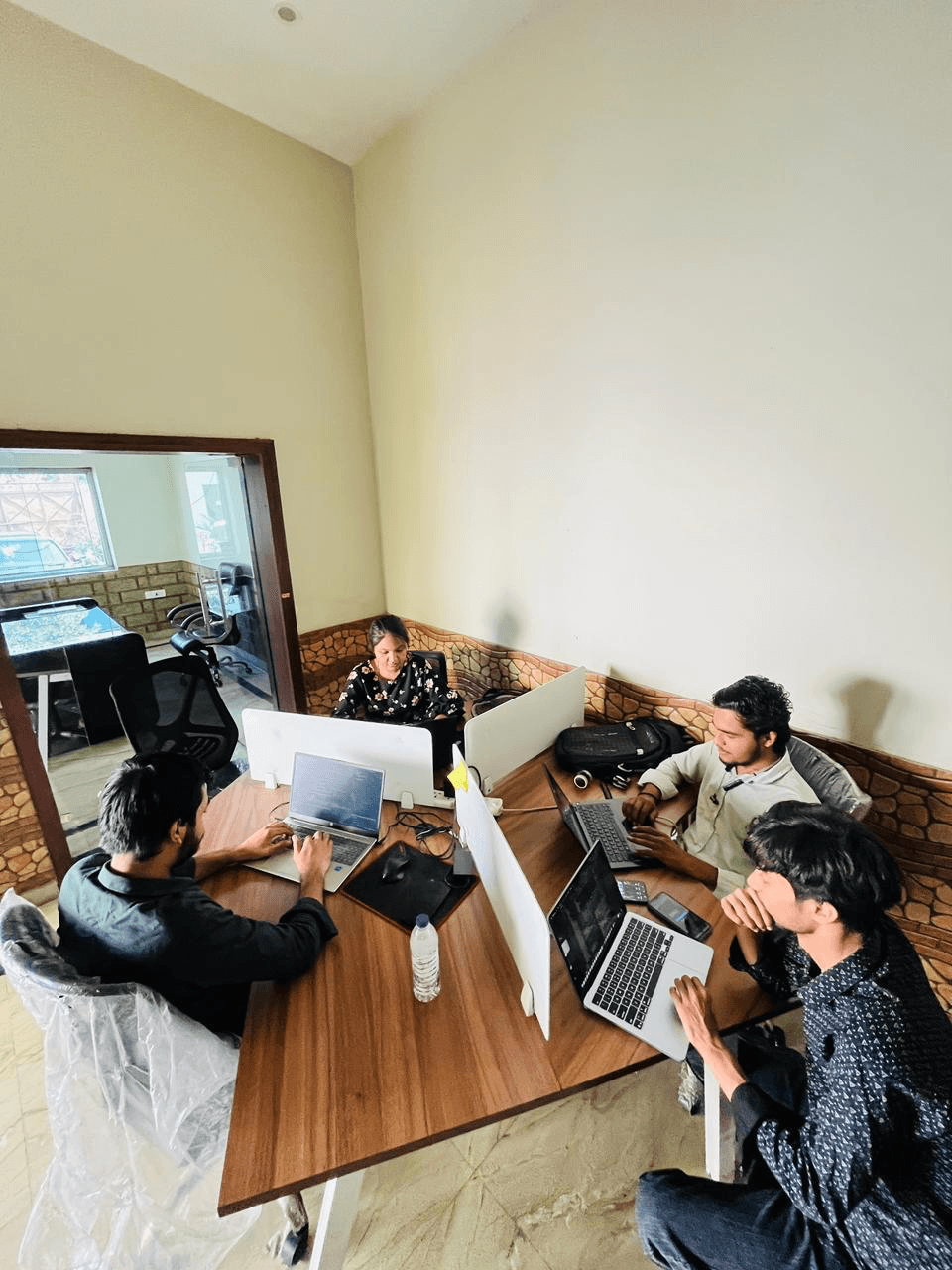
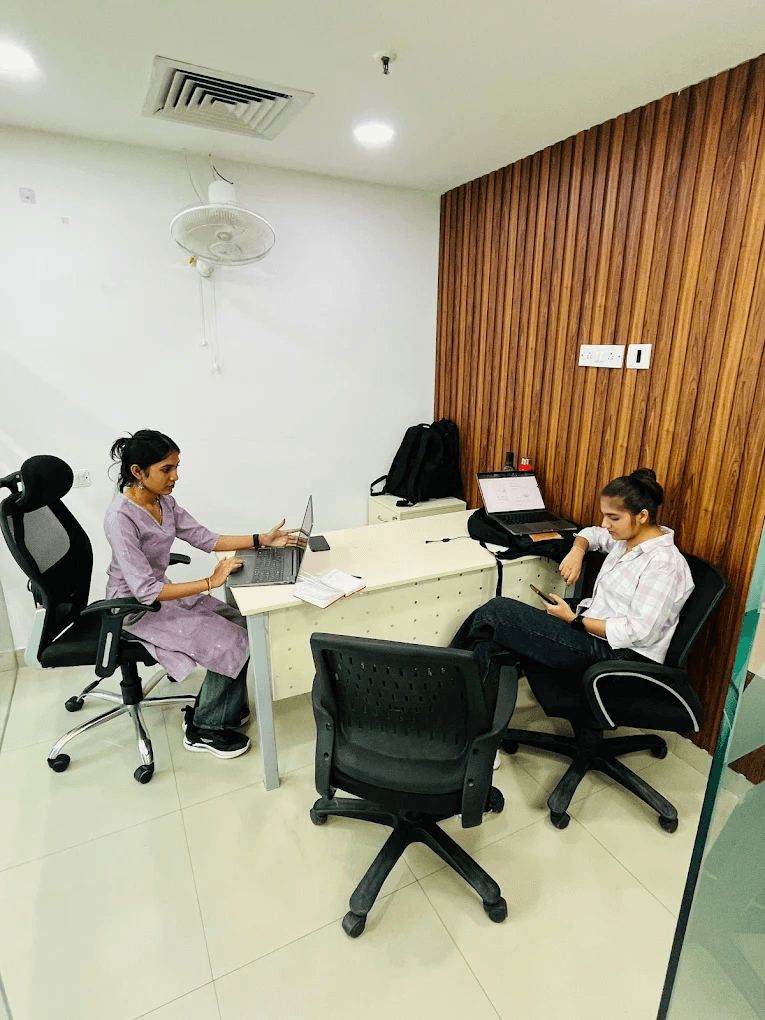
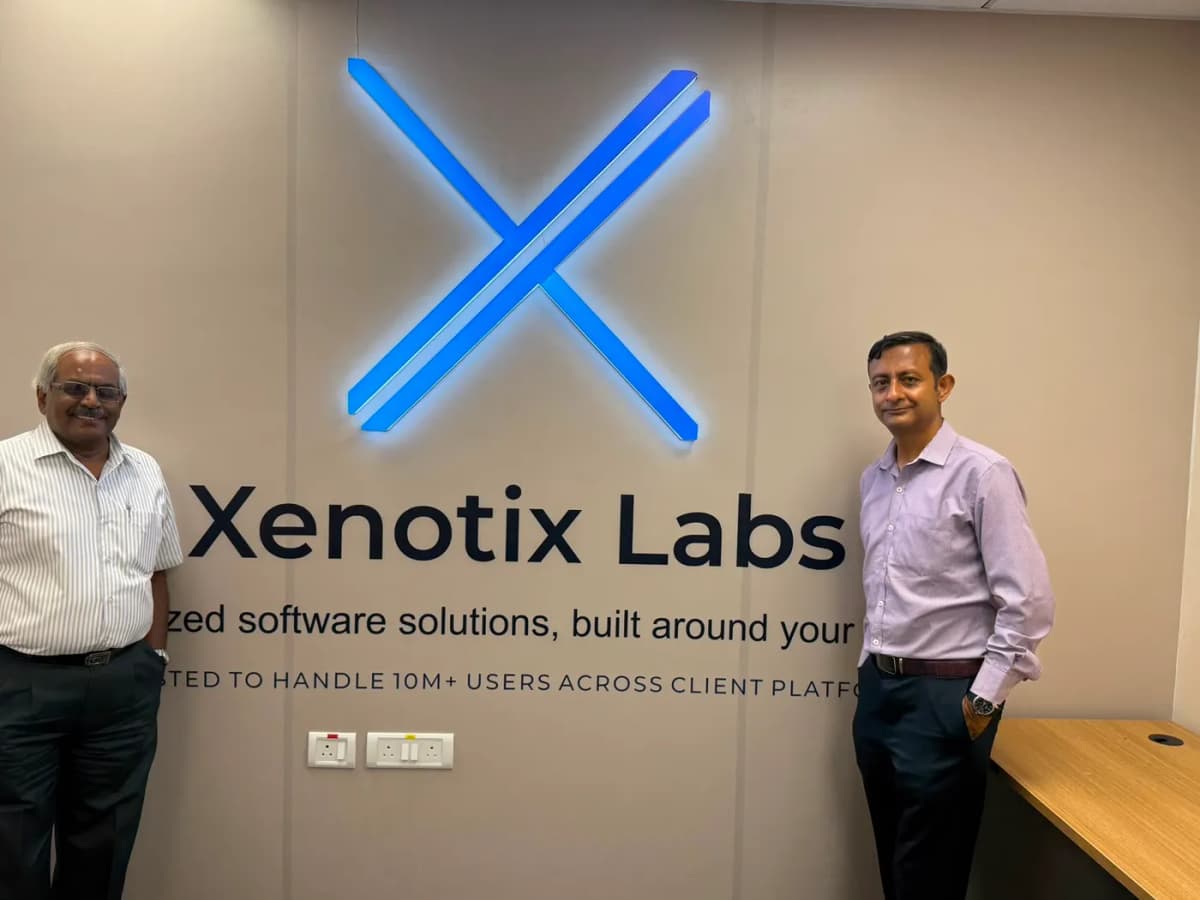
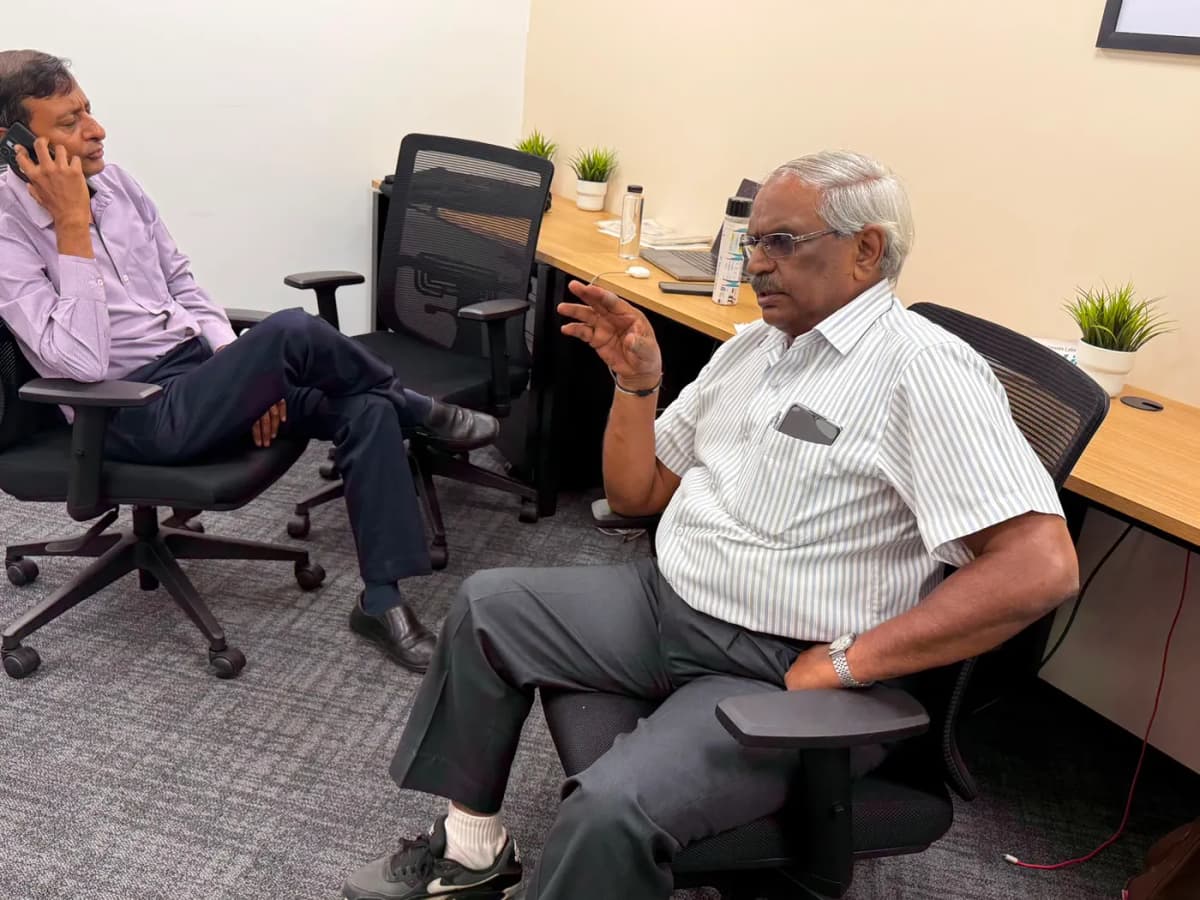
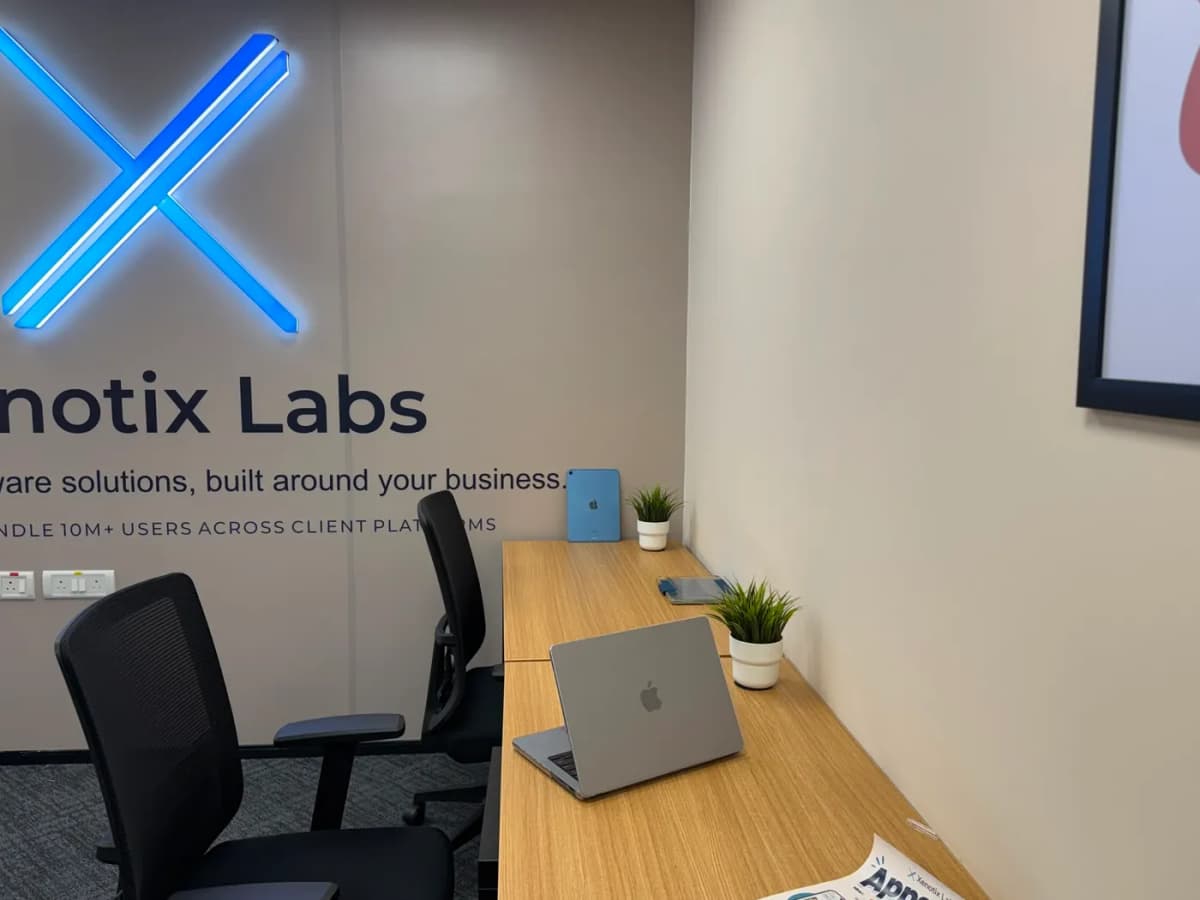
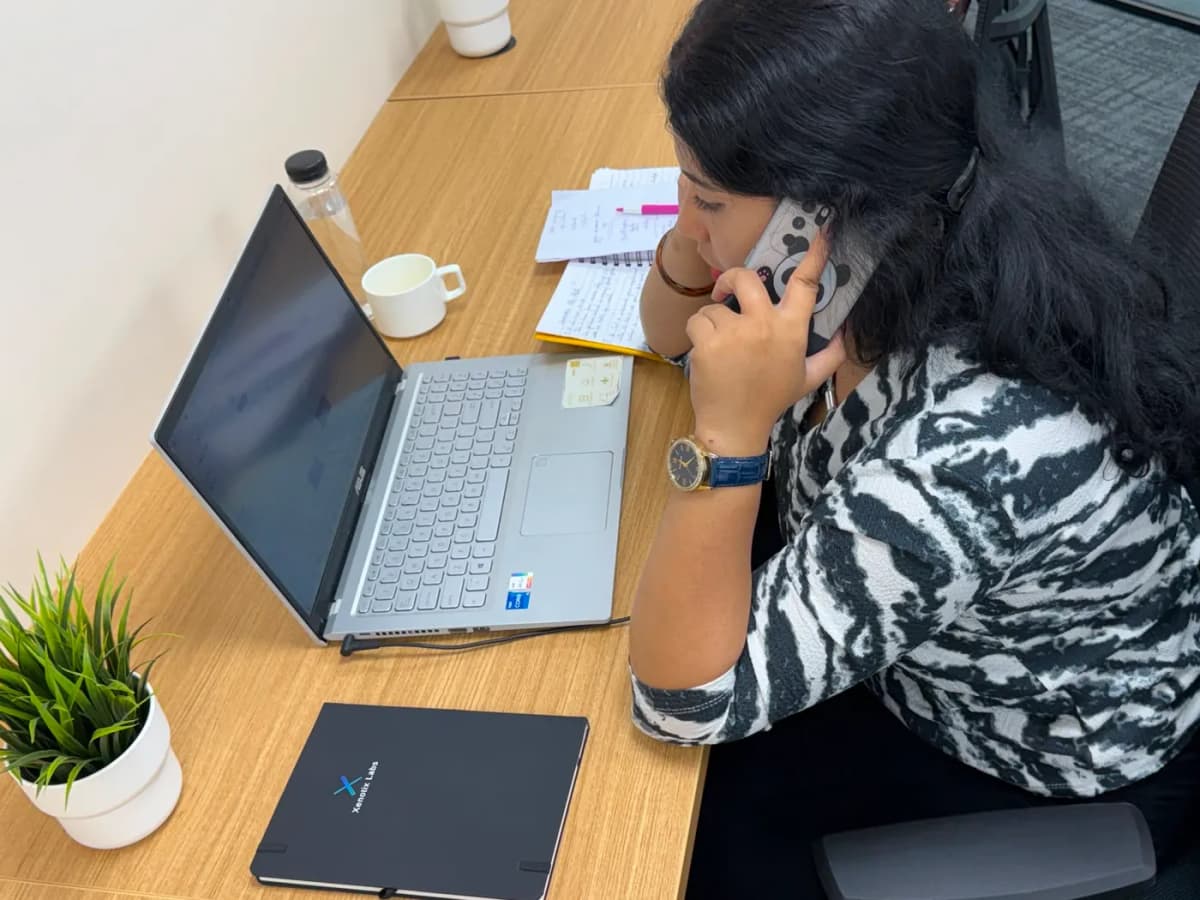
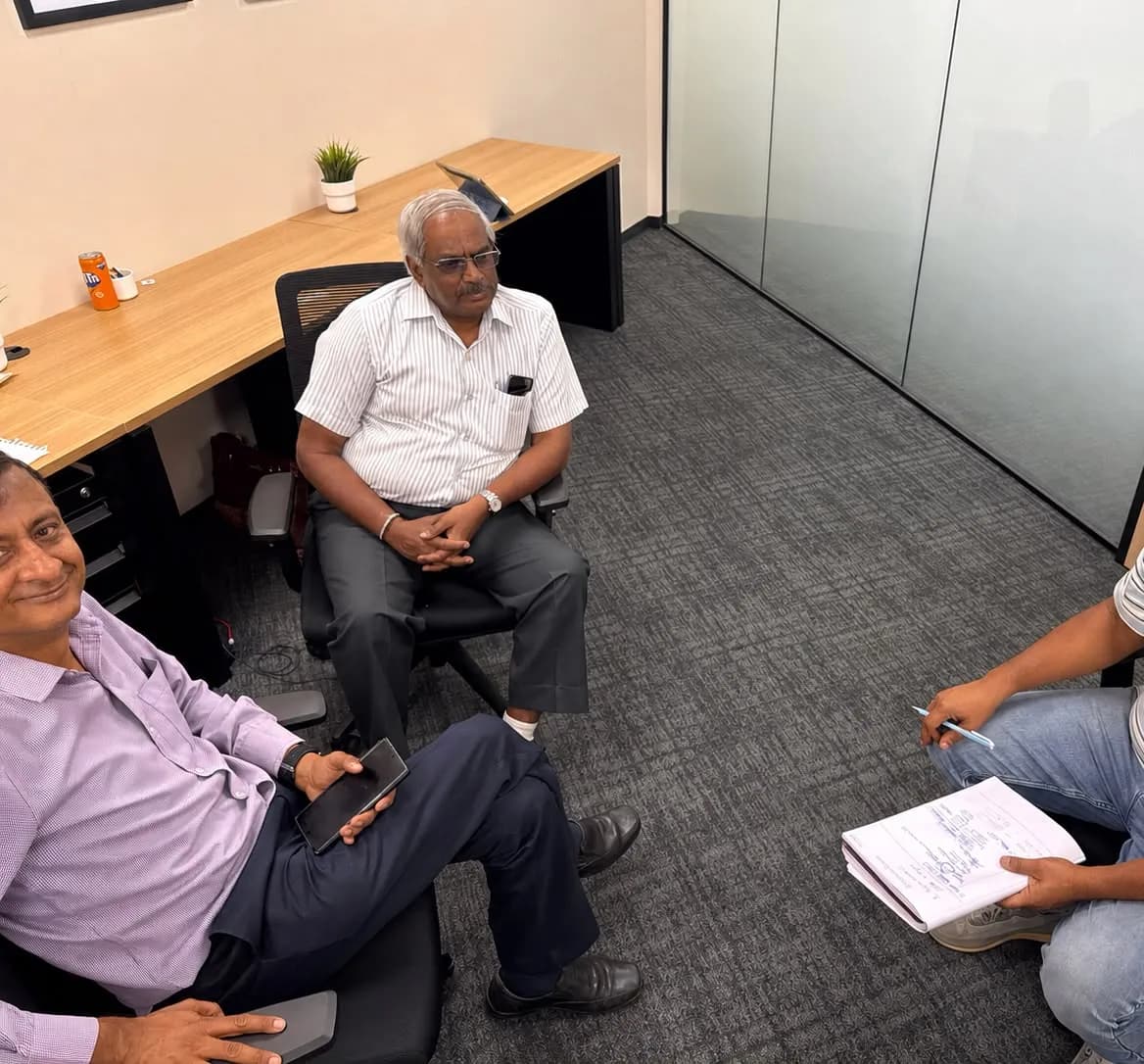
Inside our office — real team, real work

Xenotix Labs office entrance
Engineers coding together at Xenotix Labs
Open workspace at Xenotix Labs
Team design review session
Developers working on client projects
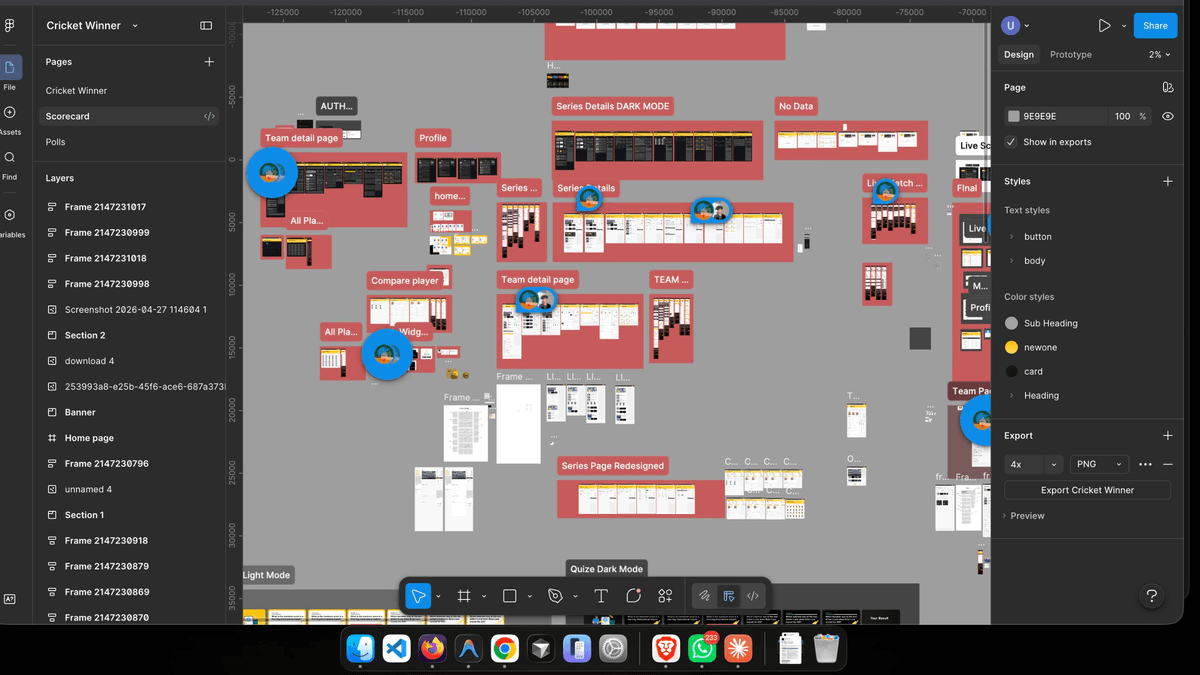
Team designing Cricket Winner app in Figma
Engineer at coding desk
Development team at work
🏢Registered Pvt Ltd Company
📍Office in Noida, Sector 62
🇮🇳Proudly Indian
4.7★ Google Rating

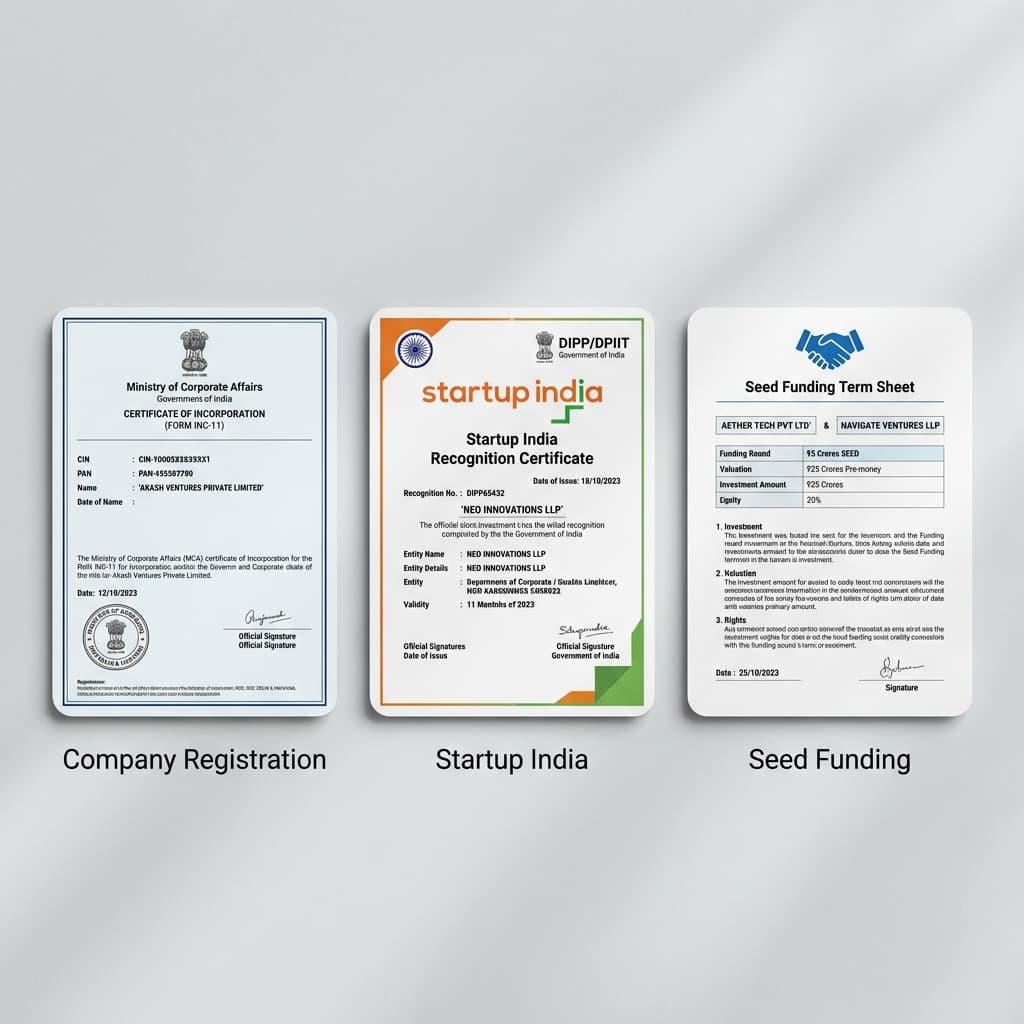
Every business needs

Three things to generate revenue.

Company Registration, Startup India DPIIT, Seed Funding documents

Legal

Company Registration

Startup India DPIIT · Pvt Ltd / LLP · Seed Funding

Alcedo edtech app
Health app
E-commerce flow
Wellness app
Next.jsKafka
PostgreSQLLoad Balancer
RabbitMQ

Tech

Apps handling millions of users.

Flutter · Next.js · Kafka · PostgreSQL · AWS

Marketing

UGC & Brand Campaigns

Creator Reels · Social Media · Paid Ads · Content

Hire senior blockchain developers in India — Solidity, smart-contract, DeFi and Web3 engineers who are salaried, IST-aligned, and priced in transparent INR

Founders and engineering leaders search for 'hire blockchain developers in India' when an idea stops being a whitepaper and has to become code that holds real value on-chain — a Solidity contract that survives an audit, an ERC-20 or ERC-721 token that exchanges and wallets accept without complaint, a DeFi protocol whose math cannot be drained by a flash loan, a Web3 dApp where users actually sign, confirm and see state update. Blockchain is unforgiving in a way ordinary backends are not: the code is public, immutable once deployed, and a single missed access modifier or unchecked external call is not a bug ticket, it is a funded exploit and a post-mortem. Xenotix Labs staffs exactly the engineer that reality demands: salaried, in-house, drawn from a team that includes NIT and IIT alumni and has taken 110+ products to production for 50+ brands reaching 10M+ users. You hire a blockchain developer who has shipped audited contracts, token systems and wallet-connected dApps into products that handle real on-chain activity, not a tutorial fork with the security comments left in.

The distinction that matters most is salaried versus freelance — and it matters more in blockchain than anywhere else, because on-chain code you cannot patch is the worst possible place to discover that a marketplace 'Solidity expert' was thin. A gig-marketplace profile is optimising for their next engagement, juggling three clients, and free to vanish the week before your token launch — and you often find out their audit experience was one hackathon only after the contract is already live and holding value. Our engineers are employees on a payroll, covered by NDAs, inside our code-review and branch-protection process, and backed by a bench if someone is out. You hire depth and continuity, not a rating and a risk. We are honest about the team too: it includes and is led by NIT and IIT alumni — among them NIT Kurukshetra and IIT Bombay — but we will never invent a name, a batch year or a rank to win a deal. What you get is a blended senior team where that pedigree sets the engineering and security bar on every commit and every review.

Our blockchain engineers build the way on-chain systems should be built: security-first, tested to the edges, and standards-compliant by default. They write Solidity on top of audited OpenZeppelin bases rather than hand-rolling token logic, order state changes checks-effects-interactions to close reentrancy, guard external calls, and keep storage layout gas-conscious because on-chain every byte and every SSTORE costs real money. They ship with Hardhat and Foundry — full unit suites, fuzzing and invariant tests, Slither and Mythril static analysis, gas profiling and a pre-audit review against the known reentrancy, oracle-manipulation, access-control and overflow classes — so a contract is audit-ready before a third-party firm ever looks at it. On the EVM side that spans Ethereum, Polygon, Arbitrum, Base and BNB Chain; on Solana it means Rust and the Anchor framework; and on the front end it means ethers.js, web3.js, wagmi and viem wired to WalletConnect and MetaMask so the chain becomes a usable product, not a raw contract call behind a bare button.

Being an India-based team on IST is a real advantage over the alternatives founders weigh for on-chain work, where the cost of a slow answer is unusually high. A US contractor is asleep through much of your workday; an Eastern-Europe developer overlaps a few hours; an offshore vendor two zones away turns every question — a failed testnet deploy, an unexpected gas spike, a wallet that won't connect, an auditor's finding that needs a fix before the review window closes — into a 24-hour round trip. Our blockchain engineers run standups in your morning, reply in Slack while you are at your desk, and demo a working testnet deploy on your Friday. Whether you are in Bengaluru, Delhi NCR, the US, the UK or the UAE, that overlap is the difference between a week of shipped, tested contracts and a week of waiting on a handoff — and it matters especially before a mainnet launch or an audit deadline, where a reentrancy finding or a broken oracle feed needs one quick conversation to clear, not an overnight ticket that keeps a live-value deployment on hold while everyone sleeps.

Why hire blockchain developers from India in 2026? The economics are decisive: a salaried senior blockchain engineer here costs a fraction of a US or UK equivalent, while India's Web3, Solidity and smart-contract talent pool has matured fast on exactly the DeFi, NFT, token and on-chain-infrastructure work the market now demands. But the real Xenotix wedge is transparency and structure — published INR rate cards, salaried engineers with genuine accountability, 48-hour onboarding, a 1-week paid trial, mutual NDAs, and 100% IP transfer from day one, deployed under your own keys and your own accounts. We are honest that blockchain skews to the higher end of our bands: a dedicated senior blockchain developer runs ₹1.5L–₹3L a month (roughly $1,800–$3,600), with senior smart-contract engineers at the top of that range, part-time ₹80K–₹1.5L, and hourly ₹1,800–₹3,000 — a specialty premium we state plainly, because audited on-chain code is high-stakes work and pricing it like generic CRUD would be dishonest. What you get is a team with continuity, not an hour of someone's evening between three other projects.

The vetting bar is deliberately high — higher than for ordinary backends — and the engagement bends to your stage rather than forcing an enterprise contract on a pre-seed team. Every blockchain engineer on our bench writes clean, idiomatic Solidity, has shipped at least one contract that held real value or passed an audit, can explain a reentrancy attack and the checks-effects-interactions fix from memory, knows why an oracle needs manipulation resistance and how a flash loan turns a mispriced pool into an exploit, and can write a Foundry invariant test that actually catches a broken accounting bug rather than a happy-path assertion. Start with one engineer for a contract MVP and a testnet deploy, scale to a pod for a token launch and audit cycle, drop back to part-time for maintenance after mainnet. We are based in Modinagar/Noida, work fully on IST with overlap for your day, and open our Bangalore office in July 2026 — senior blockchain talent on one bench, backed by our 4.7★ (76+ reviews) record.

X

Written by Xenotix Labs Engineering

Founding Engineering Team

Xenotix Labs has shipped 110+ production startup products across D2C, fintech, edtech, sports, healthcare, and legal-tech. Our Flutter and React Native engineers are the same people who lead architecture decisions on every mobile engagement.

Sub-services

What we ship inside hire blockchain developers in india

Real engagements, real case studies — not a feature list. Each sub-service is one we have shipped to production.

Hire Blockchain Developers for Solidity Smart Contracts

Bring on senior engineers who write Solidity that is built to hold value from the first line — access control and role modifiers, reentrancy guards, checks-effects-interactions ordering, safe math, event logging and gas-conscious storage, on audited OpenZeppelin bases rather than hand-rolled logic. You hire people who already carry the reentrancy, oracle and access-control traps from production and audits in their heads, not a generalist learning why an unchecked external call is dangerous on your contract and your treasury.

Use cases: A project deploying its first mainnet contract, a token or protocol handling real value, a team replacing a stalled or unaudited Solidity build, a founder who wants a secure, audit-ready contract on day one

Shipped on: Solidity and EVM contract work shipped across our on-chain builds, written on OpenZeppelin bases and hardened with the same security review we apply before any mainnet deployment

Hire Blockchain Developers for Token Development (ERC-20/721/1155)

Staff engineers to ship standards-compliant token contracts that integrate everywhere — fungible ERC-20 with allowance, permit and supply caps, ERC-721 NFTs with metadata and EIP-2981 royalties, and ERC-1155 multi-token for game and marketplace inventories, with mint, burn, pause and roles implemented the way exchanges, wallets and marketplaces expect. The difference between a token that lists cleanly and one that silently breaks a wallet or an exchange listing because it deviated from the standard in a way nobody caught before launch.

Use cases: A project launching a utility or governance token, an NFT collection needing correct royalties, a game needing multi-token inventory, a founder who needs a token that exchanges and wallets accept without friction

Shipped on: Standards-compliant token contracts built on audited OpenZeppelin implementations, with roles, supply logic and royalty handling matching exchange and wallet expectations

Hire Blockchain Developers for DeFi Protocols & Tokenomics

Add engineers to build DeFi systems for adversarial conditions — staking, vaults, liquidity pools, AMM swaps, lending and yield logic with oracle price feeds, slippage bounds, fee accounting and economic invariants that hold when someone is actively trying to break them. They reason about flash-loan attacks, oracle manipulation and mispriced collateral as real, funded threats and encode the invariants in Foundry tests, so the math is right before a single rupee of TVL arrives rather than after the exploit hits the timeline.

Use cases: A protocol adding staking or liquidity provision, a lending or yield product, a team designing tokenomics that must resist economic attacks, a founder building on-chain financial logic that will hold real value

Shipped on: DeFi contract patterns — staking, pooled value and oracle-fed pricing — engineered with invariant and fuzz testing against economic-exploit classes before any value is deposited

Hire Blockchain Developers for NFT Platforms & Marketplaces

Staff engineers to build NFT products end to end — minting contracts with lazy minting to defer gas, on-chain plus IPFS/Arweave metadata, EIP-2981 royalties, and marketplace logic for listings, bids, auctions and escrowed settlement, wired to a Web3 front end and a wallet so the mint-and-buy flow actually settles on-chain. Not a gallery UI with no working settlement layer, but the full path from a creator minting to a buyer purchasing, with the contracts and the front end owned by the same team.

Use cases: A creator or brand launching an NFT collection, a marketplace needing listings and escrowed settlement, a game with tradeable assets, a founder who needs mint-and-buy that works on-chain, not just a design

Shipped on: End-to-end NFT flows — minting, metadata, royalties and wallet-connected settlement — built with the contract and front-end layers integrated so a mint and a purchase actually complete on-chain

Hire Blockchain Developers for Web3 dApp & Wallet Integration

Add full-stack Web3 engineers to connect the chain to a usable product — ethers.js/web3.js and wagmi/viem on the front end, WalletConnect and MetaMask flows, transaction status and error handling, gasless meta-transactions and account-abstraction where it fits. Users sign, transactions confirm and state updates without the confusing dead-ends that sink most dApps, so on-chain actions feel like a product a normal user can complete, not a raw contract call that leaves them staring at a stuck spinner.

Use cases: A protocol or token that needs a usable front end, a team whose contracts work but whose dApp UX doesn't, a product adding wallet login and on-chain actions, a founder consolidating contract and front-end work under one team

Shipped on: Wallet-connected Web3 front ends built with ethers.js and wagmi/viem, with real transaction-status and error handling so on-chain actions complete cleanly for ordinary users

Hire Blockchain Developers for Solana & Multi-Chain Development

Hire engineers with reach beyond a single chain — EVM depth on Ethereum, Polygon, Arbitrum, Base and BNB Chain, plus Rust and the Anchor framework for Solana programs — chosen for your users' cost, speed and liquidity rather than resume padding. They deploy where the economics fit, bridge assets when a product spans chains, and keep gas, finality and RPC reliability in view, and they will tell you honestly when a single chain is the right call and a multi-chain deployment is premature complexity you don't need yet.

Use cases: A product picking its first chain, a team that needs Solana speed and low fees, a protocol expanding across EVM chains, a founder weighing Ethereum versus Polygon versus Solana for cost and liquidity

Shipped on: EVM contract work across Ethereum and Polygon plus Rust/Anchor capability for Solana, with chain selection driven by cost, finality and liquidity rather than defaulting to one everywhere

Hire Blockchain Developers for Smart-Contract Security & Audits

Add senior engineers to harden contracts before they hold value — full Hardhat/Foundry test suites, fuzzing and invariant tests, Slither and Mythril static analysis, gas profiling and a pre-audit review against reentrancy, oracle-manipulation, access-control, overflow and front-running classes, plus direct coordination with an external audit firm on remediation. The output is a written findings report with PR-style fixes and a re-tested contract, not a verbal 'looks fine' — because on-chain code is public and immutable and there is no patch after an exploit.

Use cases: A team preparing for a third-party audit, a project inheriting an unaudited contract, a pre-mainnet security pass, a founder who needs a contract de-risked before it holds real value or TVL

Shipped on: A standard pre-mainnet security service — static analysis, fuzzing, invariant tests and a written findings report with fixes — applied before any contract goes live holding value

Hire Blockchain Developers for On-Chain Infrastructure & Indexing

Staff engineers to build the off-chain half a serious dApp needs — The Graph subgraphs to index contract events, backend services that listen to and react to chain state, IPFS/Arweave for decentralised storage, Chainlink oracle integrations, and reliable RPC through Alchemy or Infura. On-chain data becomes queryable, front ends stay fast, and your product reads the chain reliably instead of hammering a node and timing out the moment real users and real transaction volume arrive to break the naive approach.

Use cases: A dApp that needs fast queryable on-chain data, a team whose front end is slow because it reads the chain directly, a product needing oracles or decentralised storage, a founder scaling a dApp past its first users

Shipped on: On-chain indexing and infrastructure — subgraphs, event listeners, oracle and storage integrations and reliable RPC — built so a dApp reads and reacts to the chain at scale without timing out

Hire Blockchain Developers for Contract Migrations & Codebase Audits

Add senior engineers to de-risk or modernise an existing on-chain codebase — reviewing an inherited Solidity project for security, gas, upgradeability and standards compliance, planning a proxy-based upgrade or a redeploy-and-migrate path, or auditing an incoming contract before you build on it or acquire it. The deliverable is a written audit plus a prioritised, PR-style remediation plan you can act on, not a vague verbal verdict — the honest read you need before committing value or a roadmap to code someone else wrote.

Use cases: A team carrying an unaudited or legacy contract, a pre-fundraise or pre-acquisition technical diligence on an on-chain product, a founder inheriting Solidity they cannot yet trust, a protocol planning an upgrade path

Shipped on: A standard pre-engagement service applied to incoming Solidity and EVM codebases — a written security, gas and standards audit with a prioritised remediation plan — before scoping a build or an upgrade

Tech stack reasoning

How we vet blockchain engineers — and why this stack ships secure on-chain systems faster

We vet on six dimensions, no exceptions. Idiomatic Solidity — clean, well-structured contracts that use OpenZeppelin bases, modifiers, custom errors and events properly rather than hand-rolling token logic and fighting the language. Security reasoning — the engineer can explain a reentrancy attack and the checks-effects-interactions fix from memory, knows why an oracle needs manipulation resistance, and can describe how a flash loan turns a mispriced pool into an exploit. Testing depth — writes Foundry and Hardhat suites with fuzzing and invariant tests that catch a broken accounting bug, not just a happy-path assertion, and runs Slither and Mythril as a matter of course. Gas and EVM fluency — reasons about storage layout, SSTORE cost, calldata versus memory and where a pattern is needlessly expensive. Web3 integration — has wired a contract to a front end with ethers.js or wagmi/viem and a real wallet flow. And production sense — has taken a contract to at least a public testnet or mainnet and understands what an audit actually asks for.

The stack is chosen for on-chain safety and shipping velocity at once, not resume padding. Solidity on audited OpenZeppelin bases means a team inherits battle-tested token, access-control and security primitives instead of rebuilding — and re-introducing — the vulnerabilities the ecosystem already solved. Hardhat and Foundry give a fast, expressive test and deployment environment, and Foundry's fuzzing and invariant testing in particular let engineers prove economic properties hold under adversarial input rather than hoping they do. Slither and Mythril catch whole classes of bug statically before an audit. OpenZeppelin, Chainlink oracles and The Graph cover the security, price-feed and indexing needs; ethers.js, web3.js, wagmi and viem cover the front-end integration; IPFS and Arweave cover decentralised storage. This is the combination that lets a lean salaried team stand up an audit-ready on-chain system that would otherwise need a much larger team and far more risk.

Blockchain earns its own vetting bar because it is the one place where a bug is not a ticket — it is a permanent, public, funded loss. Smart contracts are immutable once deployed and every byte of state and every line of logic is visible to an adversary who is financially motivated to break it, so the discipline that is 'nice to have' on an ordinary backend — exhaustive tests, static analysis, invariant proofs, an external audit — is table stakes here. That is precisely why founders and CTOs are right to be careful who they hire for it: the difference between an engineer who has shipped audited value-holding contracts and one who forked a tutorial is the difference between a protocol that clears an audit and one that becomes an exploit post-mortem with the funds gone. You are not hiring for a demo, you are hiring for code that cannot be patched and will hold real value.

Everything ships under your own keys and your own accounts. Contracts deploy through Hardhat or Foundry pipelines to the chain you chose for its economics — Ethereum, Polygon, Arbitrum, Base, BNB Chain or Solana — with a full test and static-analysis pass gating every deployment, gas profiled, and a pre-audit review completed before any third-party firm looks at it. We default to Foundry invariant and fuzz tests plus Slither/Mythril in every repo so a change lands safely and an external audit goes smoothly, and the deploy is a reviewed, reproducible step rather than an unaudited push to mainnet. Whichever slice you staff — a Solidity contract, a token, a DeFi protocol, an NFT marketplace, a Web3 dApp front end, a Solana program or an indexing layer — you get engineers on the same secure on-chain stack that runs our live builds, deployed under your own accounts with the keys, contracts and IP yours from day one, not a stack assembled for the pitch and abandoned after handover.

Pricing & timeline

How much does hire blockchain developers in india cost?

Published tiers, not opaque quotes. Every range below is one we have shipped engagements at.

Hourly / Surge

₹1,800 – ₹3,000 / hour

$22 – $36 / hour

TimelineOnboard in ~48 hrs when bench is available; same-week start
Team1 senior blockchain engineer, on-demand
ScopePer-hour senior blockchain engineering for smart-contract security reviews, gas-optimisation passes, wallet and dApp integrations, oracle wiring and fixes on an existing Solidity codebase — detailed timesheets, no minimum commitment
Best forExisting on-chain codebases needing surge capacity, a pre-audit security pass, a defined contract fix, or specialist DeFi, Solana or gas work without a monthly commitment

Part-Time Developer

₹80,000 – ₹1,50,000 / month

$950 – $1,800 / month

TimelineOnboard in ~48 hrs; rolling monthly, no long-term lock-in
Team1 salaried senior blockchain engineer (50% allocation)
Scope~80 hrs/month of senior blockchain development, weekly progress demos, flexible scheduling, mutual NDA and IP assignment — real Solidity, DeFi and Web3 muscle without carrying a full-time salary on the runway
Best forPre-seed and seed projects, a defined smart-contract or token build, or adding on-chain features without a full-time headcount

Dedicated Developer

₹1,50,000 – ₹3,00,000 / month

$1,800 – $3,600 / month

TimelineOnboard in ~48 hrs after finalising the engagement; month-to-month
Team1 salaried senior blockchain engineer (100% allocation) with a technical lead's oversight; senior smart-contract engineers at the top of the band
Scope~160 hrs/month, full-time exclusive allocation, 1-week paid trial, daily IST standups, code review, Foundry/Hardhat testing, fuzzing and pre-audit discipline, 100% IP transfer from day one
Best forSeed and post-seed teams building audited smart-contract systems, DeFi protocols and Web3 dApps end to end over several months with predictable senior capacity

Pricing varies with scope, integrations, and compliance needs. Every engagement starts with a fixed-scope written estimate after a 2-week paid discovery — never an open hourly meter.

Real case studies

Production case studies — not deck pages

Each hire blockchain developers in india engagement below is live, in production, and serving real users today.

On-chain token & staking system — audit-ready smart contracts

Problem

A Web3 project needed a token and staking system that could hold real value from launch — standards-compliant ERC-20 issuance, staking and reward logic, and role-based controls — built so exchanges and wallets would accept it and so the contracts could clear a third-party audit rather than becoming an exploit once value was deposited and adversaries started probing the accounting.

Stack

Solidity, OpenZeppelin, ERC-20, staking/reward contracts, Foundry & Hardhat test suites, Slither/Mythril static analysis, EVM (Ethereum/Polygon)

Outcome

Shipped standards-compliant, audit-ready contracts on audited OpenZeppelin bases with fuzz and invariant test coverage and a pre-audit review completed before deployment — evidence the blockchain engineers you'd hire ship secure value-holding code, not an unaudited tutorial fork.

Read case study

NFT marketplace — minting, royalties & wallet-connected settlement

Problem

An NFT product needed the full on-chain path to actually work — a minting contract with deferred-gas lazy minting, IPFS metadata, EIP-2981 royalties, and marketplace logic for listings and escrowed settlement, wired to a Web3 front end and a wallet so a creator could mint and a buyer could purchase on-chain, instead of a gallery UI with no working settlement layer underneath.

Stack

Solidity, ERC-721/1155, EIP-2981 royalties, IPFS/Arweave, ethers.js & wagmi/viem, WalletConnect/MetaMask, The Graph indexing

Outcome

A working mint-and-buy flow where the minting and marketplace contracts, the indexing layer and the wallet-connected front end were built by one team and settle on-chain end to end — proof the engineers you'd hire own both the contract and the UX, not just a design.

Read case study

DeFi protocol module — invariant-tested pooled value & oracle pricing

Problem

A DeFi product needed a pooled-value module — liquidity, fee accounting and oracle-fed pricing — that would hold up in adversarial conditions where a flash-loan attack or a manipulated oracle could drain funds, which meant the economic invariants had to be proven correct under hostile input before any TVL arrived, not discovered broken after an exploit had already emptied the pool.

Stack

Solidity, AMM/pool logic, Chainlink oracles, Foundry invariant & fuzz tests, gas profiling, EVM cloud RPC (Alchemy/Infura)

Outcome

Pooled-value and oracle-pricing logic hardened with Foundry invariant and fuzz tests against flash-loan and oracle-manipulation classes and gas-profiled before deployment — showing the engineers you'd hire treat DeFi as adversarial from day one, not a happy-path demo that only works until someone attacks it.

Read case study

Engagement Options

Flexible Hiring Models

Choose the engagement that fits your project size, budget, and timeline.

👨‍💻

Dedicated Developer

₹1.5L – ₹3L / month

$1,800 – $3,600 / month

A salaried senior blockchain engineer works exclusively on your product, ~160 hours/month and fully IST-aligned. Best for building and scaling audited smart-contract systems, DeFi protocols and Web3 dApps over the long term. Senior smart-contract engineers sit at the top of this band — specialist, high-stakes work priced honestly.

  • 160 hrs/month dedicated time
  • 1-week paid trial
  • Daily standups, IST overlap
  • 100% IP transfer, day one
Get Started
🕐

Part-Time Developer

₹80K – ₹1.5L / month

$950 – $1,800 / month

~80 hours per month of senior blockchain engineering. Perfect for early-stage projects, a defined smart-contract build, a token launch, or adding on-chain features without committing to a full-time hire.

  • 80 hrs/month
  • Weekly progress demos
  • Flexible scheduling
  • NDA + IP assignment
Get Started

Hourly / Project Basis

₹1,800 – ₹3,000 / hour

$22 – $36 / hour

Pay only for hours worked. Great for a smart-contract security review, a gas-optimisation pass, a wallet or dApp integration, or short consulting on an existing Solidity codebase before an audit.

  • Hourly billing
  • Detailed timesheets
  • No minimum commitment
  • 48-hour onboarding
Get Started

Skills & Technologies

Every developer is pre-vetted across these core technologies.

Solidity & smart contractsEVM (Ethereum, Polygon, Arbitrum, Base)Rust & Anchor (Solana)Token standards (ERC-20/721/1155)DeFi (staking, AMM, lending, vaults)NFT platforms & marketplacesHardhat & Foundry testingOpenZeppelin & secure patternsethers.js / web3.js / wagmi / viemChainlink oracles & The GraphWallet integration (MetaMask, WalletConnect)Security audits (Slither, Mythril, fuzzing)

Our Expertise

We Build For Every Industry

From startups to enterprises, we craft digital solutions tailored to your sector.

EdTech

EdTech

Learning platforms & course apps

Healthcare

Healthcare

Fitness & wellness solutions

Supply Chain

Supply Chain

Logistics & inventory systems

Food & Delivery

Food & Delivery

Restaurant & delivery apps

Beauty & Wellness

Beauty & Wellness

E-commerce & booking platforms

Productivity

Productivity

Task & project management

Why founders pick Xenotix

Why Xenotix Labs for hire blockchain developers in india

Salaried in-house engineers, not freelancers

Full-time Xenotix Labs employees with accountability, code review and continuity — NDA-covered, inside our branch-protection process, and backed by a bench if someone's out. Never gig-marketplace contractors between other jobs — which matters most in blockchain, where immutable on-chain code is the worst place to discover a freelancer's audit experience was thin.

Team includes NIT & IIT alumni

Engineers from institutes like NIT Kurukshetra and IIT Bombay sit on the same bench and set our code-review and smart-contract security bar. We're precise: the team includes and is led by that pedigree — no invented names, batch years, ranks or borrowed logos to win a deal.

Security-first, audit-ready contracts

Solidity on audited OpenZeppelin bases, hardened with Foundry/Hardhat fuzzing and invariant tests, Slither/Mythril static analysis, gas profiling and a pre-audit review against reentrancy, oracle-manipulation and access-control classes. You hire engineers who ship value-holding contracts that clear an audit, not a tutorial fork with the security comments left in.

Transparent INR rate cards — specialty priced honestly

₹1,800/hr to ₹3L/month, published up front, with senior smart-contract engineers at the top of the band because audited on-chain work is high-stakes specialist work. No marketplace markup, no surprise invoices, no opaque blended USD rates — finance approves the line item before the first scoping call, and the number you see is the number you pay.

48-hour onboarding, 1-week trial, IP yours day one

A pre-vetted engineer is onboarded within 48 hours including NDA, repo access and environment setup, and every dedicated engagement starts with a paid one-week trial on real on-chain tasks before you commit. Contracts, code and keys are yours from kickoff under your own accounts — mutual NDAs before scoping, IP transfer explicit in the contract, nothing held on our side, no lock-in.

Fully IST-aligned

Real-time overlap with your working day from our Modinagar/Noida base — standups, reviews and Slack replies inside your hours, with a Bangalore office opening July 2026 adding more senior blockchain talent to the same bench. Same-day answers on an audit finding or a failed deploy, not overnight round trips while a live-value launch waits.

Design Process in Figma

Designed in

Figma

How We Work

Our Process

01

Discovery & Strategy

We understand your business goals, target audience, and technical requirements to create a solid foundation.

02

Design & Prototyping

Our designers craft pixel-perfect interfaces in Figma, ensuring every interaction feels intuitive and premium.

03

Development & Testing

Clean, scalable code with rigorous testing to ensure your product performs flawlessly across all devices.

04

Launch & Support

We handle deployment, monitoring, and provide ongoing support to keep your product running smoothly.

See Xenotix Labs in Action

Know Us Better. Watch Our Story.

From our portfolio to our process — hear it straight from the team in Hindi and English. Real people, real work, no fluff.

Hindi
English

The team behind the work

Xenotix Labs office entrance
Developers coding together
Our open workspace
Team design review

Want to see what we've built? Check out our work.

Explore Portfolio →
Real Data

How Much User Traffic We Are Handling Right Now?

On our clients' apps and sites — real numbers, real dashboards, zero fluff.

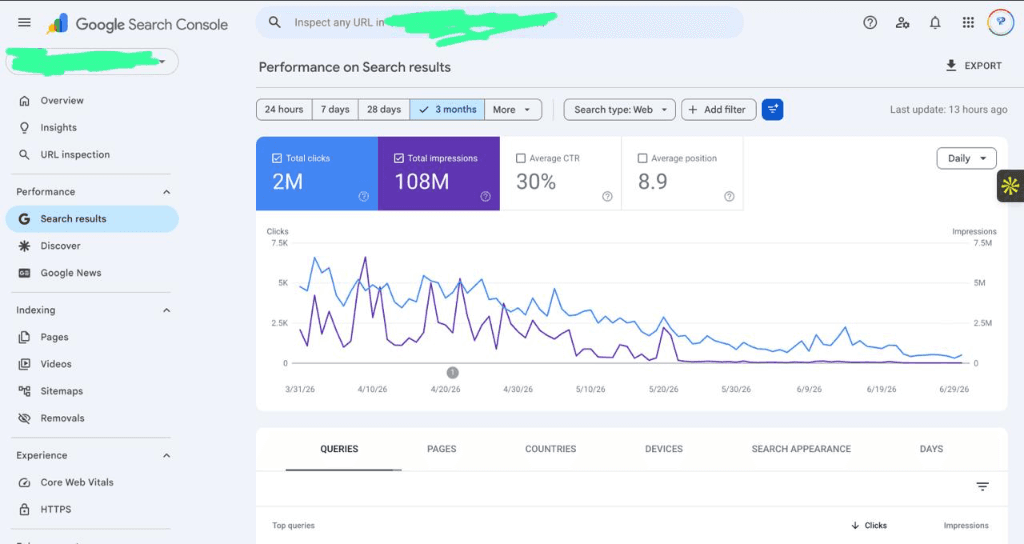
Google Search Console — 2M clicks, 108M impressions, 30% CTR
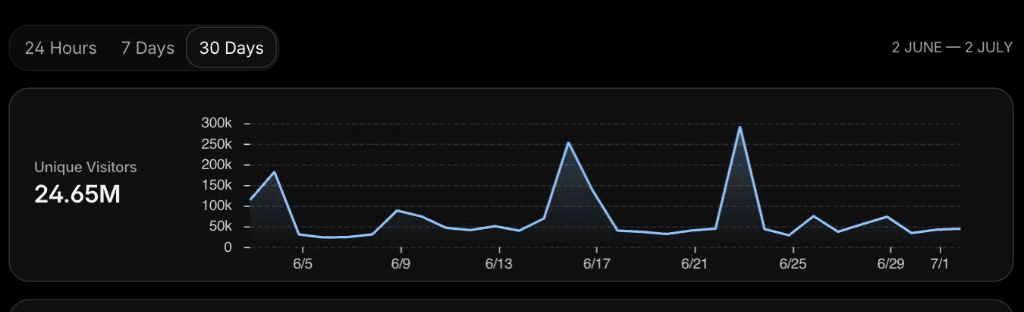
Cloudflare Analytics — 24.65M unique visitors in 30 days
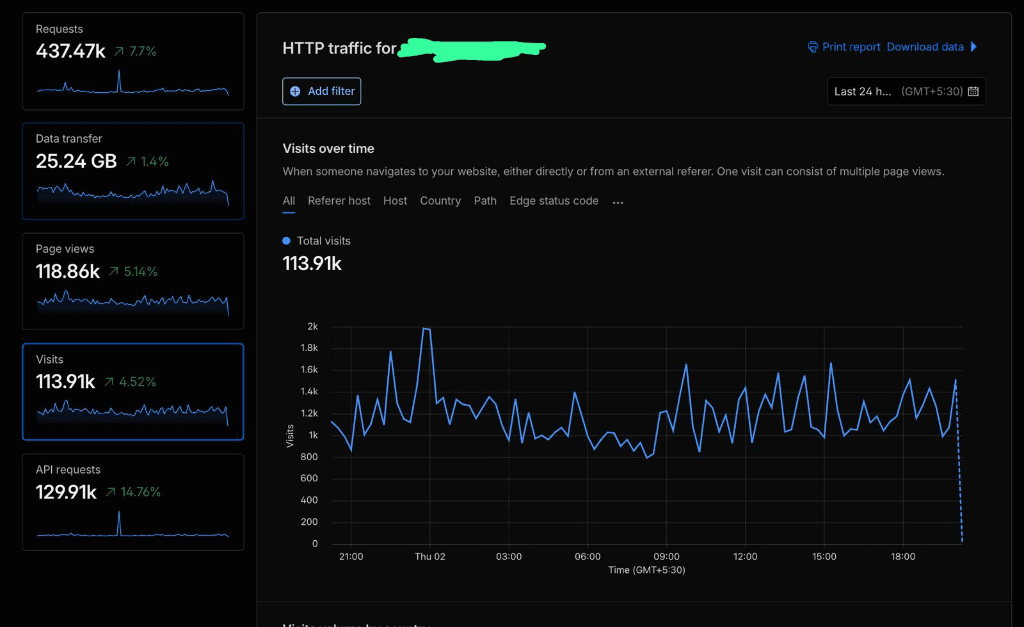
Cloudflare HTTP Traffic — 437K requests, 113.91K visits/day
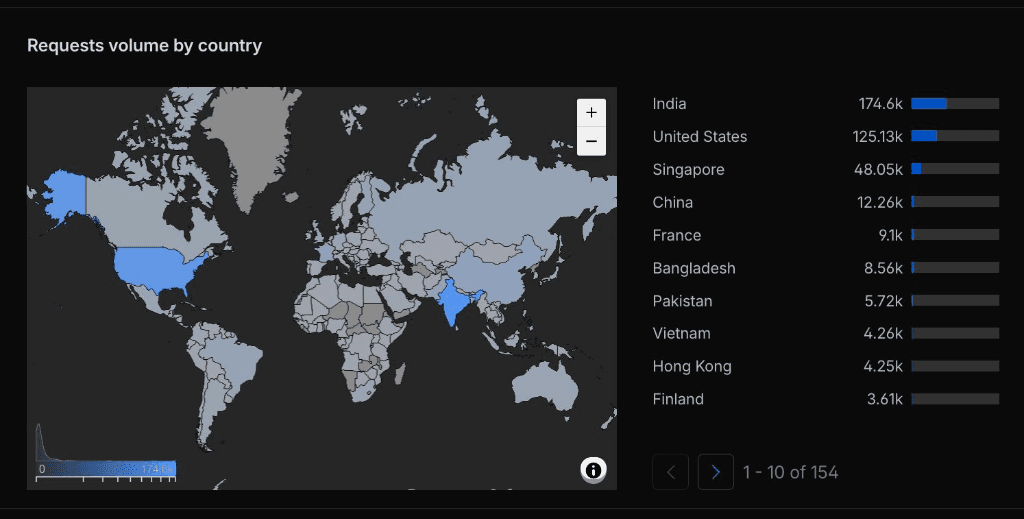
Global traffic from 154 countries — India, US, Singapore, China
🔍

0M+

Total Clicks

Google Search Console · 3 months

👁️

0M+

Total Impressions

Google Search Console · 3 months

👥

0.00M

Unique Visitors

Cloudflare Analytics · 30 days

📊

0.00K

Daily Visits

Cloudflare · 24 hours

0K+

Requests Served

Cloudflare · 24 hours

🌍

0

Countries Reached

Global traffic distribution

Google Search Console verifiedCloudflare Analytics30% average CTR154 countries served99.9% uptime

Hear directly from clients

What Directors Say

About Our Team.

Video reviews, WhatsApp screenshots, and written testimonials — straight from founders who built with us.

Read Client Reviews
Xenotix Labs team — 121+ startups launched, client reviews

Common Questions

Frequently Asked Questions

How much does it cost to hire a blockchain developer in India?

At Xenotix Labs a dedicated senior blockchain developer is ₹1.5L–₹3L per month (~$1,800–$3,600), hourly engagements are ₹1,800–₹3,000/hr, and part-time is ₹80K–₹1.5L per month. Blockchain sits at the higher end of our bands, and senior smart-contract engineers at the very top, because audited on-chain code is specialist, high-stakes work — we price that honestly rather than commoditising it. These are published INR rate cards for salaried in-house engineers, with no marketplace markup, so finance can budget before the first call. A comparable US or UK blockchain engineer typically costs several times more per month for similar output.

Why do blockchain developers cost more than other developers?

Because the job is unforgiving in a way ordinary backend work is not. On-chain code is public, immutable once deployed, and directly holds value, so a bug is not a ticket — it is a funded exploit with no patch afterward. That means exhaustive testing, fuzzing, invariant proofs, static analysis and an external-audit mindset are table stakes, not extras, and the supply of engineers who can actually do that safely is smaller. We reflect that in rates that sit at the top of our bands — ₹1.5L–₹3L/month dedicated — and we state the premium plainly rather than pricing audited on-chain code like generic CRUD.

Are your developers IIT/NIT alumni?

Our team includes NIT and IIT alumni — engineers from institutes such as NIT Kurukshetra and IIT Bombay sit on the same bench as the rest of our blockchain team and set the code-review and security bar. We say 'includes' honestly: we do not claim every engineer is an IIT/NIT graduate, and we never invent names, batch years or credentials. You hire a blended senior team where that pedigree sets the standard — in-house and pre-vetted, never a freelancer claiming an unverifiable lineage.

Are your blockchain developers freelancers or full-time employees?

They are salaried, full-time Xenotix Labs employees — not freelancers, and not contractors from a gig marketplace. On-chain code that cannot be patched is the worst possible place to discover a hire was thin, so accountability matters here more than anywhere: you get peer-reviewed contracts, continuity across the engagement, and a bench behind your engineer if someone's ever out. If a fit isn't right we swap the engineer at no extra cost; you don't re-run a hiring loop or risk momentum on a value-holding deployment.

Do you get the smart contracts audited before mainnet?

Security is the core of the job, not a final step. Every contract ships with full Hardhat or Foundry test suites, fuzzing and invariant tests, Slither and Mythril static analysis, gas profiling and a pre-audit review against reentrancy, oracle-manipulation, access-control and overflow classes — so it is audit-ready before a third-party firm reviews it. When you engage an external auditor we coordinate directly on findings and remediation and re-test the fixes. We build for the reality that on-chain code is public, immutable and holds value, so there is no room to 'fix it later.'

Is there a trial before I commit?

Yes. Every dedicated engagement starts with a 1-week paid trial. You work with the engineer on real tasks — a shipped contract, a Foundry test suite, a wallet integration, a gas-optimisation pass — judge the fit for yourself, and only continue if you are satisfied. If the fit is not right we replace the engineer at no extra cost, and there is no long-term lock-in on any model. Onboarding itself takes about 48 hours including NDA, repo access and environment setup.

Do your blockchain developers work in my time zone?

Our engineers are fully aligned to Indian Standard Time (IST) from our Modinagar/Noida base, with real overlap for your working day and coordinated standups. IST gives strong same-day overlap with the UK, Europe, the Middle East and Australia, plus a solid morning-overlap window with US teams — which turns an audit finding, a failed testnet deploy or a stuck wallet flow into a same-day answer instead of a 24-hour round trip, and that speed matters most right before a mainnet launch. A Bangalore office opens in July 2026, adding more senior blockchain talent to the same bench.

Can I hire Solidity, DeFi or Solana specialists specifically?

Yes. You can hire engineers focused on Solidity and EVM contracts for Ethereum and Polygon, on DeFi and tokenomics for protocols handling real value, on NFT and marketplace systems, or on Rust and Anchor for Solana programs. Most of our blockchain engineers are strong across the EVM stack plus Web3 front-end integration with ethers.js and wagmi/viem, so we match the engineer to the chain and the shape of your system — and we'll say honestly which chain fits, for example a single EVM chain when a multi-chain deployment would be premature complexity.

Which blockchains and chains do your developers build on?

On the EVM side that's Ethereum, Polygon, Arbitrum, Base and BNB Chain, using Solidity, Hardhat/Foundry and OpenZeppelin; on Solana it's Rust and the Anchor framework. We choose the chain for your users' cost, speed and liquidity rather than defaulting to one, bridge assets when a product genuinely spans chains, and keep gas, finality and RPC reliability in view. If you're early and undecided, we'll walk you through the Ethereum-versus-Polygon-versus-Solana trade-offs for your specific product and TVL rather than pushing whatever we used last.

Who owns the code, contracts and IP, and how is security handled?

You own everything from day one — source code, smart contracts, keys and infrastructure credentials — deployed under your own accounts and your own chains so nothing is held on our side. Our engagement contract has explicit IP-transfer language and mutual NDAs are signed before scoping. Security is built in throughout: OpenZeppelin bases, checks-effects-interactions ordering, reentrancy guards, Foundry/Hardhat fuzzing and invariant tests, Slither/Mythril analysis and a pre-audit review, plus least-privilege key handling — so there's no lock-in, no handover risk, and no unaudited surprise when you scale or move later.

What skills should I look for in a blockchain developer?

Look past 'knows Solidity' for idiomatic contracts built on OpenZeppelin bases with proper modifiers, custom errors and events; real security reasoning — they can explain a reentrancy attack and the checks-effects-interactions fix, and how a flash loan exploits a mispriced pool; testing depth in Foundry/Hardhat with fuzzing and invariant tests, plus Slither and Mythril; gas and EVM fluency around storage layout and calldata versus memory; and Web3 integration experience wiring a contract to a wallet with ethers.js or wagmi/viem. Those are exactly the six dimensions we vet every Xenotix blockchain engineer against before they reach a client.

How do I write a job description for a blockchain / Solidity developer?

Lead with the product and the on-chain problem, then list the stack concretely — Solidity, EVM (Ethereum/Polygon) or Solana (Rust/Anchor), Hardhat/Foundry, OpenZeppelin, ethers.js/wagmi — so candidates can self-select. Separate must-haves (a shipped or audited contract, Foundry/Hardhat testing, security awareness) from nice-to-haves (DeFi, Solana, The Graph indexing). State whether the role touches real value and therefore requires audit experience, and specify seniority, IST/time-zone expectations and contract-versus-salaried. Keep it honest and specific; vague 'Web3 ninja' posts attract volume, not fit. We can share a template for any of our roles.

What are good interview questions for a blockchain developer?

Mix code and adversarial reasoning: ask them to spot and fix a reentrancy bug in a small contract, explain how they'd make an oracle manipulation-resistant, walk through how a flash loan could drain a naive AMM pool, and write a Foundry invariant test for a staking accounting rule. Favour a short 'ship a small ERC-20 or a vault with tests' exercise over trivia — it reveals real security habits. Ask them to walk through a contract they personally took to testnet or mainnet and what the audit found; the trade-offs and the fixes reveal far more than any puzzle. It mirrors how we assess our own bench.

How long does it take to hire a blockchain developer?

Hiring one yourself typically takes weeks to months — sourcing, screening, security-focused technical rounds, an offer and a notice period, which is especially brutal because genuinely audit-capable Solidity talent is scarce and in demand. With Xenotix Labs you skip that funnel: we onboard a pre-vetted, salaried senior blockchain engineer within about 48 hours of finalising the engagement, including NDA, repo access and environment setup, and start with a 1-week paid trial so you validate fit fast on real on-chain work. If it's not right we replace at no extra cost — no re-running a months-long hiring loop for a hard-to-find specialty.

Start Your Project

Let's Build Something Exceptional Together

From concept to launch, we craft digital products that drive real business results.

50+

Projects Delivered

10M+

Users Reached

6K+

Active SaaS Users

Start Your Project
WhatsApp us