

Hire senior EdTech app developers in India — salaried engineers who shipped adaptive learning, LMS, and live classes
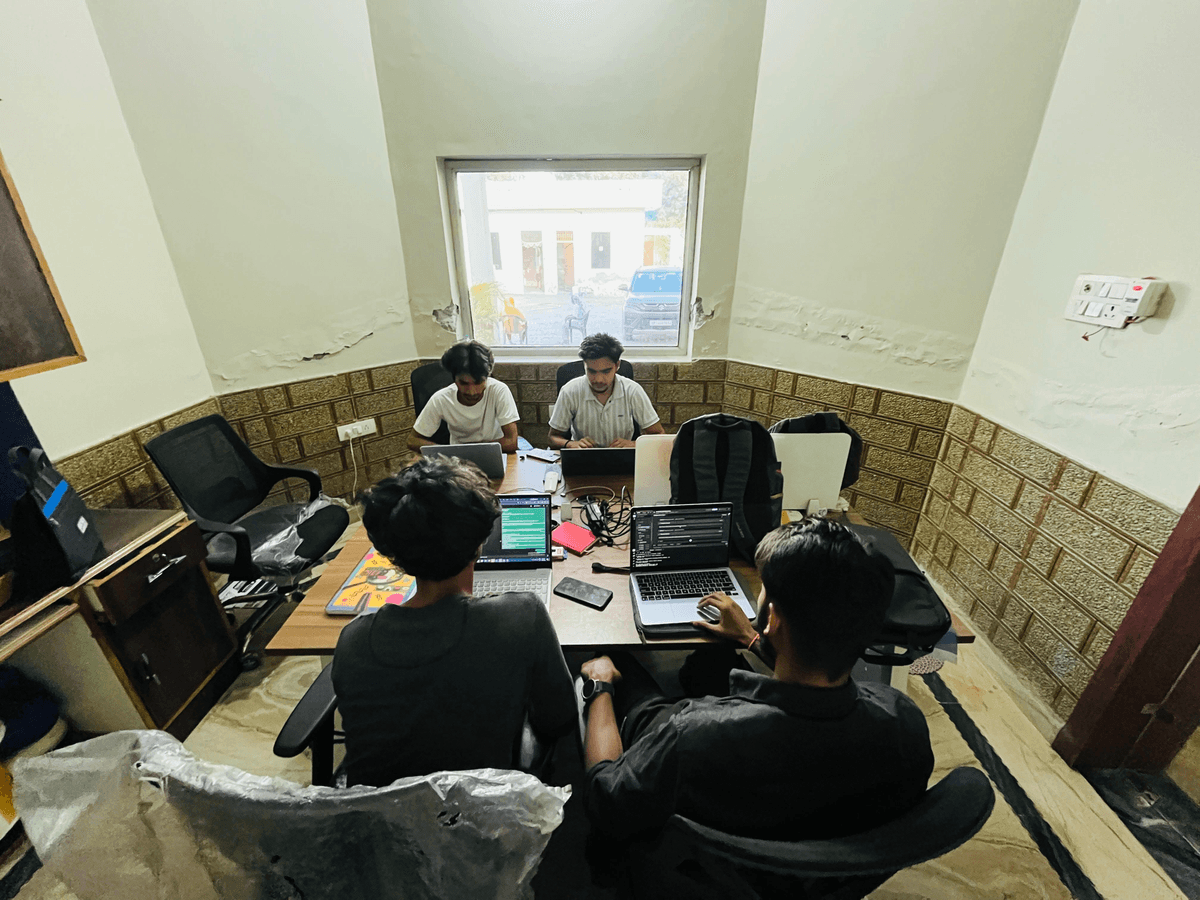
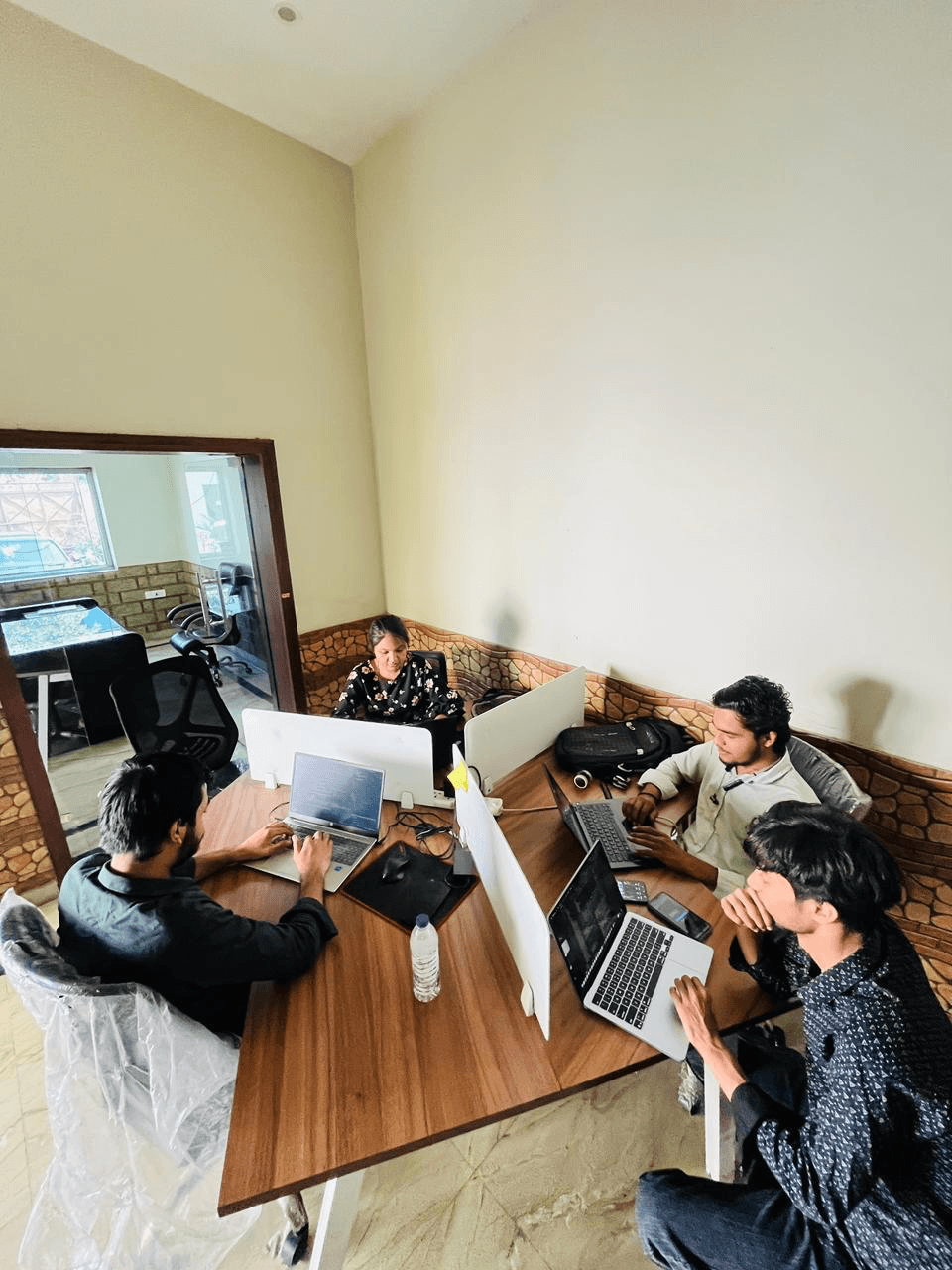
Xenotix Labs is where founders come to hire EdTech app developers in India who have actually shipped a live, AI-driven learning product — not a course-video wrapper stitched together over a weekend. We are a founder-led, startup-first software company, and the engineers we put on your edtech build are salaried, full-time employees, not freelancers rented from a marketplace. Our team includes NIT and IIT alumni (NIT Kurukshetra, IIT Bombay among them), works IST-aligned out of our Modinagar and Noida hubs, and has collectively shipped 110+ apps across 50+ brands with more than 10 million users, holding a 4.7-star rating across 76 reviews. When you hire an edtech engineer through us, you get someone who has built the exact primitives edtech products are made of.
The clearest proof is Alcedo — our flagship AI adaptive-learning edtech platform. Alcedo is not a demo; it is a production system where the learning path bends to the individual learner, difficulty adjusts from performance signals, and mastery is scored rather than guessed. The engineers who designed Alcedo's adaptive engine, its assessment pipeline, and its content model are on the same bench you hire from. That is the difference between hiring a generalist mobile developer who will learn edtech on your budget, and hiring an engineer who already knows why a naive quiz table melts on exam day, how to keep a WebRTC live class stable on a patchy 4G connection in a Tier-3 town, and how to structure adaptive difficulty so it feels personal instead of random.
Edtech is deceptively hard, and it is hard in ways that only show up in production. A learning app is really four difficult systems wearing one logo: a content and LMS layer with course authoring, enrollment, SCORM/xAPI tracking, and multi-tenant isolation; a live-class layer on WebRTC with media routing, recording, and breakout rooms; an assessment engine that has to survive lakhs of concurrent test-takers hammering submit in the same sixty seconds; and a video pipeline with adaptive bitrate, DRM, and offline downloads tuned for data-conscious Indian learners. Most agencies can build one of these convincingly. We have shipped all four, which is why our engineers can reason about the seams between them — the place where most edtech products actually break.
Our hiring models flex to your stage and are priced in transparent INR with no post-call markup. Pre-seed and bootstrapped founders usually start with a Part-Time Developer at ₹60,000–₹1,10,000 per month (80 hours) — enough senior firepower to ship a learning-app MVP without a full-time burn before product-market fit. Seed-funded teams take a Dedicated Developer at ₹1,20,000–₹2,20,000 per month (160 hours, exclusively yours). US, UK, and UAE customers, and anyone needing surge capacity or a WebRTC/assessment audit, take Hourly engagements at ₹1,500–₹2,700 per hour. Every engagement includes a mutual NDA signed before scoping, 100% IP transfer to you from day one, and a 1-week paid trial so the decision is de-risked before you scale it.
Why hire edtech developers from India specifically in 2026? The cost economics remain compelling — even after the rupee's recent strengthening, senior edtech engineers in India ship comparable output to US peers at roughly 60–70% lower cost. But cost is table stakes; the deeper reason is depth of edtech experience. India runs some of the largest learning platforms on earth, exam-prep at a scale no other market rehearses, and the resulting engineering talent has fought the exact battles your product will face: concurrency spikes on results day, video delivery to price-sensitive mobile users, vernacular content, and low-bandwidth live classes. That accumulated, scar-tissue knowledge is what you are really buying when you hire edtech developers in India, and it is why Xenotix engineers ship shippable code in week one instead of week four.
Onboarding is genuinely 48 hours, not a slogan, because there is no ramp on internal patterns — our engineers wrote them. They come pre-loaded onto our internal component library, our LMS and assessment scaffolds, and the adaptive-learning patterns proven on Alcedo, so your first sprint produces working software rather than architecture debates. You keep the person you onboard; engineers do not silently rotate off your project mid-release. And because we are salaried-employee-based, the accountability chain is real: the founder, the engineering lead, and the individual engineer all answer for your delivery. This page walks through exactly what we build, how our engineers are vetted, what each engagement tier costs, the case studies that prove it, and the questions founders ask before they hire an edtech developer in India.