

An edtech app development partner for Bangalore founders — adaptive learning shipped, honest about where the classroom ends
Bengaluru is India's edtech engine room. The category's biggest names grew up here, and the next wave is being built right now in coworking floors around Koramangala and HSR Layout, in tutoring startups near Indiranagar, and inside upskilling platforms out toward Whitefield and Electronic City. The founders we speak to are not chasing a spot on a 'top edtech developers' listicle; they are trying to hold learner attention past week one, prove a completion or outcome metric to a board, and ship before the academic intake or a fresh funding round. The head term 'edtech app development company bangalore' is thick with directories. Xenotix competes on something a directory cannot fake: Alcedo, an AI adaptive-learning platform already live, plus 110+ production apps and founder-led engineers who understand what actually keeps a learner coming back.
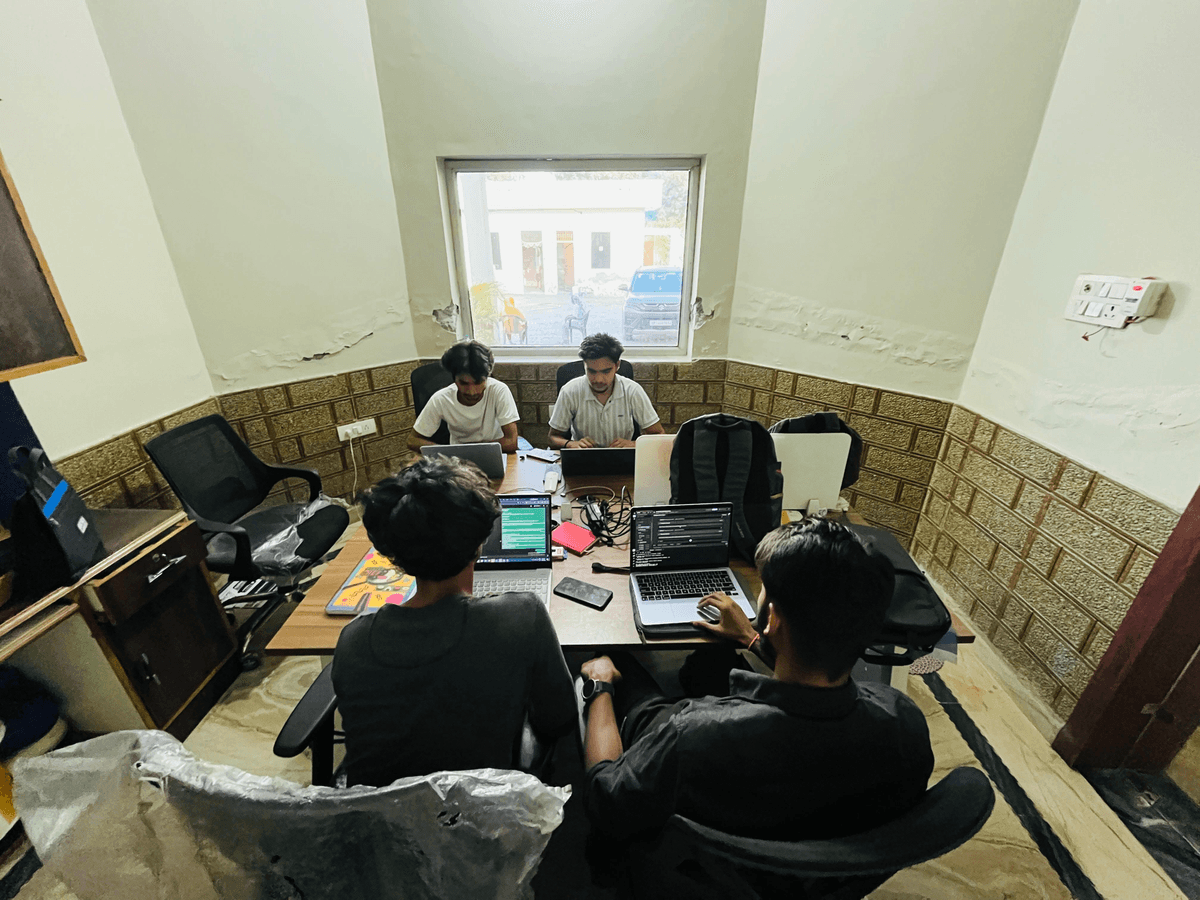
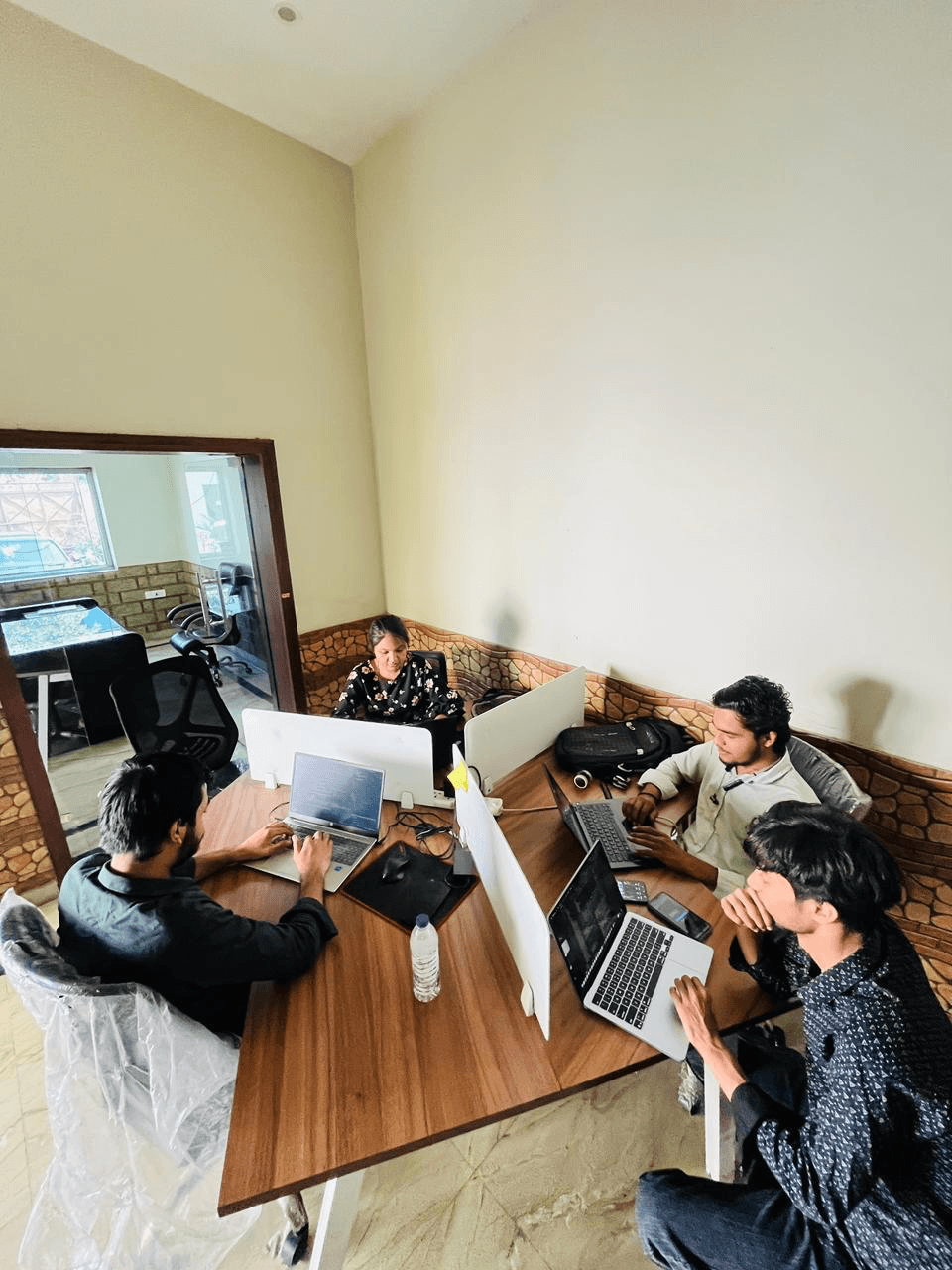
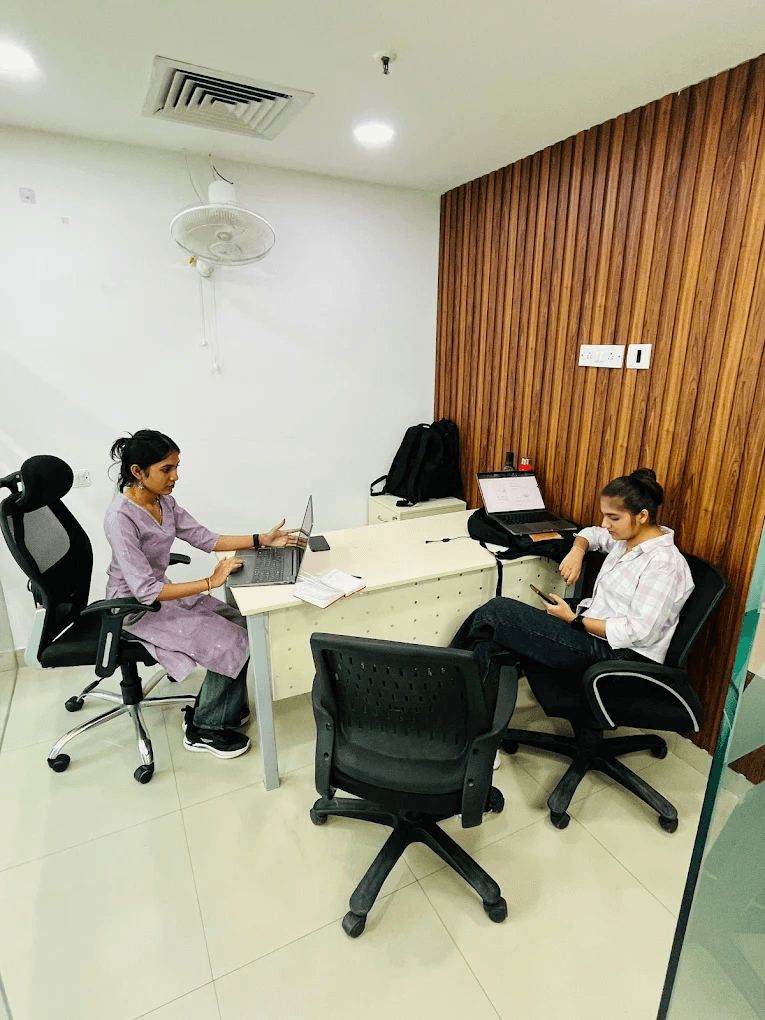
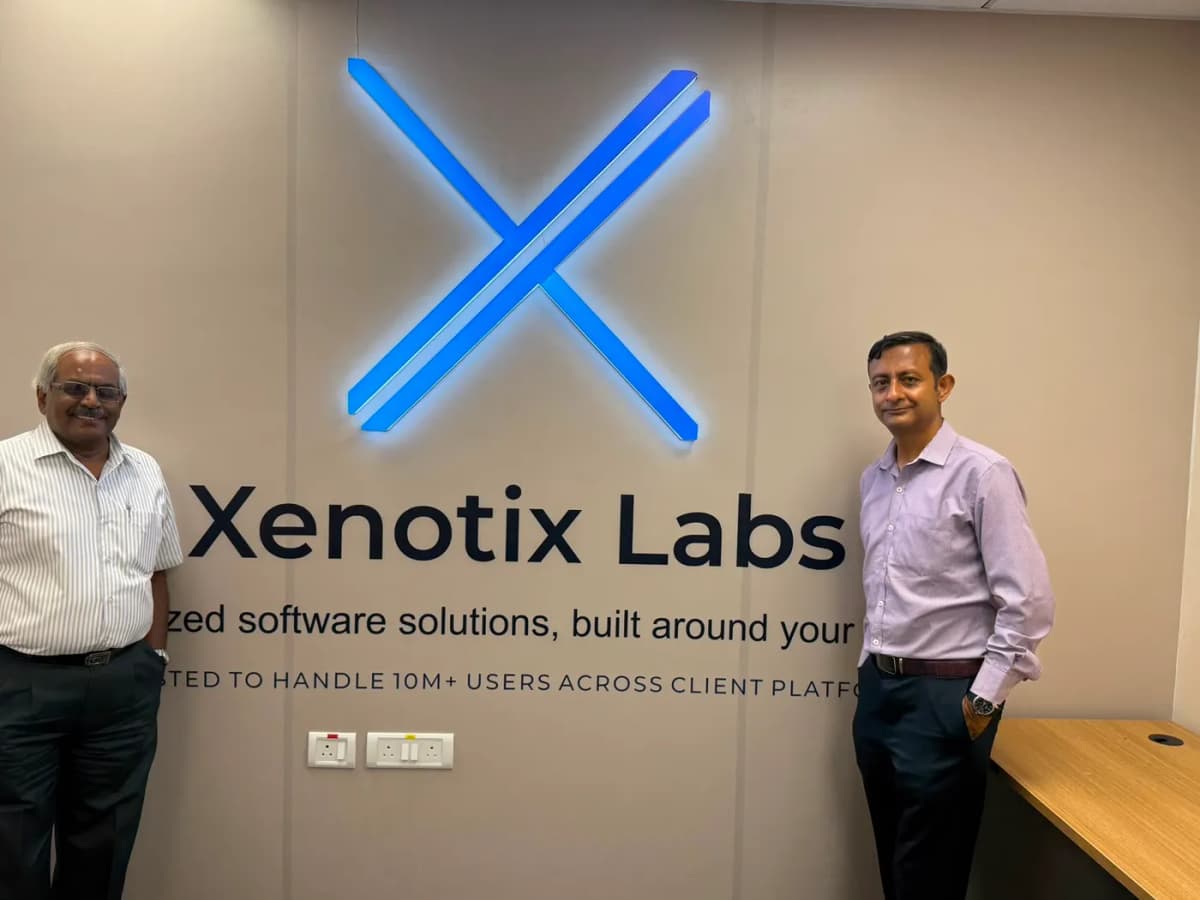
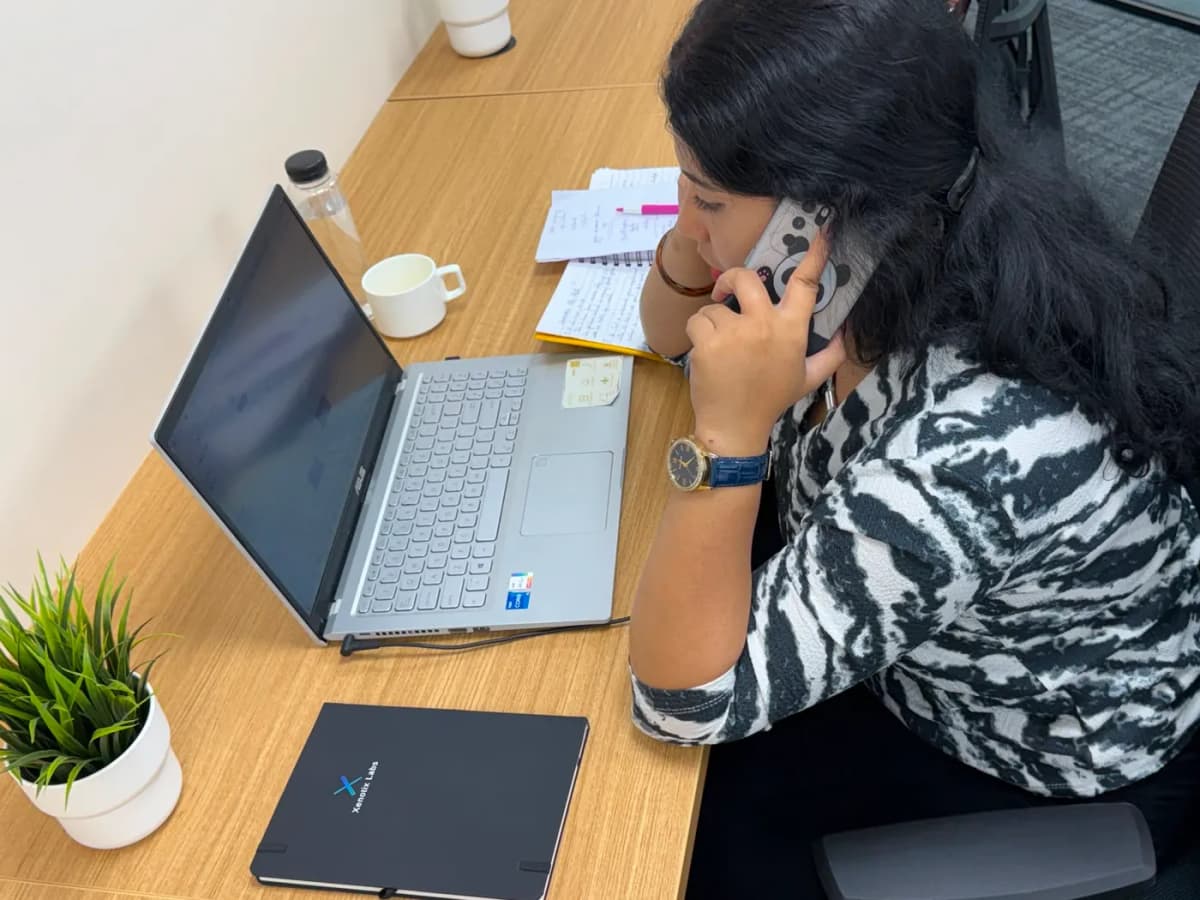
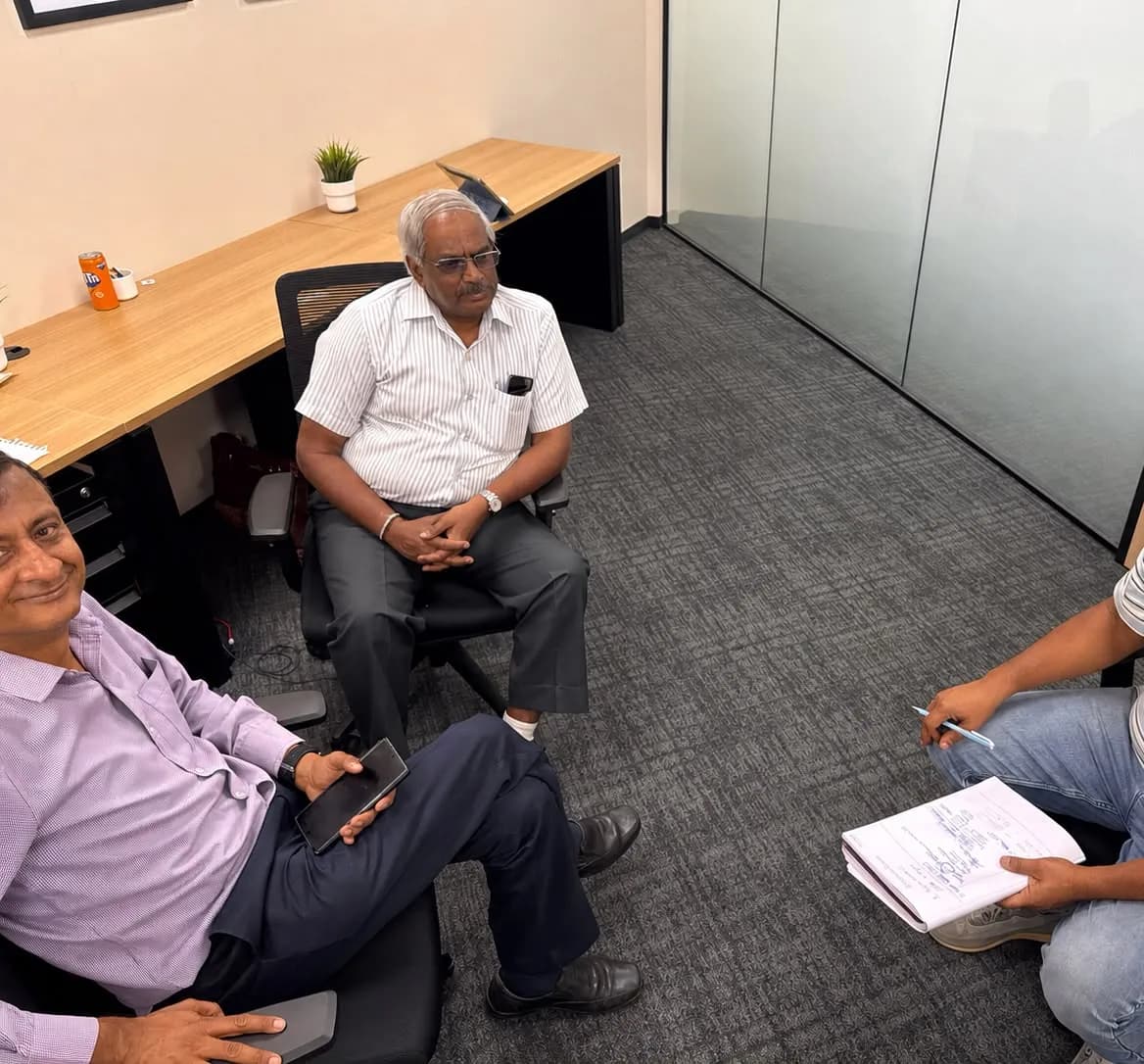
We will be straight about geography, because Bengaluru founders hear a lot of location theatre. Xenotix now has a Bengaluru office at Regus, MSR North Tower, Nagavara (North Bengaluru), where you can meet the team by appointment. Our engineering HQ is in Modinagar (Uttar Pradesh), our sales office is in Noida, and we serve Bangalore edtech teams on the same IST school-day hours, with weekly demos, a shared Slack, and senior engineers on your product instead of a local account handler. What our office gives you is a place to meet in person; what we bring is a team that has already put adaptive learning, live-class infrastructure and assessment engines in front of real learners. For a founder weighing where scarce build budget goes, a learning product that already holds retention is worth more than a plausible pin on a map.
Alcedo is the reference point we keep coming back to, and it is worth being precise about why. It is an AI edtech platform that runs adaptive learning paths in production — the system reads how a learner performs and reshapes the sequence, difficulty and content they see next, rather than serving every student the same linear playlist. That is built on Python/ML pipelines we own end to end, not a thin wrapper around a public LLM that breaks the moment usage climbs. When a Bengaluru founder says 'we want AI in the product', this is the difference between a demo that impresses an investor for ten minutes and a system that measurably improves retention and mastery over a term.
Transparent cost is the part Bengaluru edtech founders remember longest, because most of them are spending investor money against a runway clock. A focused MVP — an LMS with a course player, video lessons and quizzes — sits at ₹4-12L; a multi-feature platform with live classes, an assessment engine, cohorts and analytics at ₹12-35L; a full learning suite with adaptive AI, gamification and admin tooling at ₹35-60L+. Every quote lands as a feature-by-feature breakdown with a rupee figure against each line, and each sprint ends with a working course player, live-class flow or quiz engine you can click through yourself. You judge the spend on running software in a review, never on a lump-sum invoice you have to take on faith.