Go | gRPC | Microservices | Kubernetes

Hire Golang Developers in in India

Hire salaried senior Go engineers for high-performance microservices, concurrent systems, and gRPC APIs. NIT & IIT alumni, IST-aligned, transparent INR pricing. Dedicated, hourly, or part-time.

110+Products
4.7★Google
70+Flutter Apps
76+Reviews
🇮🇳

Team backed by NITians & IITians · Offices in Noida & Modinagar · Pvt Ltd Company

Get a Free Callback

We'll discuss your project and share a free estimate. No spam, ever.

“we personally review every enquiry” — Xenotix Sales Team

110+

Products Shipped

50+

Brands Served

10M+

Users Reached

4.7★

Google Rating

76+

Client Reviews

Ready to build something real?

Tell us what you're working on. We'll handle the legal, tech, and marketing — you focus on the vision.

Book Free Consultation
🔊

Review

🔊

HR Software

🔊

SNSG Gyan

Team Backed by NITians & IITians

Our engineering team includes alumni from India's premier institutions — building production-grade apps with the rigor and depth these programs instill.

NIT Alumni

National Institute of Technology

IIT Alumni

Indian Institute of Technology

7+ Years

Building Production Apps

110+ Products

Shipped to App & Play Store

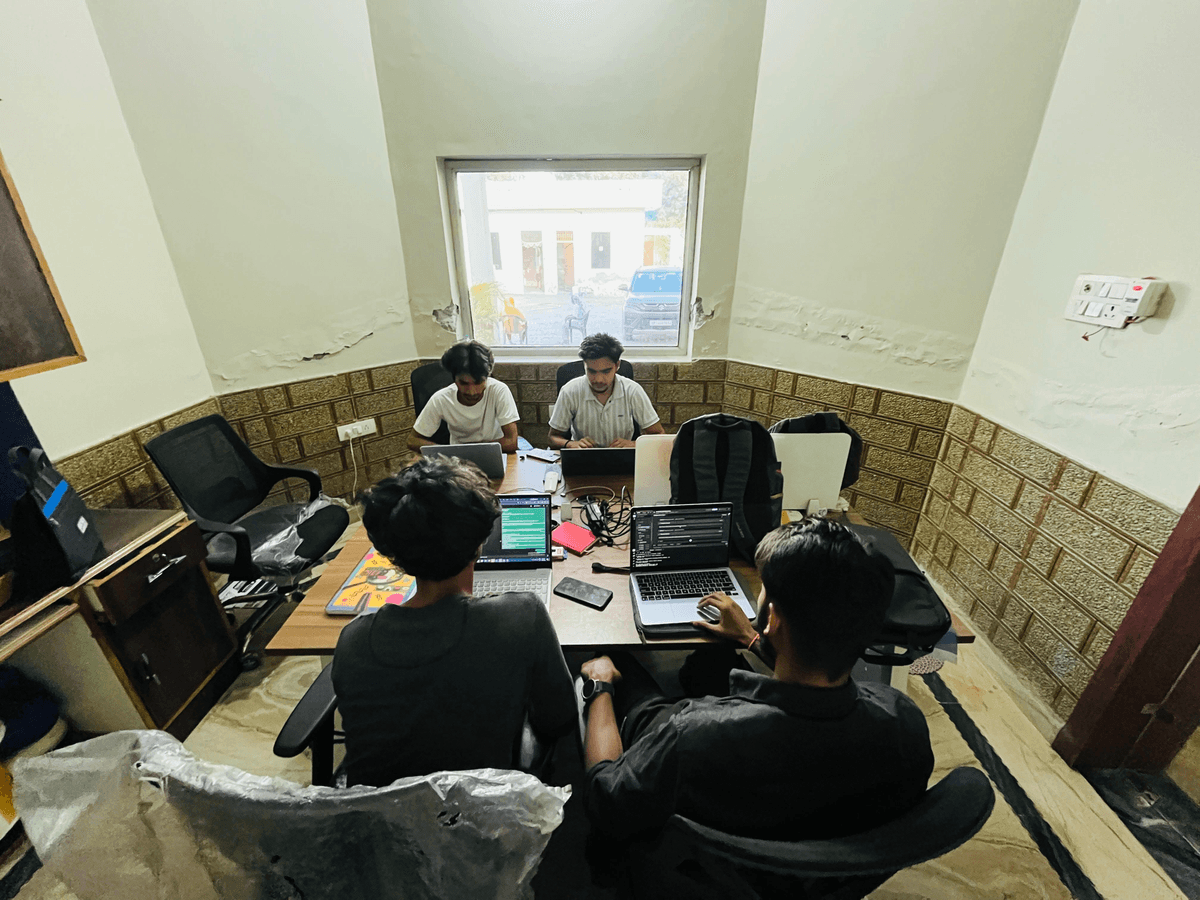
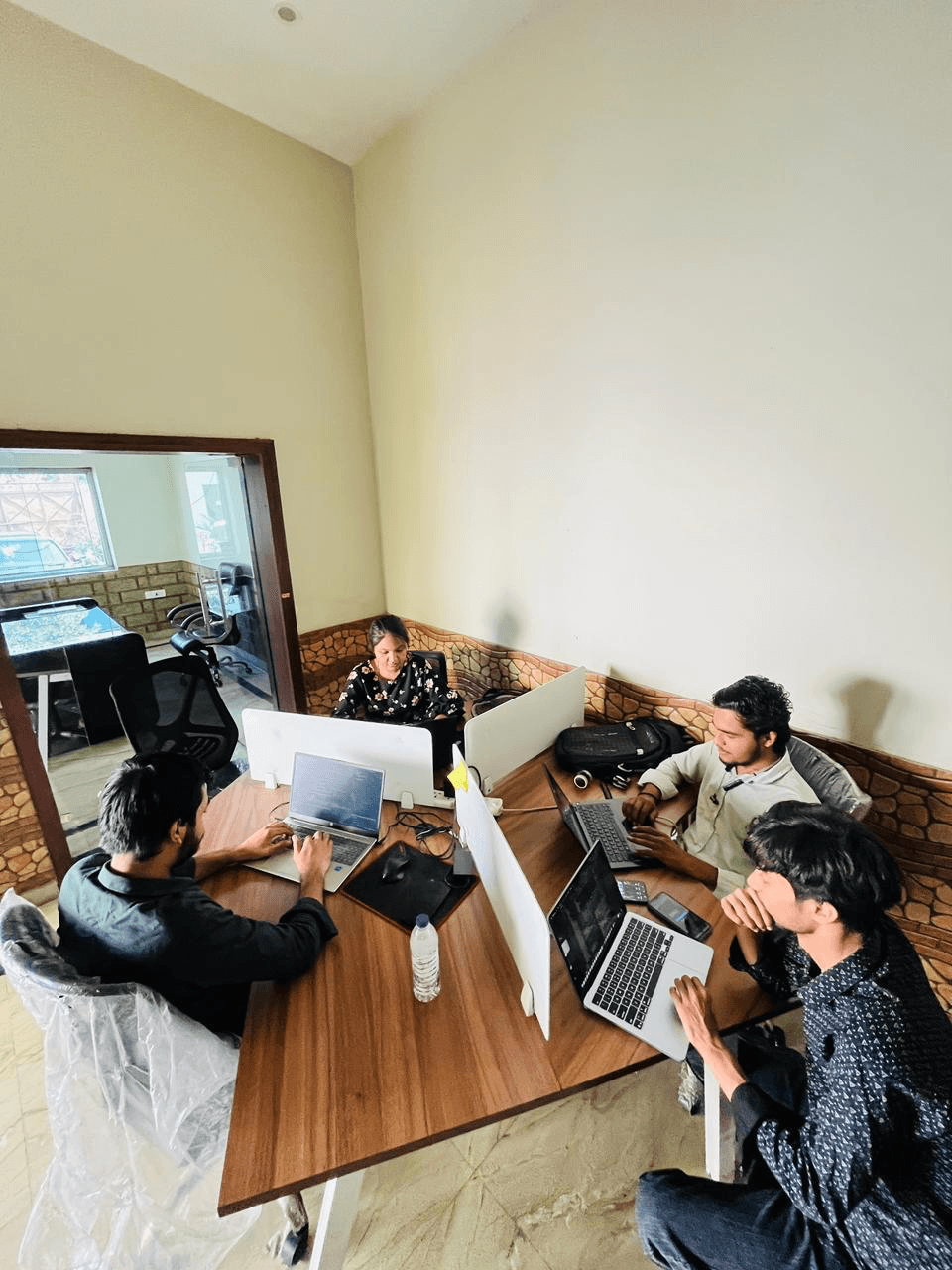
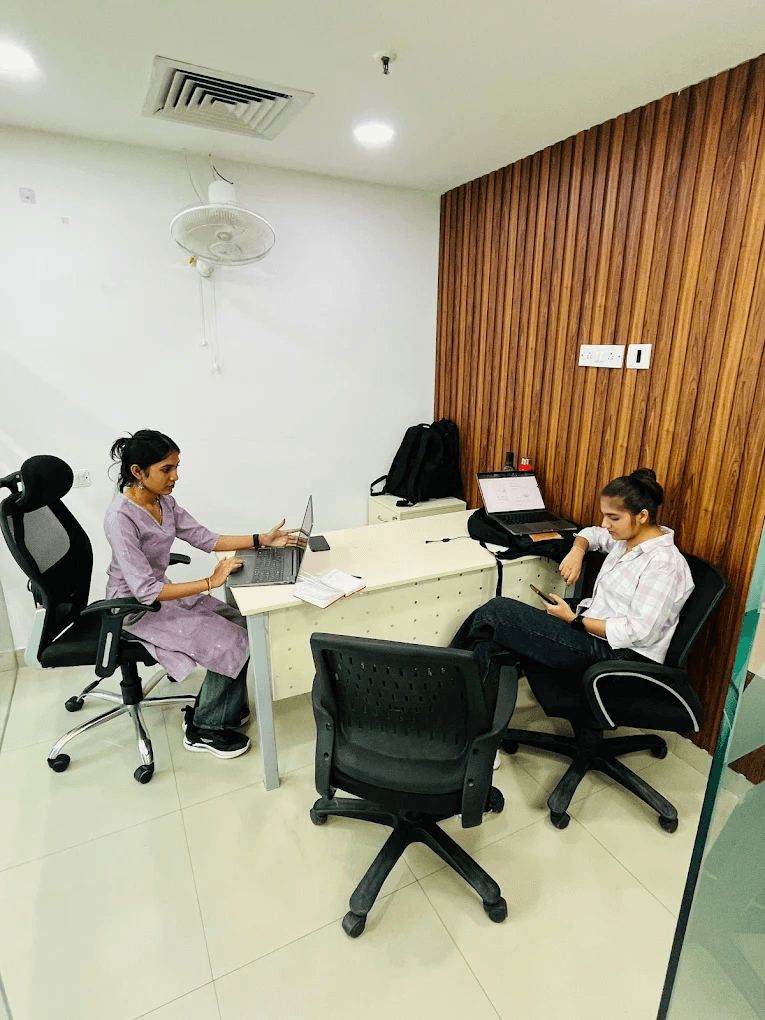
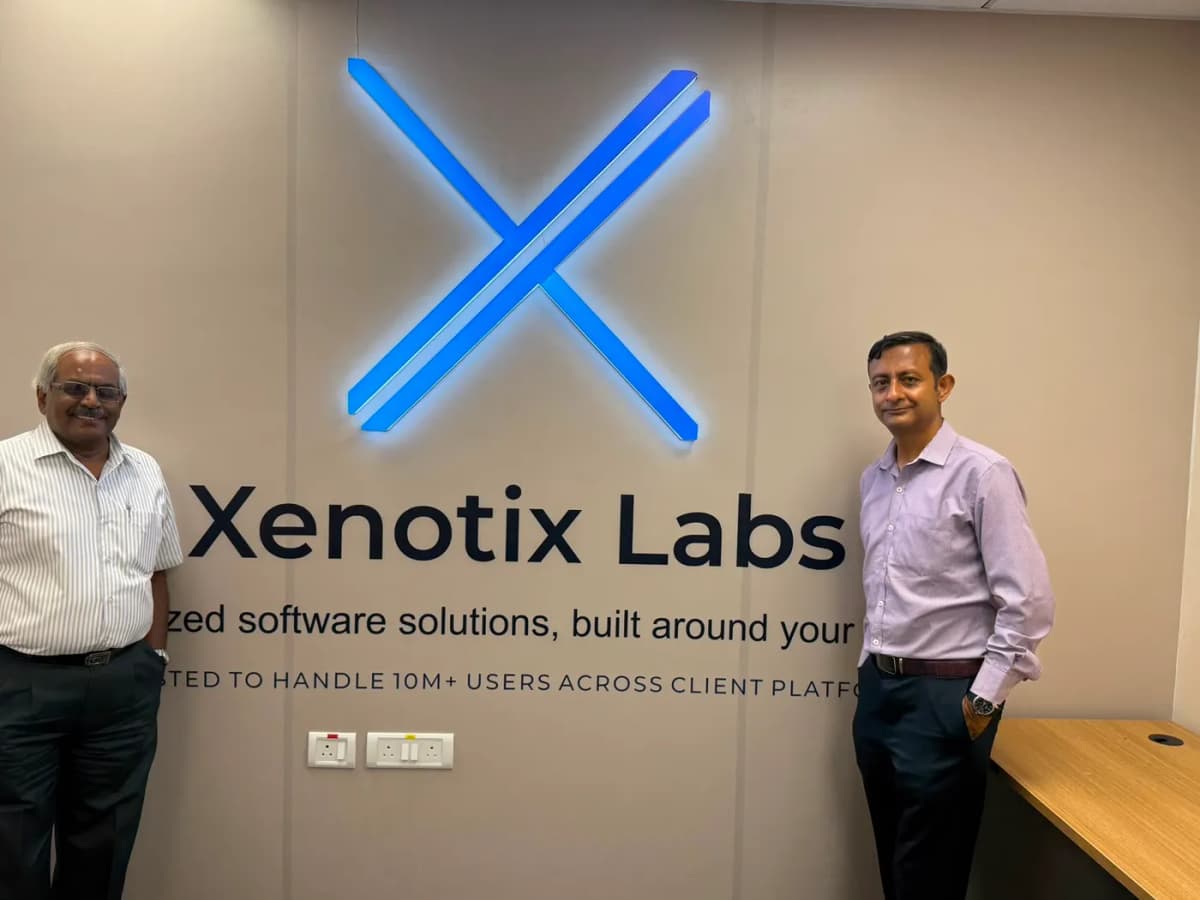
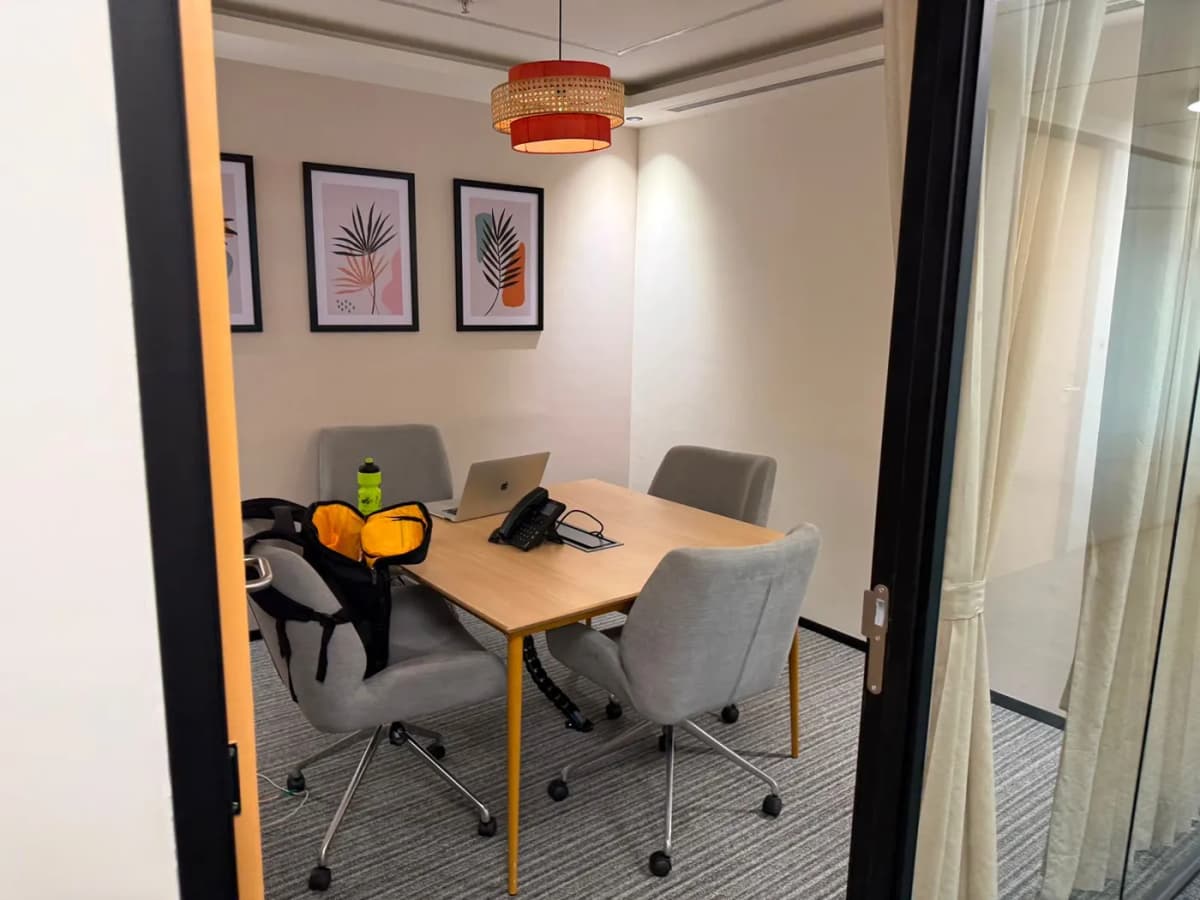
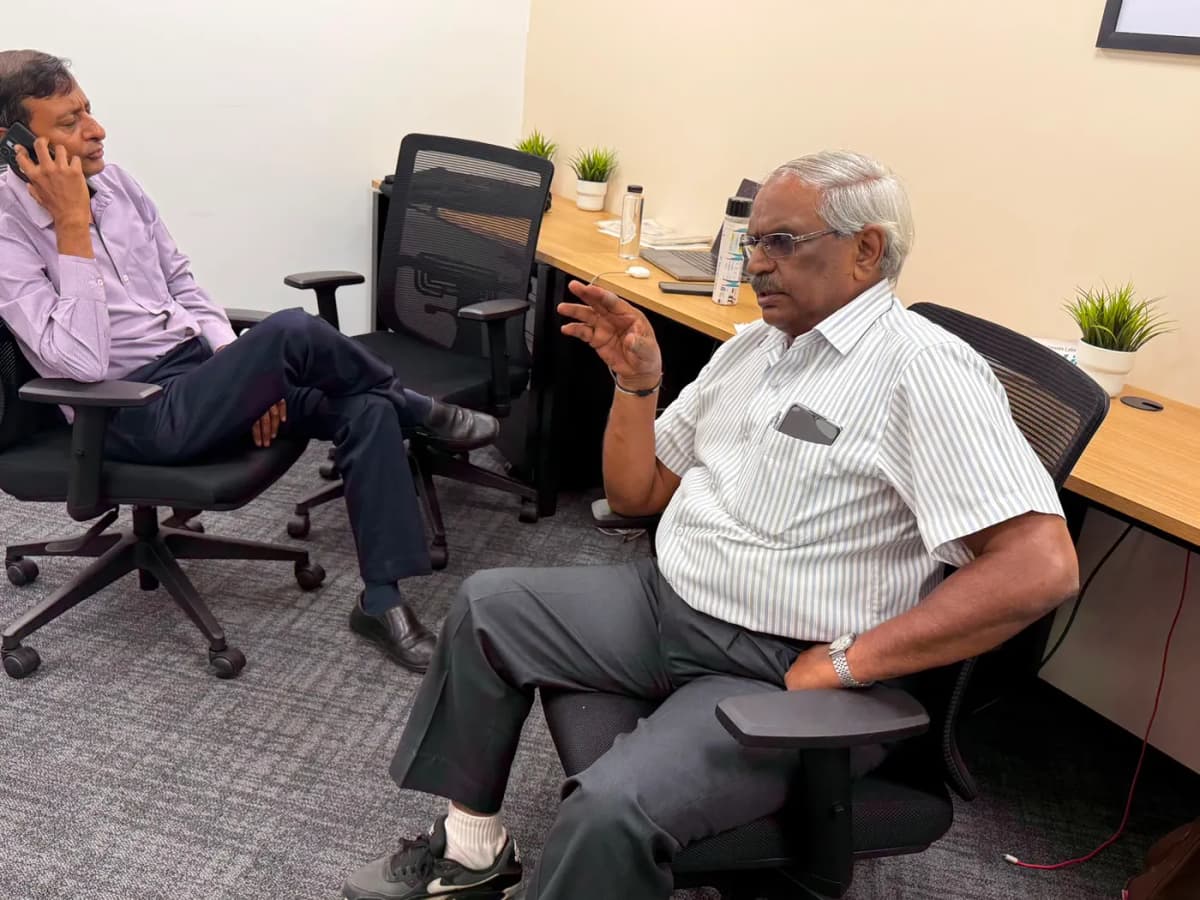
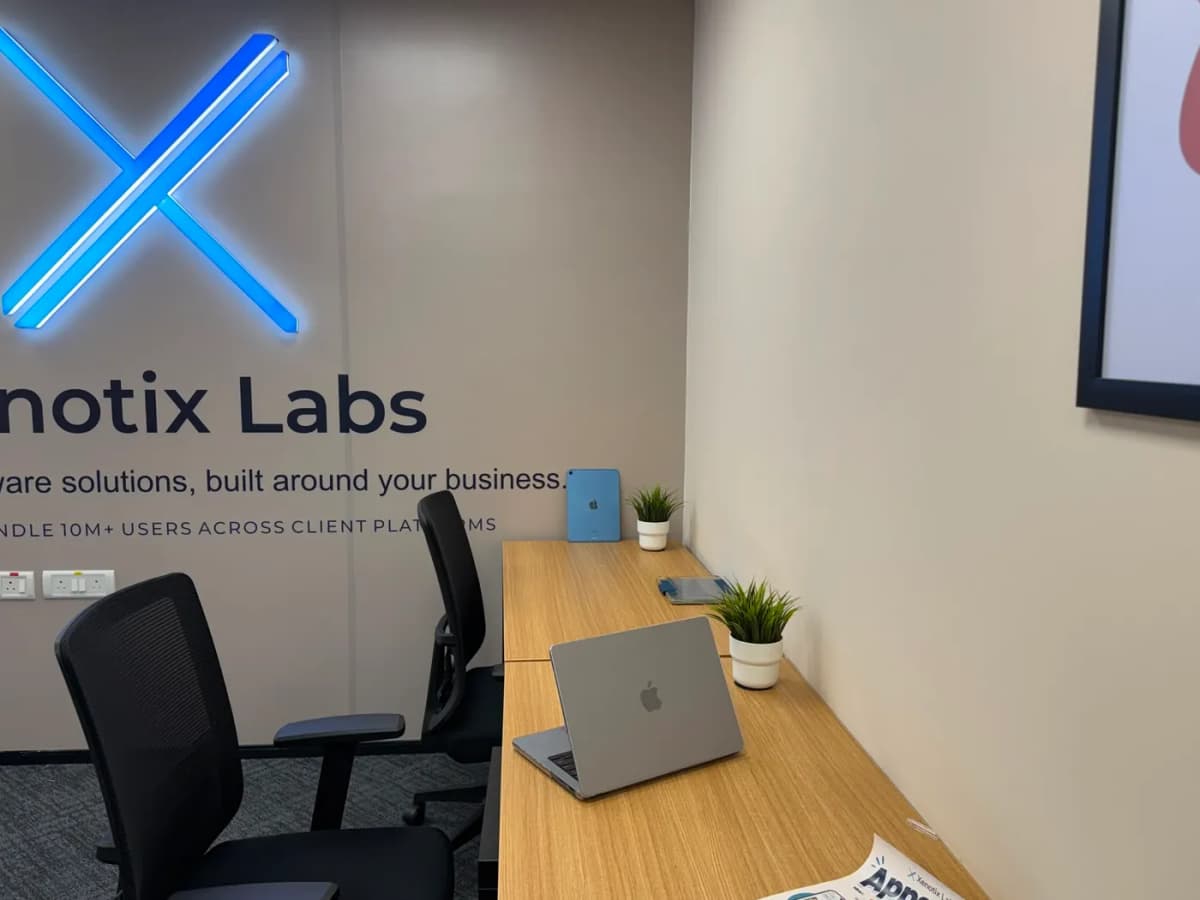
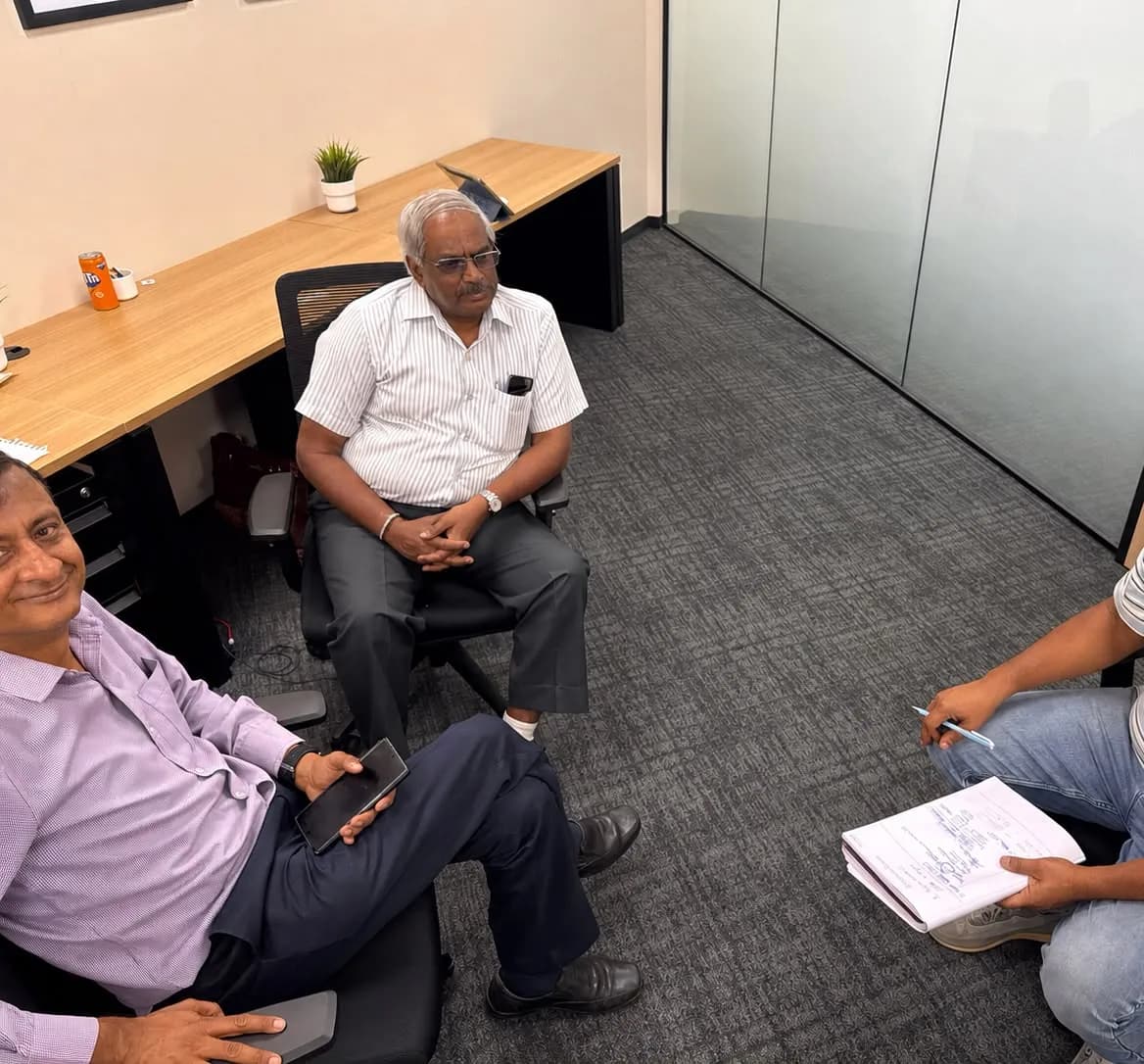
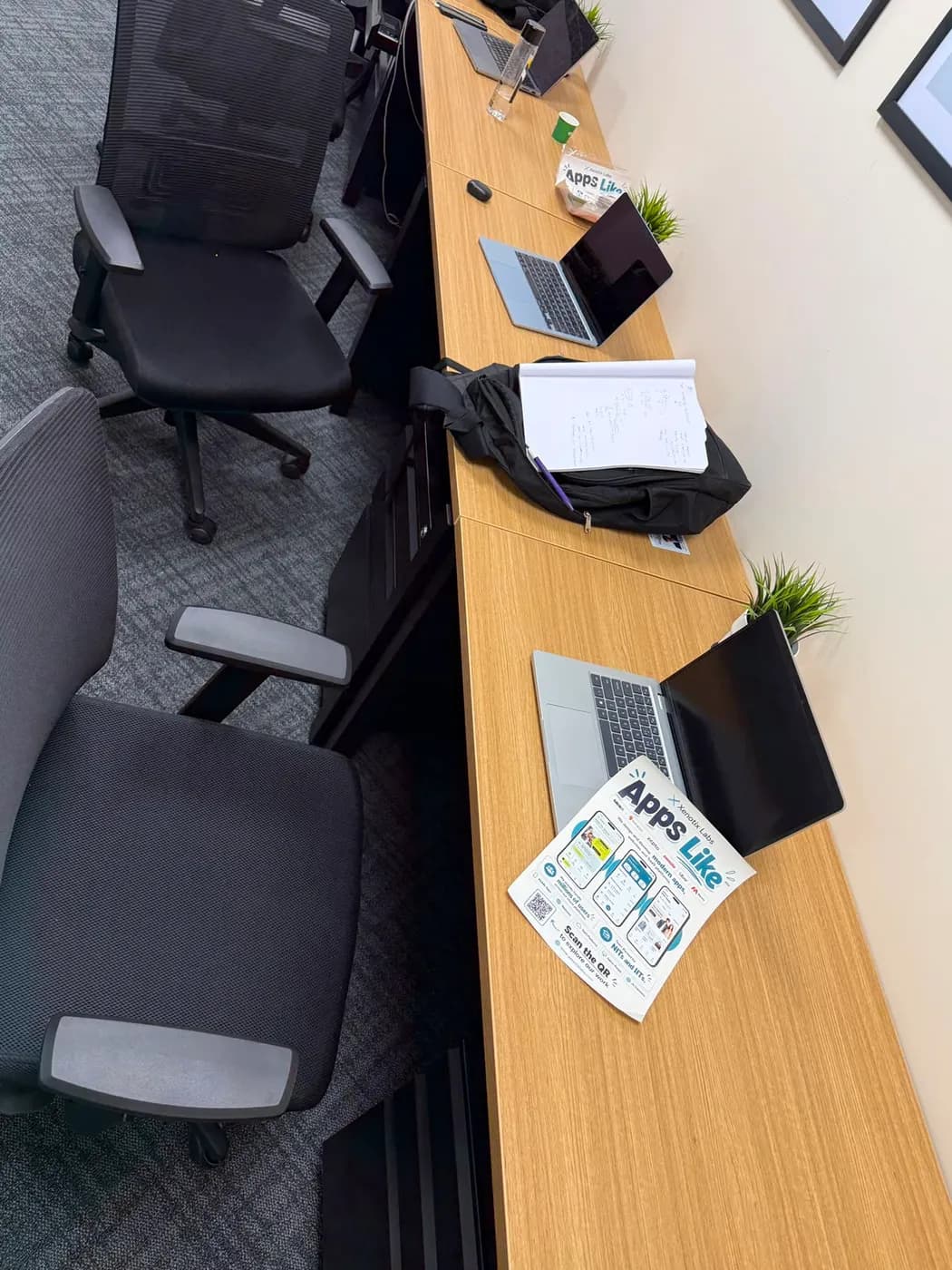
Inside our office — real team, real work

Xenotix Labs office entrance
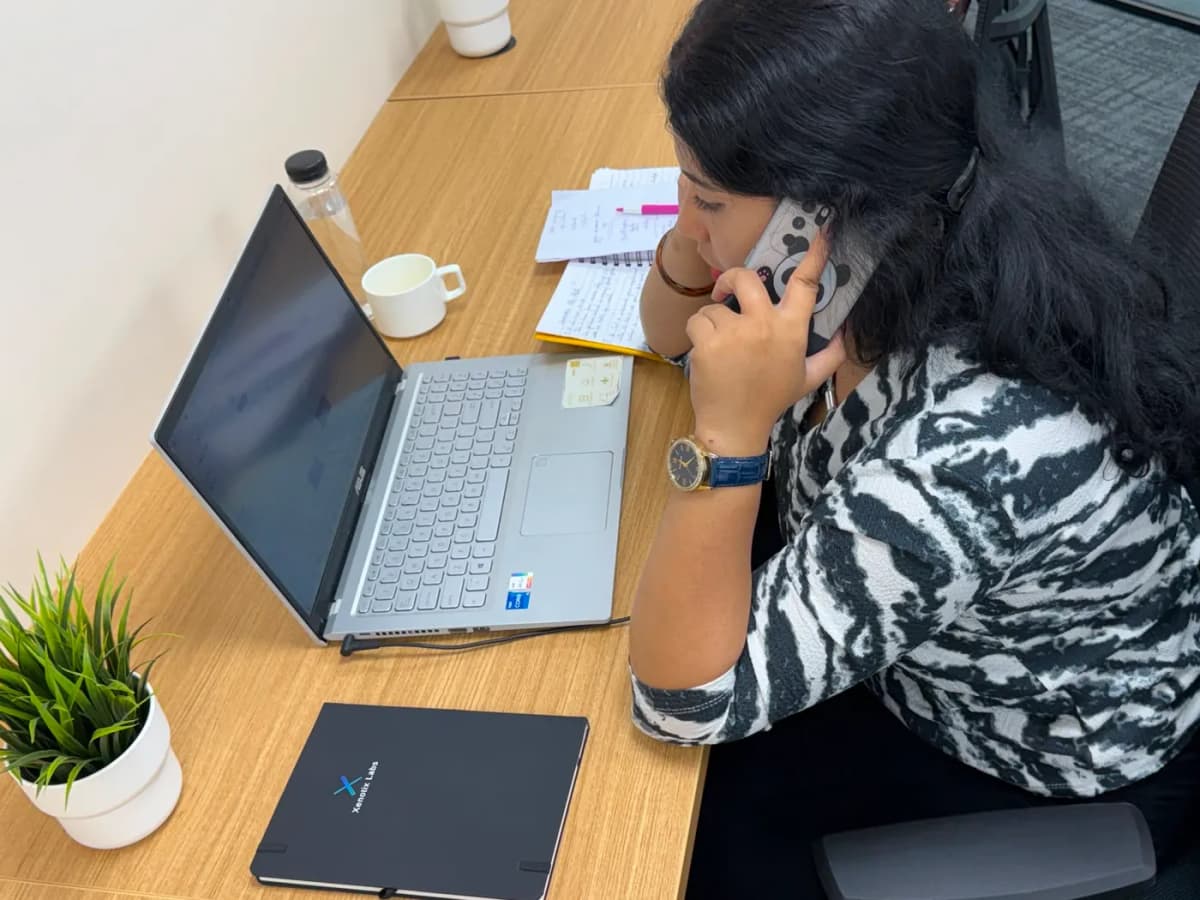
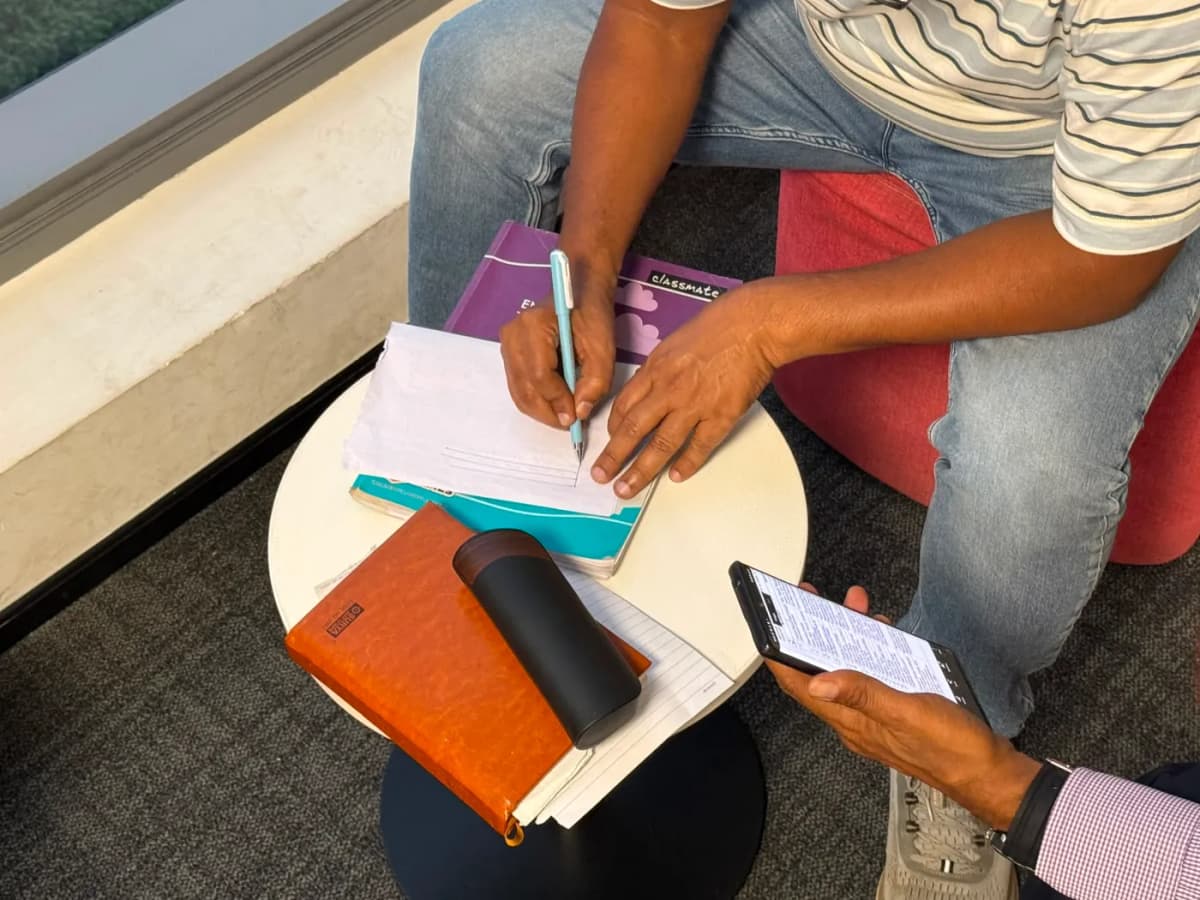
Engineers coding together at Xenotix Labs
Open workspace at Xenotix Labs
Team design review session
Developers working on client projects
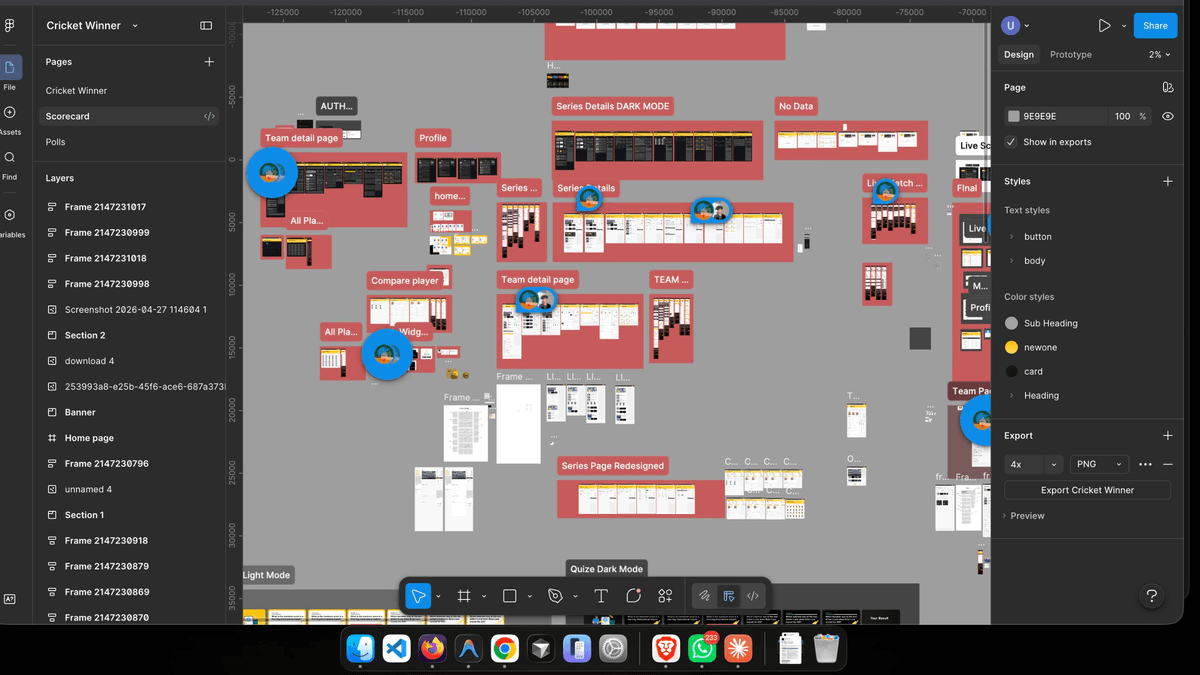
Team designing Cricket Winner app in Figma
Engineer at coding desk
Development team at work
🏢Registered Pvt Ltd Company
📍Office in Noida, Sector 62
🇮🇳Proudly Indian
4.7★ Google Rating

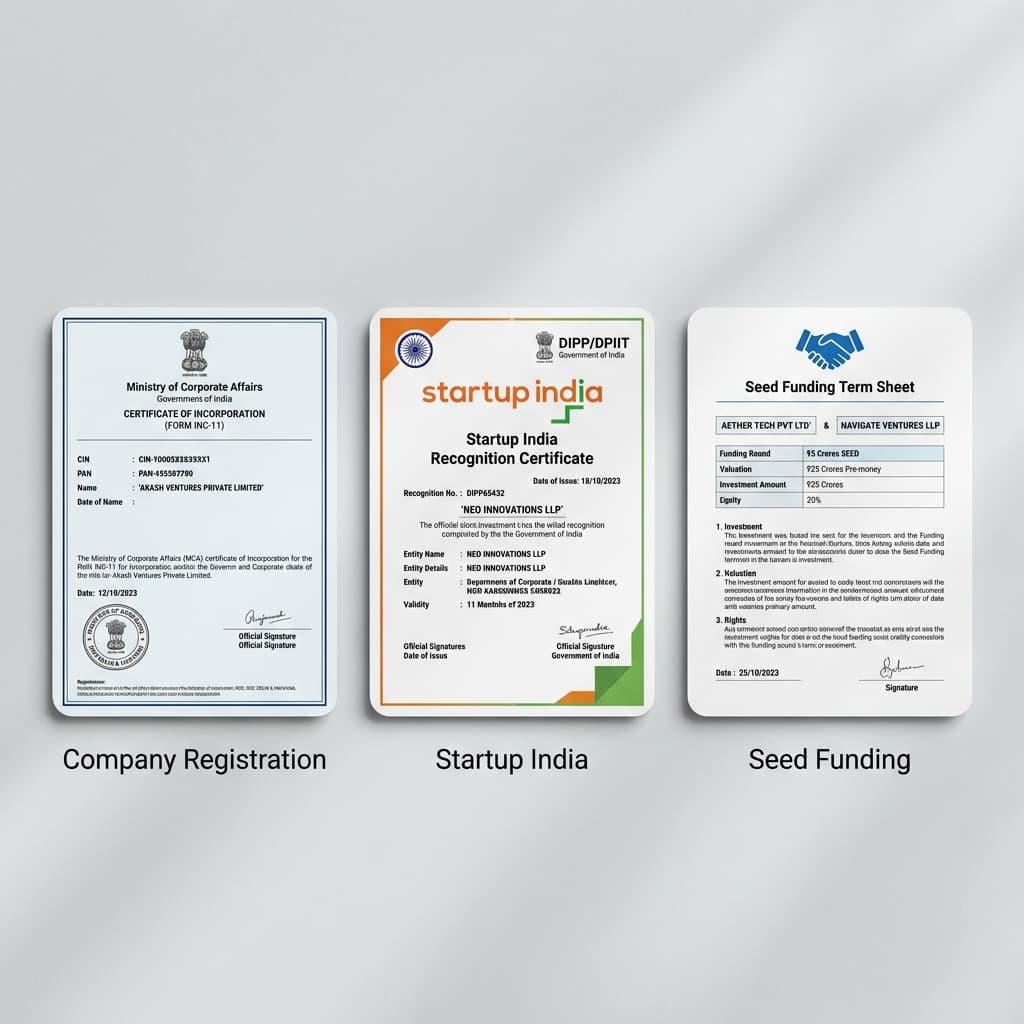
Every business needs

Three things to generate revenue.

Company Registration, Startup India DPIIT, Seed Funding documents

Legal

Company Registration

Startup India DPIIT · Pvt Ltd / LLP · Seed Funding

Alcedo edtech app
Health app
E-commerce flow
Wellness app
Next.jsKafka
PostgreSQLLoad Balancer
RabbitMQ

Tech

Apps handling millions of users.

Flutter · Next.js · Kafka · PostgreSQL · AWS

Marketing

UGC & Brand Campaigns

Creator Reels · Social Media · Paid Ads · Content

Hire senior Golang developers in India — salaried engineers for high-performance microservices, gRPC APIs, and concurrent systems

Xenotix Labs is where founders and engineering leaders go to hire Golang developers in India who build backends that stay fast when traffic spikes. We are a founder-led, startup-first software company headquartered in Modinagar and Noida, and every Go engineer you work with is a salaried, full-time member of our team — not a freelancer pulled from a marketplace. The team includes alumni from NIT Kurukshetra and IIT Bombay, and we have shipped 110+ applications across 50+ brands reaching more than 10 million users, with a 4.7-star rating across 76+ reviews. When you hire Go talent through us, you are hiring the same engineers who architect concurrency-heavy systems on our own portfolio, IST-aligned and accountable to a real payroll.

Go, or Golang, is the language you reach for when performance and concurrency are the point — and that is precisely the work our engineers do all day. A single Go binary can hold hundreds of thousands of concurrent connections on modest hardware because goroutines are cheap and the runtime scheduler multiplexes them across OS threads for you. That property is why Go dominates the modern infrastructure stack: Docker, Kubernetes, Terraform, Prometheus, and etcd are all written in it. Our developers use that same lever to build high-throughput APIs, real-time systems, event pipelines, and microservices meshes for startups that cannot afford the latency, memory bloat, or operational fragility that slower stacks introduce as they scale from thousands to millions of users.

Hiring a Go engineer is not the same as hiring a general web developer, and we vet for the difference. Concurrency correctness is unforgiving: a data race that never surfaces in a demo can corrupt state under production load, and debugging it after the fact costs days. Our senior Go engineers reason about memory models, channel semantics, context propagation, and graceful shutdown from first principles — the kind of depth you would expect from NIT and IIT alumni who studied operating systems and distributed systems, not just watched a framework tutorial. Every service they ship is exercised with the Go race detector, benchmarked with the built-in profiler, and load-tested before it goes anywhere near your customers. That rigor is what separates a Go backend that survives a launch spike from one that pages your team at 2 a.m.

Our engagement models are transparent and priced in rupees, so you always know exactly what you are paying. A Dedicated Go Developer is ₹1.4L–₹2.4L per month (roughly $1,700–$2,900) for a full-time senior engineer working exclusively on your project. Hourly engineering is ₹1,700–₹2,900 per hour for surge capacity, gRPC and microservices consulting, or performance audits. Part-time is ₹70K–₹1.2L per month for 80 hours of dedicated Go work — ideal for early-stage teams shipping a backend MVP. Onboarding takes 48 hours, every engagement can start with a 1-week trial, mutual NDAs are signed before scoping, and you own 100% of the IP and source code from day one. There is no minimum lock-in and no post-call markup on the published rates.

Why hire Golang developers from India in 2026? The economics still favor you decisively: a salaried senior Go engineer in India delivers comparable shipping output to a US hire for 60–70% less, without the recruiting, benefits, and retention overhead of building the capability in-house. Beyond cost, you get English-fluent engineers, deep computer-science fundamentals from top institutes, and IST alignment that gives full-day overlap with the UK, Europe, the Middle East, and Australia, plus a solid evening overlap with US time zones. India also has a genuinely deep Go talent pool — the language is a staple at fintech, gaming, adtech, and infrastructure companies across the country — which means we can staff senior concurrency and microservices specialists rather than scraping the bottom of a generalist pool.

The proof is in what we have shipped, not in a slide deck. Cricket Winner is a high-concurrency, real-time system that pushes live scores and an opinion-trading engine to a large audience during peak match traffic — the exact profile where Go's concurrency model and low latency earn their keep. ClaimsMitra digitizes insurance inspection workflows, Veda Milk runs a three-app D2C dairy subscription platform, Mappu powers grocery e-commerce, CorporateGate is an AI resume builder, and Alcedo is an edtech learning platform. Across these products we have hardened the backend patterns — worker pools, event streaming, caching, and Kubernetes orchestration on AWS Mumbai — that your Go engineer brings to your codebase on day one, so your engagement starts producing shippable, production-grade code in week one rather than week four.

X

Written by Xenotix Labs Engineering

Founding Engineering Team

Xenotix Labs has shipped 110+ production startup products across D2C, fintech, edtech, sports, healthcare, and legal-tech. Our Flutter and React Native engineers are the same people who lead architecture decisions on every mobile engagement.

Sub-services

What we ship inside hire golang developers in india

Real engagements, real case studies — not a feature list. Each sub-service is one we have shipped to production.

Dedicated Senior Go Developer (160 hrs/month)

A salaried senior Go engineer working full-time and exclusively on your project. Daily standups, sprint reviews, full team integration, NDA and 100% IP transfer as standard, and a 1-week trial to start. The engineer you onboard is the engineer who ships your releases — no mid-project rotation without your written approval.

Use cases: Building a new Go backend from scratch, migrating a monolith to microservices, scaling an existing Go codebase past its first traffic wall, post-Series-A backend consolidation

Shipped on: Cricket Winner real-time backend, ClaimsMitra insurance inspection platform

Go Microservices Architecture & Migration

We decompose monoliths into independently deployable Go services with clean domain boundaries, gRPC or REST contracts, centralized configuration, and shared observability. Each service is small, independently scalable, and independently testable, so one hot path can scale out without dragging the rest of the platform with it. We also advise honestly when a monolith is the better fit for your stage and team.

Use cases: Breaking a monolith into services, defining service boundaries, standing up an internal service mesh, isolating a high-load subsystem

Shipped on: Multi-service backends behind Mappu grocery e-commerce and Veda Milk subscriptions

gRPC & Protobuf API Engineering

For east-west, service-to-service traffic we build gRPC APIs with Protocol Buffers: strongly typed contracts, binary serialization, HTTP/2 multiplexing, bidirectional streaming, and generated clients that keep every team in lockstep. Faster, smaller, and safer than JSON-over-REST for internal calls, with backward-compatible schema evolution built in so services can deploy independently without breaking their callers or forcing a coordinated release.

Use cases: High-performance internal APIs, streaming data between services, polyglot backends needing typed contracts, replacing chatty REST calls

Shipped on: Typed internal contracts across Xenotix microservice backends

High-Concurrency & Real-Time Systems

Systems that must handle massive simultaneous load — live feeds, matchmaking, order books, notifications, telemetry ingestion. We design with goroutines, channels, worker pools, context cancellation, and WebSockets, verified with the Go race detector and load-tested to your target concurrency before launch. Graceful shutdown and backpressure are built in, so deploys never drop in-flight requests and spikes never topple the service.

Use cases: Real-time score and event feeds, live trading or bidding engines, chat and presence, high-volume ingestion pipelines

Shipped on: Cricket Winner live scores and opinion-trading engine at peak match traffic

Event Streaming & Async Pipelines (Kafka)

We wire Go producers and consumers to Apache Kafka for decoupled, high-throughput pipelines — order events, telemetry, notifications, analytics — with partitioned topics, consumer groups, at-least-once delivery, and backpressure handling. The result is a system where a slow downstream consumer never stalls the fast path that feeds it, and where new consumers can be added later to replay the same event stream without touching producers.

Use cases: Event-driven architectures, order and payment event pipelines, activity streams, decoupling producers from slow consumers

Shipped on: Event-driven flows behind Cricket Winner news and trading events

Performance Audits & Optimization

A senior Go engineer profiles your existing service with pprof, hunts down allocation hotspots, lock contention, and goroutine leaks, and returns a written audit with benchmarked before-and-after numbers. We tune Redis caching, database queries, connection pools, and GC pressure to bring p99 latency and cloud spend down together, then hand back a prioritized list of fixes your team can own or we can implement for you.

Use cases: Latency regressions, runaway cloud bills, goroutine leaks, pre-fundraise technical diligence, scaling past a performance wall

Shipped on: Standard pre-engagement service for incoming high-load Go projects

DevOps, Docker & Kubernetes for Go

Every Go service ships as a small multi-stage Docker image and deploys to Kubernetes with health checks, horizontal pod autoscaling, rolling updates, and secrets management. We run on AWS Mumbai (ap-south-1) for Indian latency, with CI/CD, structured logging, metrics, and tracing wired in from day one rather than bolted on later.

Use cases: Containerizing Go services, Kubernetes deployment and autoscaling, CI/CD pipelines, observability and alerting setup

Shipped on: Kubernetes-orchestrated Go backends on AWS Mumbai across the portfolio

Go Backend Pod (Team Augmentation)

Hire a pre-formed Xenotix Go pod — typically 2 Go engineers plus a DevOps engineer and a fractional PM — instead of stitching together individual hires. Coordinated delivery, a single point of contact, and shared internal patterns mean the pod ships as one unit from week one, backed by the same NDA and IP terms.

Use cases: Building a Go platform end-to-end, rescuing a stalled backend project, accelerating an in-house Go team, white-label delivery for agencies

Shipped on: Pod-style delivery across Veda Milk and Mappu multi-service builds

Tech stack reasoning

What seniority looks like in our Go engineers

Concurrency fluency is the first thing we vet, because it is the hardest thing to fake. Our Go engineers can explain when to use a mutex versus a channel, how context cancellation propagates through a call tree, why a goroutine leaks and how to find it with pprof, and how to bound parallelism with a worker pool instead of spawning unbounded goroutines. They ship code that passes the Go race detector clean, handle graceful shutdown so in-flight requests are not dropped on deploy, and reason about the memory model rather than cargo-culting patterns. This is the depth you get from engineers with real operating-systems and distributed-systems grounding, including NIT and IIT alumni, not from someone who learned Go last quarter for a single project.

Microservices and API design are the second dimension. A senior Go engineer knows that the hard part of microservices is not writing services but drawing boundaries, versioning contracts, and keeping the system observable. Ours build gRPC APIs with Protobuf for typed internal traffic and clean REST with Gin, Echo, or Fiber for external clients; they design idempotent handlers, sane retry and timeout budgets, circuit breakers, and backward-compatible schema evolution. They know when a monolith is the right answer and say so — we are not here to sell you distributed complexity you do not need, only the architecture that fits your load and team.

Data and infrastructure competence is the third. Our engineers model transactional workloads in PostgreSQL and flexible document data in MongoDB, tuning indexes, connection pools, and query plans so the data layer never becomes the bottleneck the Go services cannot out-run. They use Redis for caching, rate limiting, distributed locks, and pub/sub, and Kafka for high-throughput event streaming with proper consumer-group and partitioning discipline. Every service ships as a small multi-stage Docker image to Kubernetes on AWS Mumbai, with autoscaling, health checks, and secrets handled correctly — infrastructure our engineers operate daily, not just diagram.

Testing, observability, and shipping discipline round it out. Our Go engineers write table-driven unit tests, benchmark critical paths with the built-in testing harness, and load-test to a target concurrency before release, so performance is a measured fact rather than a hope. They instrument services with structured logging, Prometheus-style metrics, and distributed tracing so that when something does misbehave in production, the answer is a dashboard away, not a war room. Crucially, every Xenotix Go engineer onboards onto our internal backend patterns — the service scaffolding, middleware, error-handling conventions, and deployment pipelines proven across our portfolio — which is why your engagement produces shippable, review-ready code in week one instead of week four.

Pricing & timeline

How much does hire golang developers in india cost?

Published tiers, not opaque quotes. Every range below is one we have shipped engagements at.

Hourly / Surge

₹1,700 – ₹2,900 / hour

$21 – $35 / hour

TimelineSame-day start when bench available
Team1 senior Go engineer
ScopePer-hour Go engineering for microservices consulting, gRPC design, performance audits, code review, and surge capacity. Detailed timesheets, no minimum commitment.
Best forExisting Go backends needing surge capacity, architecture review, or short-term specialist consulting

Part-Time Developer

₹70,000 – ₹1,20,000 / month

$850 – $1,450 / month

TimelineStart in 48 hrs
Team1 senior Go engineer (50% allocation)
Scope80 hrs/month of dedicated senior Go development, weekly demos, flexible scheduling, NDA and full IP ownership.
Best forPre-seed and seed startups, backend MVPs, incremental microservice additions to live systems

Dedicated Developer

₹1,40,000 – ₹2,40,000 / month

$1,700 – $2,900 / month

TimelineStart in 48 hrs
Team1 senior Go engineer (100% allocation)
Scope160 hrs/month, full-time exclusive allocation, daily standups, sprint reviews, 1-week trial, NDA and 100% IP transfer.
Best forSeed and post-seed teams building or scaling a Go backend end-to-end

Pricing varies with scope, integrations, and compliance needs. Every engagement starts with a fixed-scope written estimate after a 2-week paid discovery — never an open hourly meter.

Real case studies

Production case studies — not deck pages

Each hire golang developers in india engagement below is live, in production, and serving real users today.

Cricket Winner — Go-relevant high-concurrency real-time platform

Problem

Push live ball-by-ball cricket scores and run an opinion-trading engine for a large audience during peak match traffic. The backend must update sub-second, absorb sharp spikes when a match goes live and tens of thousands of users open the app in the same minute, and never block the fast score path on a slow downstream consumer or a spike in trading volume. Memory and CPU had to stay bounded so the cluster could scale predictably rather than thrash.

Stack

High-concurrency backend with goroutines and worker pools, WebSockets for live score sync, Kafka for high-throughput trading and news events, Redis for caching, rate limiting, and leaderboards, MongoDB, Kubernetes with horizontal pod autoscaling on AWS Mumbai

Outcome

Production real-time platform sustaining peak match-day concurrency with sub-second score-sync latency and a decoupled trading pipeline that never stalls the live feed — the canonical workload where Go's cheap goroutines and low-latency runtime earn their keep, and where a heavier stack would have meant more replicas, more memory, and a larger cloud bill for the same throughput.

Read case study

ClaimsMitra — insurance inspection workflow backend

Problem

Digitize field insurance inspections into a reliable, auditable workflow: capture inspection data and media in the field, sync it against a transactional system of record, and expose clean, versioned APIs for downstream claims processing without data loss on flaky rural connectivity. Every state transition had to be traceable for audit, and concurrent inspectors submitting at once could not corrupt shared records.

Stack

Service-oriented backend with typed API contracts, PostgreSQL for the transactional system of record with careful transaction and index design, Redis for caching, containerized services on Kubernetes, AWS Mumbai

Outcome

Live insurance inspection platform with a resilient, auditable backend that holds up under concurrent field submissions — the same service-boundary, typed-contract, transactional-integrity, and observability discipline our Go engineers apply when they design and harden your microservices.

Read case study

Veda Milk — D2C subscription platform with async pipelines

Problem

Run a Country-Delight-class dairy subscription platform: a customer app, a delivery app, and an admin panel backed by one service layer that generates nightly subscription orders for the entire customer base in a bounded window, handles payments, and keeps delivery routes and inventory in sync at scale. The nightly batch could not block daytime traffic, and a failure mid-run had to be safely resumable rather than double-charging or double-delivering.

Stack

Multi-service backend, message-queue-driven nightly subscription generation with idempotent, resumable jobs, PostgreSQL, Redis, containerized deployment on Kubernetes, AWS Mumbai

Outcome

Production D2C subscription platform still maintained by the same engineering team, scaling subscription volume without a rewrite — direct proof of the event-driven, async-pipeline, and idempotent-job patterns your Go engineer brings to your own backend from day one rather than learning on your time.

Read case study

Engagement Options

Flexible Hiring Models

Choose the engagement that fits your project size, budget, and timeline.

👨‍💻

Dedicated Go Developer

₹1.4L – ₹2.4L / month

$1,700 – $2,900 / month

A salaried senior Go engineer works exclusively on your project full-time (160 hours/month). Daily standups, sprint reviews, full team integration, and a 1-week trial to start.

  • 160 hrs/month, exclusive
  • Daily standups & code review
  • 1-week trial
  • NDA + 100% IP transfer
Get Started
🕐

Hourly Go Engineering

₹1,700 – ₹2,900 / hour

$21 – $35 / hour

Pay per hour for surge capacity, gRPC/microservices consulting, performance audits, or code review. Detailed timesheets, no minimum commitment, same-day start when bench allows.

  • Per-hour billing
  • No minimum commitment
  • Detailed timesheets
  • IST overlap hours
Get Started
📦

Part-Time Go Developer

₹70K – ₹1.2L / month

$850 – $1,450 / month

80 hours per month of dedicated senior Go development. Ideal for early-stage teams building a backend MVP or established teams adding microservices incrementally.

  • 80 hrs/month
  • Weekly demos
  • Flexible scheduling
  • NDA + IP transfer
Get Started

Skills & Technologies

Every developer is pre-vetted across these core technologies.

Go (Golang) & Standard LibraryGin / Echo / FibergRPC & Protocol BuffersGoroutines, Channels & ConcurrencyMicroservices ArchitectureApache KafkaRedis (cache, pub/sub, locks)PostgreSQL & MongoDBDocker & KubernetesAWS (ap-south-1 Mumbai)High-Performance API DesignObservability & Load Testing

Our Expertise

We Build For Every Industry

From startups to enterprises, we craft digital solutions tailored to your sector.

EdTech

EdTech

Learning platforms & course apps

Healthcare

Healthcare

Fitness & wellness solutions

Supply Chain

Supply Chain

Logistics & inventory systems

Food & Delivery

Food & Delivery

Restaurant & delivery apps

Beauty & Wellness

Beauty & Wellness

E-commerce & booking platforms

Productivity

Productivity

Task & project management

Why founders pick Xenotix

Why Xenotix Labs for hire golang developers in india

Salaried engineers, not freelancers

Every Go engineer is a full-time member of the Xenotix Labs team — code-reviewed, mentored, and accountable to us. No gig-economy churn, no ghosting mid-sprint, no engineer secretly juggling five other clients.

NIT & IIT alumni depth

The team includes NIT Kurukshetra and IIT Bombay alumni. You get engineers who reason about concurrency, memory models, and distributed-systems trade-offs from computer-science first principles.

Transparent INR rate cards

Dedicated ₹1.4L–₹2.4L/month, hourly ₹1,700–₹2,900/hr, part-time ₹70K–₹1.2L/month — published in rupees and never marked up after the introduction call. No bench-time billing, no surprise change orders, and no minimum lock-in, so you can scale the engagement up or down as your roadmap changes.

48-hour real onboarding

Internal Go patterns, service scaffolding, and deployment pipelines are pre-loaded, so engineers ship review-ready code in week one, not week four. We handle NDA, repo, cloud, and CI/CD access so the ramp is administrative, not technical. Backed by a 1-week trial.

100% IP transfer, NDA first

Code, infrastructure, and AWS credentials are yours from kickoff. Mutual NDAs are signed before any scoping conversation, with explicit IP-transfer language in the contract.

Production proof at scale

110+ apps, 50+ brands, 10M+ users, 4.7★ over 76+ reviews. Cricket Winner runs the exact high-concurrency real-time workload where Go proves itself, and we walk you through the relevant backend architecture before you sign anything — proof in a codebase, not a slide deck.

IST-aligned collaboration

Full-day overlap with the UK, Europe, Middle East, and Australia, plus a solid evening overlap with US time zones. Dedicated engineers can align to your business hours.

Team continuity guarantee

Engineers do not rotate off your project mid-stream without your written approval. The person you onboard is the person who ships your release, so context and domain knowledge stay in the codebase instead of walking out the door.

Design Process in Figma

Designed in

Figma

How We Work

Our Process

01

Discovery & Strategy

We understand your business goals, target audience, and technical requirements to create a solid foundation.

02

Design & Prototyping

Our designers craft pixel-perfect interfaces in Figma, ensuring every interaction feels intuitive and premium.

03

Development & Testing

Clean, scalable code with rigorous testing to ensure your product performs flawlessly across all devices.

04

Launch & Support

We handle deployment, monitoring, and provide ongoing support to keep your product running smoothly.

See Xenotix Labs in Action

Know Us Better. Watch Our Story.

From our portfolio to our process — hear it straight from the team in Hindi and English. Real people, real work, no fluff.

Hindi
English

The team behind the work

Xenotix Labs office entrance
Developers coding together
Our open workspace
Team design review

Want to see what we've built? Check out our work.

Explore Portfolio →
Real Data

How Much User Traffic We Are Handling Right Now?

On our clients' apps and sites — real numbers, real dashboards, zero fluff.

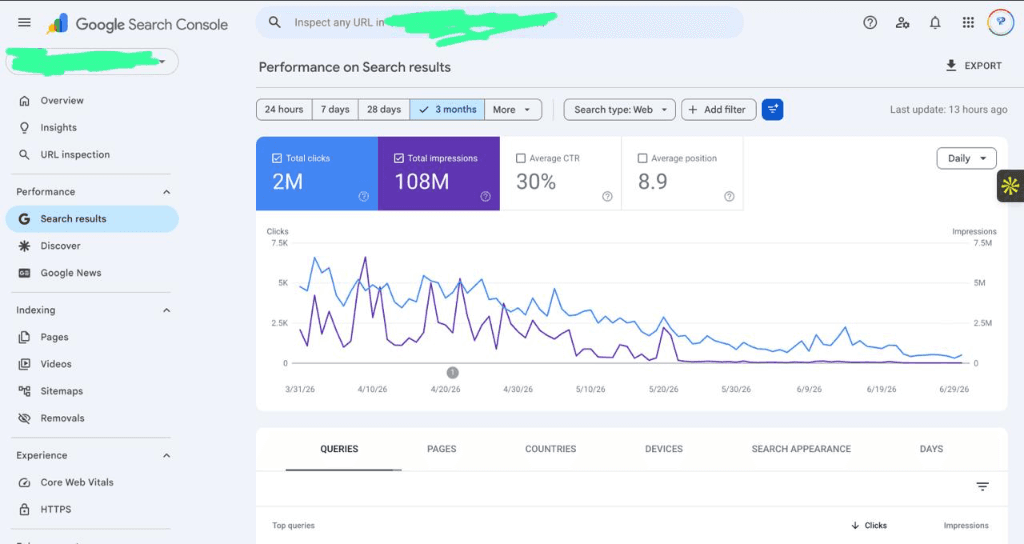
Google Search Console — 2M clicks, 108M impressions, 30% CTR
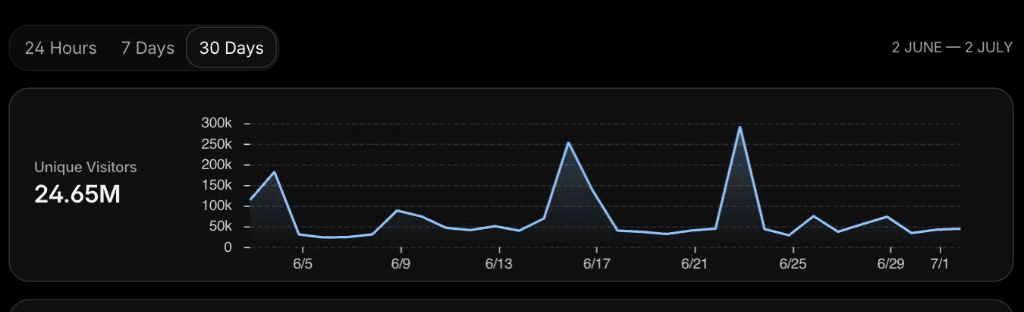
Cloudflare Analytics — 24.65M unique visitors in 30 days
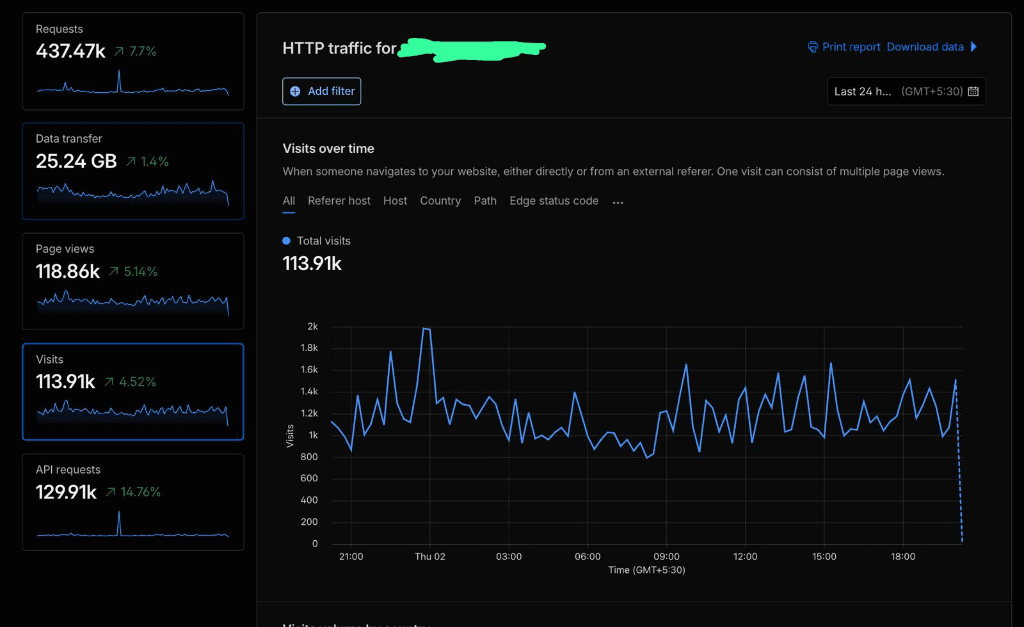
Cloudflare HTTP Traffic — 437K requests, 113.91K visits/day
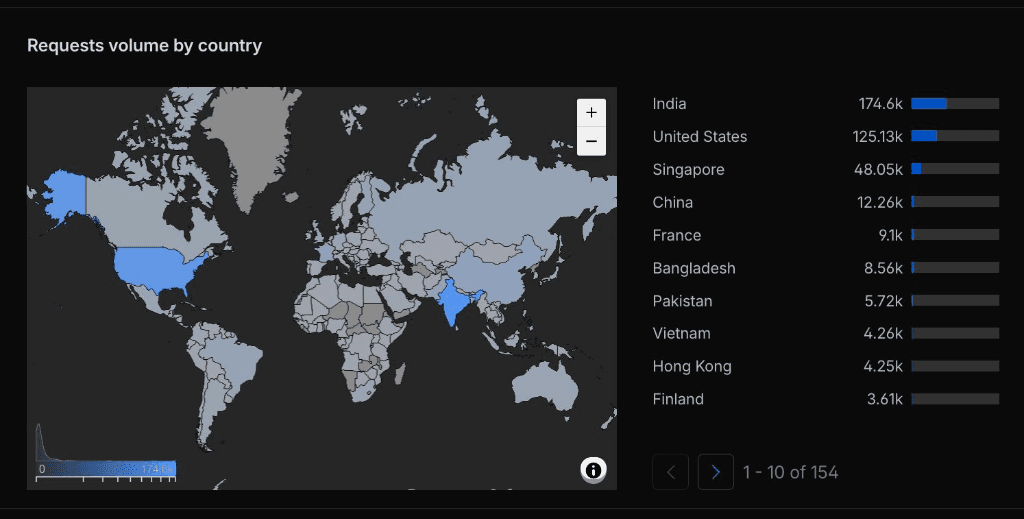
Global traffic from 154 countries — India, US, Singapore, China
🔍

0M+

Total Clicks

Google Search Console · 3 months

👁️

0M+

Total Impressions

Google Search Console · 3 months

👥

0.00M

Unique Visitors

Cloudflare Analytics · 30 days

📊

0.00K

Daily Visits

Cloudflare · 24 hours

0K+

Requests Served

Cloudflare · 24 hours

🌍

0

Countries Reached

Global traffic distribution

Google Search Console verifiedCloudflare Analytics30% average CTR154 countries served99.9% uptime

Hear directly from clients

What Directors Say

About Our Team.

Video reviews, WhatsApp screenshots, and written testimonials — straight from founders who built with us.

Read Client Reviews
Xenotix Labs team — 121+ startups launched, client reviews

Common Questions

Frequently Asked Questions

How much does it cost to hire a Golang developer in India?

A dedicated senior Go developer at Xenotix Labs costs ₹1.4L–₹2.4L per month (roughly $1,700–$2,900), which is 60–70% less than a comparable US hire for equivalent shipping output. Hourly engineering is ₹1,700–₹2,900 per hour and part-time is ₹70K–₹1.2L per month. Every rate is published in INR, includes code review, and is never marked up after the introduction call.

Are your Go developers freelancers or salaried employees?

Salaried employees. Every Go engineer is a full-time member of the Xenotix Labs team, on our payroll, code-reviewed and mentored internally, and accountable to us rather than to a marketplace rating. You get the continuity and reliability of an in-house hire — the same person through the whole project — without carrying the recruiting, benefits, and retention overhead yourself.

Do you have IIT or NIT graduates on the Go team?

Yes — the team includes alumni from NIT Kurukshetra and IIT Bombay. For Go specifically, that institute-level grounding in operating systems and distributed systems matters, because writing correct, race-free concurrent code depends on genuinely understanding the memory model and scheduler, not just wiring up a framework. That is the difference between a backend that survives a launch spike and one that pages you at 2 a.m.

Can I run a trial before committing to a Go developer?

Yes. Every engagement can begin with a 1-week trial on real work so you can validate the engineer's Go skills, concurrency judgment, and communication before any long-term commitment. NDA and 100% IP transfer are in place from day one, and there is no minimum lock-in.

What time zone do your Go developers work in?

Our engineers are IST-aligned from our Modinagar and Noida base. That gives full-day overlap with the UK, Europe, the Middle East, and Australia, plus a solid evening overlap with US time zones. Dedicated engineers can shift to align more closely with your core business hours when needed.

What skills should I look for in a Go developer?

Look for concurrency fluency (goroutines, channels, context, worker pools, and clean race-detector runs), microservices and API design (gRPC/Protobuf and REST via Gin/Echo/Fiber), data-layer skill in PostgreSQL and MongoDB, Redis and Kafka experience, Docker and Kubernetes, and a habit of profiling and load-testing. Depth in concurrency correctness matters more than framework trivia.

How do I write a Golang developer job description?

State the mission (for example, 'build high-throughput gRPC microservices handling 20k requests per second'), then list must-haves: production Go experience, goroutine-based concurrency, gRPC/Protobuf, a web framework (Gin/Echo/Fiber), PostgreSQL/MongoDB, Redis, Kafka, and Docker/Kubernetes on a cloud like AWS. Name the domain and scale, ask for shipped examples, and specify the engagement model and time-zone overlap you need.

What interview questions should I ask a Go developer?

Ask when they choose a channel over a mutex and why; how they detect and fix a goroutine leak; how context cancellation propagates and why it matters; how they design a bounded worker pool; how gRPC differs from REST for internal traffic; and how they profile with pprof and load-test before release. Follow up on a real concurrency bug they debugged in production.

How long does it take to hire a Go developer through Xenotix?

About 48 hours from finalizing the engagement to onboarding. We match you with a salaried senior Go engineer, share the profile for a technical interview or code review, sign the NDA, and set up repo, cloud, and CI/CD access. Because engineers already know our internal Go patterns, they start shipping in week one.

Can your Go developers build microservices and gRPC APIs?

Yes — it is our core Go competency. We design microservices with clean domain boundaries, gRPC and Protobuf for typed internal traffic, REST via Gin/Echo/Fiber for external clients, Kafka for event streaming, Redis for caching, and Kubernetes on AWS Mumbai for orchestration, with observability wired in from day one.

Why choose Go over Node.js or Java for a high-performance backend?

Go compiles to a small static binary with a tiny memory footprint, and its goroutine scheduler makes massive concurrency cheap without callback complexity or heavyweight thread tuning. For CPU-bound and high-concurrency workloads it typically delivers lower, more predictable p99 latency and lower cloud cost than Node.js or the JVM. That said, we recommend honestly per use case and also staff Node.js and Java engineers.

Who owns the IP and source code for the Go backend?

You do — everything, from day one: code, infrastructure definitions, and AWS credentials. Our engagement contract includes explicit IP-transfer language and mutual NDAs are signed before any scoping conversation. There is no vendor lock-in; the backend and its deployment pipelines are yours to take in-house at any time.

Start Your Project

Let's Build Something Exceptional Together

From concept to launch, we craft digital products that drive real business results.

50+

Projects Delivered

10M+

Users Reached

6K+

Active SaaS Users

Start Your Project
WhatsApp us