





Hire senior fintech app developers in India — salaried engineers for UPI, lending, neobank, and KYC
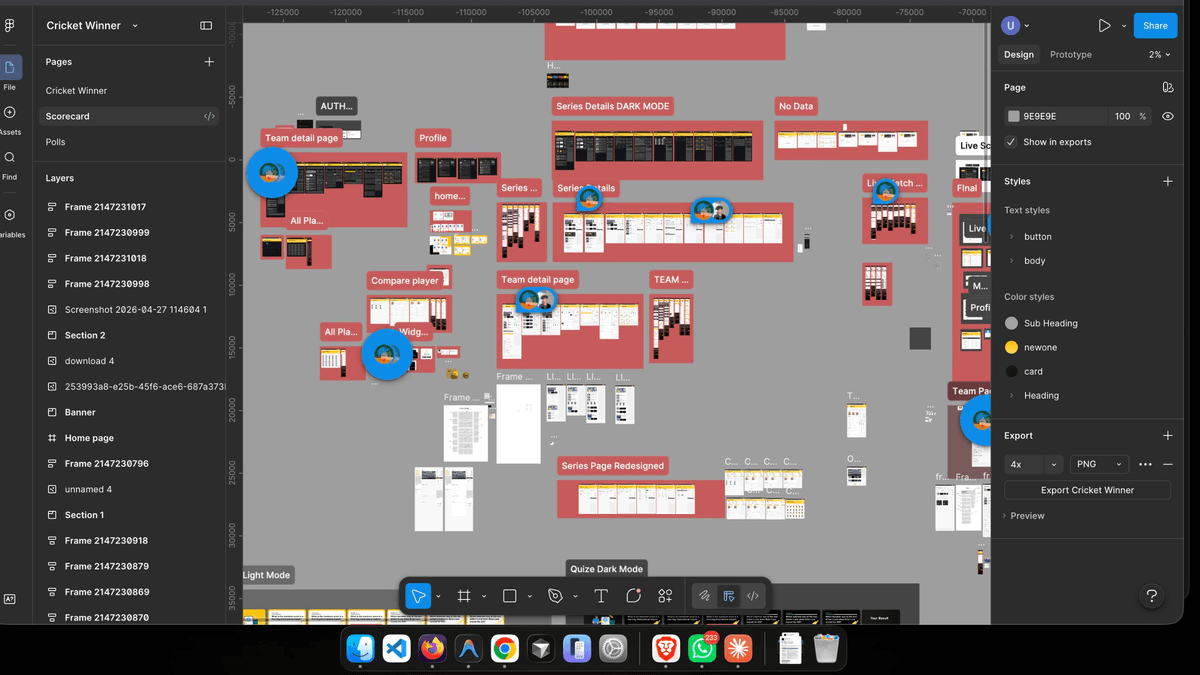
Xenotix Labs is a founder-led, startup-first software company where founders come to hire fintech app developers in India who have actually moved real money in production — not engineers who read a Razorpay tutorial the night before the interview. We are a salaried team, not a freelancer marketplace, and that distinction matters most in fintech: money-movement code is unforgiving, and you want the same accountable engineers on your ledger in month six that you onboarded in week one. Across 110+ shipped apps for 50+ brands running in production for years, several have been payment-heavy — Cricket Winner's real-time wallet and payouts, Veda Milk's subscription checkout, and ClaimsMitra's enterprise-grade insurance backend spanning 114+ endpoints.
When you hire a fintech developer through Xenotix, you are getting a full-time employee of the company, IST-aligned out of our Modinagar and Noida offices, whose work sits under our internal security and money-movement patterns. Our fintech team includes NIT and IIT alumni — NIT Kurukshetra and IIT Bombay among them — and to be clear and honest, we do not trade on invented star names; we put engineers who have shipped correct, reconcilable financial systems on your product. These are people who understand that a payments bug is not a cosmetic defect, that idempotency is not optional, and that a double-charged customer is a trust event, not a ticket.
Fintech in India carries a compliance weight most software does not, and we are deliberately honest about where our line sits. We build RBI-data-localisation-aware and PCI-DSS-aware architecture: sensitive data tokenised and segmented, payment-system data stored and processed inside India on AWS Mumbai, immutable audit logs, and scope narrowed by design so an auditor has less surface to worry about. What we do not do is issue legal certification — a formal PCI-DSS Attestation of Compliance needs a QSA, and RBI localisation sign-off needs your CA/CS and auditor. We build the system that passes their review; the stamp itself is theirs to grant. Any vendor promising you 'certified compliance' from an engineering seat is overselling.
Our stack for fintech is chosen for correctness and longevity, not novelty. On the client, React Native and Flutter with biometric login, secure keystore usage, certificate pinning, and native SDK bridges for payments and KYC. On the server, Node.js for I/O-heavy payment orchestration, Java with Spring for the transactional core where the JVM's maturity and strong typing earn their keep, and Python for data, reconciliation jobs, and risk tooling. PostgreSQL is the system of record for money because its transactional guarantees and constraint enforcement let us model double-entry ledgers that simply cannot drift. Redis and Kafka handle caching, rate limiting, and event streams; UPI, Razorpay, and Stripe cover collections and payouts; eKYC vendors cover onboarding.
Pricing is transparent and published in INR, because founders deserve to compare us without a sales call. A dedicated fintech engineer is ₹1.4L–₹2.5L per month (roughly $1,700–$3,000), a part-time engineer is ₹70K–₹1.3L per month, and hourly engagements run ₹1,700–₹3,000 per hour. Fintech sits at the higher end of our overall developer range on purpose — payments, security, and compliance-aware depth are not entry-level skills, and we would rather quote honestly than lowball and staff you with juniors. Every dedicated engagement includes a 1-week trial, a mutual NDA signed before scoping, and 100% IP transfer from day one. Onboarding is 48 hours, not because we cut corners, but because our engineers already know our patterns.
Why hire fintech developers from India, and why Xenotix specifically? The economics remain compelling — senior fintech engineers here deliver comparable shipping output to US and UK peers at a fraction of the cost — but for a money product, cost is the wrong headline. What matters is that you get engineers who have shipped payment and wallet systems that reconcile, who default to secure patterns instead of bolting security on at the end, who build for the compliance conversation you will eventually have, and who stay on your team long enough to own the consequences of their code. We recommend architectures honestly, we scope in line items, and we tell you plainly where engineering ends and a chartered auditor begins.
This page is written for founders and product leaders evaluating who to trust with the most sensitive part of their product. Below you will find our fintech sub-services, how we reason about the stack, our complexity tiers with real rate cards, three case studies drawn only from our genuine portfolio, why teams choose us, and an extended FAQ that answers the questions that actually get asked in a fintech hiring call — cost, IIT/NIT alumni, salaried-versus-freelancer, the trial, time zones, what skills to look for, how to write the job description, what to ask in interviews, and exactly how we handle RBI and PCI-DSS. No fluff, no invented credentials, no compliance theatre — just what we build and how.