


Hire senior e-commerce developers in India — Shopify Plus, Magento, WooCommerce, headless and custom MERN commerce engineers who are salaried, IST-aligned, and priced in transparent INR
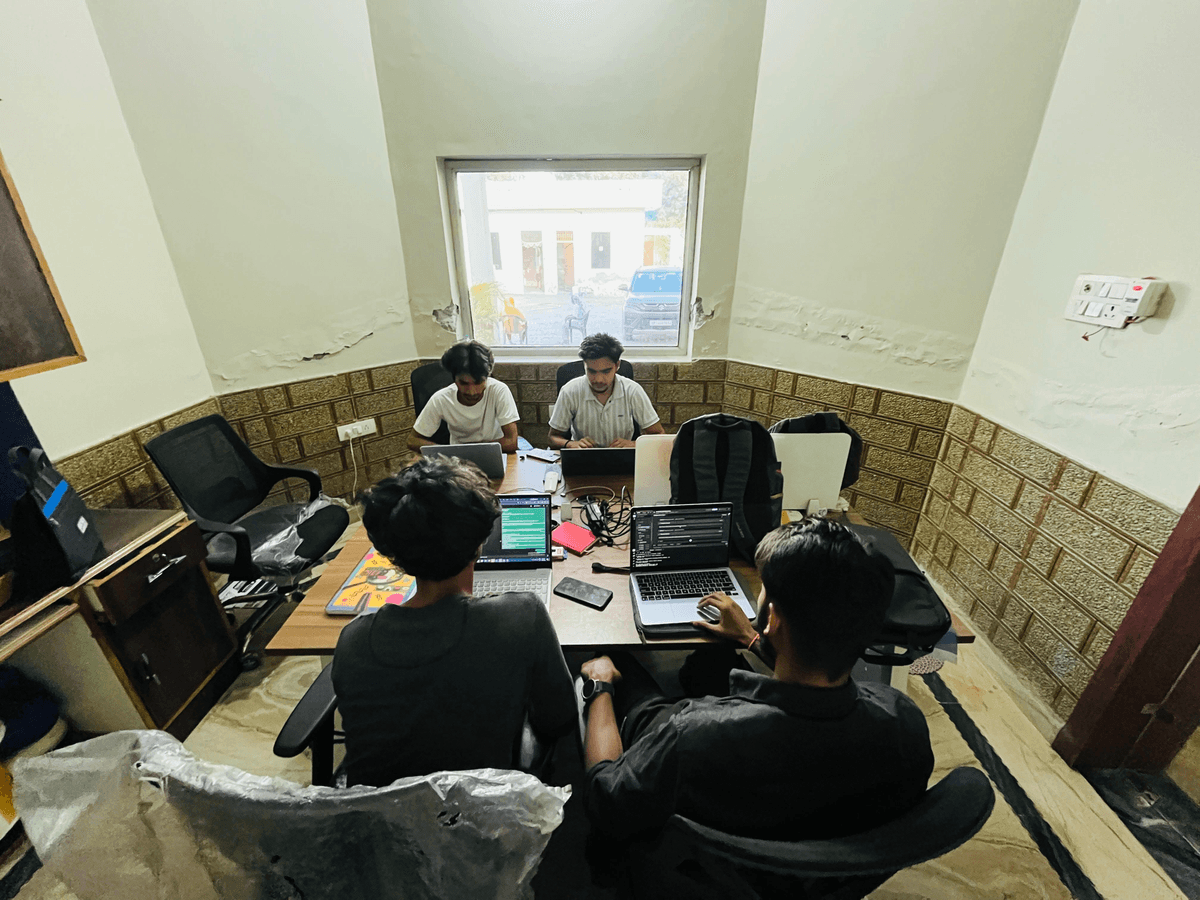
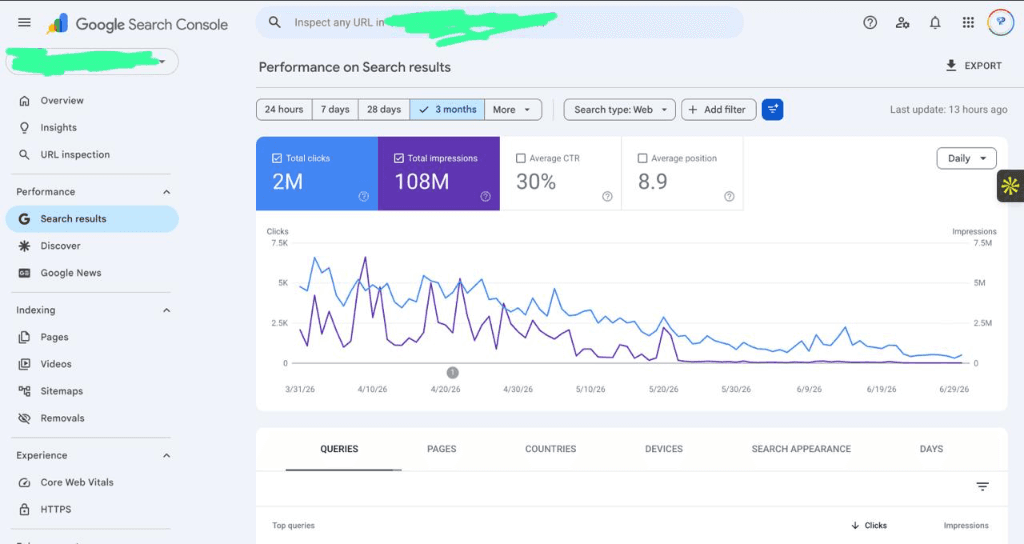
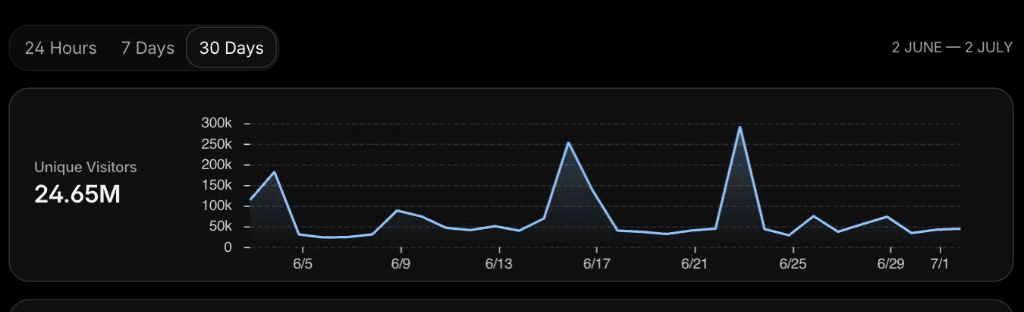
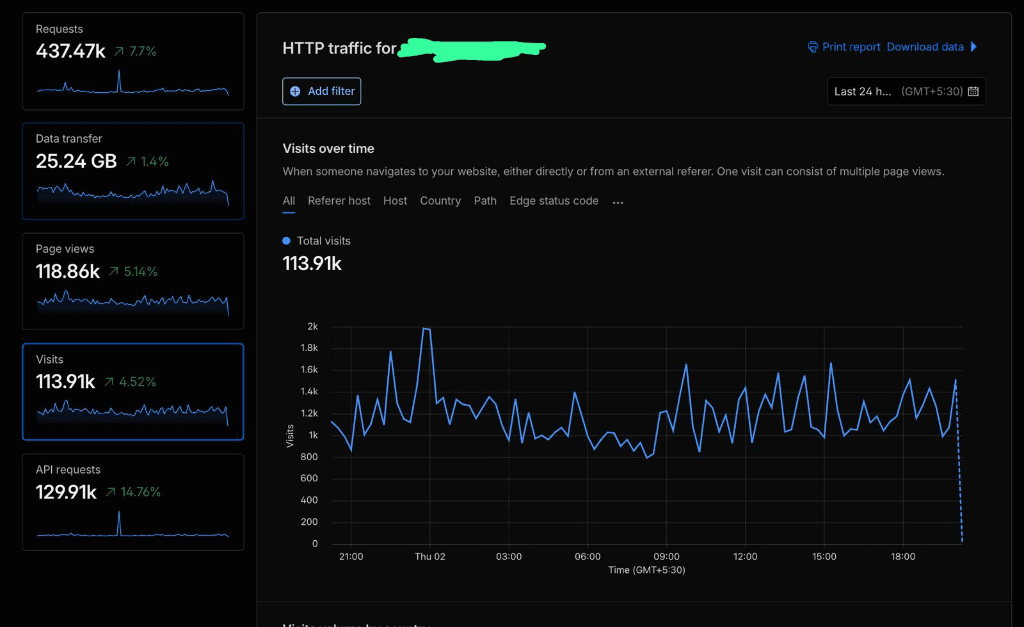
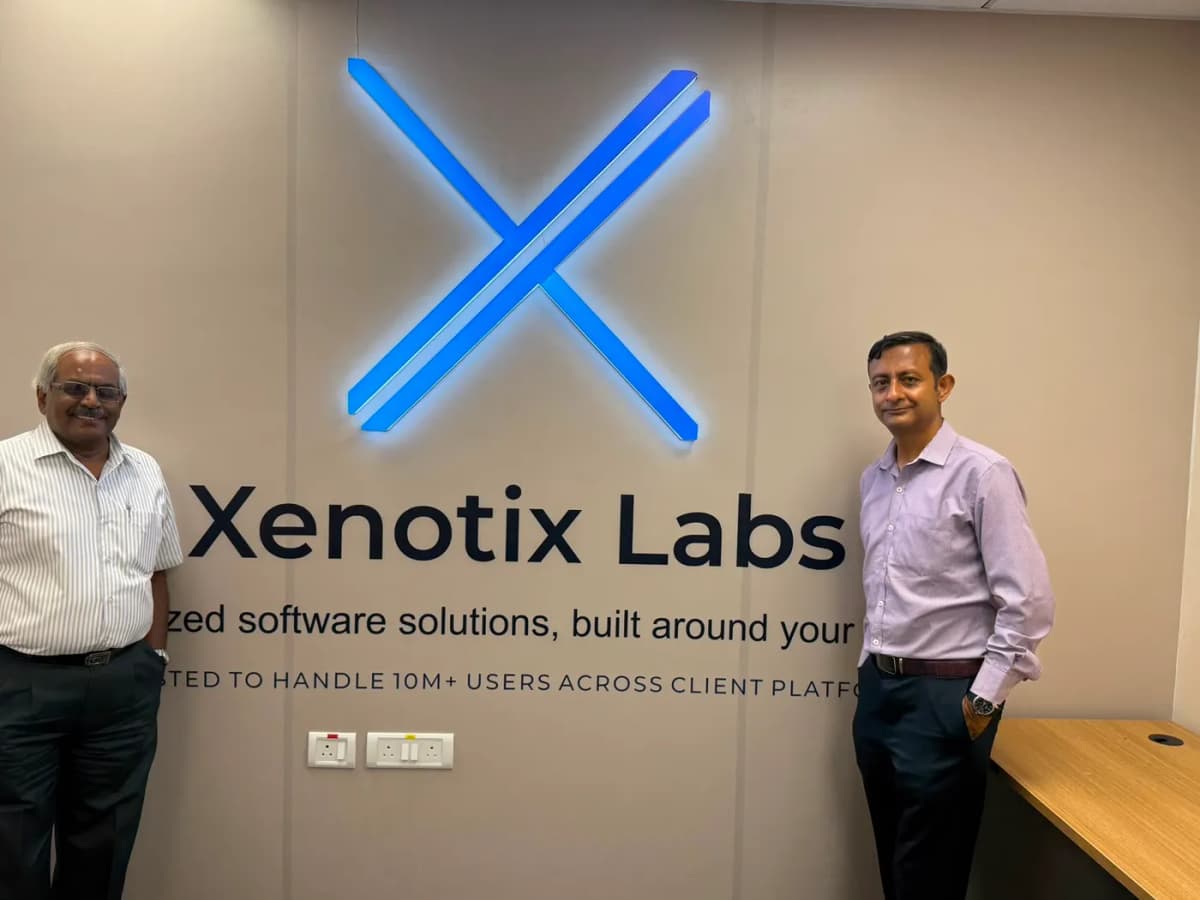
Founders and D2C teams search for 'hire e-commerce developers in India' when a store has to become a real business — a Shopify Plus build that scales past a themed template, a Magento catalogue with tiered B2B pricing and multi-currency, a headless storefront fast enough to win on Core Web Vitals, a checkout that stops leaking revenue, payments that never double-charge, and inventory that stays accurate across every channel. E-commerce is unforgiving in a way a marketing site is not: a broken webhook loses an order, a slow product page loses a sale, and a Black Friday spike that the platform can't absorb loses the whole day. Xenotix Labs staffs exactly the engineer who has been there: salaried, in-house, drawn from a team that includes NIT and IIT alumni and has taken 110+ products to production for 50+ brands running in production for years. You hire an e-commerce developer who has shipped stores, marketplaces and payment flows into products serving real, paying shoppers — not a portfolio of pretty screenshots.
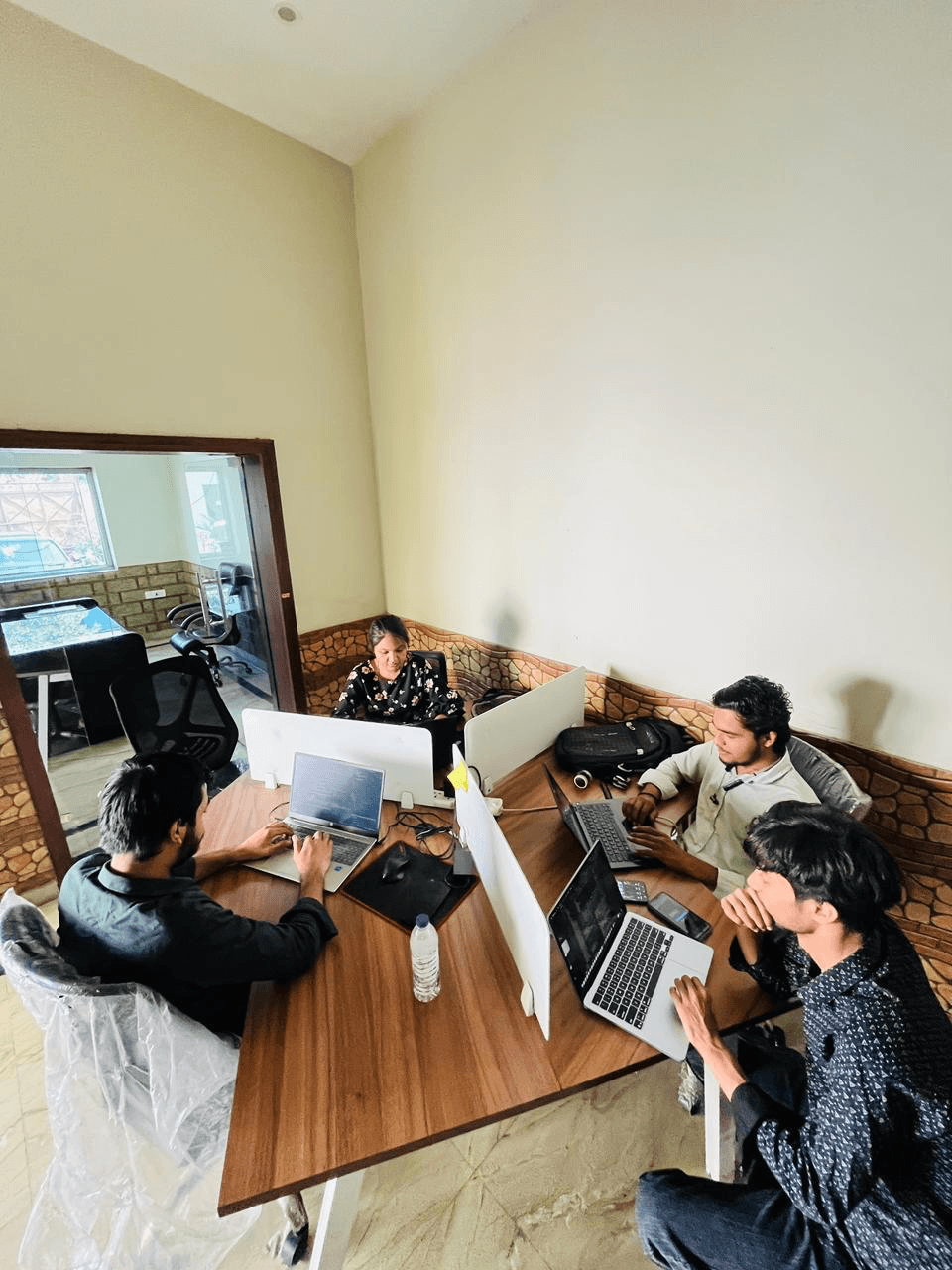
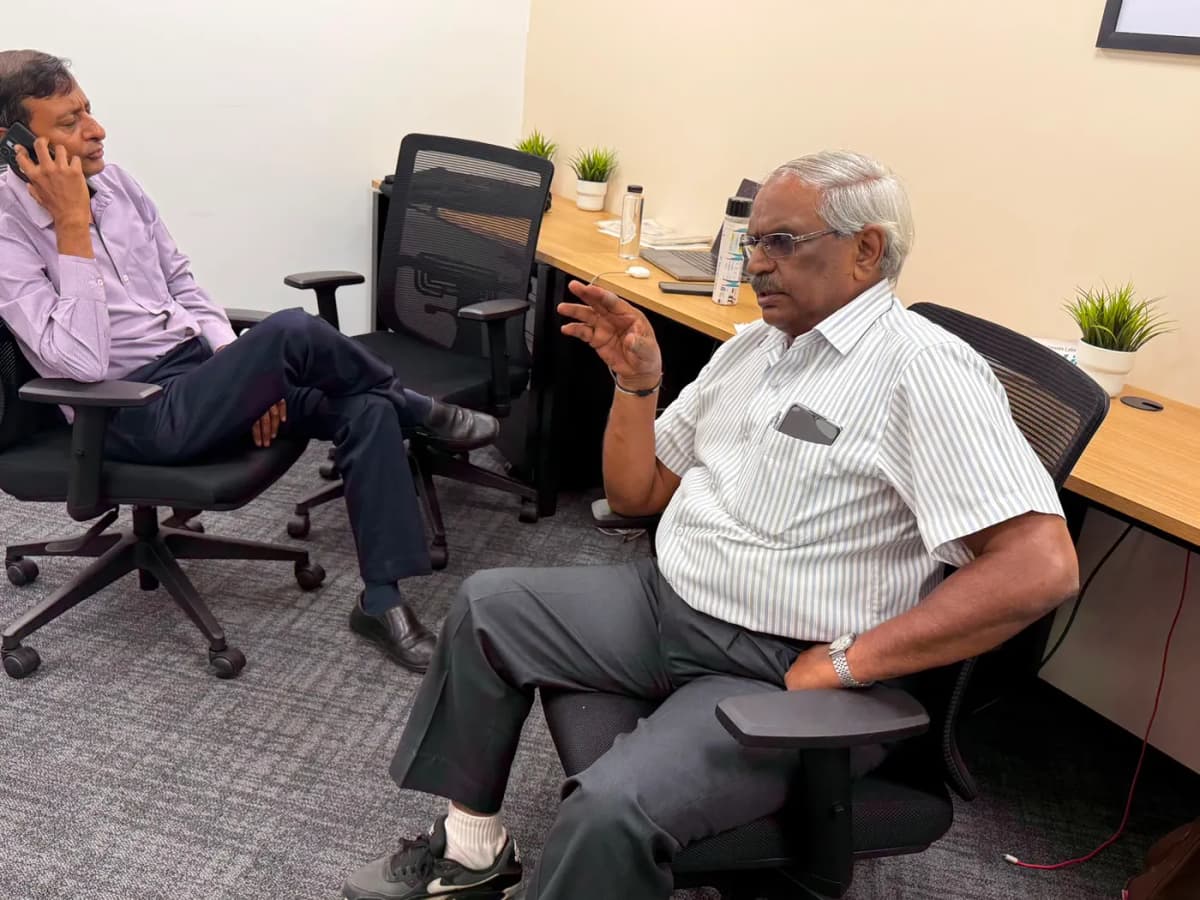
The distinction that matters most is salaried versus freelance. A marketplace Shopify or Magento profile is optimising for their next gig, juggling three clients, and free to vanish the week your peak-season launch slips — and you often discover their 'Shopify Plus expertise' or 'Magento performance' skills are thin only after the invoice clears and the store is live and slow. Our engineers are employees on a payroll, covered by NDAs, inside our code-review and branch-protection process, and backed by a bench if someone is out. You hire depth and continuity, not a rating and a risk. We are honest about the team too: it includes and is led by NIT and IIT alumni — among them NIT Kurukshetra and IIT Bombay — but we will never invent a name, a batch year or a rank to win a deal. What you get is a blended senior team where that pedigree sets the engineering bar on every commit, every checkout flow and every review.
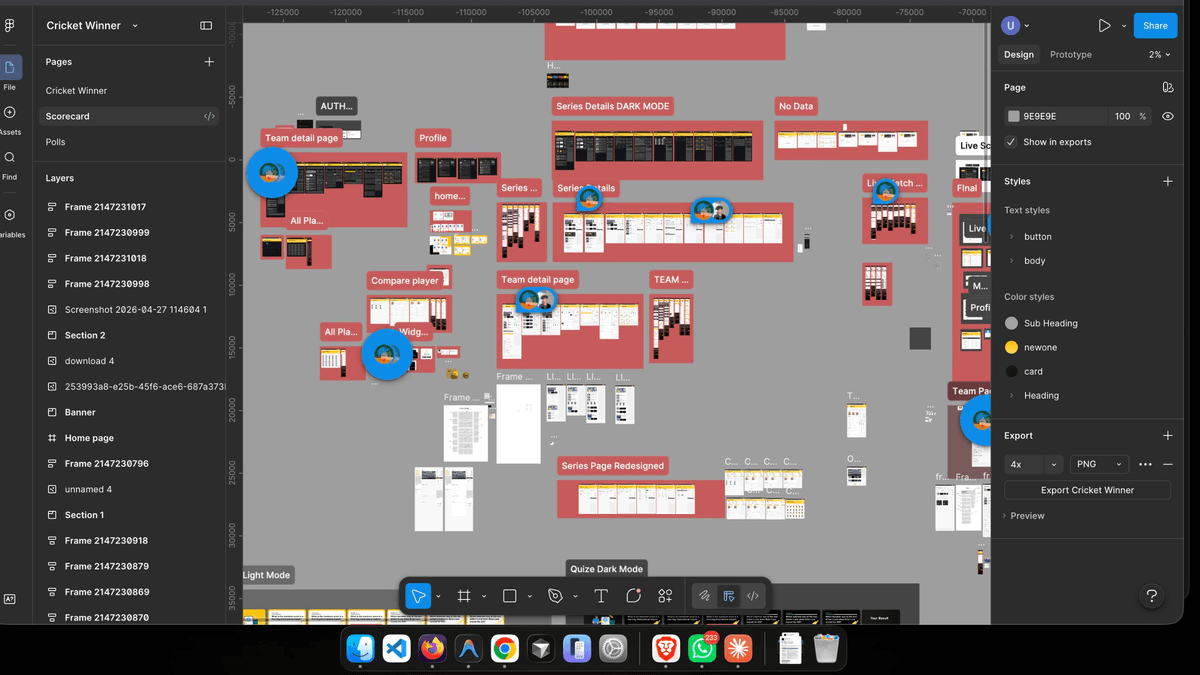
Our e-commerce engineers build the way real stores should be built: performant, conversion-aware, and integrated end to end. They ship on the platform that actually fits the business — Shopify and Shopify Plus with custom Liquid themes, private apps and Shopify Functions when speed-to-launch and a clean admin matter; Magento 2 and Adobe Commerce when a retailer needs deep catalogues, B2B and total control; WooCommerce when a content-led brand wants WordPress flexibility; and headless Next.js/React on the Storefront API, Hydrogen or a custom MERN backend when performance and design freedom become the growth lever. Underneath every build sits the plumbing that separates a demo from a business: payment gateways like Razorpay, Stripe, PayU and UPI wired with idempotent, retry-safe webhooks; carts and checkouts tuned against real funnel data; and inventory, OMS and ERP integrations so stock, orders and finance stay in sync instead of drifting apart the day volume arrives.
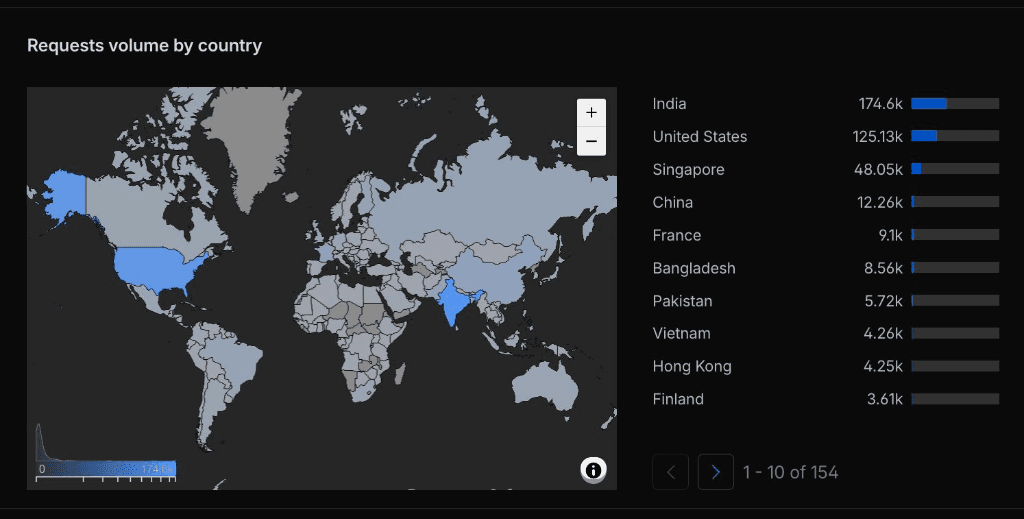
Being an India-based team on IST is a real advantage over the alternatives founders weigh for store work — and it matters most exactly when it hurts most. A US contractor is asleep through much of your workday; an Eastern-Europe developer overlaps a few hours; an offshore vendor two zones away turns every 'checkout is dropping orders' or 'we oversold on the flash sale' question into a 24-hour round trip while the store bleeds revenue. Our e-commerce engineers run standups in your morning, reply in Slack while you are at your desk, and demo a working checkout on your Friday. Whether you are in Bengaluru, Delhi NCR, the US, the UK or the UAE, that overlap is the difference between a same-day payment-webhook fix and a day of failed orders — and it matters especially during a sale or a migration, where a broken discount rule, an inventory-sync lag or a Razorpay webhook that stopped firing needs one quick conversation to clear, not an overnight ticket that keeps the incident open while every hour of the promotion ticks past.
Why hire e-commerce developers from India in 2026? The economics are decisive: a salaried senior e-commerce engineer here costs a fraction of a US or UK equivalent, while India's Shopify, Magento, WooCommerce and headless-commerce talent pool is one of the deepest in the world, hardened on exactly the D2C, marketplace, B2B and cross-border commerce that global brands run. But the real Xenotix wedge is transparency and structure — published INR rate cards, salaried engineers with genuine accountability, 48-hour onboarding, a 1-week paid trial, mutual NDAs, and 100% IP transfer from day one, deployed to your own store, hosting and payment accounts. Rates are plain INR: a dedicated senior e-commerce developer runs ₹1.2L–₹2.5L a month (roughly $1,400–$3,000), part-time ₹60K–₹1.2L, and hourly ₹1,500–₹3,000 — differentiated so a straightforward Shopify build sits lower and a Magento, headless or custom-marketplace engagement sits higher, a team with continuity rather than an hour of someone's evening between three other stores.
The vetting bar is deliberately high, and the engagement bends to your stage rather than forcing an enterprise contract on a seed-stage brand. Every e-commerce engineer on our bench has shipped at least one real store to production, can reason about a Shopify Liquid theme and the Storefront API, knows why a Magento catalogue page is slow and how full-page cache and Elasticsearch fix it, can wire a Razorpay or Stripe webhook that survives redelivery without double-charging, and can find the exact step in a checkout funnel where shoppers drop. Start with one engineer for a store MVP, scale to a pod for a peak-season launch or a replatform, drop back to part-time for maintenance after the sale. We are based in Modinagar/Noida, work fully on IST with overlap for your day, and serve Bengaluru from our office at Regus, Nagavara (North Bengaluru), with in-person meetings and weekly demos — backed by our 4.7★ (76+ reviews) record.