HIPAA & ABDM-Aware Healthtech Engineers

Hire Healthcare App Developers in India

Bring on senior healthtech engineers who build telemedicine, patient portals, e-prescriptions and EHR/EMR systems on HIPAA-aware and ABDM-aware architecture — salaried employees, not freelancers, from a team that includes NIT Kurukshetra and IIT Bombay alumni. IST-aligned out of our Modinagar and Noida offices, they run standups on your clock, ship to both stores, and hand you 100% of the IP from day one. Transparent INR rates, a 1-week trial, and honest scoping between engineering and legal compliance.

110+Products
4.7★Google
70+Flutter Apps
76+Reviews
🇮🇳

Team backed by NITians & IITians · Offices in Noida & Modinagar · Pvt Ltd Company

Get a Free Callback

We'll discuss your project and share a free estimate. No spam, ever.

“we personally review every enquiry” — Xenotix Sales Team

110+

Products Shipped

50+

Brands Served

10M+

Users Reached

4.7★

Google Rating

76+

Client Reviews

Ready to build something real?

Tell us what you're working on. We'll handle the legal, tech, and marketing — you focus on the vision.

Book Free Consultation
🔊

Review

🔊

HR Software

🔊

SNSG Gyan

Team Backed by NITians & IITians

Our engineering team includes alumni from India's premier institutions — building production-grade apps with the rigor and depth these programs instill.

NIT Alumni

National Institute of Technology

IIT Alumni

Indian Institute of Technology

7+ Years

Building Production Apps

110+ Products

Shipped to App & Play Store

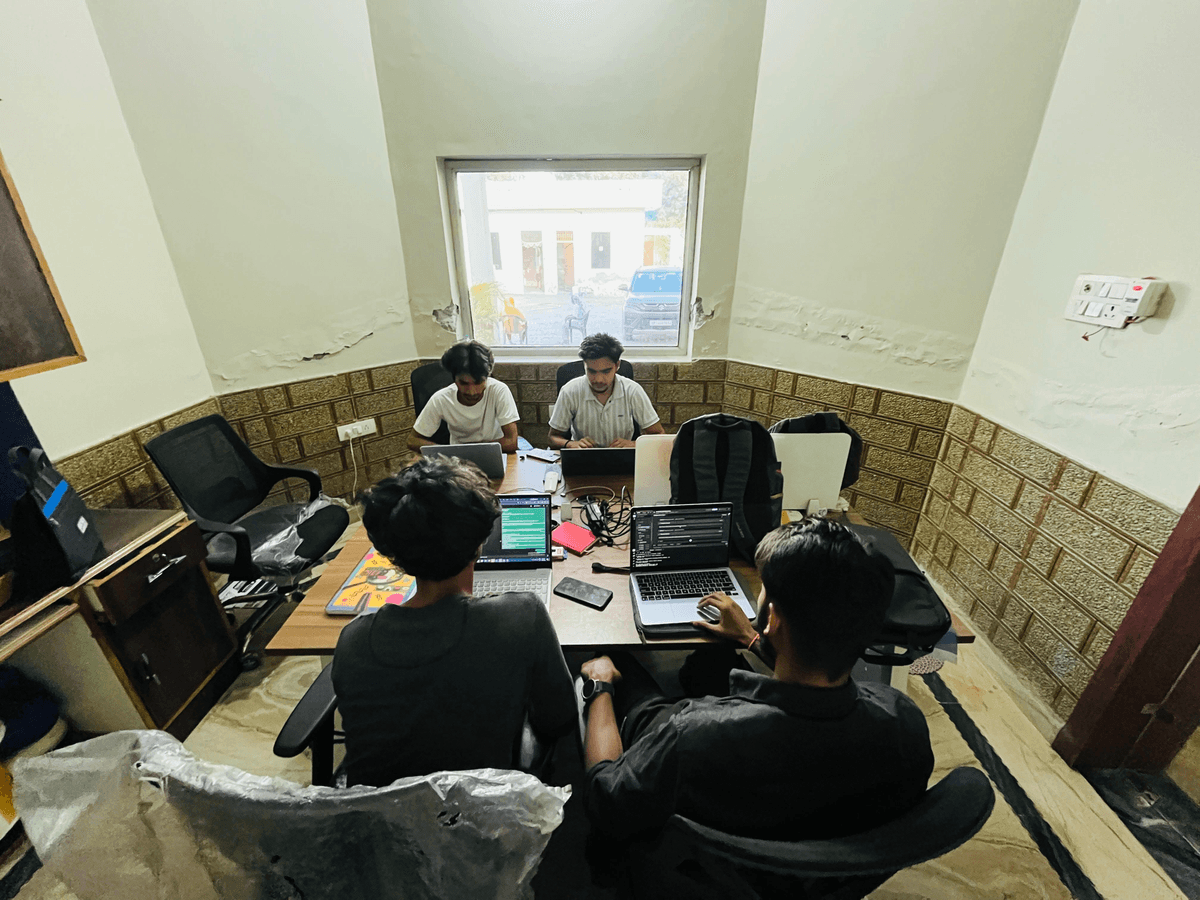
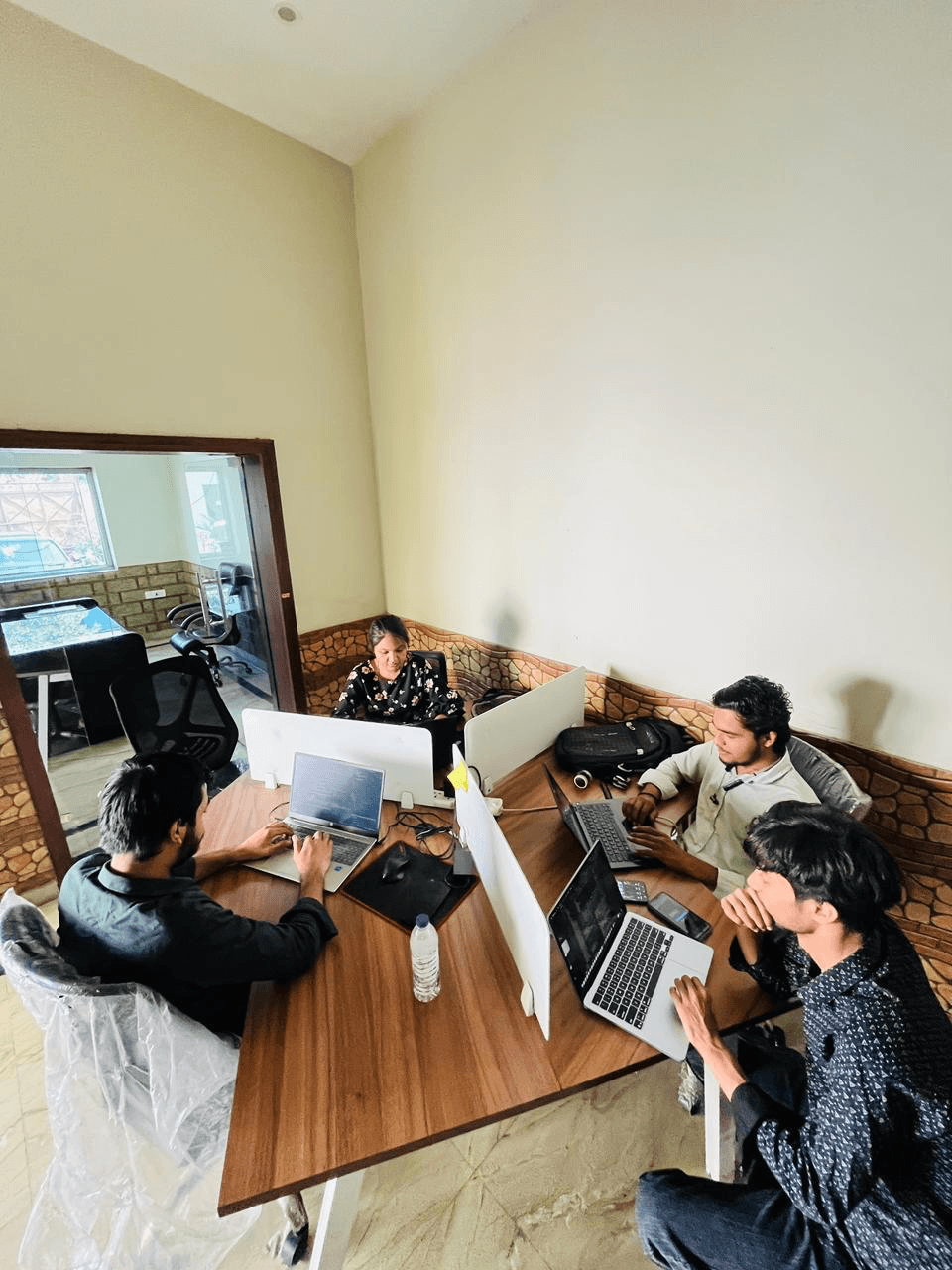
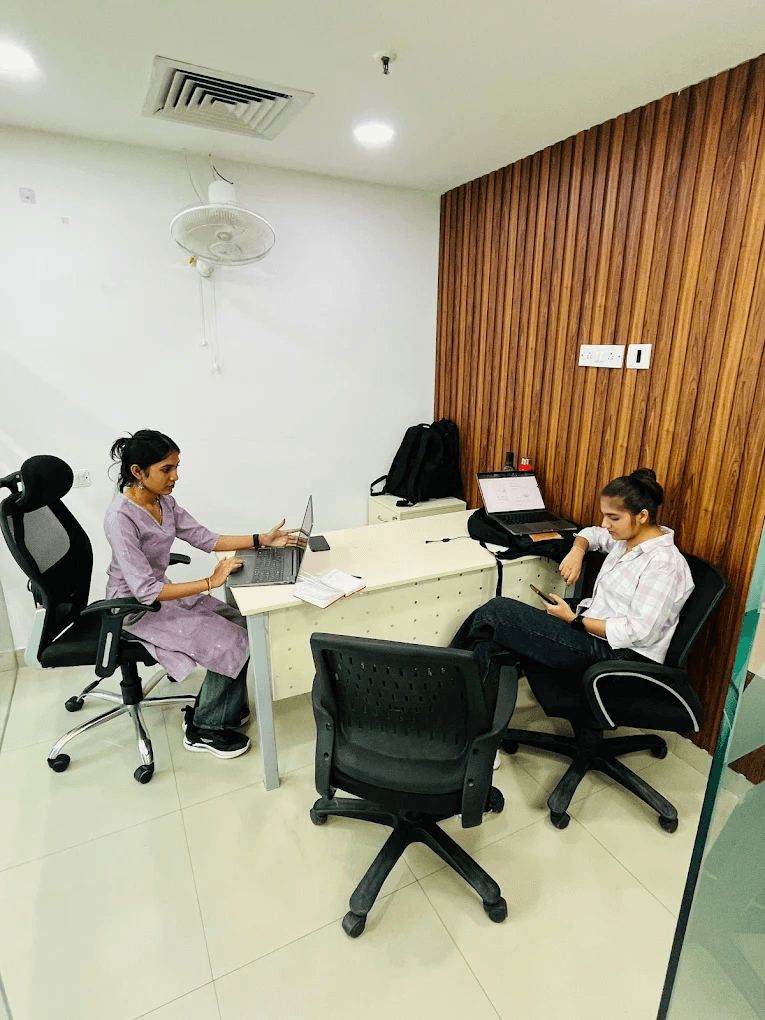
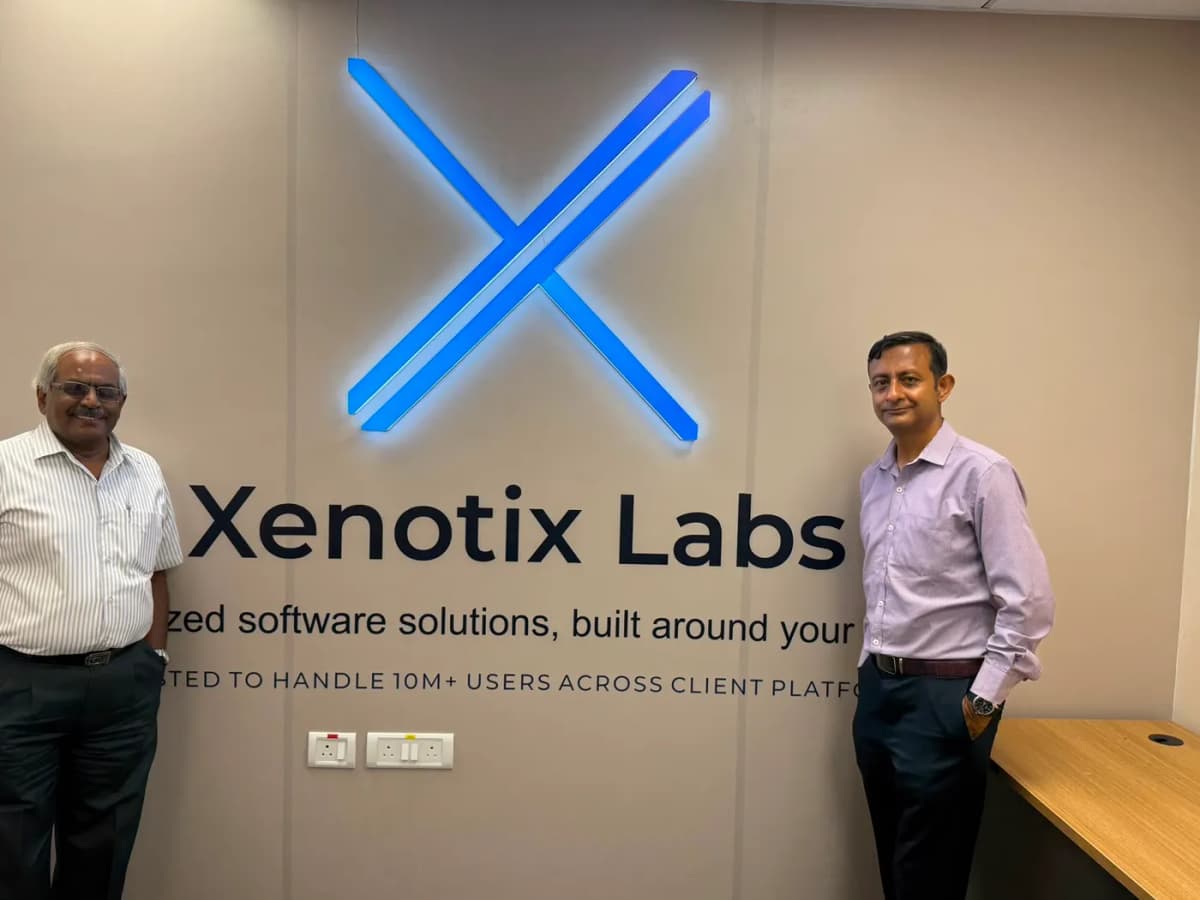
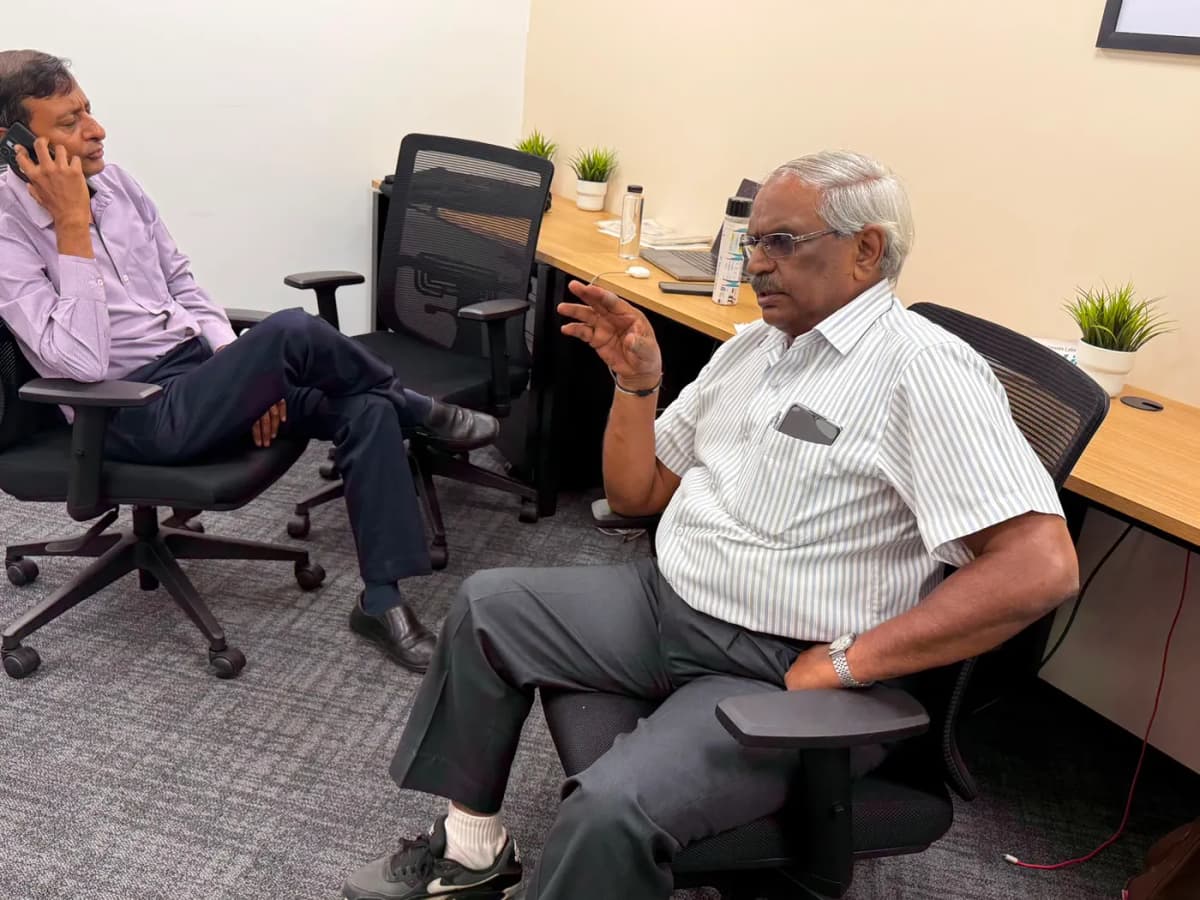
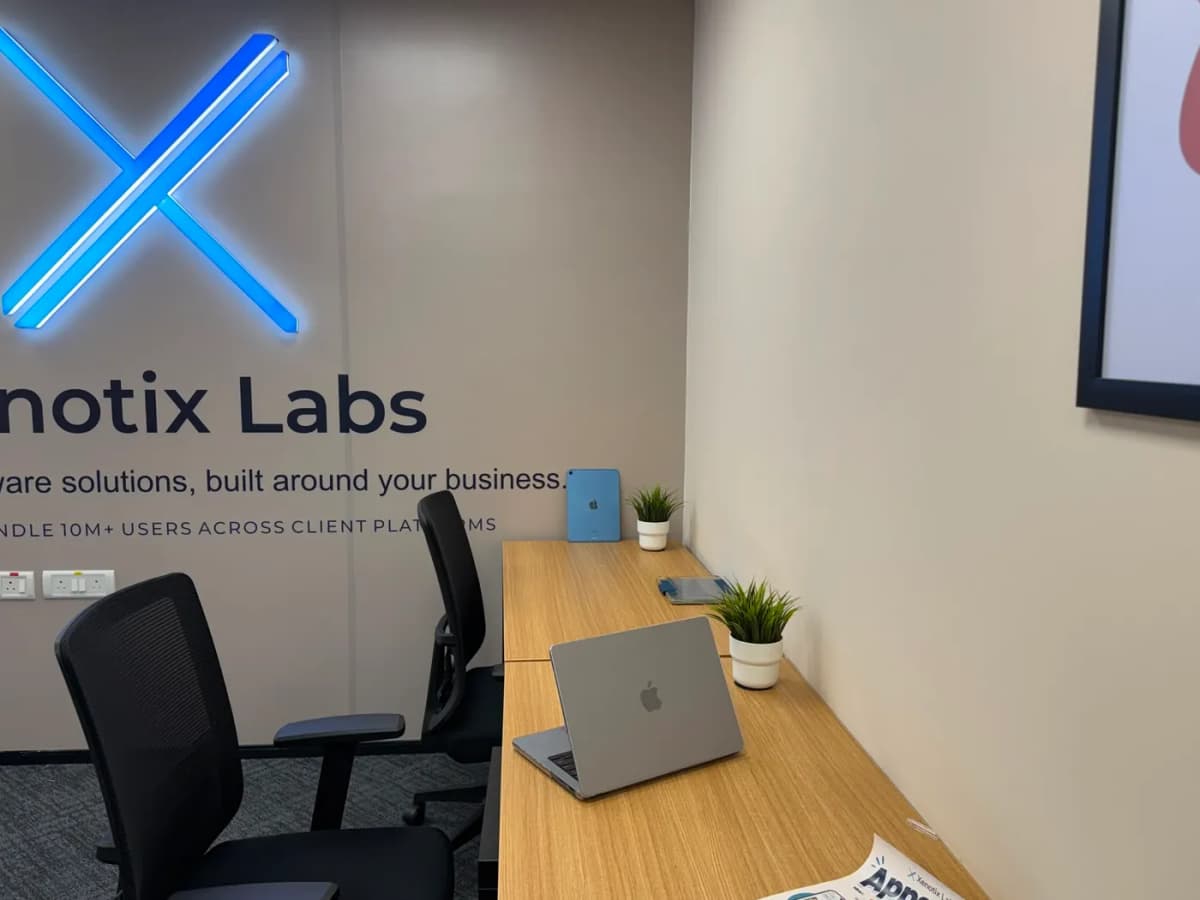
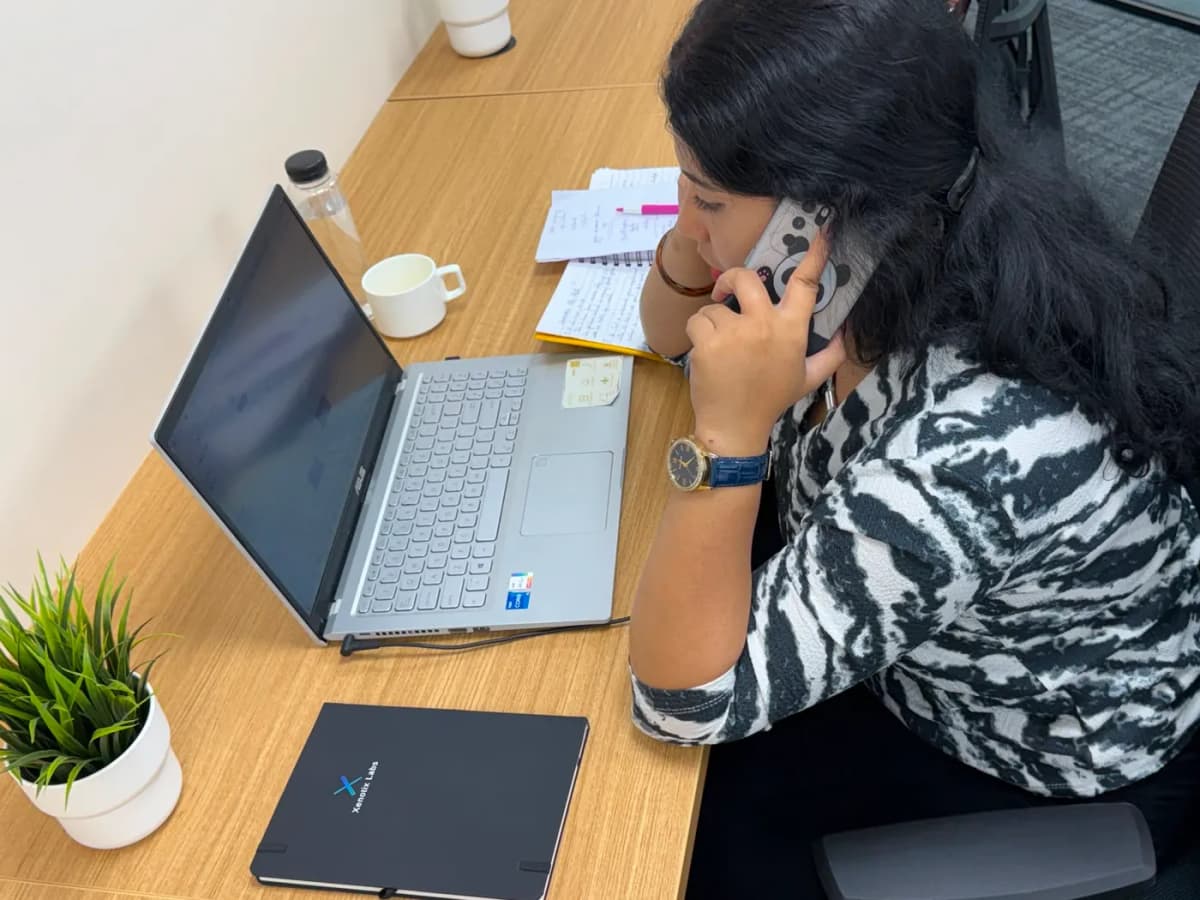
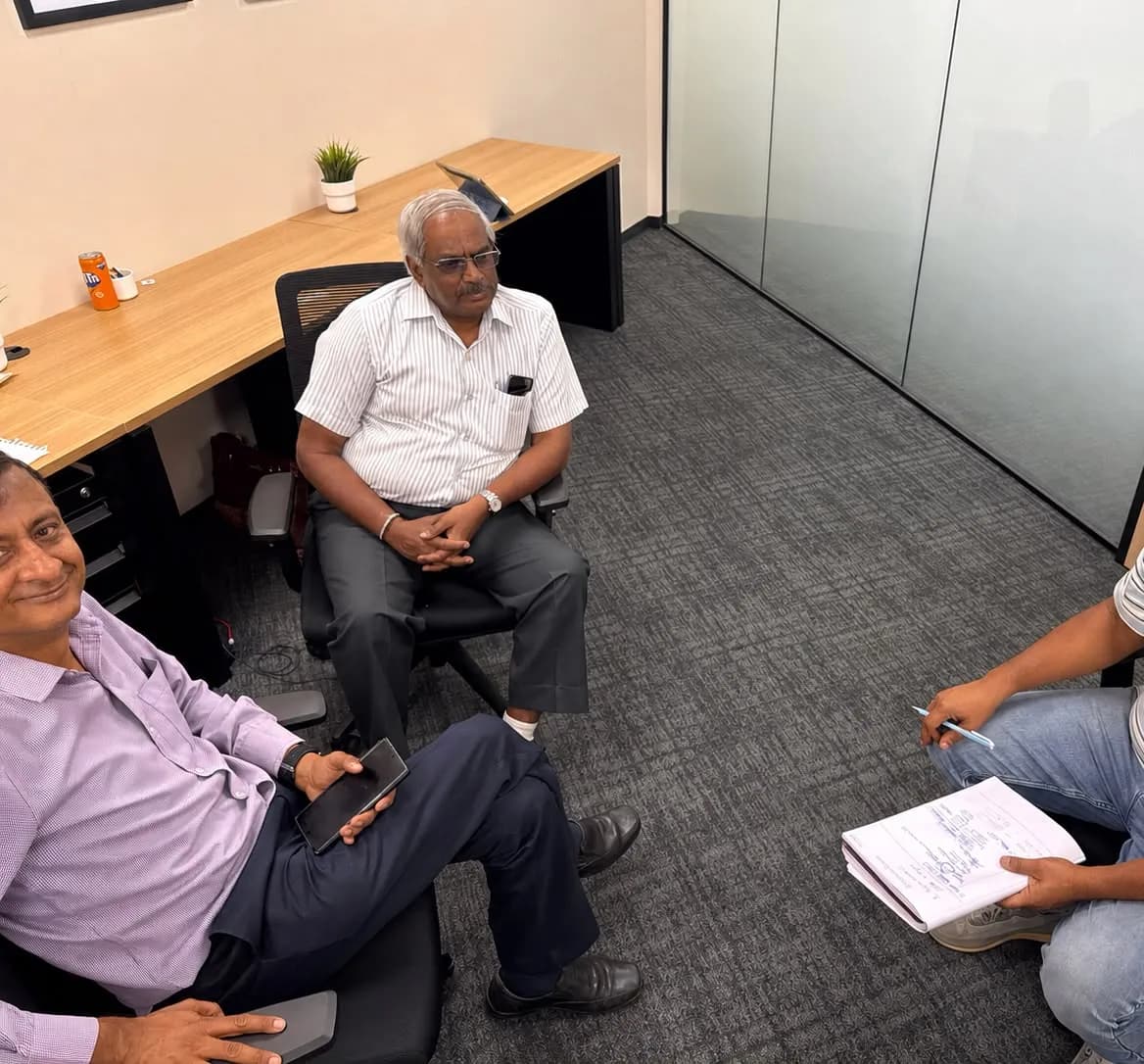
Inside our office — real team, real work

Xenotix Labs office entrance
Engineers coding together at Xenotix Labs
Open workspace at Xenotix Labs
Team design review session
Developers working on client projects
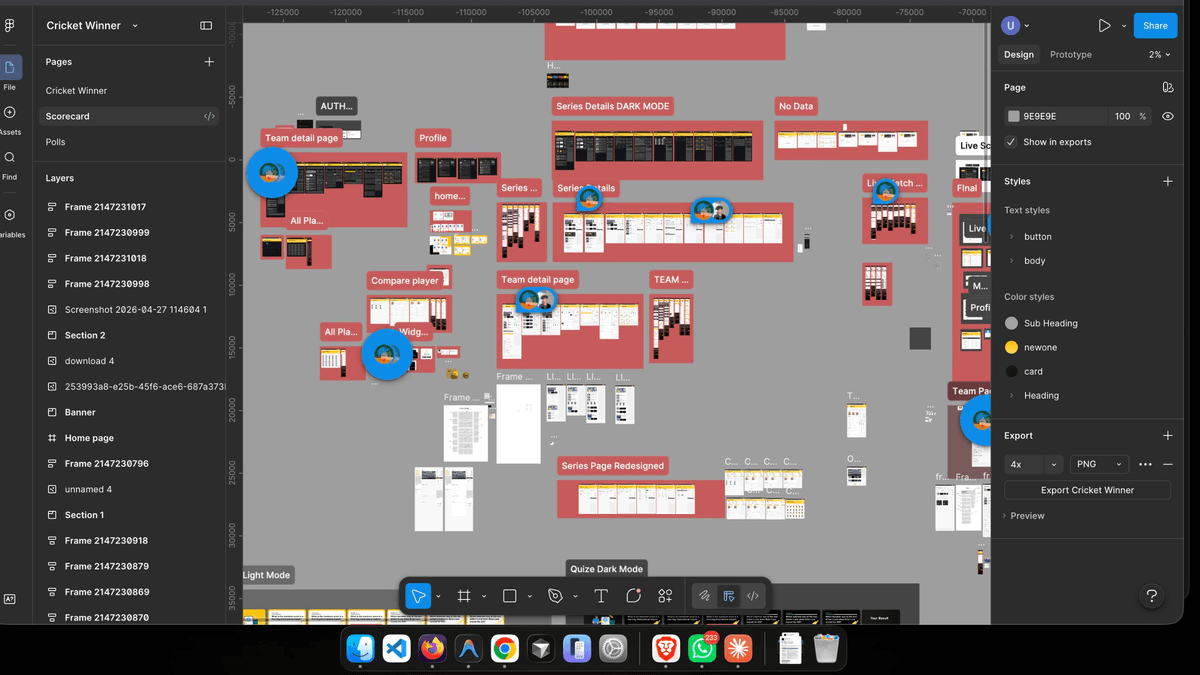
Team designing Cricket Winner app in Figma
Engineer at coding desk
Development team at work
🏢Registered Pvt Ltd Company
📍Office in Noida, Sector 62
🇮🇳Proudly Indian
4.7★ Google Rating

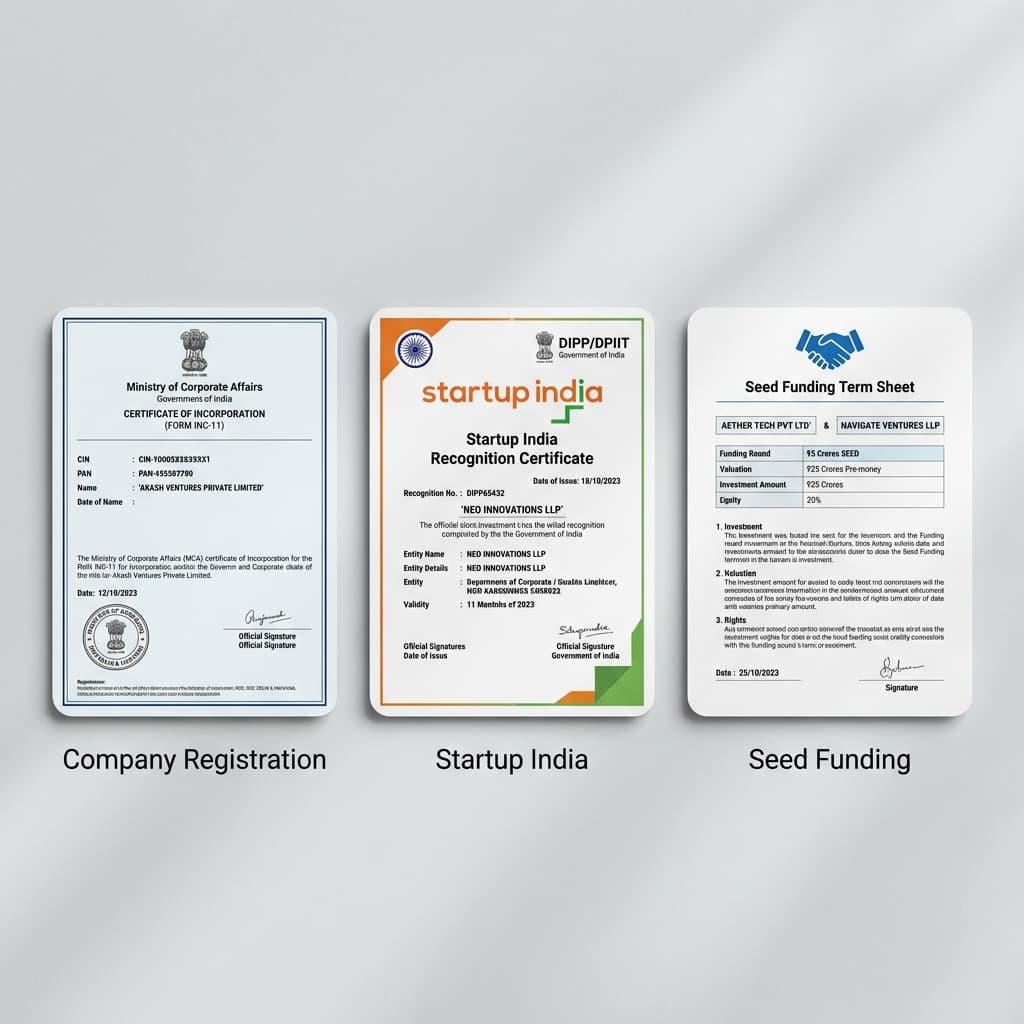
Every business needs

Three things to generate revenue.

Company Registration, Startup India DPIIT, Seed Funding documents

Legal

Company Registration

Startup India DPIIT · Pvt Ltd / LLP · Seed Funding

Alcedo edtech app
Health app
E-commerce flow
Wellness app
Next.jsKafka
PostgreSQLLoad Balancer
RabbitMQ

Tech

Apps handling millions of users.

Flutter · Next.js · Kafka · PostgreSQL · AWS

Marketing

UGC & Brand Campaigns

Creator Reels · Social Media · Paid Ads · Content

Hire senior healthcare app developers in India — salaried engineers for telemedicine, patient portals, e-prescriptions, and EHR/EMR

Xenotix Labs is a founder-led, startup-first software company where founders come to hire healthcare app developers in India who treat patient data as the regulated, safety-critical asset it actually is — not engineers who bolt an encryption library on the week before launch and call it compliant. We are a salaried team, not a freelancer marketplace, and in healthtech that distinction is load-bearing: clinical systems carry consent obligations, audit trails and patient-safety consequences, and you want the same accountable engineers on your EHR in month six who onboarded in week one. Across 110+ shipped apps for 50+ brands reaching 10M+ users at a 4.7-star rating over 76 reviews, we have built the secure-backend, real-time, and enterprise-workflow foundations that healthtech products depend on.

When you hire a healthcare developer through Xenotix, you get a full-time employee of the company, IST-aligned out of our Modinagar and Noida offices, whose work sits under our internal security and data-handling patterns. Our team includes NIT and IIT alumni — NIT Kurukshetra and IIT Bombay among them — and to be clear and honest, we do not invent star names to close a deal, and we do not claim every engineer is from those institutes. We put engineers who reason clearly about protected health information, consent, and interoperability on your product. These are people who understand that a leaked lab report is a trust and legal event, that an audit log is not optional, and that a telemedicine call dropping mid-consult is a clinical failure, not a cosmetic glitch.

Healthtech in India carries a compliance weight most software does not, and we are deliberately honest about exactly where our line sits. We build HIPAA-aware and ABDM-aware architecture: PHI encrypted at rest and in transit, least-privilege access, immutable audit logs, consent capture, ABHA-linked identity, FHIR/HL7-aware data models, and payment and health data resident in India on AWS Mumbai. What we do not do is issue legal certification. HIPAA compliance is an organisational and legal process involving your policies, BAAs and administrative safeguards; ABDM empanelment and registration are a business and regulatory process your team completes. We build the system that passes those reviews — the stamp itself is not something any engineering seat can grant, and any vendor promising you 'certified compliance' from a developer chair is overselling.

Our stack for healthcare is chosen for correctness, security, and interoperability, not novelty. On the client, React Native and Flutter with biometric login, secure keystore usage, certificate pinning, and offline-tolerant sync so patients on low-end devices and patchy networks still get a fast, private experience. Telemedicine runs on WebRTC with a secured media path, waiting rooms, in-call chat, and report sharing. On the server, Node.js handles I/O-heavy orchestration — teleconsult signalling, appointment engines, notification fan-out — and Python covers data pipelines, reporting, and any ML or risk tooling. PostgreSQL is the system of record because its transactional guarantees and constraint enforcement let us model clinical records that cannot drift into invalid states, with append-only audit tables that make every access reconstructable.

Pricing is transparent and published in INR, because founders deserve to compare us without a sales call. A dedicated healthcare engineer is ₹1.4L–₹2.5L per month (roughly $1,700–$3,000), a part-time engineer is ₹70K–₹1.3L per month, and hourly engagements run ₹1,700–₹3,000 per hour. Healthtech sits at the higher end of our overall developer range on purpose — telemedicine, clinical data modelling, interoperability, and compliance-aware depth are not entry-level skills, and we would rather quote honestly than lowball and staff you with juniors learning HL7 on your budget. Every dedicated engagement includes a 1-week trial, a mutual NDA signed before scoping, and 100% IP transfer from day one. Onboarding is 48 hours, not because we cut corners, but because our engineers already know our patterns.

Why hire healthcare developers from India, and why Xenotix specifically? The economics remain compelling — senior healthtech engineers here deliver comparable shipping output to US and UK peers at a fraction of the cost — but for a clinical product, cost is the wrong headline. What matters is that you get engineers who default to secure, consented, auditable patterns, who model records for interoperability instead of a silo, who build for the compliance conversation you will eventually have with an assessor or an ABDM reviewer, and who stay on your team long enough to own the consequences of their code. We recommend architectures honestly, we scope in line items, and we tell you plainly where engineering ends and a HIPAA auditor, a chartered professional, or an ABDM empanelment process begins.

This page is written for founders and product leaders evaluating who to trust with the most sensitive part of their product — patient data and clinical workflows. Below you will find our healthtech sub-services, how we reason about the stack, our complexity tiers with real rate cards, three case studies drawn only from our genuine portfolio and framed honestly, why teams choose us, and an extended FAQ that answers the questions that actually get asked in a healthtech hiring call — cost, IIT/NIT alumni, salaried-versus-freelancer, the trial, time zones, what skills to look for, how to write the job description, what to ask in interviews, and exactly how we handle HIPAA and ABDM. No fluff, no invented credentials, no compliance theatre — just what we build and how.

X

Written by Xenotix Labs Engineering

Founding Engineering Team

Xenotix Labs has shipped 110+ production startup products across D2C, fintech, edtech, sports, healthcare, and legal-tech. Our Flutter and React Native engineers are the same people who lead architecture decisions on every mobile engagement.

Sub-services

What we ship inside hire healthcare app developers in india

Real engagements, real case studies — not a feature list. Each sub-service is one we have shipped to production.

Telemedicine & Video Consultation

Senior engineers who build WebRTC-based teleconsultation — waiting rooms, one-to-one and group video, in-call chat, report and prescription sharing, and appointment scheduling with reminders. We engineer for jittery mobile networks and low-end devices with adaptive bitrate and reconnection handling, keep the signalling and media paths secured, and instrument the whole session so a dropped consult is recoverable rather than a clinical dead end.

Use cases: Doctor-on-demand apps, hospital teleconsult, mental-health platforms, follow-up consults, second-opinion services, remote patient triage

Shipped on: Real-time and video engineering discipline from Cricket Winner's live match-time streams and high-concurrency event handling

Patient Portals & Consumer Health Apps

Cross-platform patient apps in Flutter and React Native that unify appointment booking, health records, lab reports, medication reminders, teleconsult, and payments in one hardened product. Built with secure storage, biometric login, and offline-tolerant sync, they give patients a fast, private experience on any device across iOS and Android — the kind of consumer polish our team has shipped repeatedly at scale.

Use cases: Patient engagement apps, hospital and clinic apps, chronic-care management, wellness and fitness apps, diagnostics report apps, pharmacy apps

Shipped on: Consumer app craft across 110+ shipped products including Veda Milk and Mappu, applied to a healthcare security posture

E-Prescriptions & Medication Management

Structured e-prescription flows built on a coded drug master, with dosage and frequency capture, interaction-check hooks, digital signing, and a complete audit trail. Prescriptions render to shareable, tamper-evident PDFs and stay linked to the clinical encounter, so clinicians, pharmacies, and patients all work from one reconcilable source of record rather than free-text notes that lose meaning downstream.

Use cases: Digital Rx, pharmacy fulfilment, medication adherence, refill workflows, drug-interaction alerts, chronic-medication tracking

Shipped on: Structured-workflow and document-generation depth from ClaimsMitra's enterprise claims and inspection pipelines

EHR / EMR & Clinical Records

Electronic health and medical record systems with encounter workflows, problem lists, observations, orders, and medication history, wrapped in role-based access and immutable audit logging. Our engineers model clinical data so illegal states are unrepresentable and every record change is attributable — the foundation any hospital, clinic, or diagnostic lab needs before it can trust software with a patient's history.

Use cases: Hospital and clinic EMR, diagnostic-lab systems, specialty EHR, care-coordination platforms, admin and front-desk workflows

Shipped on: Enterprise workflow and role-based-access rigor from ClaimsMitra's 114+ endpoint backend

FHIR & HL7-Aware Interoperability

Data modelled on FHIR resources — Patient, Encounter, Observation, MedicationRequest — and HL7-aware integration so your records interoperate with labs, hospitals, and health-information exchanges instead of locking into a proprietary silo. We design the mappings and APIs that let external systems read and write cleanly, which is what turns a records app into a genuine part of a connected health ecosystem.

Use cases: Lab and hospital integrations, HIE connectivity, referral exchange, device-data ingestion, third-party health-app APIs, data migration

Shipped on: API-design and integration depth across enterprise backends with 100+ endpoints and third-party system connections

ABDM & ABHA-Aware Architecture

Systems designed with India's Ayushman Bharat Digital Mission in mind — ABHA-linked patient identity, health-record consent flows, and interoperable structures aligned with ABDM expectations. Delivered honestly: we build ABDM-aware architecture that makes registration and integration straightforward, but formal ABDM empanelment and registration are a business and regulatory process your team completes, not an engineering certification we can issue.

Use cases: India-first health apps, ABHA-linked onboarding, consent-manager integration, government-scheme readiness, national-registry alignment

Shipped on: India-resident data patterns and consent-capture engineering across production builds on AWS Mumbai

HIPAA-Aware Security & PHI Handling

Architecture that narrows PHI exposure by design — encryption at rest and in transit, least-privilege and role-based access, network segmentation, immutable audit logs of every access, and secrets in a managed vault. This is compliance-ready engineering delivered honestly: we build the technical safeguards an assessor looks for, but the HIPAA compliance program itself — policies, BAAs, administrative controls — is an organisational and legal process, not code.

Use cases: PHI-handling apps, US-facing healthtech, telehealth for regulated markets, audit-preparation architecture, secure data vaulting

Shipped on: Security-first backend discipline standard across every data-sensitive Xenotix engagement, including insurance and enterprise builds

Secure Healthtech Backend & API Engineering

Node.js and Python services on PostgreSQL with encryption, rate limiting, consent enforcement, idempotency, and immutable audit logging. The same enterprise-grade backend rigor that powered ClaimsMitra's 114+ endpoints, tuned here for clinical data where an incorrect state transition is a patient-safety event rather than a cosmetic defect, and where every read of a record must be logged, attributable, and defensible under review.

Use cases: Clinical APIs, appointment and scheduling engines, notification services, reporting and analytics APIs, admin/ops panels, integration middleware

Shipped on: ClaimsMitra insurance backend, 114+ endpoints; enterprise-grade secure workflow engineering

Tech stack reasoning

Why this stack for healthcare — correctness, PHI security, and interoperability that lasts

PostgreSQL is our system of record for clinical data, and that is a deliberate, load-bearing choice rather than a default. Health records demand strong transactional guarantees and the ability to make illegal states unrepresentable — a discharge before an admission, an observation with no encounter, a medication order against no patient — and Postgres gives us check and foreign-key constraints, exclusion constraints, and serializable isolation to enforce exactly that at the database level. We model access and change history as append-only audit tables so nothing is silently mutated and every read or write of a record can be reconstructed, which is the property that makes a HIPAA-style audit or an incident investigation tractable instead of a guessing game. We do not put a patient's history on an eventually-consistent store and hope; correctness and attributability are the entire point.

On the backend we run a considered split rather than a one-size language. Node.js handles I/O-heavy orchestration — WebRTC signalling for teleconsults, appointment and reminder engines, notification fan-out, and talking to labs, pharmacies, and ABDM or consent-manager endpoints concurrently — where its async model shines and idempotency keys keep retries safe. Python covers data pipelines, reporting, analytics, and any ML or risk tooling, plus the FHIR/HL7 mapping and transformation work where its data-handling libraries earn their keep. The rule we hold to: use the language that makes the correctness and interoperability properties easiest to guarantee for that specific subsystem, and keep the boundaries between services clean, observable, and consented at every hop.

Security in a healthtech build is architectural, not a hardening sprint bolted on before launch. PHI is encrypted at rest and in transit, access is least-privilege and role-based with every access written to an immutable audit log, data is segmented so a breach of one component does not expose the whole record set, and secrets live in a managed vault rather than environment files. On the client, React Native and Flutter apps use biometric authentication, secure keystore and keychain storage, and certificate pinning so clinical data never leaves the device through an unhardened path. Telemedicine runs over WebRTC with a secured media path. Data residency is handled by deploying on AWS Mumbai so health and payment-system data stays inside India, aligned with ABDM and RBI localisation expectations, with data-flow diagrams that map exactly where sensitive information lives and moves.

We are precise about the boundary between engineering and legal compliance, and we say so up front because founders get burned by vendors who blur it. Our engineers build HIPAA-aware and ABDM-aware systems: the encryption, least-privilege access, segmentation, India-resident storage, consent capture, ABHA-linked identity, and audit logging that an assessor or an ABDM reviewer looks for. But a HIPAA compliance program is an organisational and legal undertaking — risk assessments, policies, Business Associate Agreements, and administrative safeguards — and ABDM empanelment and registration are a regulatory and business process signed off by your team, not a developer. We build the system so those processes go smoothly and produce documentation to support them; the certification and empanelment are theirs to obtain. That honesty is not a weakness in the offering — it is the reason serious healthtech founders trust our architecture.

Pricing & timeline

How much does hire healthcare app developers in india cost?

Published tiers, not opaque quotes. Every range below is one we have shipped engagements at.

Hourly Healthtech Engineering

₹1,700 – ₹3,000 / hour

$20 – $36 / hour

TimelineSame-day start when bench available
Team1 senior healthtech engineer (telemedicine, backend, or security focus)
ScopePer-hour senior engineering for a WebRTC or telemedicine integration, an e-prescription or FHIR-mapping module, a PHI-scope or security review, or surge capacity on a live clinical system. Detailed timesheets, no minimum commitment.
Best forLive healthtech products needing surge help, a telemedicine or interoperability integration, or a HIPAA/PHI-scope review

Part-Time Healthtech Developer

₹70,000 – ₹1,30,000 / month

$850 – $1,600 / month

TimelineStart in 48 hrs
Team1 senior healthtech engineer (50% allocation)
Scope80 hrs/month of senior healthtech development, weekly demos, flexible scheduling, full IP ownership, NDA standard. Ideal for validating a telemedicine, patient-portal, or health-records MVP.
Best forPre-seed and seed healthtech startups, MVPs, adding teleconsult or e-prescription features to an existing app

Dedicated Healthtech Developer

₹1,40,000 – ₹2,50,000 / month

$1,700 – $3,000 / month

TimelineStart in 48 hrs
Team1 senior healthtech engineer (100% allocation)
Scope160 hrs/month, full-time exclusive allocation, daily standups, 1-week trial, HIPAA/ABDM-aware architecture, salaried Xenotix engineer working only on your product.
Best forFunded healthtech teams building telemedicine, patient portals, e-prescriptions, or EHR/EMR end to end

Pricing varies with scope, integrations, and compliance needs. Every engagement starts with a fixed-scope written estimate after a 2-week paid discovery — never an open hourly meter.

Real case studies

Production case studies — not deck pages

Each hire healthcare app developers in india engagement below is live, in production, and serving real users today.

ClaimsMitra — enterprise health-adjacent workflow backend, 114+ endpoints

Problem

Build an enterprise insurance inspection and claims platform with the backend depth a clinical-grade system needs — 114+ API endpoints, secure document capture, role-based access, complete audit trails, and workflow state machines that cannot enter an invalid state. Insurance and claims are health-adjacent, and this backend is exactly the foundation we reuse for EHR, e-prescription, and PHI-handling systems.

Stack

React Native / Flutter client, Node.js and Python services, PostgreSQL, encrypted document storage, role-based access control, immutable audit logging, AWS Mumbai

Outcome

A production enterprise platform whose 114+ endpoints, audit trails, and secure-storage patterns are the honest, proven basis for the clinical-records and consent-driven backends we build in healthcare. We frame it plainly: this is enterprise and insurance work, not a claim that we shipped a hospital EHR — it is the backend rigor that a health system demands.

Read case study

Cricket Winner — real-time, high-concurrency systems at scale

Problem

Ship a product with real-time balance and event updates during live match spikes — millions of events flowing through the system with state that never drifts under high concurrency. Telemedicine and live patient-monitoring share this exact engineering shape: secured real-time streams, reconnection handling, and correctness under load.

Stack

React Native and Flutter mobile, Node.js backend, WebSockets for real-time updates, Kafka for high-throughput event streams, PostgreSQL, AWS

Outcome

A production real-time layer proven under live, spiky traffic — the same discipline our engineers apply to WebRTC teleconsults and real-time clinical dashboards. Honestly framed: this is a sports product, cited as proof of our real-time and concurrency engineering, not as a health app.

Read case study

Veda Milk — subscription, scheduling, and consumer app craft

Problem

Build a D2C dairy subscription product where recurring scheduling has to be reliable, checkout has to be smooth on low-end devices and patchy networks, and daily generation must reconcile without errors. Appointment scheduling, medication reminders, and recurring-care workflows in healthtech demand the same reliable scheduling and consumer polish.

Stack

Flutter customer and delivery apps, Node.js backend, scheduling and recurring-generation engine, PostgreSQL, RabbitMQ for nightly runs, AWS

Outcome

A live subscription, scheduling, and consumer-app flow that reconciles reliably — proof our team ships smooth, dependable scheduling and consumer UX on constrained devices, which is precisely what patient-facing health apps require. Framed honestly as a D2C product demonstrating scheduling and app craft, not a clinical system.

Read case study

Engagement Options

Flexible Hiring Models

Choose the engagement that fits your project size, budget, and timeline.

👨‍💻

Dedicated Developer

₹1.4L – ₹2.5L / month

$1,700 – $3,000 / month

A senior healthtech engineer from our NIT/IIT-alumni-backed team works exclusively on your product, ~160 hours a month, embedded in your Slack and sprints on HIPAA/ABDM-aware architecture. Best for funded teams building telemedicine, patient portals, e-prescriptions or EHR end to end.

  • 160 hrs/month, exclusive to you
  • Daily standups in IST
  • 100% code & PHI-infra ownership
  • 1-week trial before you commit
Get Started
🕐

Part-Time Developer

₹70K – ₹1.3L / month

$850 – $1,600 / month

~80 hours a month of senior healthtech development for founders validating a telemedicine or health-records MVP without a full-time headcount. Ideal for extending a lean in-house team with a proven, pre-vetted engineer who understands clinical data.

  • 80 hrs/month
  • Weekly progress demos
  • Flexible scheduling
  • No long-term lock-in
Get Started

Hourly / Project Basis

₹1,700 – ₹3,000 / hour

$20 – $36 / hour

Pay only for hours worked — perfect for a WebRTC integration, an e-prescription module, a security or PHI-scope review, or short-term consulting on an existing healthtech codebase by a senior engineer.

  • Transparent hourly billing
  • Detailed timesheets
  • No minimum commitment
  • Same-week start
Get Started

Skills & Technologies

Every developer is pre-vetted across these core technologies.

Telemedicine (WebRTC)Patient portals & health appsE-prescriptionsEHR / EMR systemsFHIR / HL7-aware interoperabilityABDM & ABHA-aware architectureHIPAA-aware security & PHI handlingFlutter & React NativeNode.js & Python backendsPostgreSQL & double-audit data modelsImmutable audit logging & consentAWS Mumbai deployment & CI/CD

Our Expertise

We Build For Every Industry

From startups to enterprises, we craft digital solutions tailored to your sector.

EdTech

EdTech

Learning platforms & course apps

Healthcare

Healthcare

Fitness & wellness solutions

Supply Chain

Supply Chain

Logistics & inventory systems

Food & Delivery

Food & Delivery

Restaurant & delivery apps

Beauty & Wellness

Beauty & Wellness

E-commerce & booking platforms

Productivity

Productivity

Task & project management

Why founders pick Xenotix

Why Xenotix Labs for hire healthcare app developers in india

Salaried engineers, not freelancers

Every healthcare developer is a full-time Xenotix employee — IST-aligned, accountable, and on your project for the long haul. With clinical data and patient safety, continuity is not a nice-to-have; the person who built your EHR or teleconsult flow is the person who fixes it in month six, under the same security patterns.

Compliance-aware, honestly scoped

We build HIPAA-aware and ABDM-aware architecture, and we tell you plainly that HIPAA is an organisational program and ABDM empanelment is a business process. We build the system that passes those reviews — we do not oversell a certification a developer cannot issue, which is exactly why founders trust the architecture we hand them.

NIT & IIT alumni on the team

Our team includes NIT Kurukshetra and IIT Bombay alumni. We do not invent star names to close a deal, and we do not claim every engineer is from those institutes — we staff engineers who reason clearly about PHI, consent, and interoperability, and you interview the real people before committing.

Enterprise backend depth

ClaimsMitra's 114+ endpoint backend, audit trails, and secure-storage patterns are the honest foundation we reuse for clinical records, e-prescriptions, and PHI systems. You get financial- and enterprise-grade backend rigor, not a consumer-app team learning healthcare data on your budget.

Interoperability that lasts

We model on FHIR resources and build HL7-aware integrations so your records connect to labs, hospitals, and health exchanges instead of trapping data in a silo. Interoperable data is what turns a records app into a durable part of a connected health ecosystem rather than a dead end.

Transparent INR pricing

Dedicated ₹1.4L–₹2.5L/month, part-time ₹70K–₹1.3L, hourly ₹1,700–₹3,000 — published, comparable, and never marked up after the intro call. Healthtech sits at the higher end because telemedicine, clinical data, and compliance-aware depth genuinely are senior skills, and we say why.

48-hour onboarding, 1-week trial

Our engineers already know our security, consent, and data-handling patterns, so onboarding is 48 hours, not a month of ramp. Dedicated engagements start with a 1-week trial and a no-fit replacement at no cost — you prove the fit on real clinical-domain work before you commit.

100% IP and NDA from day one

You own all code, infrastructure, and PHI-handling credentials from kickoff, with a mutual NDA signed before any scoping conversation. For a healthcare product handling protected health information, that clean IP and confidentiality posture is table stakes — and it is our default, never an upsell.

Design Process in Figma

Designed in

Figma

How We Work

Our Process

01

Discovery & Strategy

We understand your business goals, target audience, and technical requirements to create a solid foundation.

02

Design & Prototyping

Our designers craft pixel-perfect interfaces in Figma, ensuring every interaction feels intuitive and premium.

03

Development & Testing

Clean, scalable code with rigorous testing to ensure your product performs flawlessly across all devices.

04

Launch & Support

We handle deployment, monitoring, and provide ongoing support to keep your product running smoothly.

See Xenotix Labs in Action

Know Us Better. Watch Our Story.

From our portfolio to our process — hear it straight from the team in Hindi and English. Real people, real work, no fluff.

Hindi
English

The team behind the work

Xenotix Labs office entrance
Developers coding together
Our open workspace
Team design review

Want to see what we've built? Check out our work.

Explore Portfolio →
Real Data

How Much User Traffic We Are Handling Right Now?

On our clients' apps and sites — real numbers, real dashboards, zero fluff.

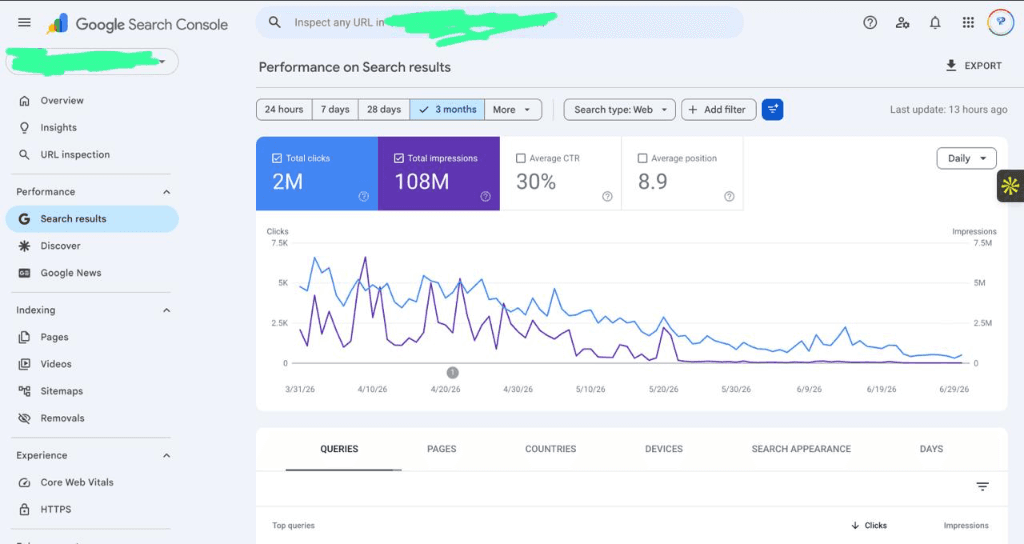
Google Search Console — 2M clicks, 108M impressions, 30% CTR
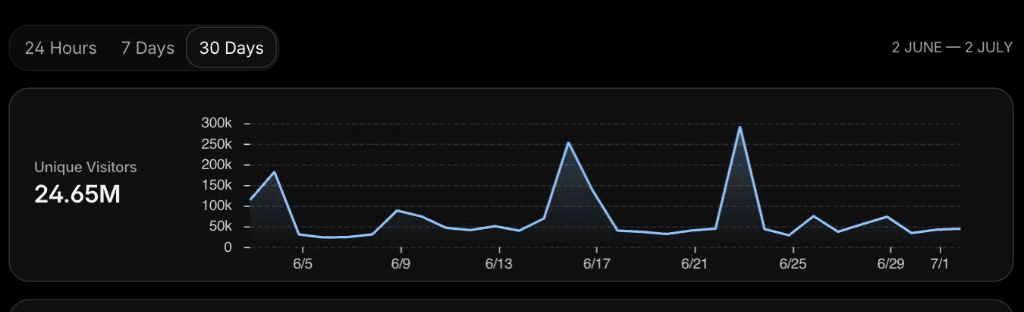
Cloudflare Analytics — 24.65M unique visitors in 30 days
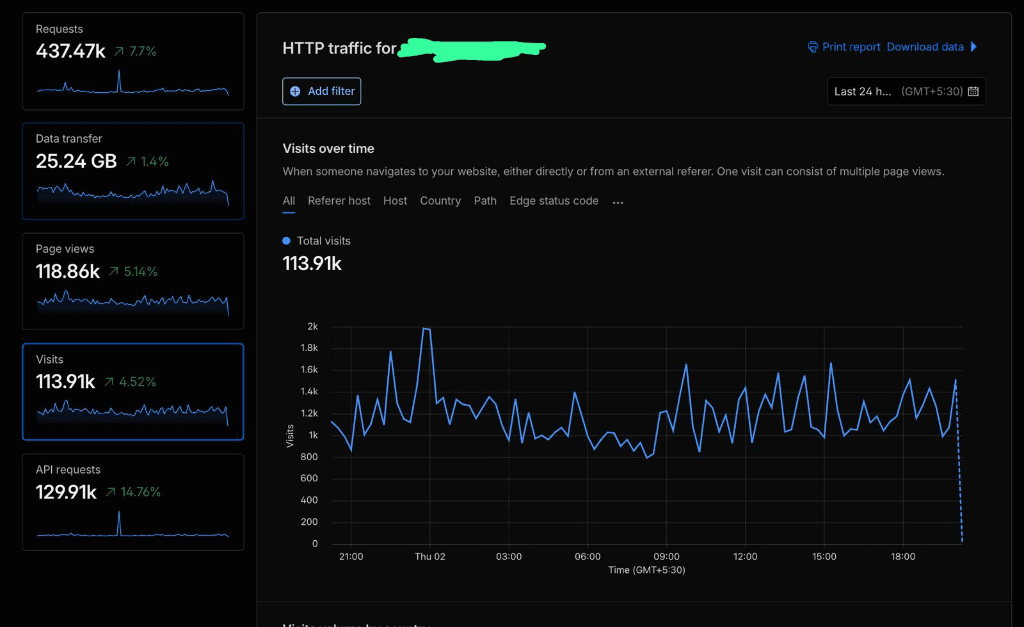
Cloudflare HTTP Traffic — 437K requests, 113.91K visits/day
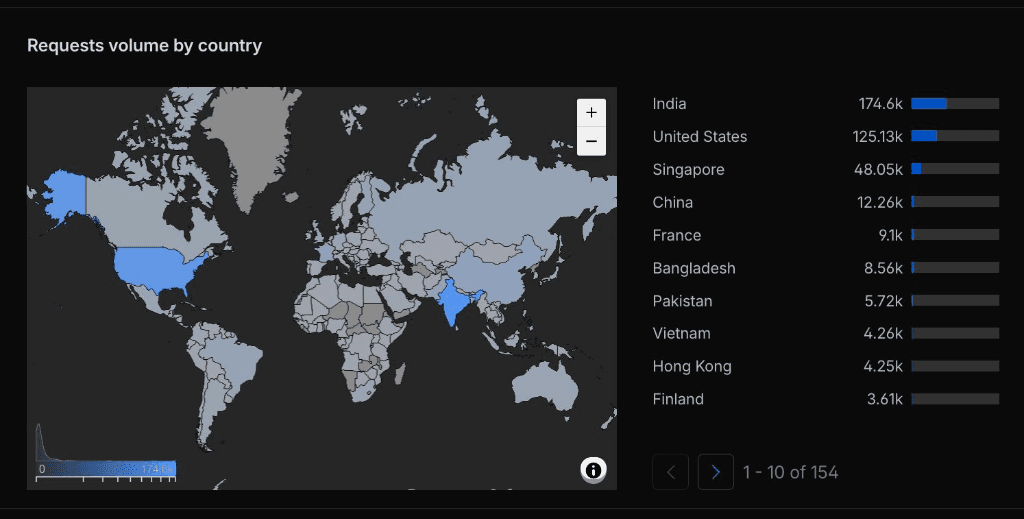
Global traffic from 154 countries — India, US, Singapore, China
🔍

0M+

Total Clicks

Google Search Console · 3 months

👁️

0M+

Total Impressions

Google Search Console · 3 months

👥

0.00M

Unique Visitors

Cloudflare Analytics · 30 days

📊

0.00K

Daily Visits

Cloudflare · 24 hours

0K+

Requests Served

Cloudflare · 24 hours

🌍

0

Countries Reached

Global traffic distribution

Google Search Console verifiedCloudflare Analytics30% average CTR154 countries served99.9% uptime

Hear directly from clients

What Directors Say

About Our Team.

Video reviews, WhatsApp screenshots, and written testimonials — straight from founders who built with us.

Read Client Reviews
Xenotix Labs team — 121+ startups launched, client reviews

Common Questions

Frequently Asked Questions

How much does it cost to hire a healthcare app developer in India?

At Xenotix, a dedicated healthcare developer is ₹1.4L–₹2.5L per month (about $1,700–$3,000), part-time is ₹70K–₹1.3L per month, and hourly is ₹1,700–₹3,000. Healthtech sits at the higher end of our developer range because telemedicine, clinical data, and compliance-aware depth are senior skills. Pricing is published in INR so you can compare us without a sales call.

Do you actually have IIT and NIT alumni on the healthcare team?

Yes — our team includes NIT Kurukshetra and IIT Bombay alumni. We are deliberately honest here: we do not put invented star names on a proposal to win a deal, and we do not claim every engineer is from those institutes. We staff engineers who reason clearly about PHI, consent, and interoperability, and you can interview the actual people before committing.

Are your healthcare developers freelancers or salaried employees?

Salaried, full-time Xenotix Labs employees — not freelancers or a gig-marketplace pool. In healthtech this matters more than almost anywhere: clinical data and patient safety need continuity and accountability. The engineer who builds your EHR or teleconsult flow is on payroll, IST-aligned, following our internal security patterns, and on your project long enough to own the consequences of their code.

Can I start with a trial before hiring full-time?

Yes. Every dedicated healthcare engagement includes a 1-week trial. We sign a mutual NDA up front, you own 100% of the IP from day one, and if the engineer is not the right fit we replace them at no cost. There is no long-term lock-in — week-by-week, monthly, and hourly contracts are all available so you scale the way your product needs.

Can your healthcare developers work in my time zone?

Our engineers are IST-aligned from our Modinagar and Noida offices, which gives a full working-day overlap with the UK, Europe, the Middle East, and Australia, and a solid multi-hour evening overlap with US teams. Dedicated engagements can shift hours to align more closely with your business day when a live clinical or telemedicine system needs it.

Do you handle HIPAA and ABDM compliance?

We build HIPAA-aware and ABDM-aware architecture — encryption, least-privilege access, audit logging, consent flows, ABHA-linked identity, and India-resident data on AWS Mumbai. Honestly: that is compliance-ready engineering, not legal certification. A HIPAA program needs policies, BAAs, and administrative safeguards, and ABDM empanelment is a regulatory and business process. We build the system that passes those reviews; the stamp is yours to obtain.

What skills should I look for in a healthcare app developer?

Look for a security-first default (encryption, least-privilege access, audit logging of every PHI access), transactional database fluency for clinical records, real telemedicine or WebRTC experience, familiarity with FHIR/HL7 interoperability and consent flows, patient-facing app craft on constrained devices, and the judgement to know where engineering ends and a HIPAA or ABDM process begins. Production PHI experience beats framework buzzwords every time.

How do I write a healthtech developer job description?

State the domain up front — telemedicine, patient portal, e-prescription, or EHR/EMR — and the concrete outcome, like 'build a WebRTC teleconsult that holds on poor networks.' List must-haves: a backend language (Node.js or Python), PostgreSQL and clinical data modelling, WebRTC or FHIR/HL7 as relevant, and security fundamentals. Mention HIPAA/ABDM-aware architecture as a requirement, not certification, and be explicit about salaried-versus-contract, time zone, and IP/NDA terms.

What interview questions should I ask a healthcare developer?

Ask them to model an EHR encounter so illegal states are impossible; how they log and attribute every access to a patient record for an audit; how they secure a WebRTC teleconsult and handle reconnection on a poor network; how they map data to FHIR resources for lab or hospital interoperability; and where they draw the line between HIPAA-aware architecture and a HIPAA compliance program. Strong candidates answer from real production experience, not theory.

Which stack do you use for healthcare apps?

React Native and Flutter on the client with biometric auth, secure storage, and certificate pinning; WebRTC for telemedicine; Node.js and Python on the backend depending on the subsystem; PostgreSQL as the system of record for clinical data with append-only audit tables; FHIR/HL7-aware data models; Redis and Kafka for caching and events; and AWS Mumbai for India-resident deployment. Choices are driven by correctness, PHI security, and interoperability, not novelty.

Can you build telemedicine, patient portals, e-prescriptions, and EHR specifically?

Yes — those are our core healthtech sub-services. WebRTC teleconsultation with waiting rooms and report sharing; patient portals unifying records, appointments, and reminders; structured e-prescriptions on a coded drug master with digital signing and audit trails; and FHIR/HL7-aware EHR/EMR with encounter workflows, role-based access, and immutable logging. Each builds on secure-backend and enterprise-workflow patterns we have shipped in production, including ClaimsMitra's 114+ endpoint backend.

How long does it take to hire a healthcare developer?

We typically shortlist a matched engineer within 48 hours and onboard within about a week of finalising the engagement. Because our engineers already know our security, consent, and data-handling patterns, ramp is fast rather than a month long. Dedicated hires start with a 1-week trial so you judge fit on real clinical-domain work before committing, with the NDA, access, and repo onboarding handled by us.

Start Your Project

Let's Build Something Exceptional Together

From concept to launch, we craft digital products that drive real business results.

50+

Projects Delivered

10M+

Users Reached

6K+

Active SaaS Users

Start Your Project
WhatsApp us