





Hire senior QA and test automation engineers in India — Selenium, Cypress, Playwright, Appium, API, performance and CI-pipeline SDETs who are salaried, IST-aligned, and priced in transparent INR
Founders and engineering leaders search for 'hire QA engineers in India' at the exact moment quality stops being optional — when a manual click-through before every release no longer scales, when the same regression keeps slipping into production, when a mobile app on real devices breaks in ways nobody caught, or when a fundraise puts the codebase under diligence and there is no test suite to point to. Quality assurance is where that weight lands, because the difference between a product users trust and one they abandon is usually the bug that shipped, not the feature that didn't. Xenotix Labs staffs exactly that engineer: a salaried, in-house SDET, drawn from a team that includes NIT and IIT alumni and has taken 110+ products to production for 50+ brands running in production for years. You hire a QA engineer who has built Selenium and Playwright suites, automated API and performance tests, and wired CI test pipelines into products serving real, paying users — not a tester who only knows how to file a ticket.
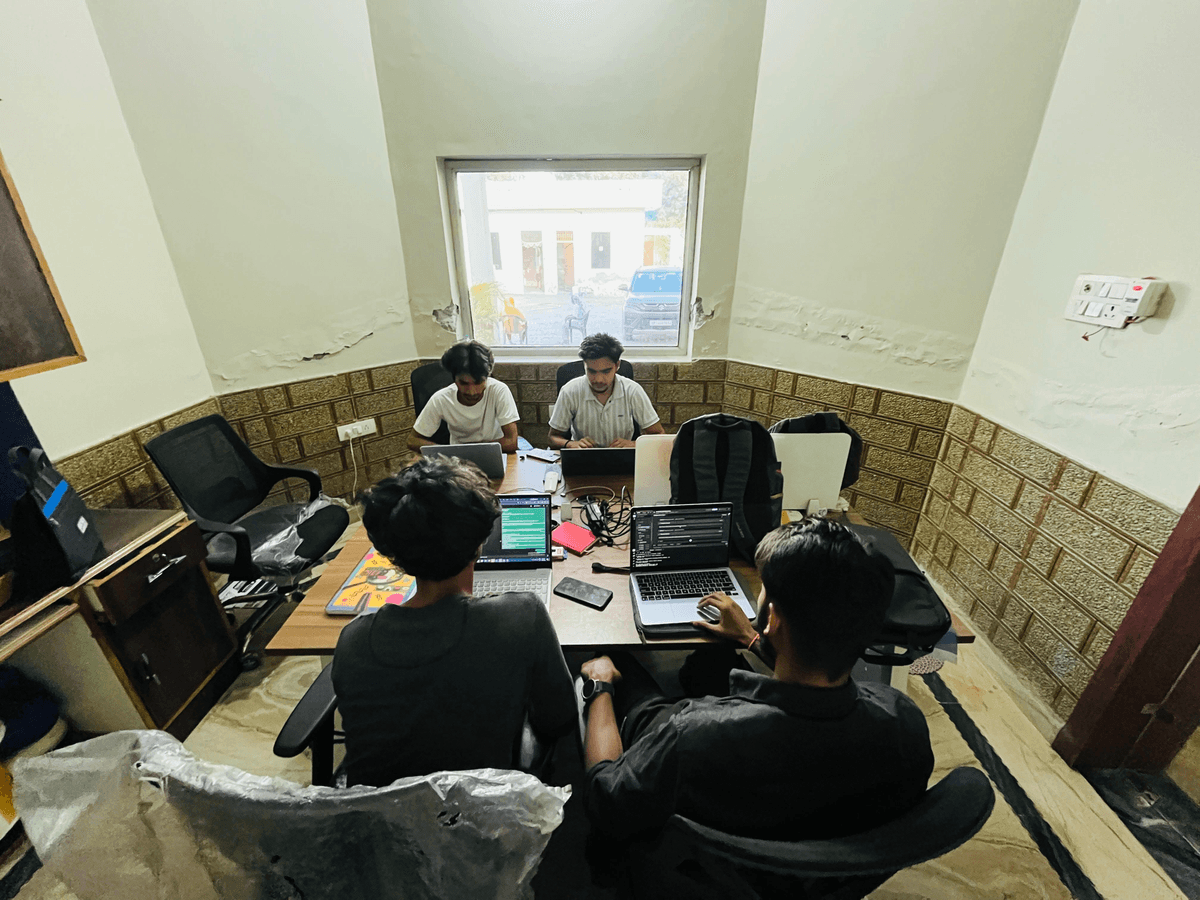
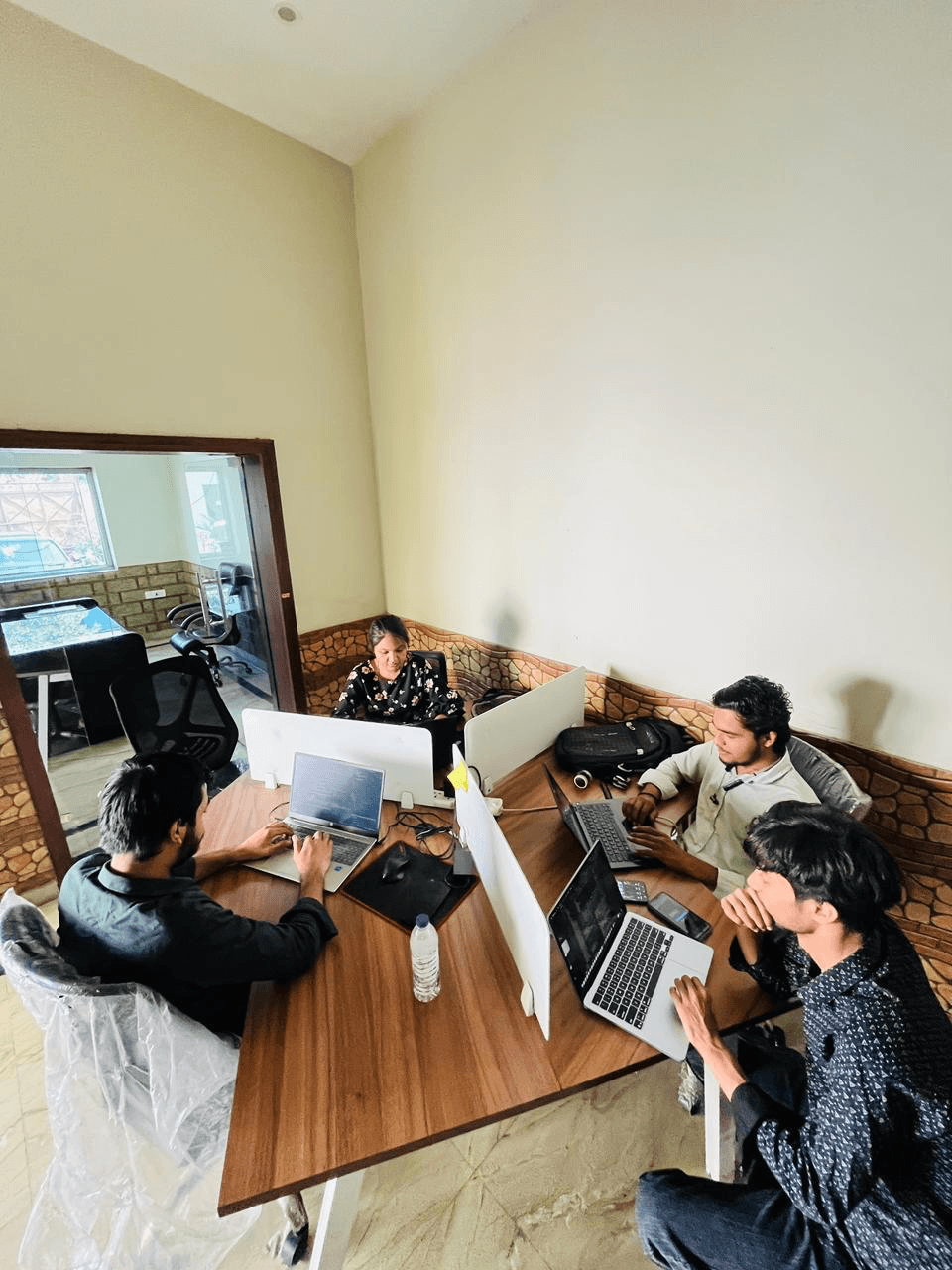
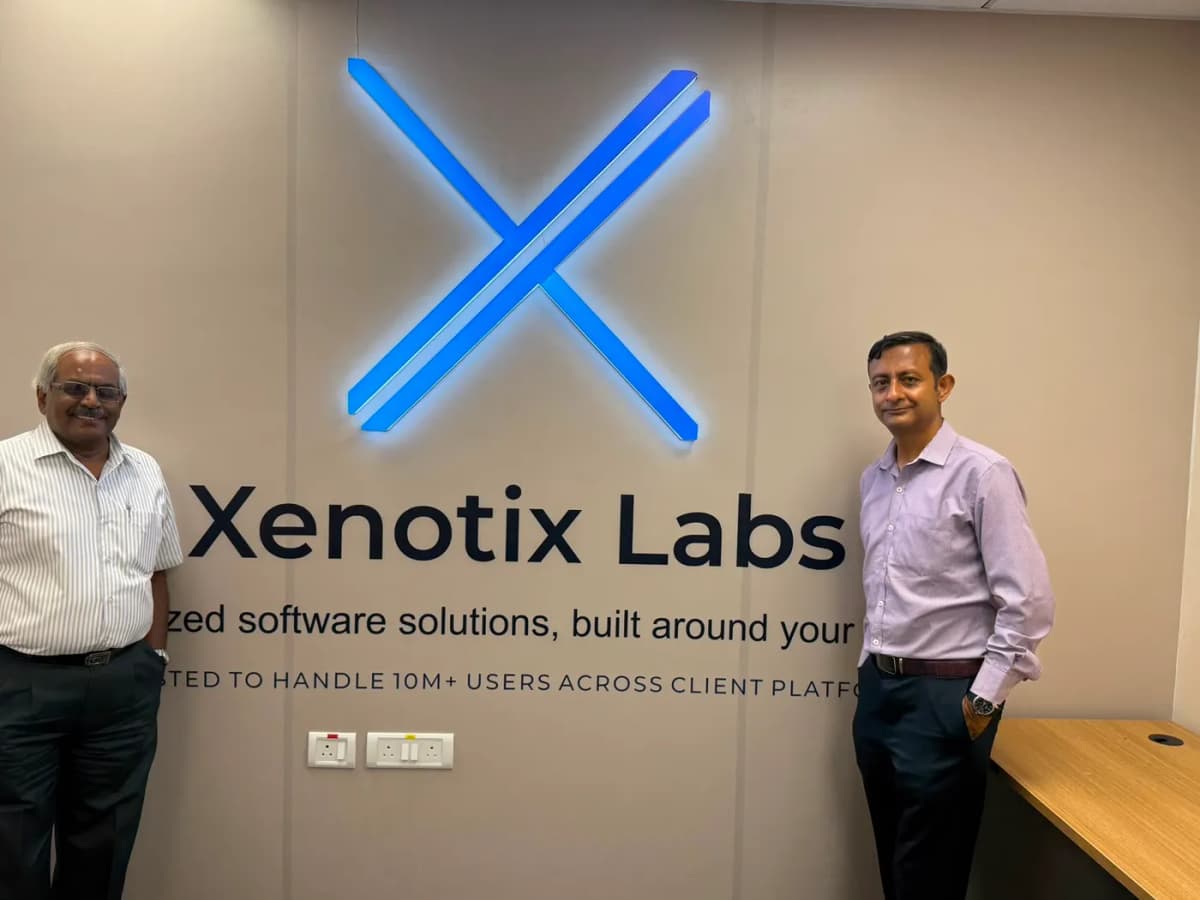
The distinction that matters most is salaried versus freelance. A marketplace QA profile is optimising for their next gig, juggling three clients, and free to vanish the week your launch slips — and you often discover their 'automation expertise' was a handful of recorded scripts only after the flaky suite has already lost the team's trust. Our engineers are employees on a payroll, covered by NDAs, inside our code-review and branch-protection process for test code as well as product code, and backed by a bench if someone is out. You hire depth and continuity, not a rating and a risk. We are honest about the team too: it includes and is led by NIT and IIT alumni — among them NIT Kurukshetra and IIT Bombay — but we will never invent a name, a batch year or a rank to win a deal. What you get is a blended senior team where that pedigree sets the engineering bar on every framework, every test-plan review and every quality gate.
Our QA engineers build the way testing should be built: automated where it pays, manual where it must be, and wired into the pipeline so it runs itself. They stand up Selenium WebDriver, Cypress and Playwright suites with the Page Object Model, explicit waits and a stable locator strategy so a UI refactor doesn't turn the whole suite red; they automate API contracts with Postman and REST Assured, and load-test with JMeter, k6 and Gatling so the breaking point is found before your busiest day finds it. On mobile they run Appium across real iOS and Android devices and cloud farms to catch the crash that only happens on an older OS or an odd screen size. And they layer disciplined manual and exploratory testing on top — the risk-based, session-based work that surfaces the defects a rigid script never anticipates — then wire it all into GitHub Actions, Jenkins or Azure DevOps so a red build actually means something and a regression is caught on a branch in minutes, not in a support ticket days later.
Being an India-based team on IST is a real advantage over the alternatives founders weigh for quality work. A US contractor is asleep through much of your workday; an Eastern-Europe tester overlaps a few hours; an offshore vendor two zones away turns every 'is this a real bug or a flaky test?' question into a 24-hour round trip while the release waits. Our QA engineers run standups in your morning, reply in Slack while you are at your desk when a build goes red, and demo a green regression run on your Friday. Whether you are in Bengaluru, Delhi NCR, the US, the UK or the UAE, that overlap is the difference between a bug triaged and fixed the same day and a release blocked overnight — and it matters especially in QA, where a broken pipeline, a genuine regression or a false-positive flake needs one quick conversation to unblock the whole team, not an overnight ticket that keeps everyone's merge queue frozen while they sleep.
Why hire QA engineers from India in 2026? The economics are decisive: a salaried senior SDET here costs a fraction of a US or UK equivalent, while India's test-automation and QA talent pool is one of the deepest in the world, hardened on exactly the enterprise, fintech, commerce and high-scale consumer systems where a missed bug is expensive. But the real Xenotix wedge is transparency and structure — published INR rate cards, salaried engineers with genuine accountability, 48-hour onboarding, a 1-week paid trial, mutual NDAs, and 100% IP transfer from day one, with the whole test suite living in your own repository. Rates are plain INR: a dedicated senior QA engineer runs ₹1.2L–₹2.2L a month (roughly $1,400–$2,600), part-time ₹60K–₹1.1L, and hourly ₹1,500–₹2,700 — a quality partner with continuity, not an hour of someone's evening between three other clients.
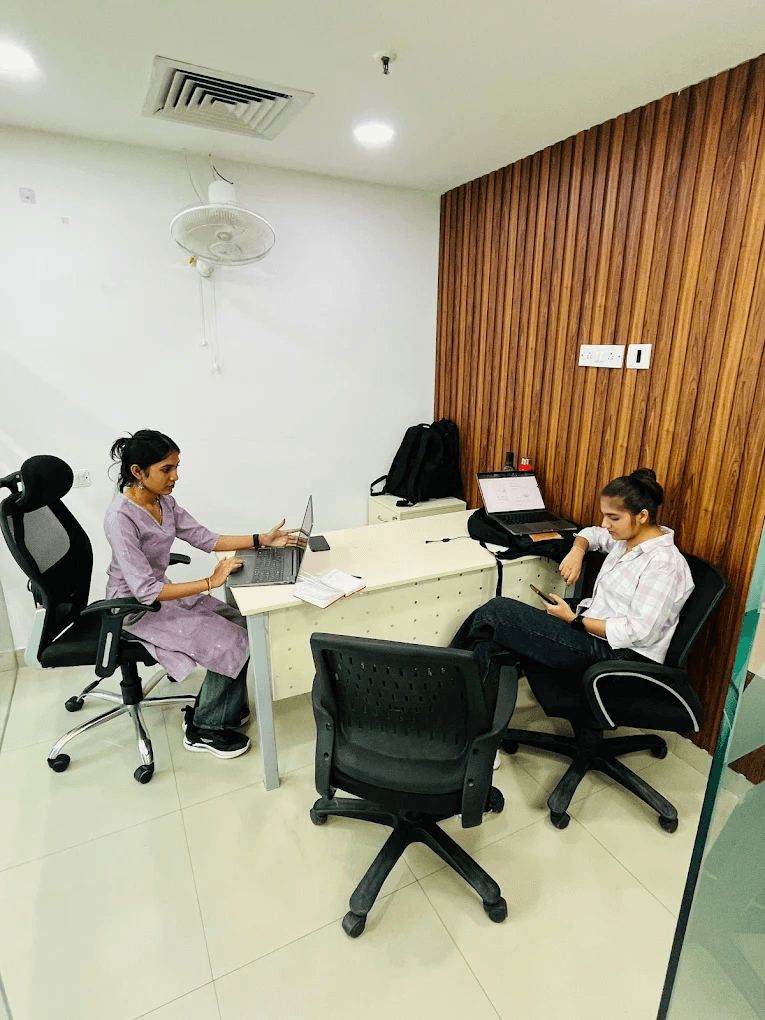
The vetting bar is deliberately high, and the engagement bends to your stage rather than forcing an enterprise contract on a seed-stage team. Every QA engineer on our bench can design a maintainable automation framework rather than a pile of brittle scripts, knows why a test flakes and how to make it deterministic, can write meaningful API and negative test cases, can read a JMeter report and tell a bottleneck from noise, and — just as important — knows what not to automate and where a sharp exploratory session finds more than another UI test. Start with one engineer to stand up your framework and CI gate, scale to a QA pod for a launch, drop back to part-time for ongoing regression after release. We are based in Modinagar/Noida, work fully on IST with overlap for your day, and serve Bengaluru from our office at Regus, Nagavara (North Bengaluru), with in-person meetings and weekly demos — backed by our 4.7★ (76+ reviews) record.