








Next.js, done for the two audiences that matter: search engines and people on slow phones
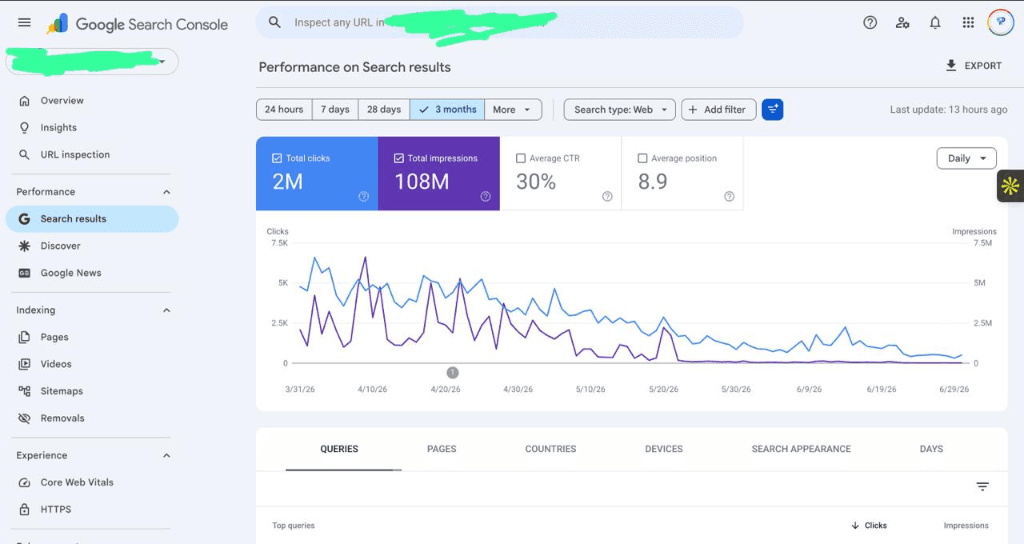
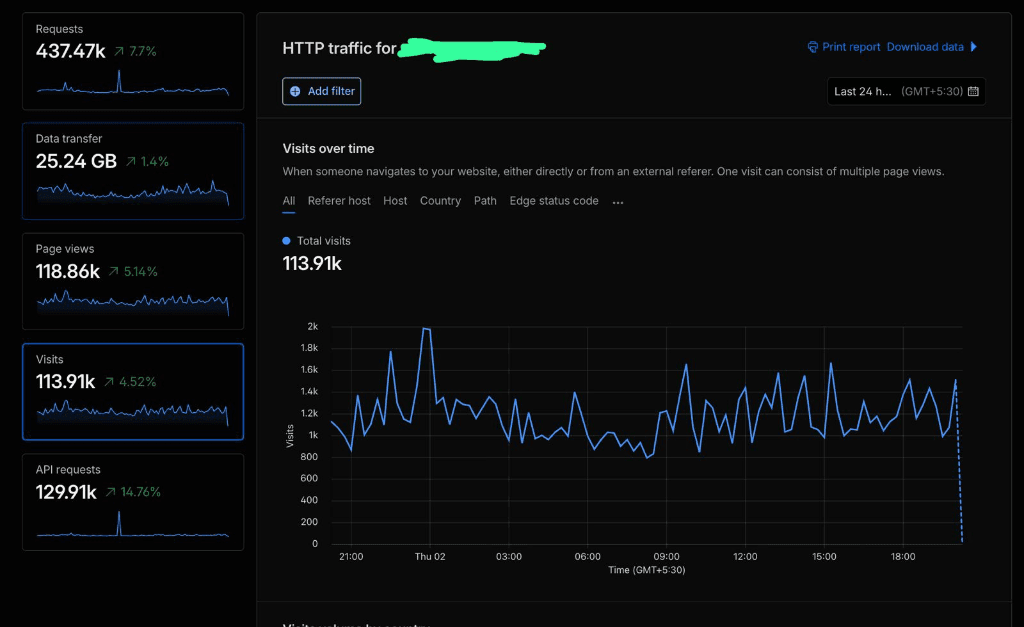
Most teams pick Next.js for one reason — pages that load fast and get found — and then lose both to a heavy bundle, client-only rendering or a CMS bolted on later. We build Next.js the other way round: the page is server-rendered HTML from the first commit, images and fonts go through the framework's pipelines, structured data and sitemaps ship with the first release, and we measure Core Web Vitals on a throttled mid-range phone, not a laptop on office Wi-Fi.
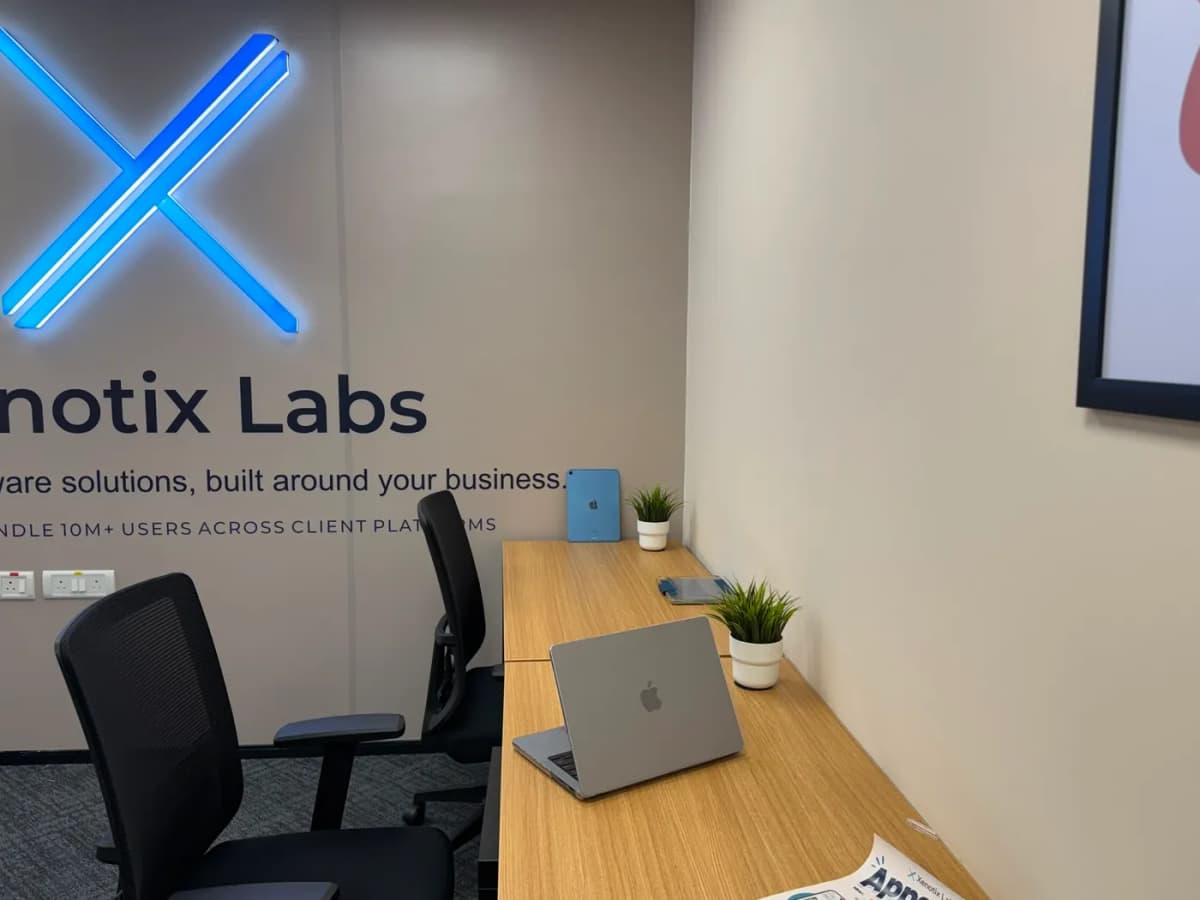
This website is ours and runs on Next.js with the App Router: incremental static regeneration for content pages, a Firebase-backed CMS the marketing team edits without developers, and a brand film streamed in AV1, HEVC and H.264 renditions. The same habits go into client work — CorporateGate, an AI resume builder live at corporategate.pro, is a Next.js app, and most mobile apps we ship come with a Next.js admin panel.
We take on three kinds of Next.js work. Marketing and content sites where search traffic is the point; web apps, dashboards and customer portals behind a login; and SaaS products with accounts, billing and usage limits. We also migrate older stacks — the Pages Router, WordPress or a client-only React app — to the App Router without losing URLs, metadata or rankings.
A business or marketing site costs ₹3–6 lakh and takes three to six weeks; e-commerce runs ₹6–12 lakh or more; a custom web app or SaaS MVP is ₹8–25 lakh over eight to sixteen weeks. If you would rather add engineers to your own team, you can hire dedicated Next.js developers instead.