Hyperlocal Pick-Up & Drop for Bengaluru

Dunzo Clone App Development in Bangalore

We help Bengaluru founders launch a multi-category pick-up and drop app in the city where Dunzo itself was born. Send-anything errands, store orders and courier runs across one customer app, one partner app and a dispatch console, wired for live tracking and UPI. We deliver remote-first from our India HQ on IST, share weekly demos on Slack, and fly down for kickoffs.

110+Products
4.7★Google
70+Flutter Apps
76+Reviews
🇮🇳

Team backed by NITians & IITians · Offices in Noida & Modinagar · Pvt Ltd Company

Get a Free Callback

We'll discuss your project and share a free estimate. No spam, ever.

“we personally review every enquiry” — Xenotix Sales Team

110+

Products Shipped

50+

Brands Served

10M+

Users Reached

4.7★

Google Rating

76+

Client Reviews

Ready to build something real?

Tell us what you're working on. We'll handle the legal, tech, and marketing — you focus on the vision.

Book Free Consultation
🔊

Review

🔊

HR Software

🔊

SNSG Gyan

Team Backed by NITians & IITians

Our engineering team includes alumni from India's premier institutions — building production-grade apps with the rigor and depth these programs instill.

NIT Alumni

National Institute of Technology

IIT Alumni

Indian Institute of Technology

7+ Years

Building Production Apps

110+ Products

Shipped to App & Play Store

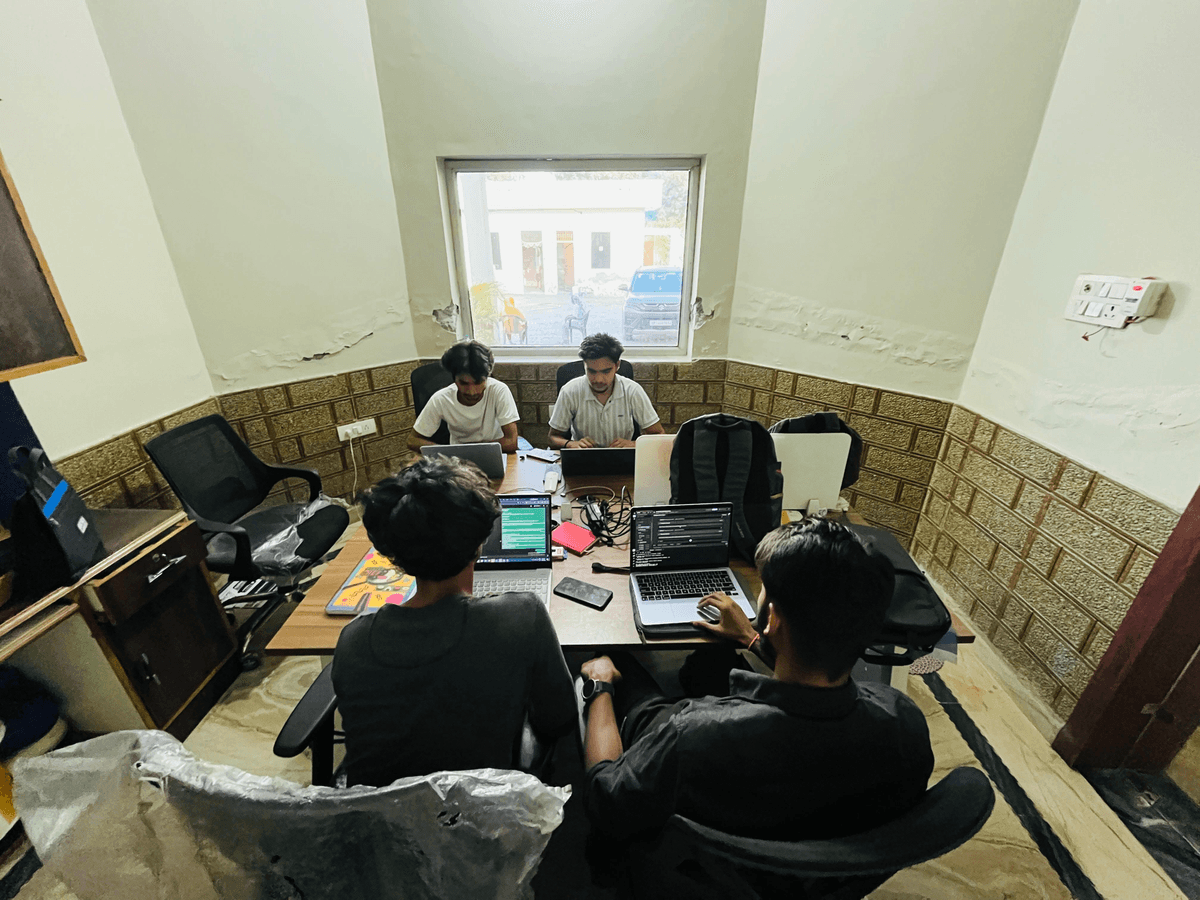
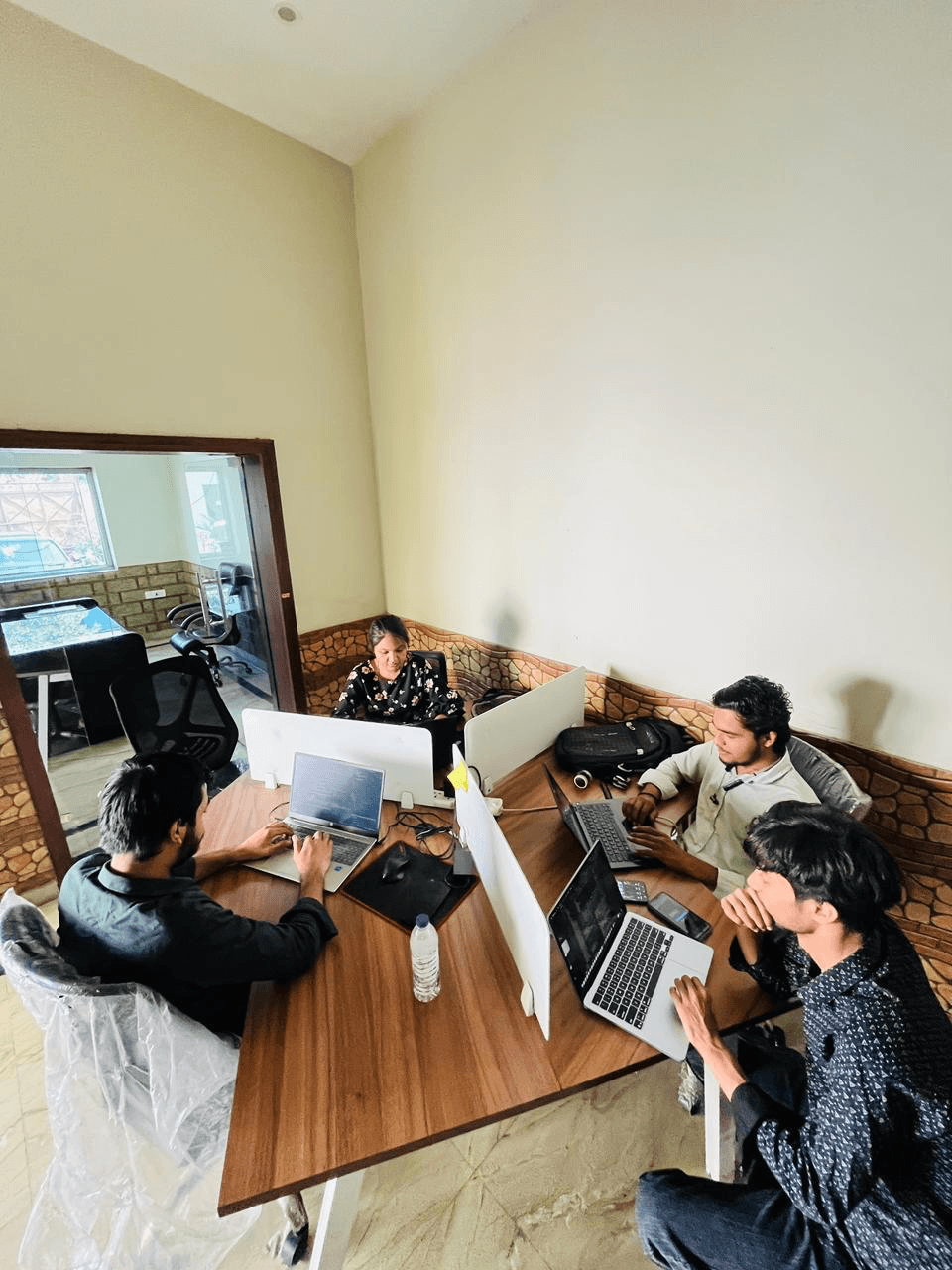
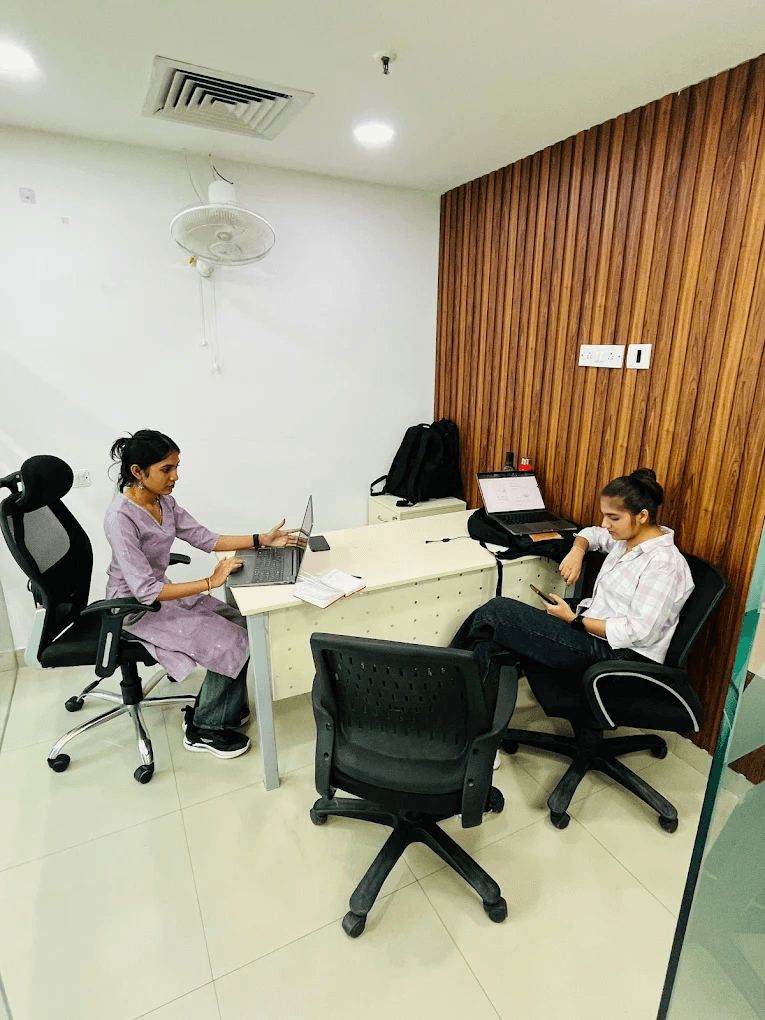
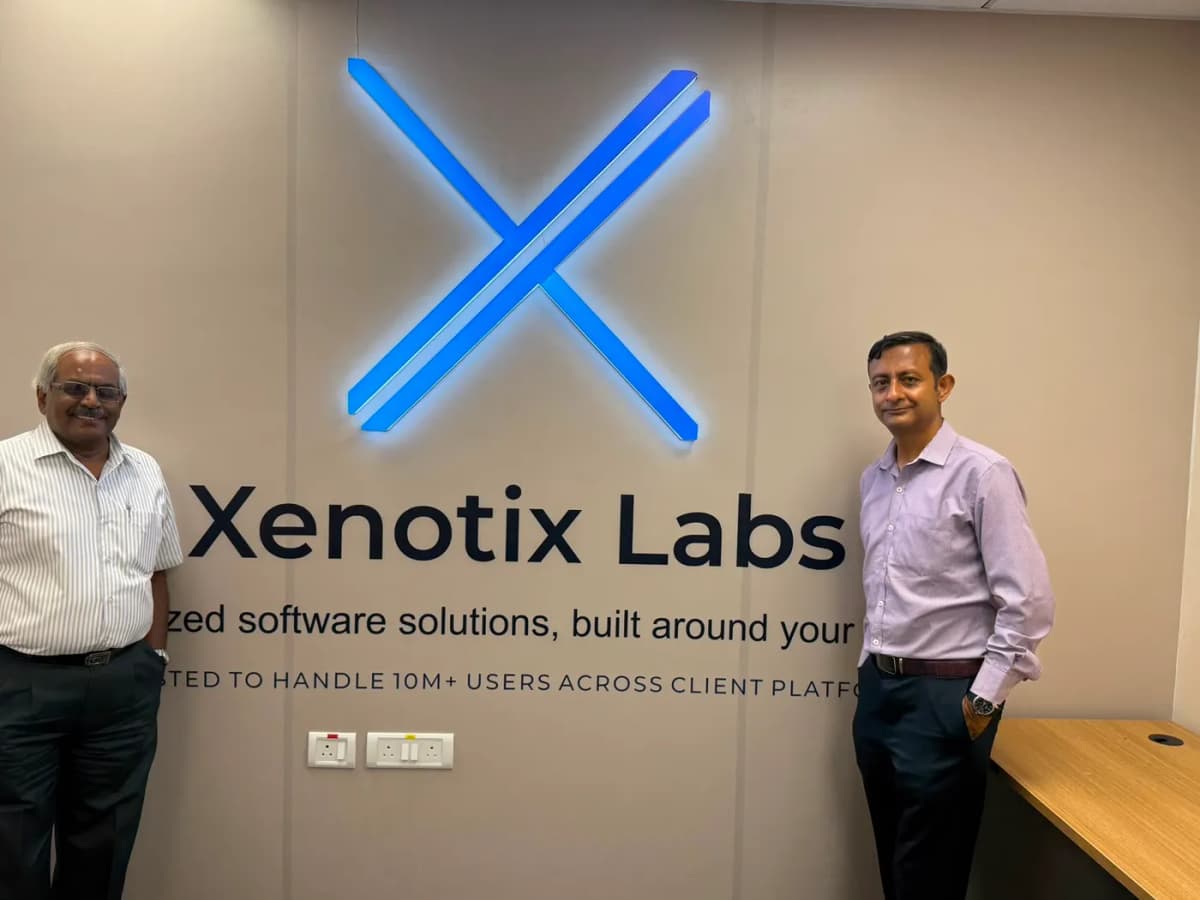
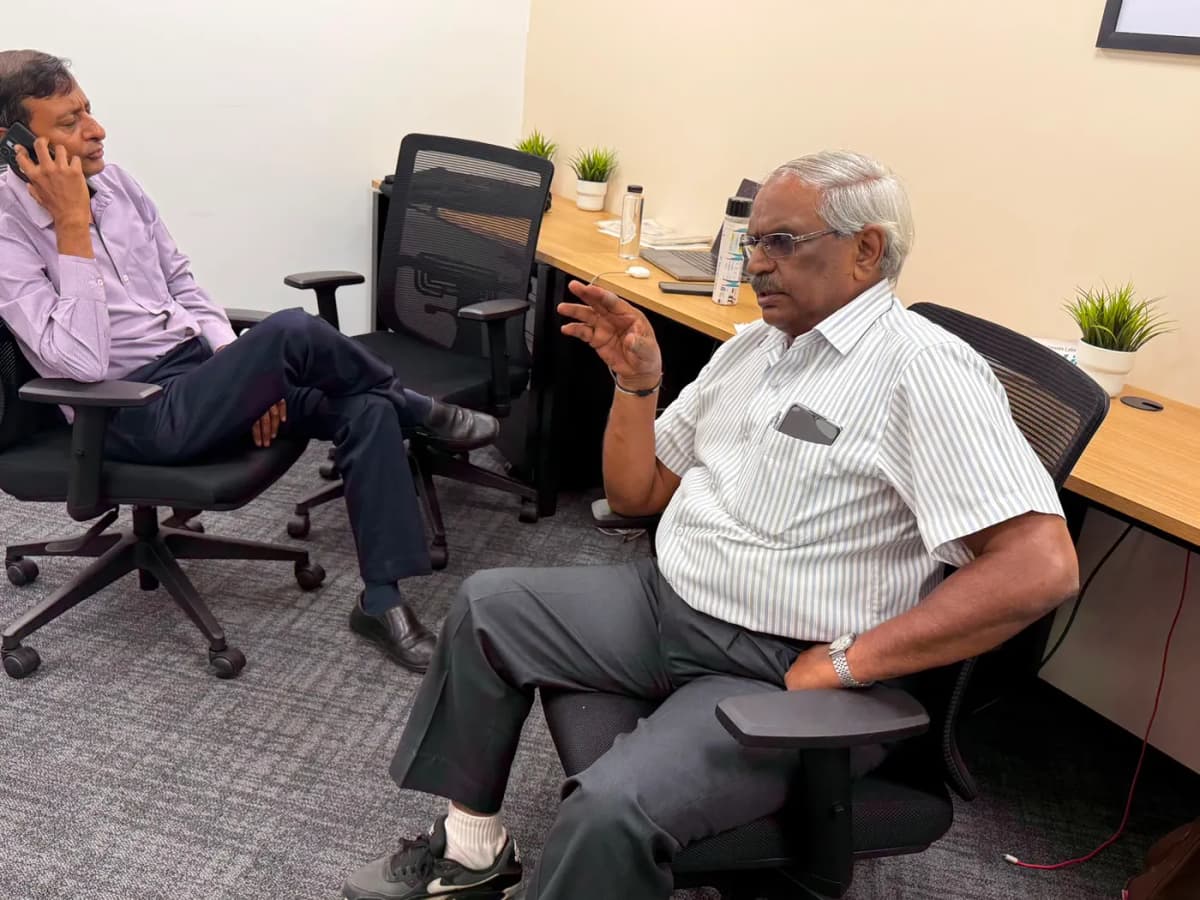
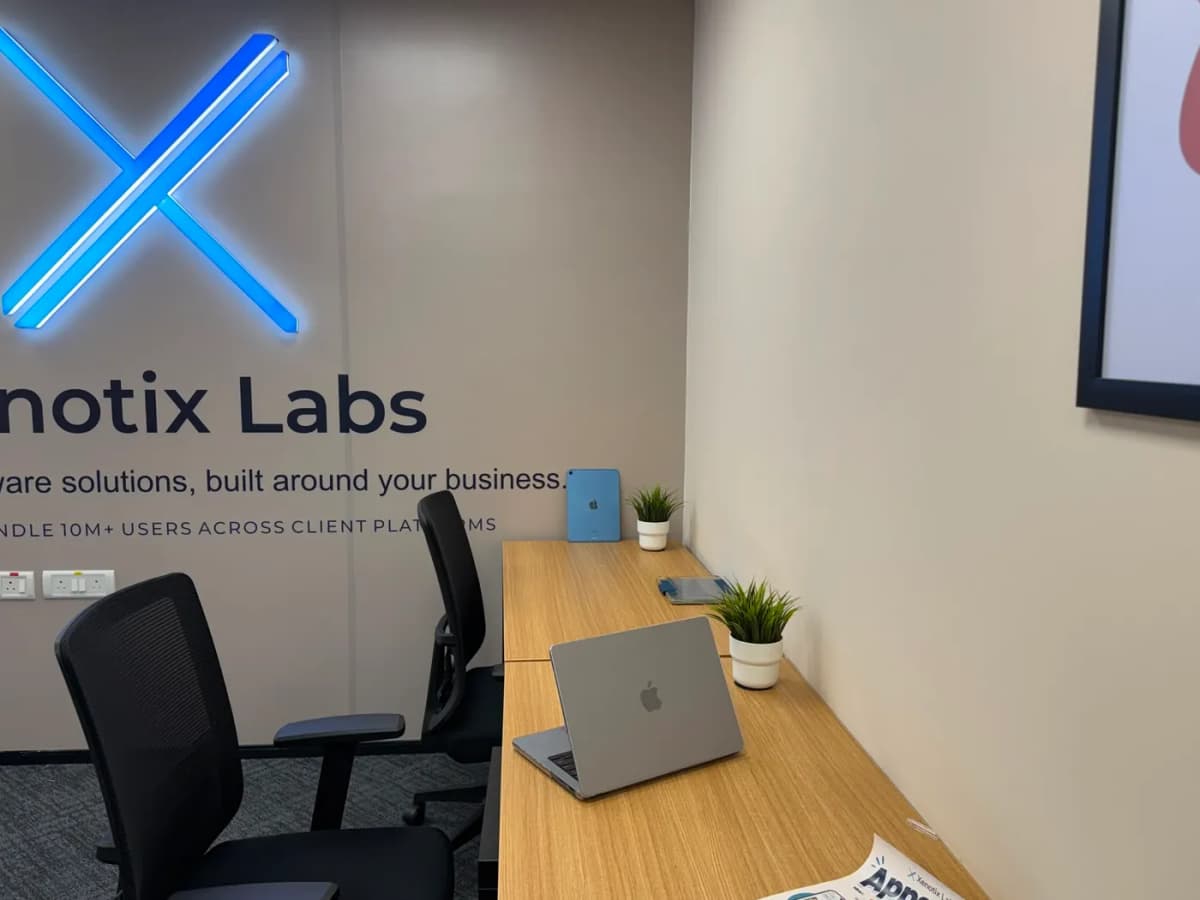
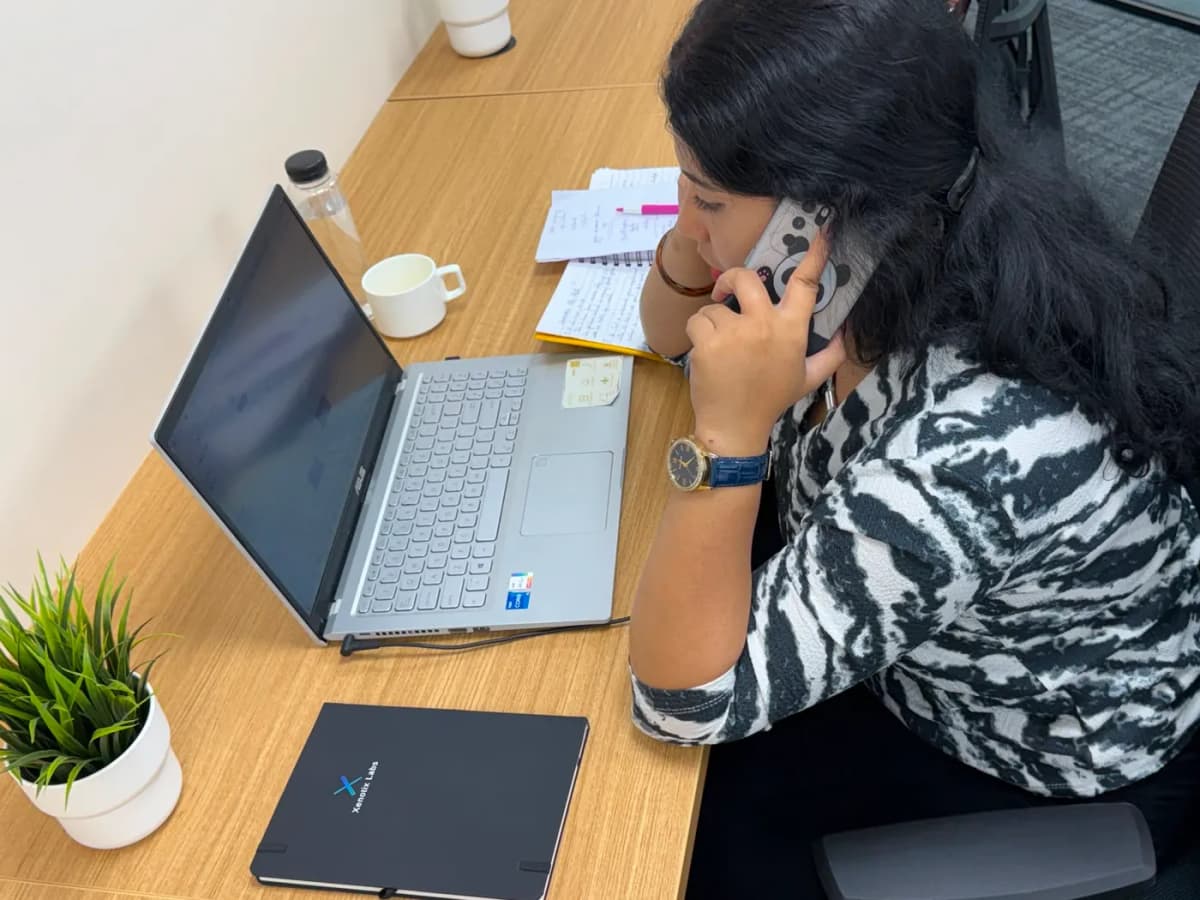
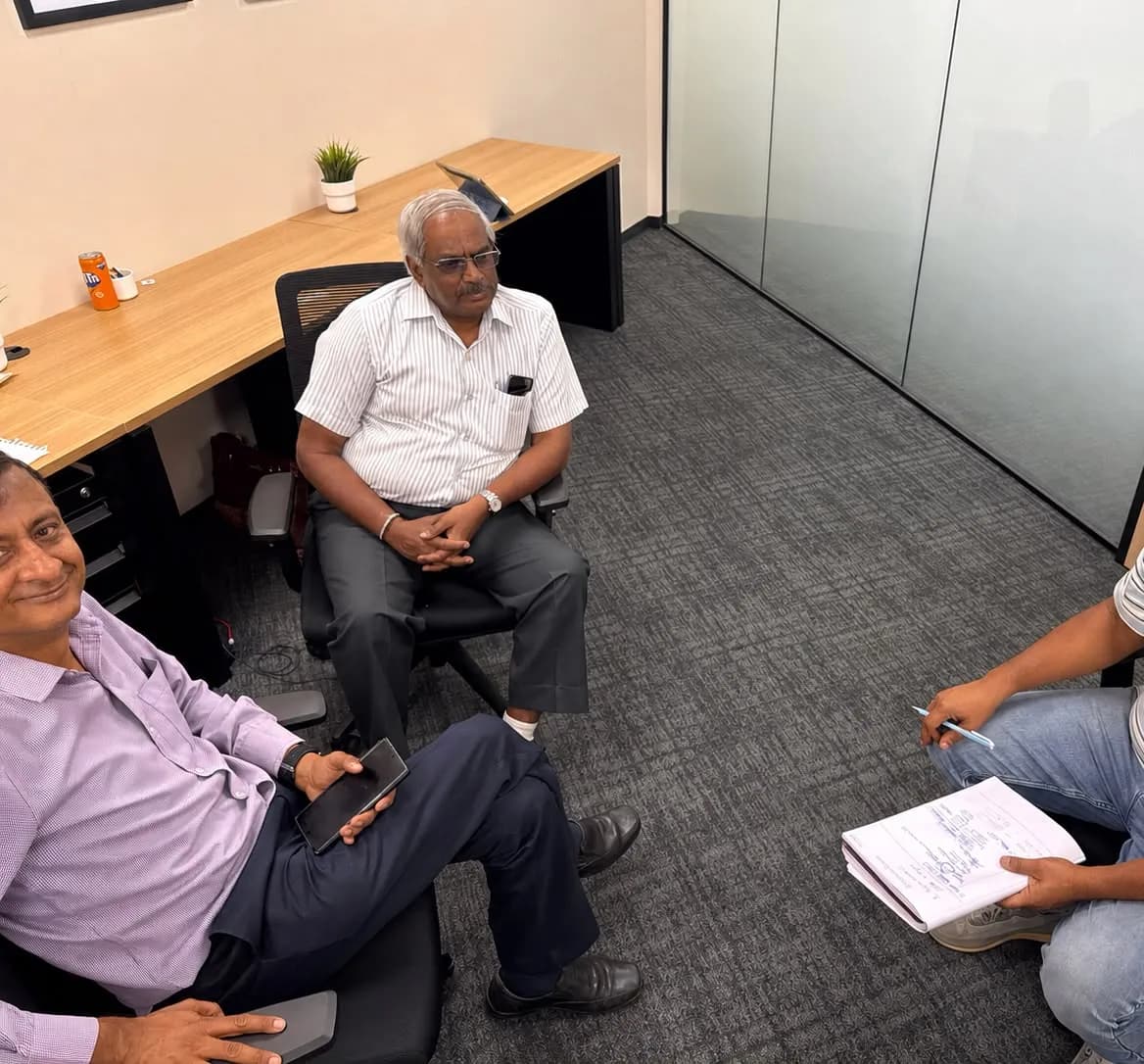
Inside our office — real team, real work

Xenotix Labs office entrance
Engineers coding together at Xenotix Labs
Open workspace at Xenotix Labs
Team design review session
Developers working on client projects
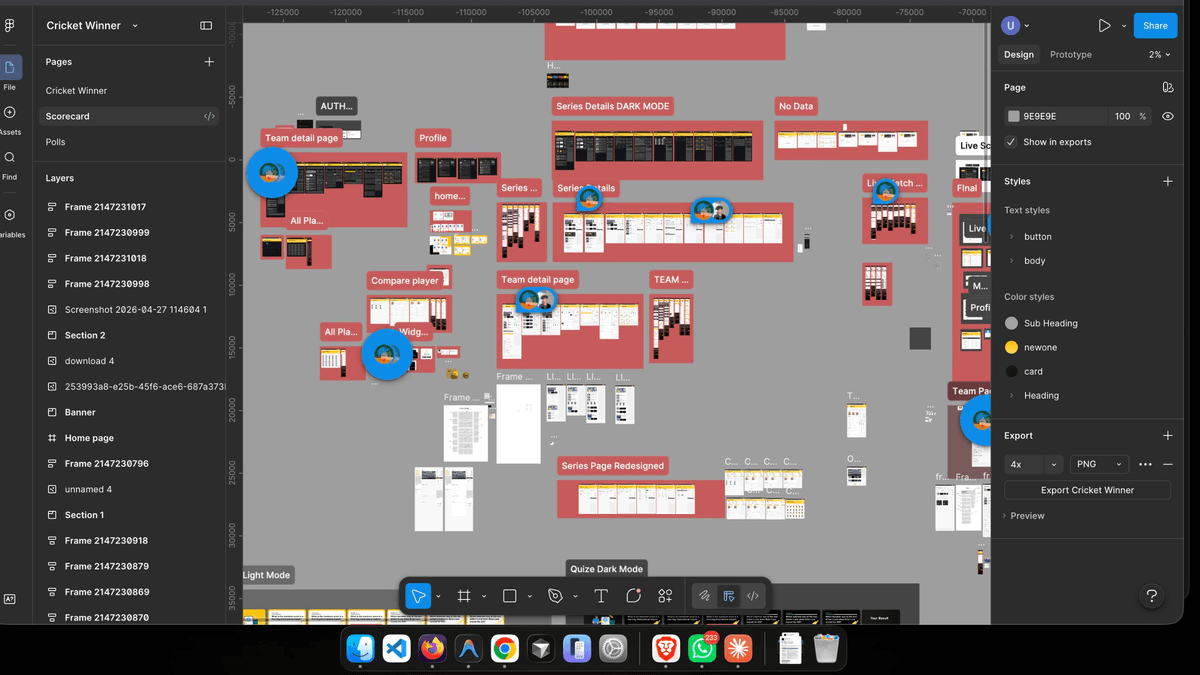
Team designing Cricket Winner app in Figma
Engineer at coding desk
Development team at work
🏢Registered Pvt Ltd Company
📍Office in Noida, Sector 62
🇮🇳Proudly Indian
4.7★ Google Rating

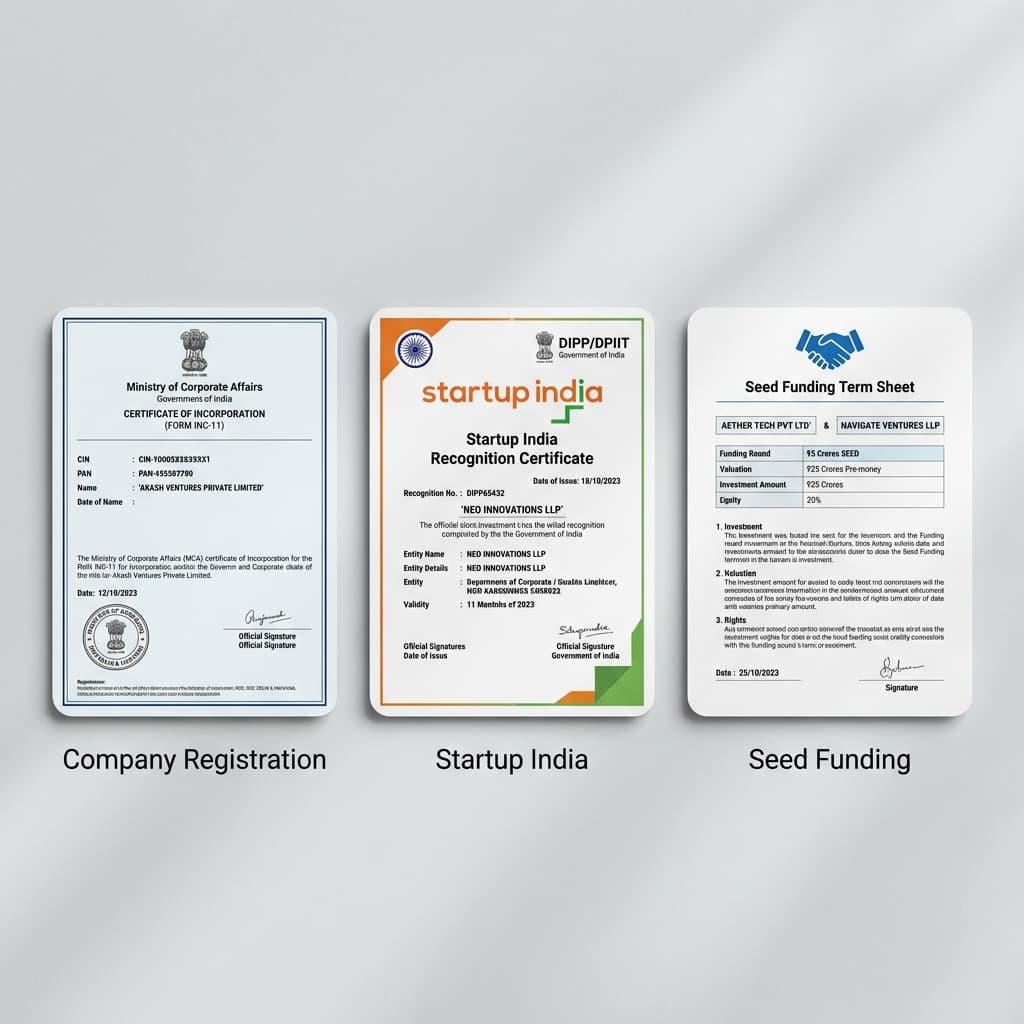
Every business needs

Three things to generate revenue.

Company Registration, Startup India DPIIT, Seed Funding documents

Legal

Company Registration

Startup India DPIIT · Pvt Ltd / LLP · Seed Funding

Alcedo edtech app
Health app
E-commerce flow
Wellness app
Next.jsKafka
PostgreSQLLoad Balancer
RabbitMQ

Tech

Apps handling millions of users.

Flutter · Next.js · Kafka · PostgreSQL · AWS

Marketing

UGC & Brand Campaigns

Creator Reels · Social Media · Paid Ads · Content

What It Takes to Build a Dunzo Clone in Bengaluru

Building a pick-up and drop app in Bengaluru means launching in the very city where Dunzo grew up, so your customers already know exactly what a smooth 'send this across town' experience should feel like. A Dunzo clone is not a single delivery app. It is a general-purpose errand engine spanning three connected products that must stay in lockstep: a customer app to raise any task, a delivery-partner app to accept and complete runs, and a web admin console to steer the whole hyperlocal operation. When a Koramangala founder says they want an app like Dunzo, what they are really commissioning is an open-ended marketplace where a request can be a package drop, a store order, or a quick pharmacy pickup, all priced and dispatched in real time.

The technical heart of it is multi-category dispatch and live task tracking. The moment a customer in HSR Layout raises a pick-up-and-drop, the system computes a fare from distance and category, finds the nearest available partner from a geospatial pool, assigns the run, and streams that partner's live location back onto the map through pickup and drop. That leans on persistent WebSocket connections, geospatial queries and an event pipeline that must never lose a task under a peak-hour spike. Unlike a food app tied to restaurants, an errand platform also has to model open-ended tasks, item photos, on-the-spot cost estimates and cash-purchase reimbursements, which is real operational complexity a stock clone script cannot honestly deliver.

Founders build Dunzo-style apps for concrete reasons: to run a neighbourhood errand and courier service across Bengaluru's sprawl, to power a Porter-like intra-city parcel business, to bolt on-demand delivery under a local store or society platform, or to launch a niche pickup service like documents, laundry or pharmacy runs. The winning move is never cloning Dunzo screen-for-screen, and it is never a discount-fuelled cash burn either. It is nailing the unit economics of your chosen categories with clean partner onboarding, dependable dispatch across Bengaluru traffic, and a payments flow, UPI first, that customers and partners actually trust. That reliability is what earns the second and tenth errand.

We are candid about scope and cost. A first Bengaluru launch should prove one or two task categories, one operating zone, UPI plus cash, live tracking, ratings, and a working partner payout and cash-reconciliation cycle. Scheduled pickups, in-app wallets, multi-item baskets, subscription errands, surge pricing, loyalty and multi-city expansion are all real and buildable, but stacking them into version one inflates the budget and pushes your launch past the window you are racing. Version one is deliberately trimmed to the two questions that decide an errand business: do customers raise a second task, and do partners come back online tomorrow. Everything else grows out of what the live data tells you. All pricing is transparent INR, quoted line by line.

X

Written by Xenotix Labs Engineering

Founding Engineering Team

Xenotix Labs has shipped 110+ production startup products across D2C, fintech, edtech, sports, healthcare, and legal-tech. Our Flutter and React Native engineers are the same people who lead architecture decisions on every mobile engagement.

Sub-services

What we ship inside dunzo clone app development in bangalore

Real engagements, real case studies — not a feature list. Each sub-service is one we have shipped to production.

Customer Errand App (iOS and Android)

The requester-facing app: OTP login, saved pickup and drop addresses, a task builder for send-package, buy-from-store and pickup categories, item notes and photos, a live fare estimate before booking, UPI and card payment, live partner tracking on a map, task history, one-tap re-run of a past task, ratings and in-app support. Built in Flutter as one codebase across both platforms.

Use cases: A Koramangala resident sending forgotten keys across town, an HSR founder couriering documents, a customer ordering from a store not yet on any big app, re-running a weekly errand in two taps.

Shipped on: Flutter powers 70+ of our shipped production apps, and Mappu is a live consumer app with maps-based live order tracking, the exact customer-side pattern a pick-up-and-drop app needs, though Mappu delivers groceries rather than open errands.

Delivery-Partner (Runner) App

The supply-side app: document-based partner onboarding and KYC, an online or offline toggle, incoming task alerts with accept, reject and timeout, turn-by-turn pickup and drop navigation, per-step status updates, live GPS streaming to the customer, cash-purchase and reimbursement handling, an earnings dashboard with payout history, and daily cash-collection reconciliation so nothing goes unaccounted.

Use cases: A partner going online for the Bengaluru evening rush, accepting a buy-from-store task, paying at the shop and getting reimbursed in-app, tracking daily earnings and cash across Indiranagar runs.

Shipped on: Veda Milk shipped a dedicated delivery-partner app with route management and live delivery operations, directly analogous to an errand runner app with dispatch and live location, even though Veda Milk delivers dairy on a subscription route.

Multi-Category Task & Pricing Engine

The core that makes it a Dunzo clone and not a single-purpose app: configurable task categories (package drop, store purchase, pickup, courier), per-category fare rules built from base fare, distance, weight and zone, item-value and cash-purchase limits, scheduled versus instant tasks, and category-specific partner pools, all editable from the admin console.

Use cases: Setting a flat intra-zone package fare, adding a documents category with a value cap, enabling scheduled morning pickups, applying a Whitefield-to-Electronic-City distance surcharge without a code change.

Shipped on: The multi-category catalog and dynamic pricing logic reuse the on-demand marketplace stack we built for Mappu's hyperlocal grocery platform, adapted from products to open-ended errand tasks.

Admin Operations Console (Web)

A web control centre for operators: a live map of active tasks and partners, manual dispatch and reassignment, a partner approval queue, category and fare configuration by zone, dispute and refund handling, cash-reconciliation oversight, promo and commission management, plus analytics on completion rates, cancellations and average pickup and drop times, all editable without a deploy.

Use cases: Watching an evening errand surge across HSR, reassigning a stuck package, approving new partners, tuning distance fees for far Electronic City drops, clearing a reimbursement dispute after a cash purchase.

Shipped on: Built on Next.js and Node.js, the same admin and dispatch stack we run across on-demand delivery platforms like Mappu and Abomed.

Payments, Wallets and Partner Reimbursements

UPI-first checkout plus cards and cash, an in-app wallet with top-ups, cashback and refunds, and cash-purchase reimbursement so partners are repaid in-app for items bought on a buy-from-store task. Automatic splitting between platform commission and partner earnings runs on scheduled settlement cycles with downloadable reports. The layer is gateway-agnostic across Razorpay, UPI and cards for the Bengaluru market.

Use cases: A customer paying an errand fare by UPI, a refund on a cancelled pickup, a partner reimbursed for a store purchase, weekly partner settlements with cash-collection netting, promo-code discounting on first errands.

Shipped on: Payment and order-tracking flows shipped in Abomed's on-demand delivery platform, with the reconciliation logic that a pick-up-drop model needs for partner reimbursements, though Abomed handles medicine delivery rather than open errands.

Tech stack reasoning

The Stack We Use to Build Hyperlocal Errand Apps and Why

Every screen of the customer app and the partner app is built in Flutter. One shared codebase compiles to native iOS and Android, which is exactly what a pick-up-and-drop business needs, because you want requesters on every phone from launch day while partners are already accepting tasks, and a Bengaluru seed round cannot fund two separate native teams. Flutter handles maps, location and background GPS well enough for the continuous position feed a live errand run needs, and with 70+ Flutter apps already live in production, including consumer apps with map-based tracking, we are building on a paved road rather than betting your launch date on unproven tooling.

The live layer sits on Node.js and WebSockets. Assigning a task, streaming a partner's position and flipping task status all ride one persistent connection, because polling would drain the partner's battery and leave the customer watching a frozen map. Beside it, Kafka or RabbitMQ carries the task-event stream so that request, acceptance, pickup and drop are all recorded durably and survive an evening errand surge without a single lost task. On our Cricket Winner platform that same event backbone pushes sub-second WebSocket updates to millions of fans during a live IPL final, and multi-category hyperlocal dispatch draws on exactly that real-time backbone when Bengaluru starts firing off errands after work.

For data we run PostgreSQL as the transactional core for users, tasks, payments and reimbursements, where relational integrity and cash accuracy cannot bend, and MongoDB where a flexible document model fits, such as category definitions and location logs. Maps, geocoding and routing come from Google Maps Platform, payments run through Indian gateways with UPI and Razorpay, and everything is hosted on AWS in the ap-south-1 Mumbai region with a CDN at the edge, keeping latency low for Bengaluru customers and partners where an accurate errand ETA is the whole promise.

Pricing & timeline

How much does dunzo clone app development in bangalore cost?

Published tiers, not opaque quotes. Every range below is one we have shipped engagements at.

Single-City MVP

Rs 8L - 16L

$10k - $19k

Timeline10-14 weeks
Team2 mobile engineers, 1 backend engineer, 1 designer, part-time PM and QA
ScopeCustomer app, partner app with KYC, basic admin console, one or two task categories, multi-category dispatch, live task tracking, distance-based fares, UPI plus cash, ratings.
Best forBengaluru founders proving demand for errands in one zone before raising or scaling categories.

Multi-Category Marketplace

Rs 16L - 35L

$19k - $42k

Timeline4-6 months
Team3-4 mobile and backend engineers, designer, PM, dedicated QA
ScopeEverything in MVP plus multiple task categories, zone-based and surge pricing, scheduled pickups, in-app wallet, cash-purchase reimbursement, promo engine, partner self-onboarding, payout automation and expanded analytics.
Best forFunded Bengaluru operators running several errand categories across zones with wallets and self-serve partners.

Full Hyperlocal Platform

Rs 35L - 60L+

$42k - $72k+

Timeline6-9 months
TeamFull pod: 5-6 engineers, designer, PM, QA and DevOps
ScopeEverything above plus multi-city rollout, batched and route-optimised dispatch, merchant and store integrations, subscription errands, loyalty, fraud detection, real-time ops heatmaps, SLA-grade infrastructure and horizontal scaling.
Best forWell-funded startups building a category-leading hyperlocal network across Bengaluru and beyond.

Pricing varies with scope, integrations, and compliance needs. Every engagement starts with a fixed-scope written estimate after a 2-week paid discovery — never an open hourly meter.

Real case studies

Production case studies — not deck pages

Each dunzo clone app development in bangalore engagement below is live, in production, and serving real users today.

Mappu

Problem

A hyperlocal grocery business needed maps-based live order tracking and real-time hyperlocal dispatch so customers could watch their orders move and operators could assign the nearest partner efficiently.

Stack

Flutter, Node.js, Google Maps Platform, WebSockets, real-time tracking

Outcome

Delivered maps integration, live order tracking and hyperlocal dispatch. The live-location-on-a-map and nearest-partner matching are the exact primitives a Dunzo-style errand app uses to track a partner through a pickup and drop, though Mappu delivers groceries rather than open-ended tasks.

Read case study

Abomed

Problem

An on-demand delivery business needed reliable payment and order-tracking flows plus on-demand dispatch so customers could pay, place orders and follow fulfilment without friction.

Stack

Flutter, Node.js, payment gateway integration, order tracking

Outcome

Delivered on-demand payment and order-tracking flows with dispatch. The checkout, payment, reimbursement and status engineering is the same we apply to an errand app's UPI fares and cash-purchase reimbursements, though Abomed handles medicine and on-demand delivery rather than general pick-up-and-drop.

Read case study

Veda Milk

Problem

A D2C dairy brand needed a connected system: a customer ordering app plus a dedicated delivery-partner app, with route management, delivery operations and live tracking across daily fulfilment.

Stack

Flutter, Node.js, live tracking, dispatch operations

Outcome

Shipped connected customer and delivery-partner apps with route and delivery ops and live tracking. The customer-plus-partner two-app pattern maps directly onto the customer and runner apps of a pick-up-and-drop platform, even though Veda Milk runs fixed dairy routes rather than on-demand errands.

Read case study

Our Expertise

We Build For Every Industry

From startups to enterprises, we craft digital solutions tailored to your sector.

EdTech

EdTech

Learning platforms & course apps

Healthcare

Healthcare

Fitness & wellness solutions

Supply Chain

Supply Chain

Logistics & inventory systems

Food & Delivery

Food & Delivery

Restaurant & delivery apps

Beauty & Wellness

Beauty & Wellness

E-commerce & booking platforms

Productivity

Productivity

Task & project management

Why founders pick Xenotix

Why Xenotix Labs for dunzo clone app development in bangalore

Errand launch on Bengaluru's clock

We run on IST with weekly demos and a shared Slack, so Bengaluru founders opening a pick-up-and-drop service in Dunzo's home city get a team keeping startup pace with no office lease or agency markup priced into your fares.

Dispatch patterns proven across 110+ live apps

As a founder-led, startup-first studio we have carried 110+ real apps into production for 50+ brands now serving 10M+ users, so your errand marketplace stands on assignment, tracking and payout logic already hardened by live traffic rather than tried out for the first time on your runway.

Peak-hour dispatch that does not drop tasks

The sub-second WebSocket streaming that carried Cricket Winner through a live IPL crowd is the same engineering that keeps multi-category assignment and pickup-to-drop tracking accurate when Bengaluru fires off errands after work and every partner is mid-run.

UPI fares and Mumbai-region latency by default

UPI-first fares, cash-purchase reimbursement and AWS Mumbai (ap-south-1) hosting mean your platform matches how Bengaluru customers pay and how quickly a partner ETA has to refresh, wired in from the first task rather than patched on after launch.

A trimmed first errand build, not a bloated one

Version one proves only that customers raise a second task and partners stay online, then every extra category, wallet and pricing rule is added from what live errands actually show, keeping your launch cost and calendar off the path of unused features.

Your task engine, source and infra to keep

The full task-and-dispatch codebase, cloud setup and IP ship under your own developer and cloud accounts, so nothing about the errand platform is rented from a proprietary clone script you would later have to unwind.

Design Process in Figma

Designed in

Figma

How We Work

Our Process

01

Discovery & Strategy

We understand your business goals, target audience, and technical requirements to create a solid foundation.

02

Design & Prototyping

Our designers craft pixel-perfect interfaces in Figma, ensuring every interaction feels intuitive and premium.

03

Development & Testing

Clean, scalable code with rigorous testing to ensure your product performs flawlessly across all devices.

04

Launch & Support

We handle deployment, monitoring, and provide ongoing support to keep your product running smoothly.

See Xenotix Labs in Action

Know Us Better. Watch Our Story.

From our portfolio to our process — hear it straight from the team in Hindi and English. Real people, real work, no fluff.

Hindi
English

The team behind the work

Xenotix Labs office entrance
Developers coding together
Our open workspace
Team design review

Want to see what we've built? Check out our work.

Explore Portfolio →
Real Data

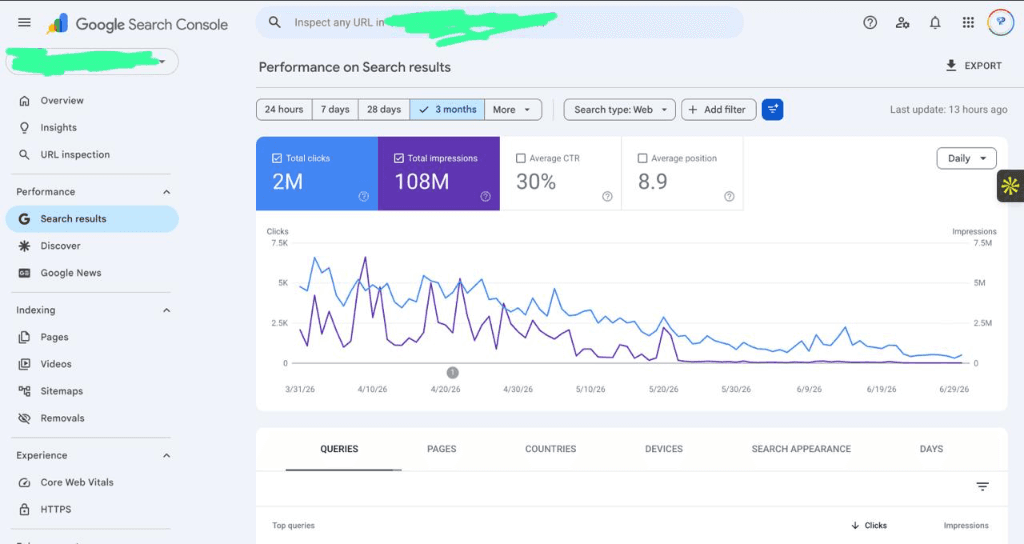
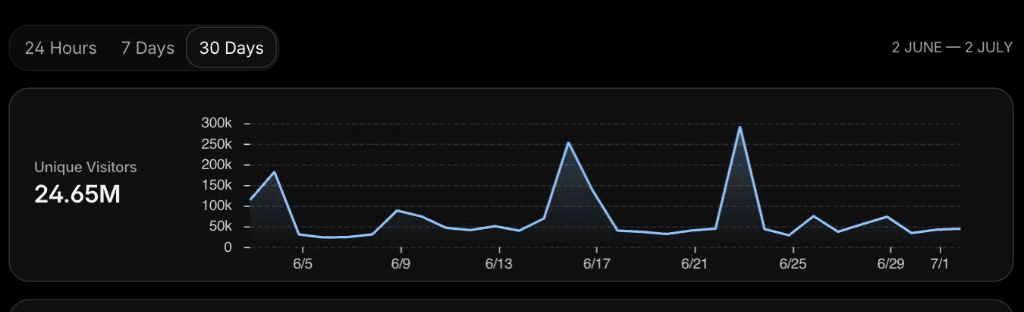
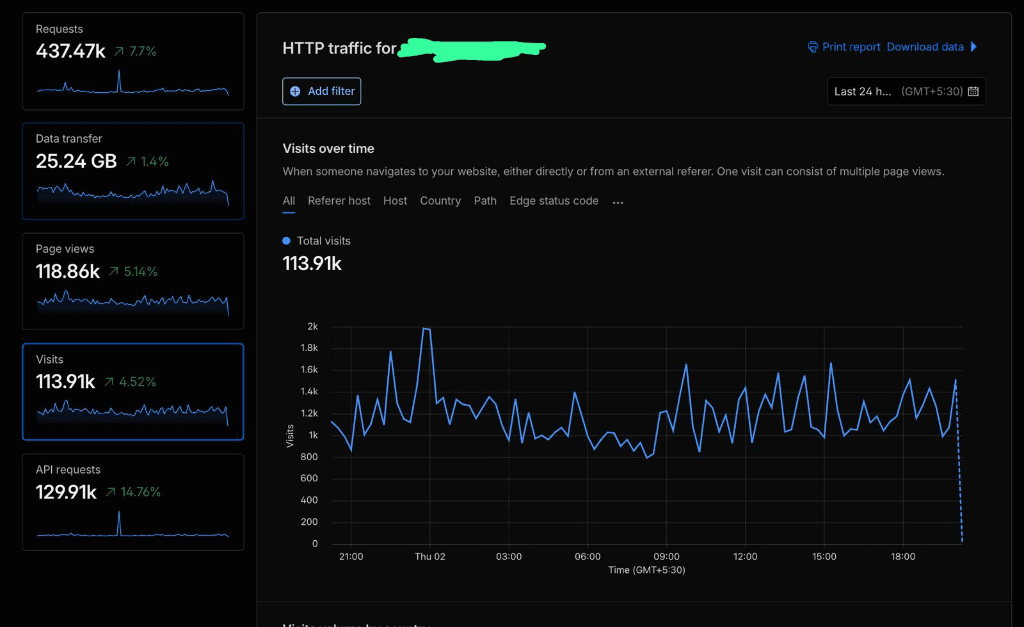
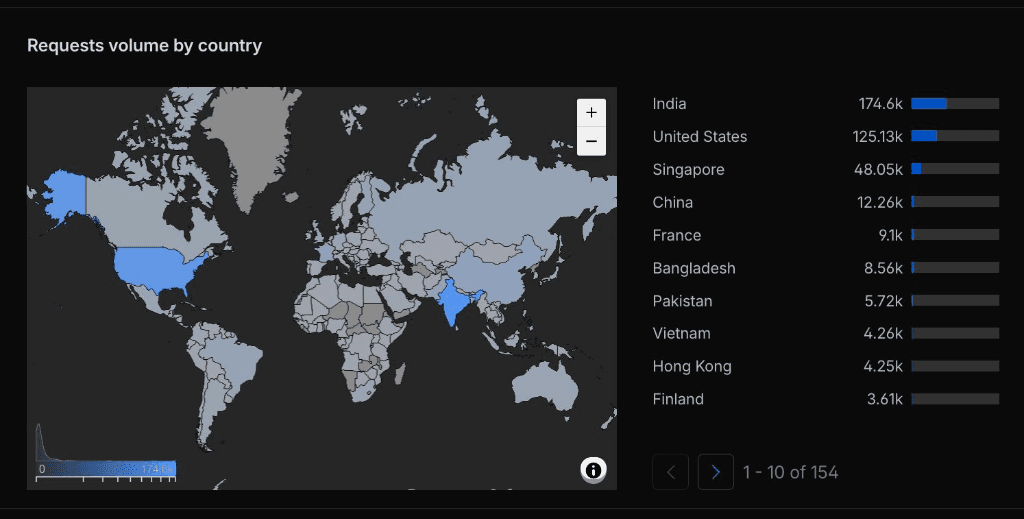
How Much User Traffic We Are Handling Right Now?

On our clients' apps and sites — real numbers, real dashboards, zero fluff.

Google Search Console — 2M clicks, 108M impressions, 30% CTR
Cloudflare Analytics — 24.65M unique visitors in 30 days
Cloudflare HTTP Traffic — 437K requests, 113.91K visits/day
Global traffic from 154 countries — India, US, Singapore, China
🔍

0M+

Total Clicks

Google Search Console · 3 months

👁️

0M+

Total Impressions

Google Search Console · 3 months

👥

0.00M

Unique Visitors

Cloudflare Analytics · 30 days

📊

0.00K

Daily Visits

Cloudflare · 24 hours

0K+

Requests Served

Cloudflare · 24 hours

🌍

0

Countries Reached

Global traffic distribution

Google Search Console verifiedCloudflare Analytics30% average CTR154 countries served99.9% uptime

Hear directly from clients

What Directors Say

About Our Team.

Video reviews, WhatsApp screenshots, and written testimonials — straight from founders who built with us.

Read Client Reviews
Xenotix Labs team — 121+ startups launched, client reviews

Common Questions

Frequently Asked Questions

How much does it cost to build an app like Dunzo in Bangalore?

A single-city MVP with customer and partner apps, an admin console, live tracking and UPI starts at Rs 8-16L. Adding multiple task categories, scheduled pickups, wallets, zone pricing and self-serve partner onboarding moves you to Rs 16-35L. A full multi-city hyperlocal platform with merchant integrations is Rs 35-60L+. We give a fixed INR quote after a scoping call.

How long does it take to launch a pick-up and drop app in Bengaluru?

A single-city MVP with the customer app, partner app, admin console, multi-category dispatch, live tracking and UPI ships in 10-14 weeks. Multi-category marketplaces take 4-6 months, and a full multi-city platform runs 6-9 months. Because we hand over a working build at each sprint's close, you can trial real Indiranagar and HSR errand routes with early partners well before you scale.

Do you have a team or office in Bangalore?

Plainly, Xenotix runs no Bengaluru office at present. The engineers on your errand platform work from our Modinagar HQ, sales is handled from Noida, and we build for Bengaluru founders remotely on IST with weekly demos and a shared Slack. When a kickoff or a partner rollout is worth being on the ground for, we travel down, but most founders here mainly care that the dispatch keeps running and the tasks keep completing.

How does multi-category dispatch and live task tracking work?

When a task is raised, the system prices it by category and distance, finds the nearest available partner from a geospatial pool, and assigns the run. The partner's live GPS streams over WebSockets onto the customer's map through pickup and drop. Operators can reassign a stuck task and tune category fares or zones from the admin console without a code deploy.

How do buy-from-store errands and cash reimbursements work?

For a store-purchase task, the customer describes or lists items and sets a spend cap. The partner pays at the shop, logs the amount, and the platform reimburses them from the customer's charge, splitting the errand fee separately. All of it is reconciled against daily cash collection in the partner app and reviewed from the admin console, so nobody is left out of pocket.

Should I buy a ready-made Dunzo clone script or build custom?

A boxed script reads as the cheaper option only until your operation grows into it: the day you want a fresh task category, a different partner payout cycle or per-zone errand pricing you hit its walls, and it will not carry more than a few thousand tasks a day. We write the task engine from scratch on a production-hardened stack, so the code stays clean and extensible in your hands. For a Bengaluru business raising money or adding categories, custom earns its cost back fast.

Can the app be white-labelled with my own brand?

Yes. Every build is fully white-labelled to your brand, name, colours, app-store listings and domain across the customer and partner apps and the admin console. It is your product end to end, published under your own developer accounts, with no Xenotix branding anywhere in the customer, partner or admin experience.

What partner and payment features are included at launch?

Launch covers document-based partner onboarding and KYC, an online-offline toggle, task accept and reject, pickup and drop navigation, live GPS, and an earnings and payout view. On payments you get UPI-first fares plus cards and cash, an in-app wallet, cash-purchase reimbursement, and automated commission splitting with scheduled settlements and reconciliation reports.

Start Your Project

Let's Build Something Exceptional Together

From concept to launch, we craft digital products that drive real business results.

50+

Projects Delivered

10M+

Users Reached

6K+

Active SaaS Users

Start Your Project
WhatsApp us