


A SaaS development partner for Bangalore founders — multi-tenant by design, billing-ready, and honest about where we sit
Bengaluru is India's SaaS capital, and it is not close. The SaaS product founders we talk to are usually building for a business buyer, not a consumer — a vertical tool for clinics or logistics, a horizontal workflow platform, an analytics dashboard a customer logs into every morning. The search term 'saas development company bangalore' returns a wall of directories and generalist agencies, most of whom treat multi-tenancy as an afterthought and billing as a checkout page. Xenotix approaches it the way the ecosystem around Koramangala, HSR Layout and Indiranagar actually judges vendors: 110+ production products shipped, real subscription and dashboard systems in the field, and senior engineers who understand what tenant isolation and MRR reporting demand before you have a hundred paying accounts.
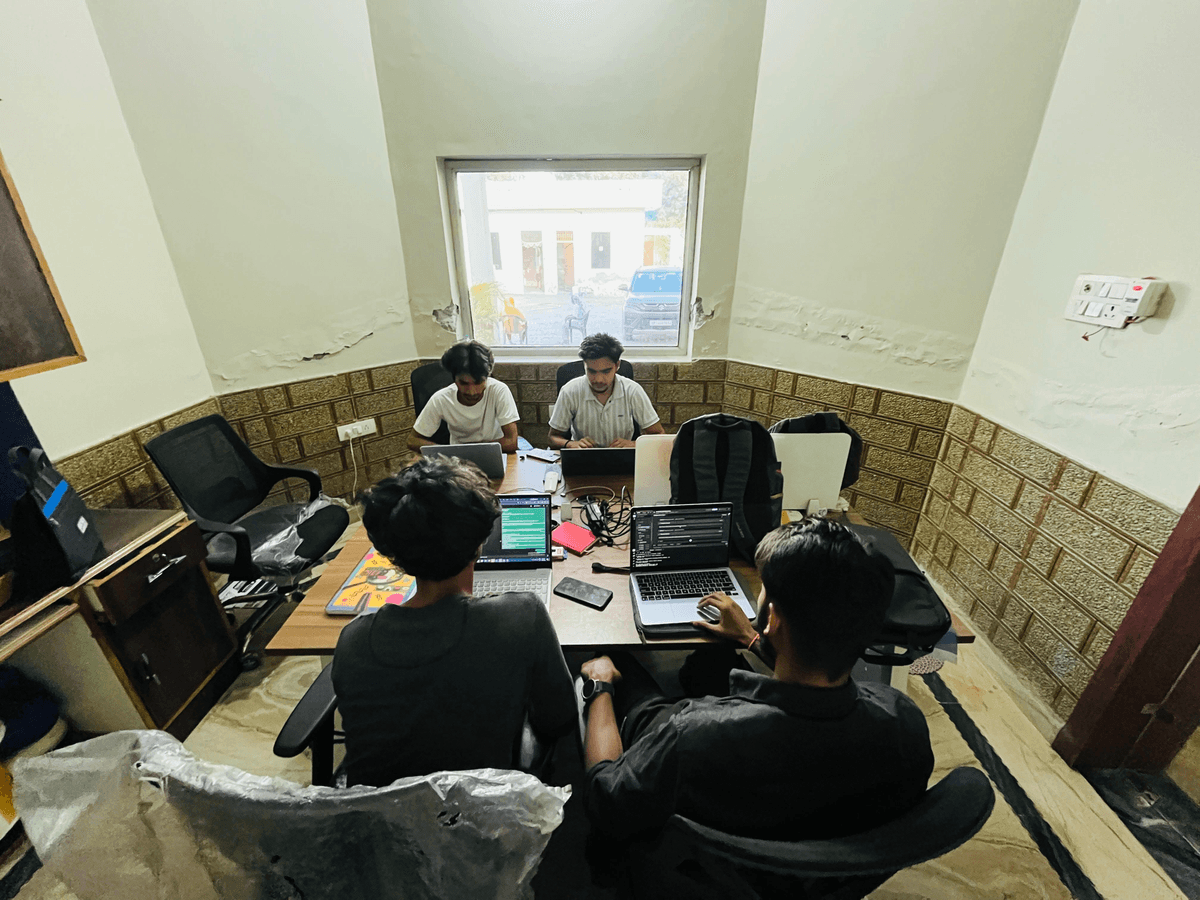
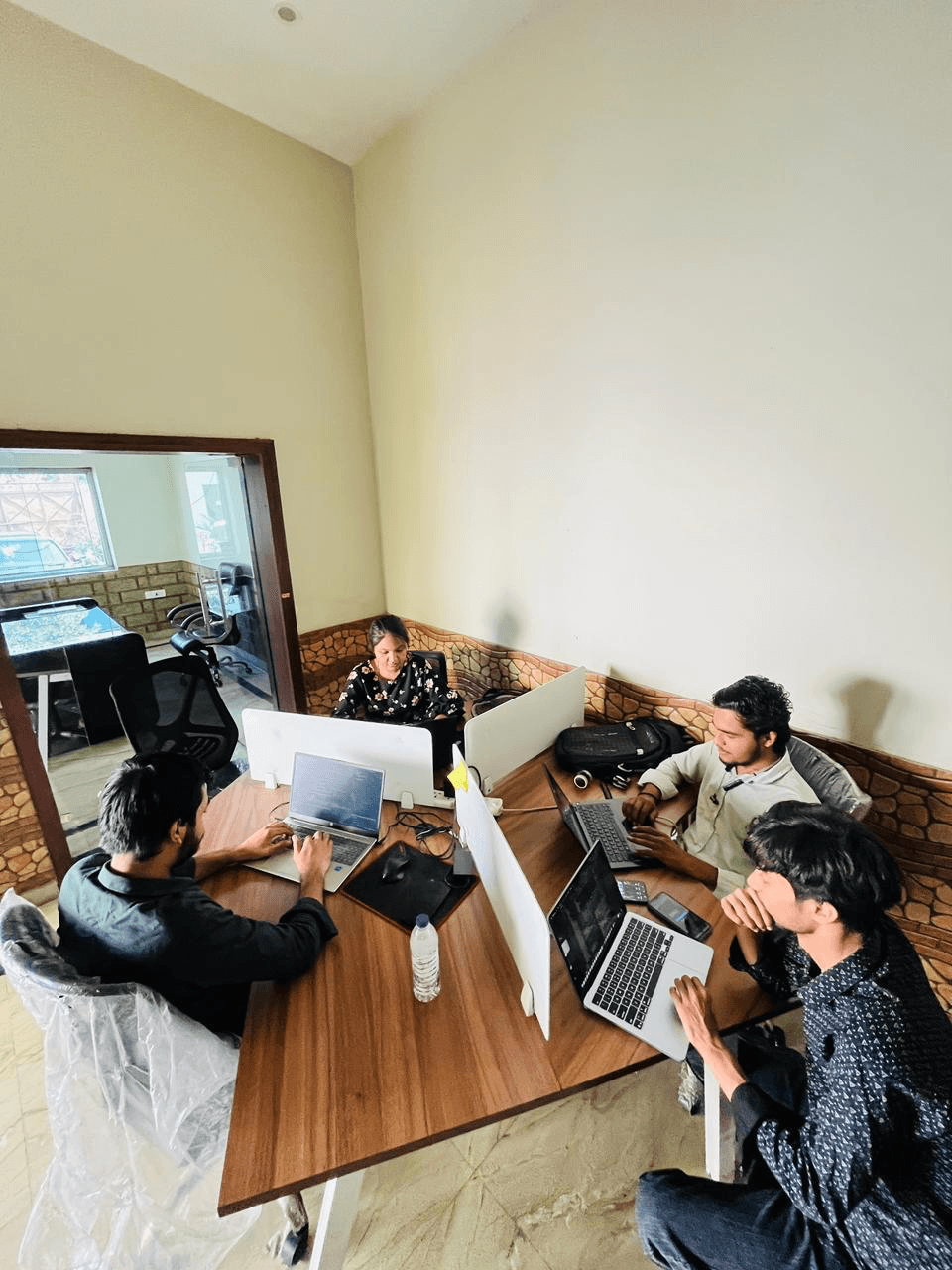
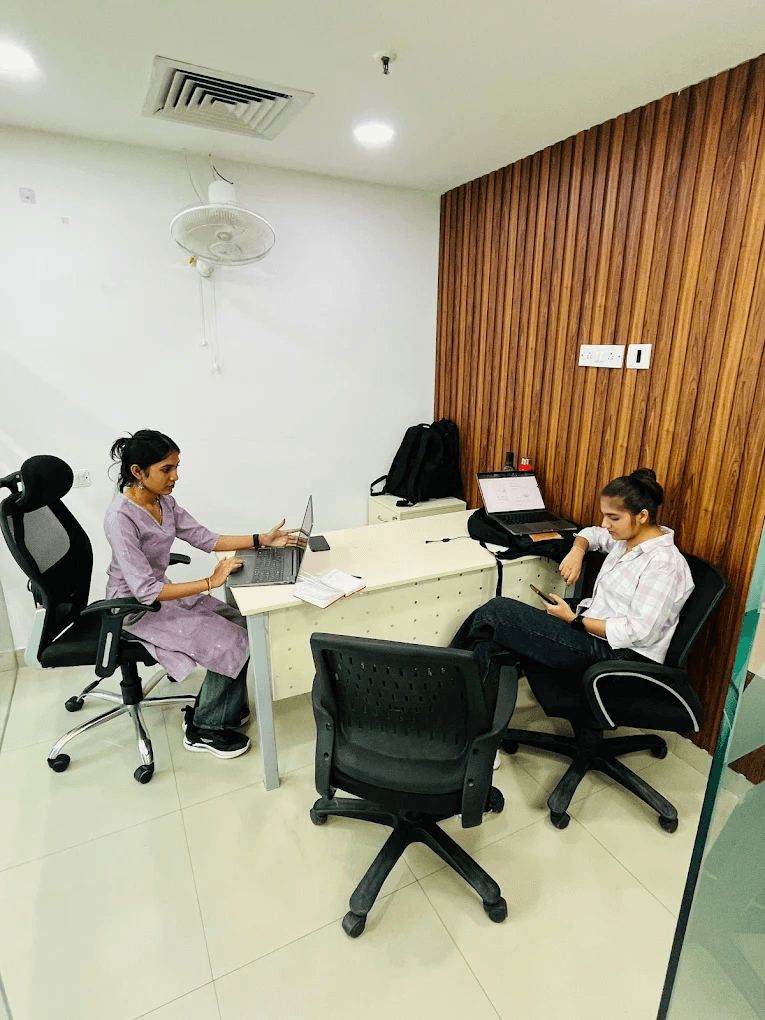
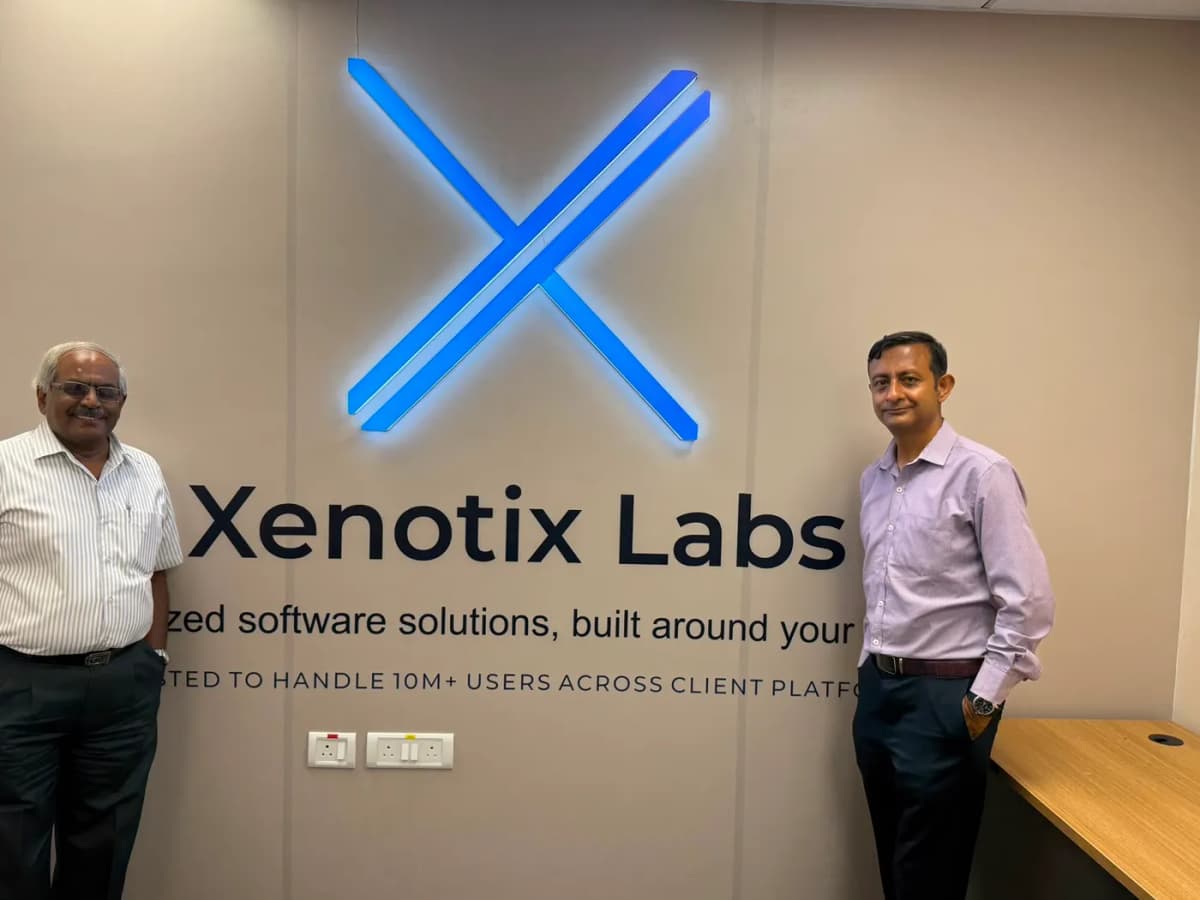
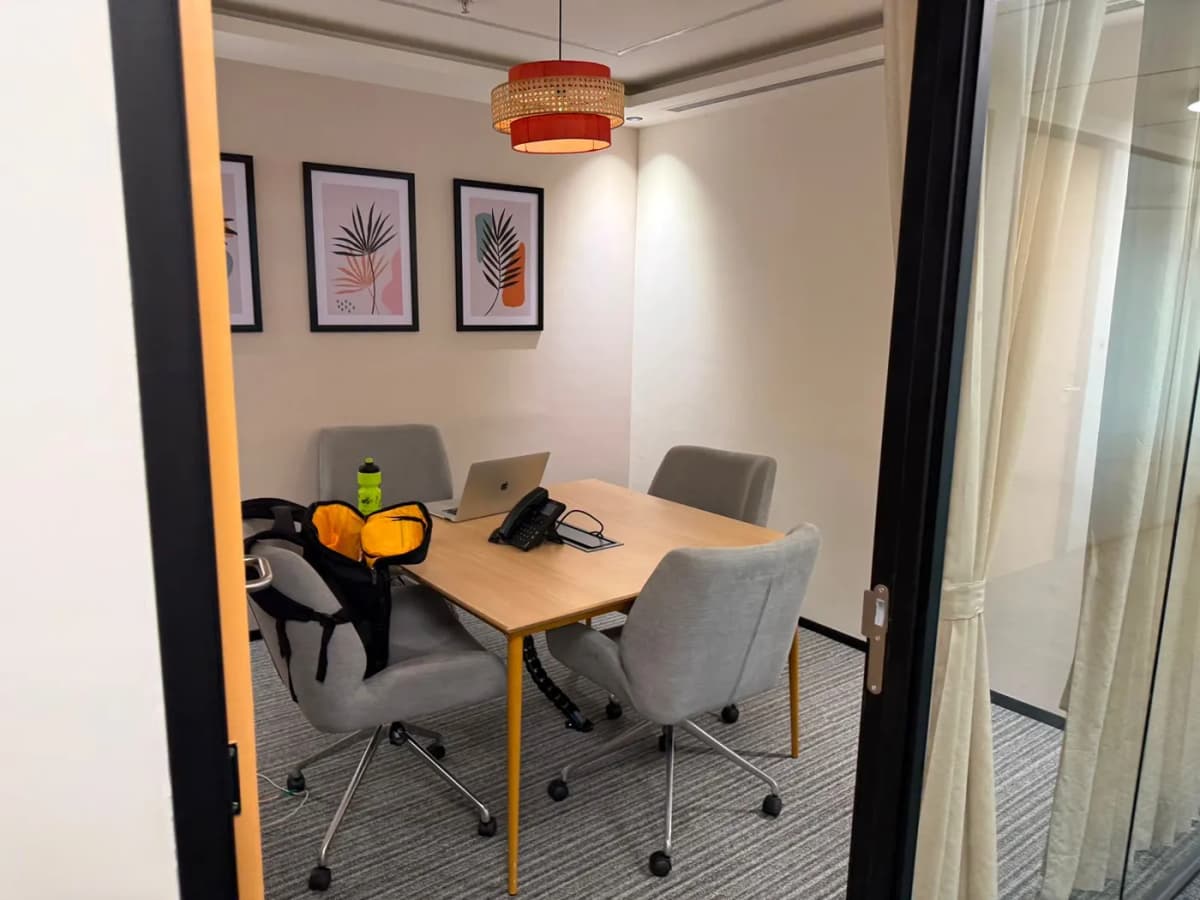
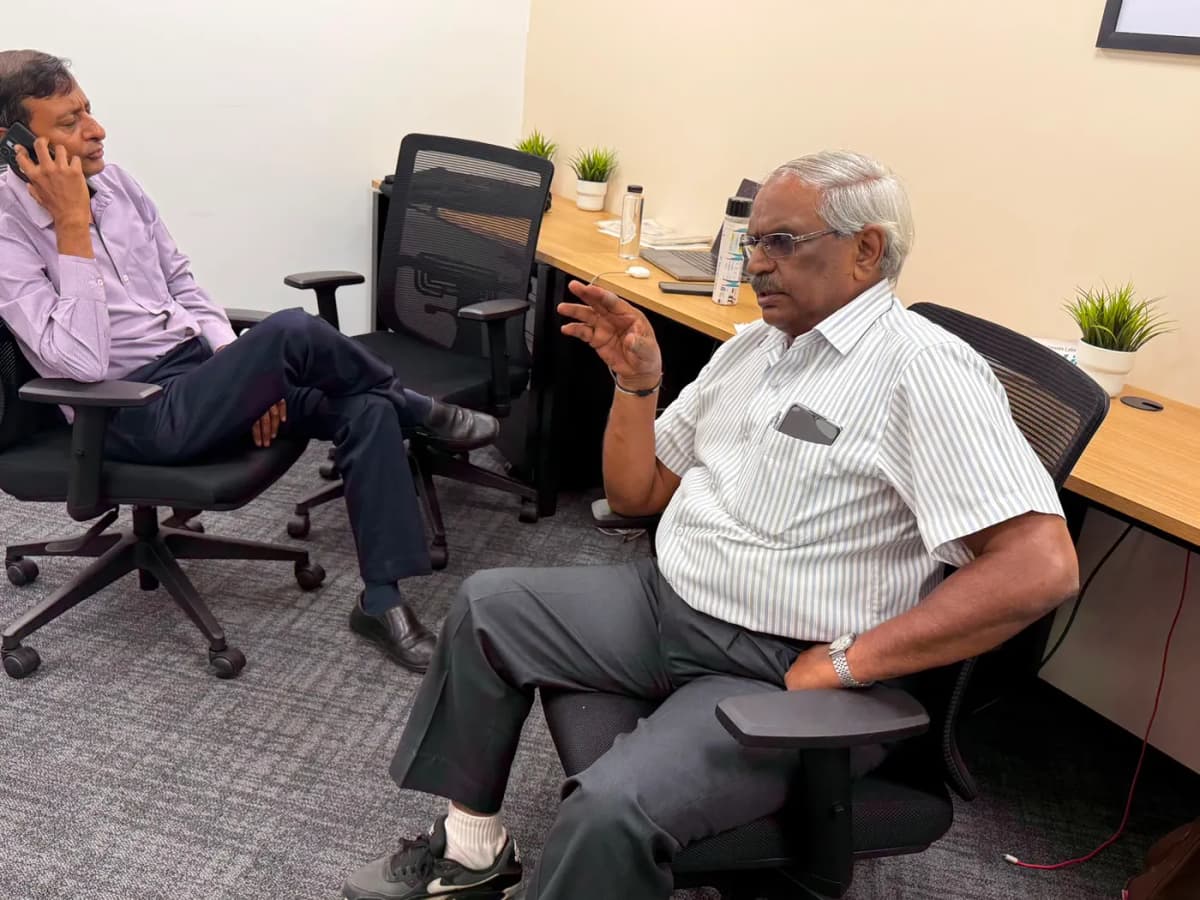
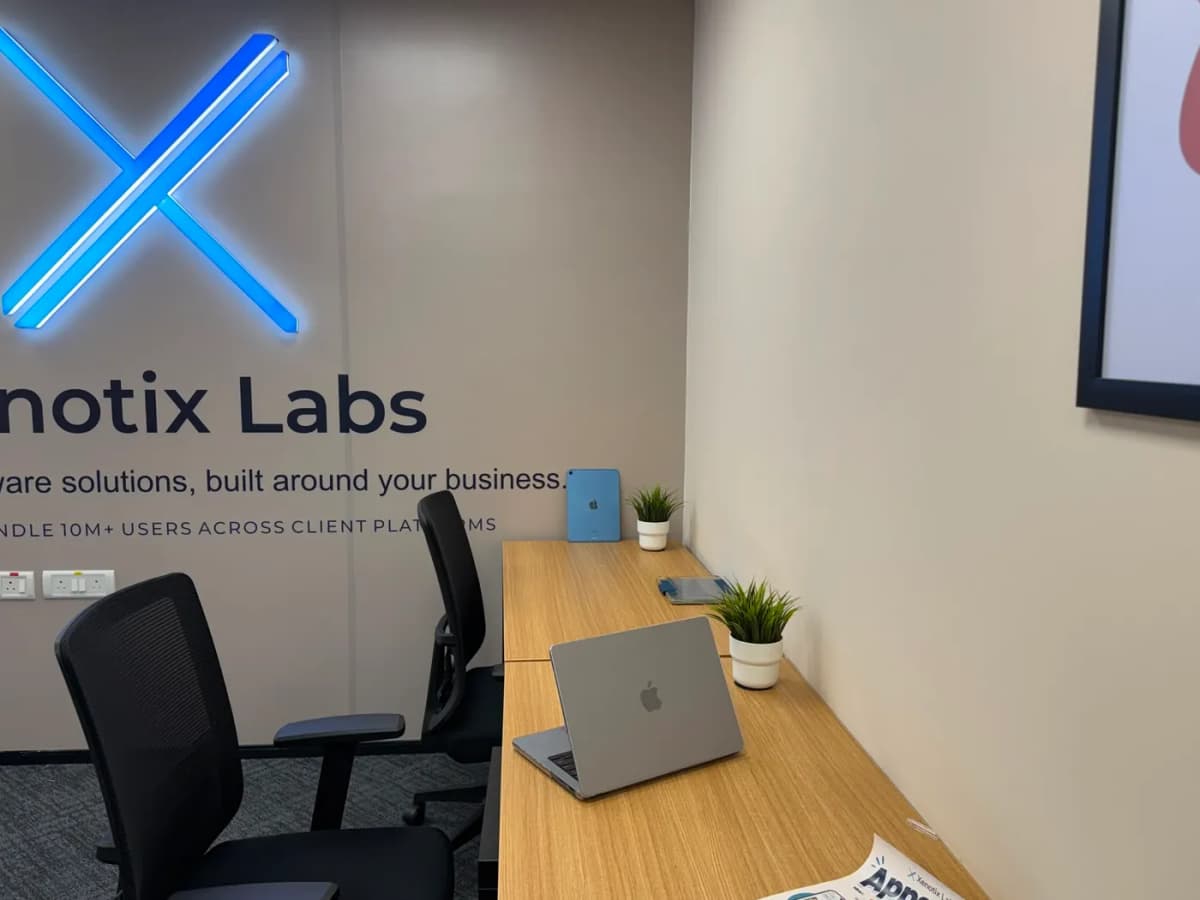
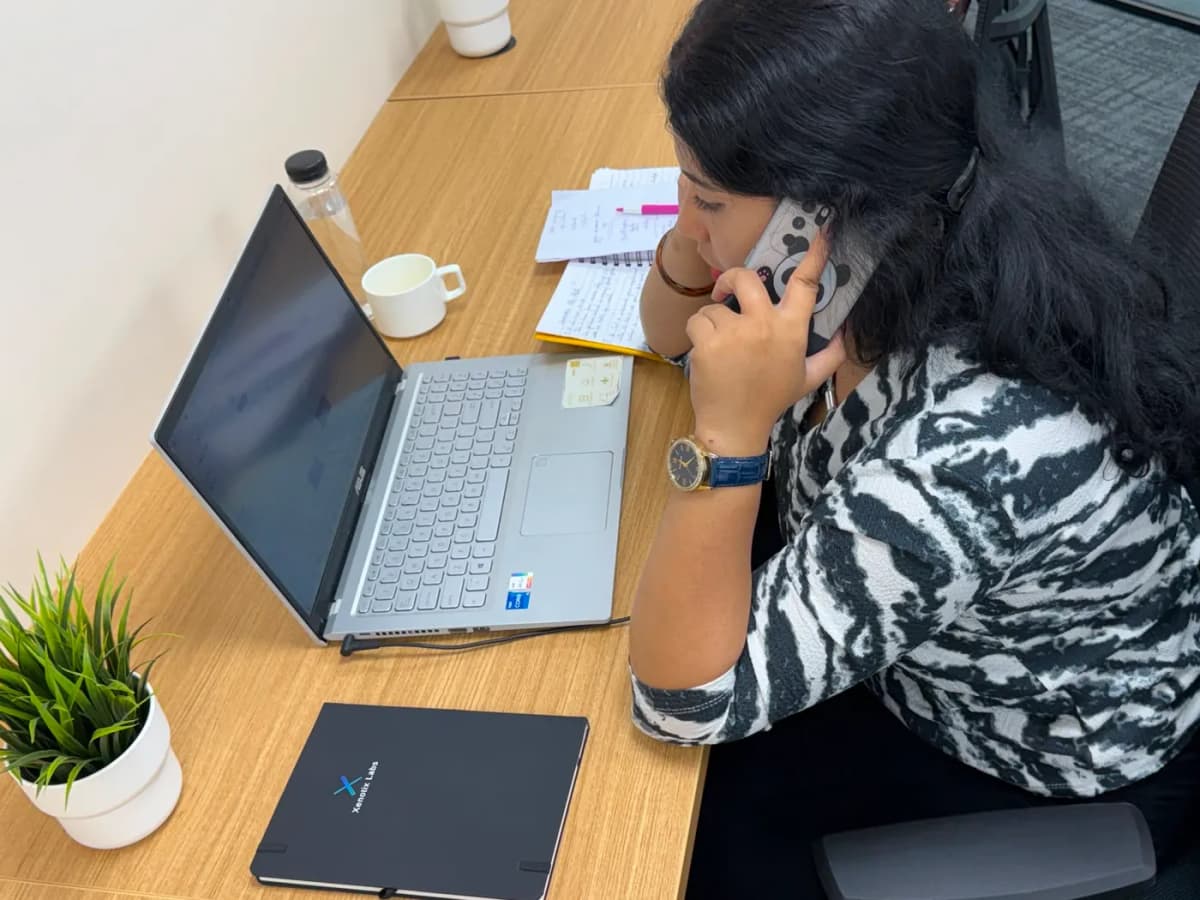
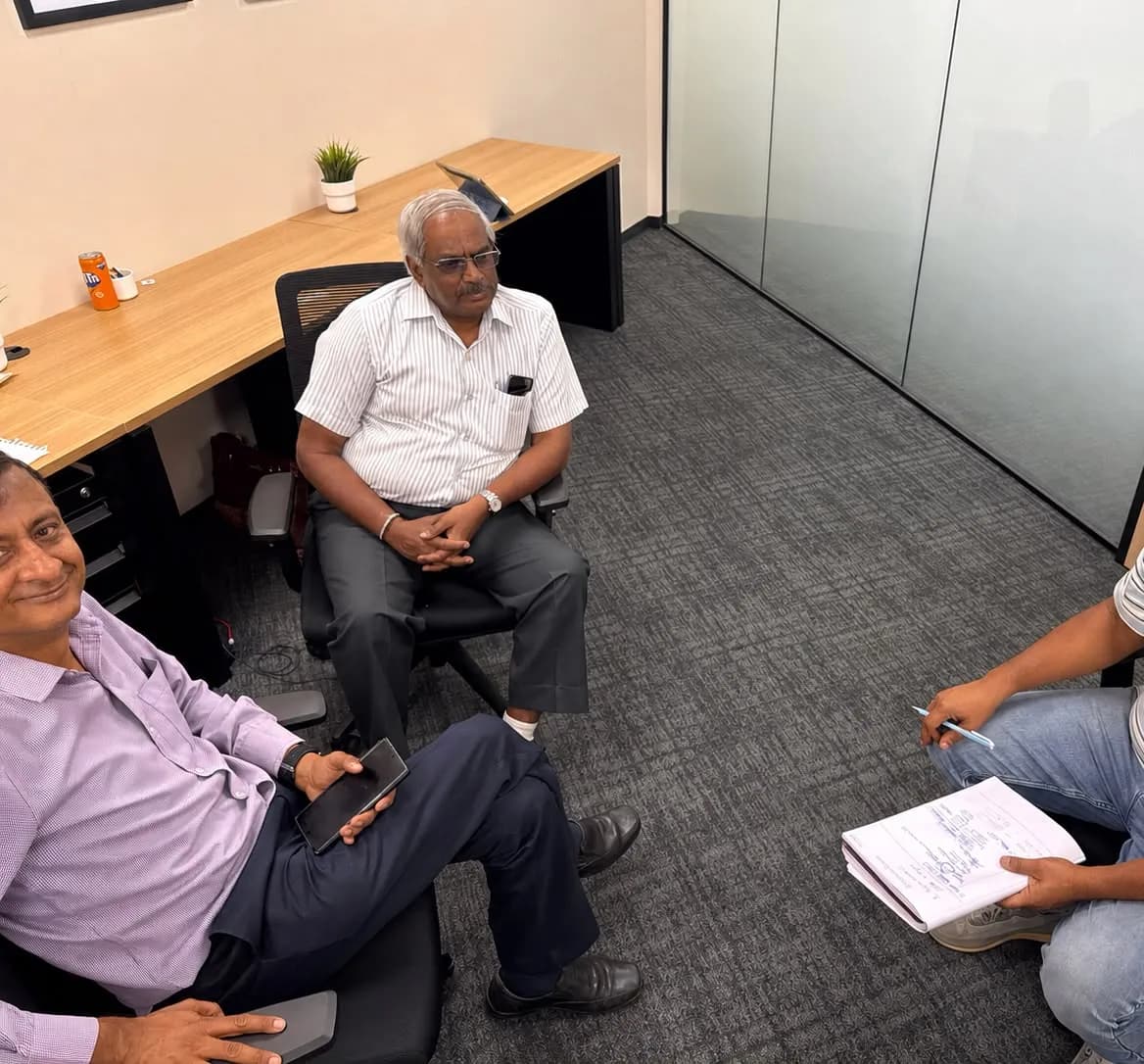
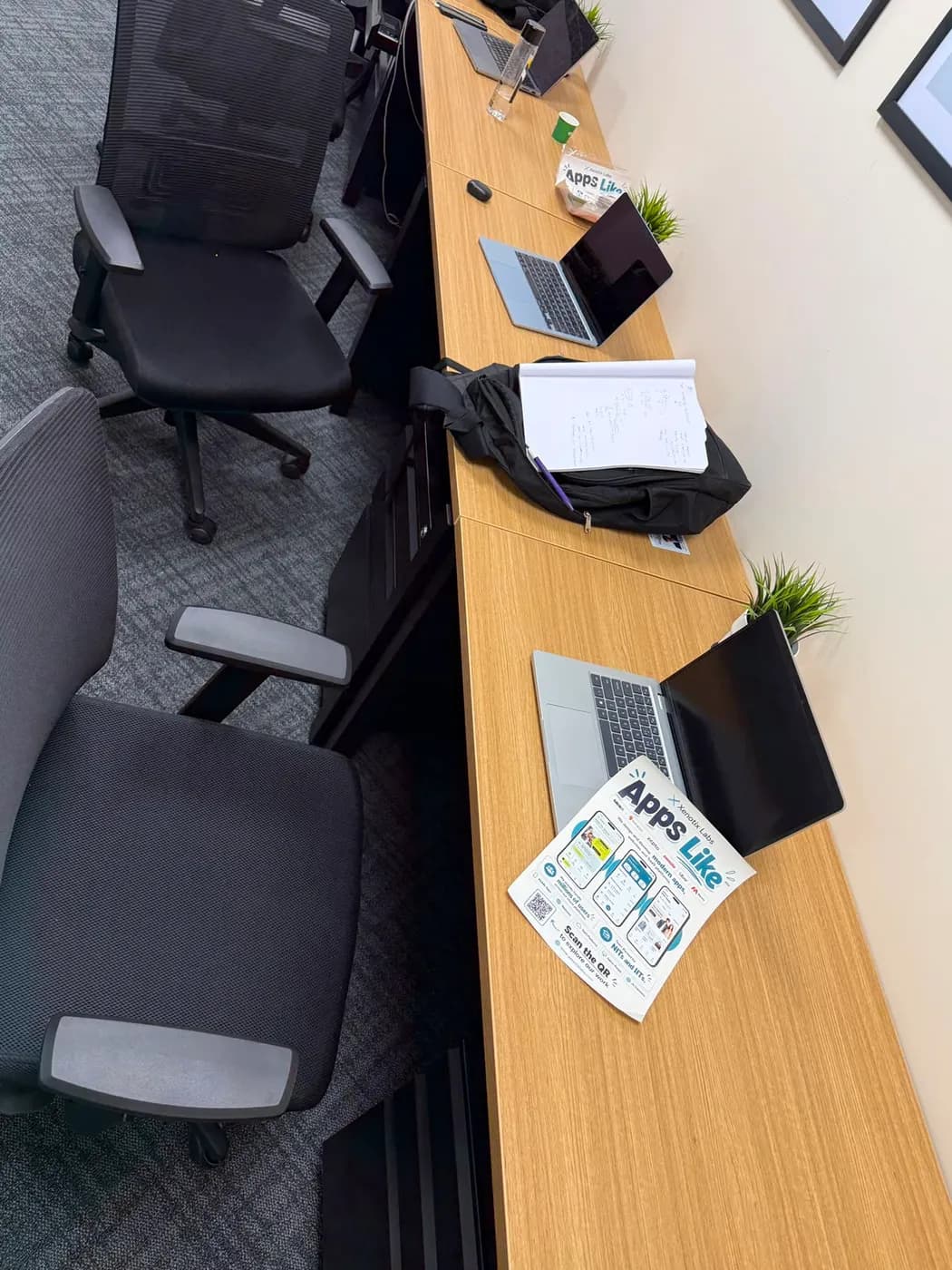
We will be plain about geography because SaaS founders here have been burned by vague sales pitches before. Xenotix now keeps a Bengaluru office at Regus, MSR North Tower, Nagavara (North Bengaluru), where you can meet the team by appointment. Our engineering HQ is in Modinagar, Uttar Pradesh, our sales desk is at Noida One in Sector 62, and we serve Bangalore SaaS teams on the same IST working hours, with a working-software demo every week, a shared Slack channel, and named engineers on your account rather than a rotating agency bench. When a kickoff or a hard architecture session benefits from being in the room, we meet you at the Nagavara office or on-site. What we will not do is register a Koramangala address we do not staff to look local; when your buyers run a security review, a tenant that holds up under load counts for more than a plausible-looking dot on Google Maps.
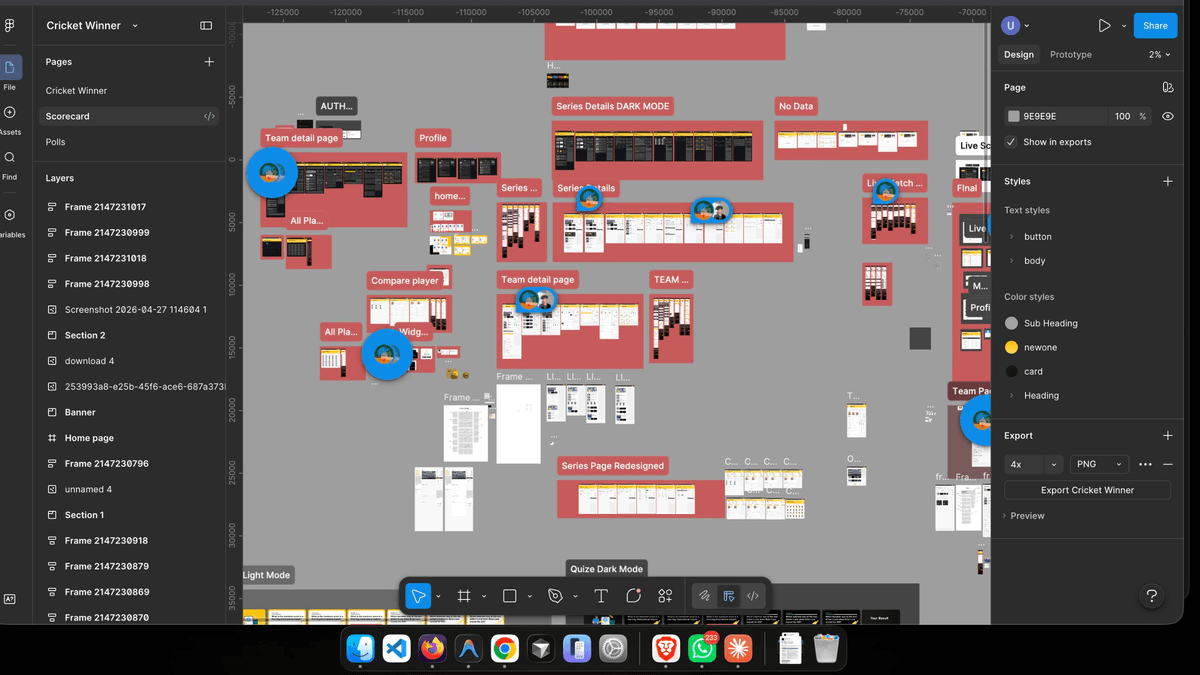
What building SaaS properly means, concretely: we design tenant isolation into the data model on day one — schema-per-tenant or strictly enforced row-level scoping — so no Bengaluru customer's data ever leaks into another's, and onboarding a new account is a self-serve signup rather than an engineering ticket. Subscription billing is treated as core product logic: tiered and seat-based plans, trials, proration, dunning for failed cards, and webhook-driven state so a downgrade or churn is reflected everywhere instantly. On top sit role-based access, admin and customer dashboards, a public API and the SSO and integrations that let an enterprise buyer's procurement team approve you instead of flagging you.
Transparent cost is what a Bengaluru SaaS founder remembers after the pitch. A focused multi-tenant MVP with billing, RBAC and the core dashboards sits at ₹12-35L; a heavier platform with SSO, granular permissions, usage analytics and several third-party integrations runs ₹35-60L+. Before you sign, the estimate breaks every tenant, billing and dashboard feature into its own line, and each week we hand over software that runs, so you watch the spend turn into a working product rather than a status update. For a founder deploying seed or Series-A capital into a product that has to survive a customer's security review and a board's growth expectations, knowing exactly what each rupee buys — and watching the tenant, the billing and the dashboard actually work — matters more than proximity.