
How Dubai SaaS founders avoid the architecture mistakes that kill at Series A
Dubai is the fastest-growing SaaS market in the MENA region — 0% personal income tax, DMCC/DIFC licensing for global distribution, proximity to GCC enterprise buyers, and access to VC funding from Hub71, DIFC Innovation Hub, and regional investors. But most Dubai SaaS startups fail at Series A not because of market fit, but because their MVP was architected as a monolith that cannot support multi-tenant isolation, usage-based billing, or the API integrations enterprise buyers demand.
Xenotix Labs builds SaaS products with the architectural patterns that matter from day one: multi-tenant data isolation (shared-database with tenant-scoped queries for cost efficiency at MVP stage, isolated-database per tenant option for regulated industries), subscription billing (Stripe for global, Telr for UAE-first, both with usage metering, upgrades, downgrades, and dunning), RBAC (role-based access control with organisation-level permissions), API-first design (every feature accessible via documented REST API for enterprise integrations), and horizontal auto-scaling on AWS.
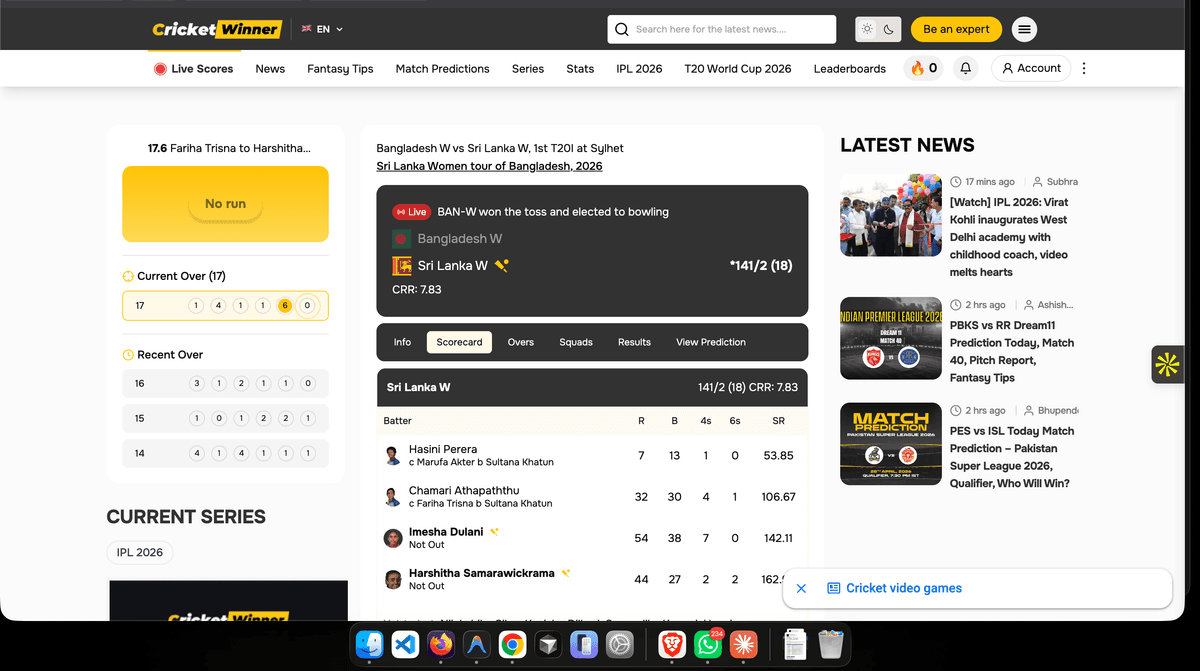
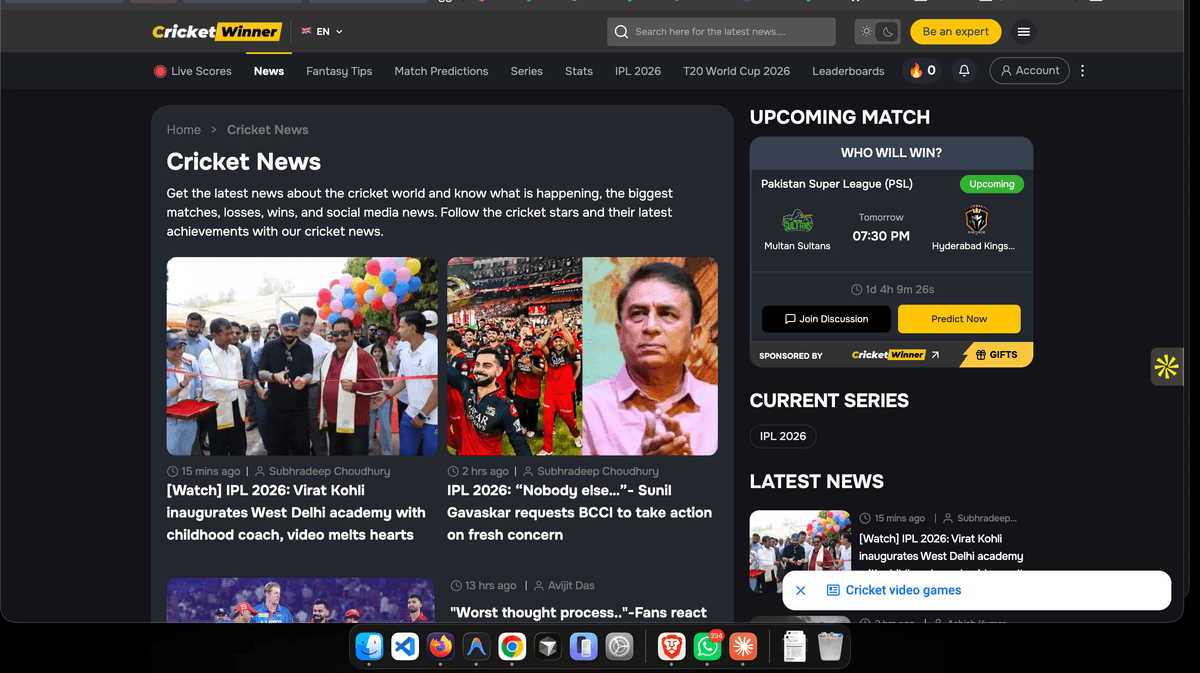
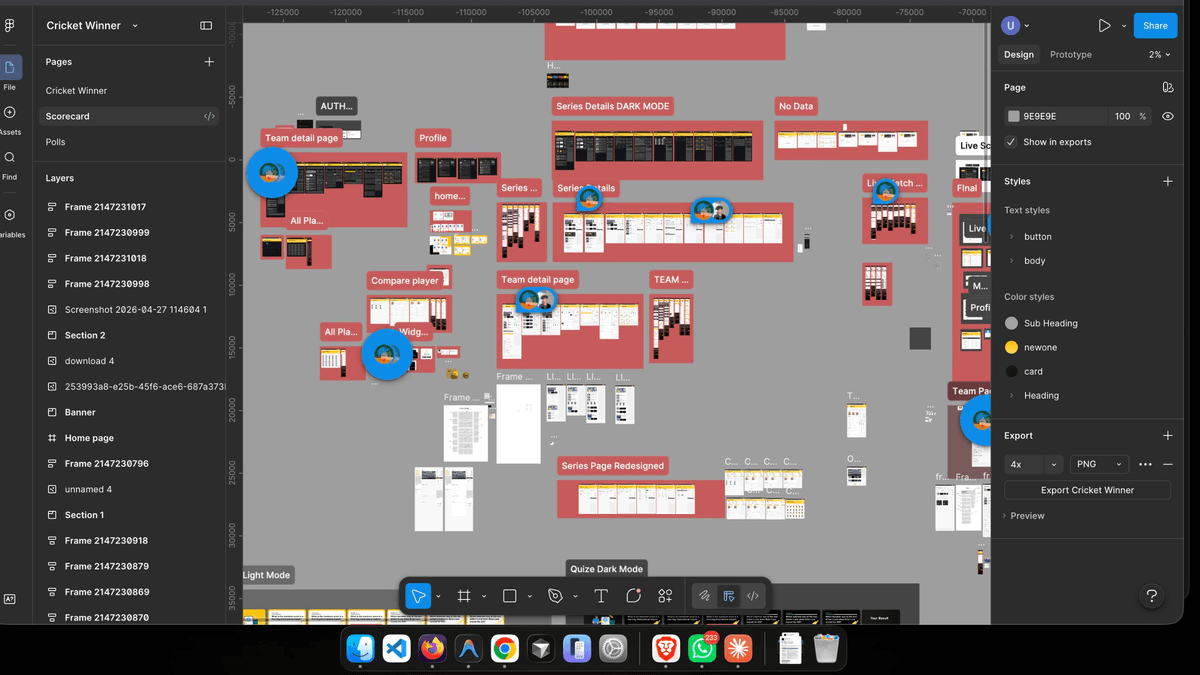
Our SaaS-relevant proof points: Cricket Winner is effectively a SaaS-shaped platform — multi-stakeholder (editorial team, advertisers, users, admin), real-time event processing, subscription-like contest mechanics, AWS auto-scaling through 100× traffic spikes. Eazybizzy is a franchise management SaaS. ClaimsMitra is an insurance operations SaaS with 114+ endpoints. The architectural patterns are proven; we adapt them for your specific SaaS product shape.