




A dApp Is a Product First and a Smart Contract Second
Most dApps that fail do not fail on-chain. They fail because connecting a wallet takes six confusing steps, because every screen waits ten seconds on a node, or because nobody planned what happens when a transaction is stuck. A decentralized app is still an app. It needs a front end that makes sense, a backend that is fast and contracts that do exactly what they claim.
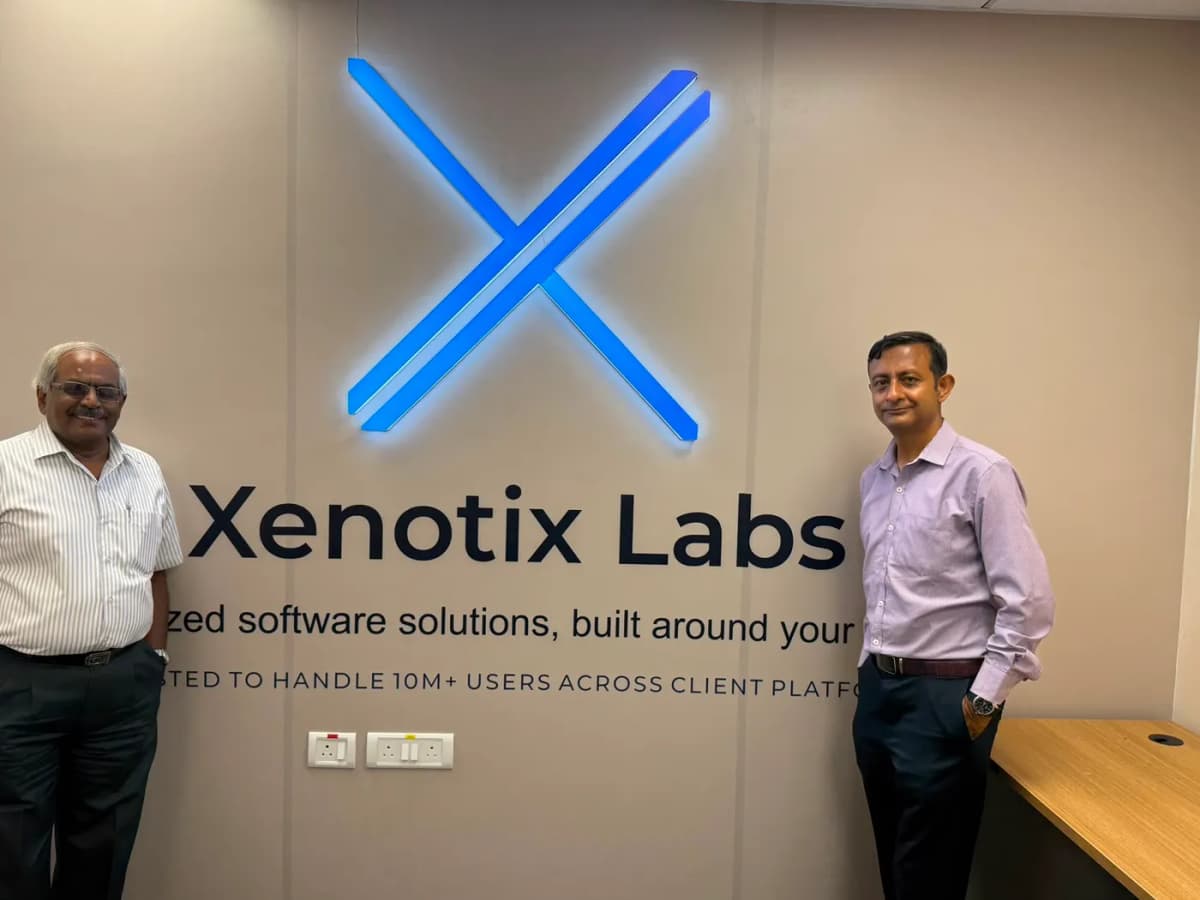
Xenotix Labs builds all three. Our engineers write Solidity on audited OpenZeppelin implementations rather than hand-rolling token logic, test with Hardhat and Foundry, and deploy to the chain whose fees suit your users: usually an EVM layer 2 such as Polygon, Arbitrum or Base, and Ethereum mainnet when the asset demands it. Around the contracts we build an event indexer, a normal API and a Next.js or Flutter interface.
We are deliberate about where the chain is used. Ownership, payouts and anything users must be able to verify belong on-chain. Search, notifications, profiles and analytics do not, and putting them there makes a product slow and expensive. BullBot, a referral platform we built, pays its commissions through smart contracts on an EVM layer 2 so that no participant has to trust the operator, and keeps everything else in a conventional backend.
A single contract module costs $4,000 to $7,500. A dApp MVP with contracts, wallet connection, front end and basic admin costs $10,000 to $22,000 and takes 8 to 12 weeks. A production system with several contracts, marketplace mechanics and monitoring costs $25,000 to $60,000 or more. Contracts deploy from your keys and the repository is yours from the first commit.